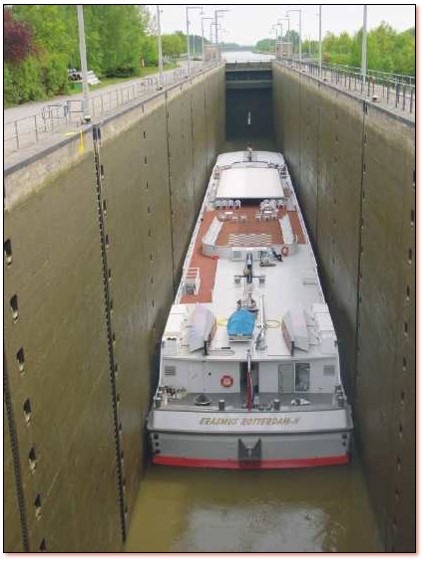
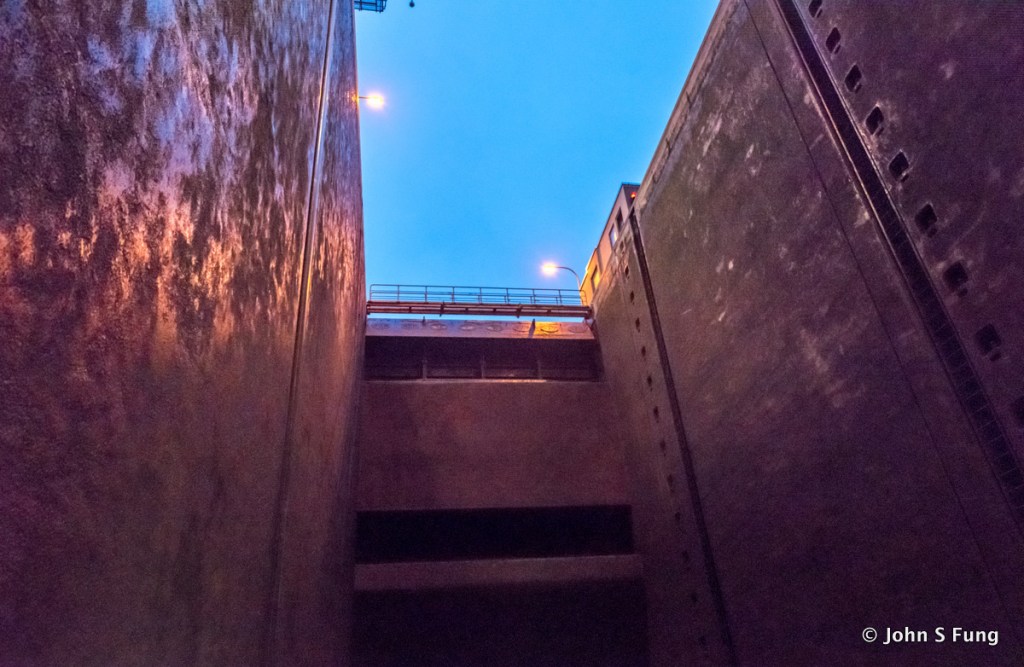
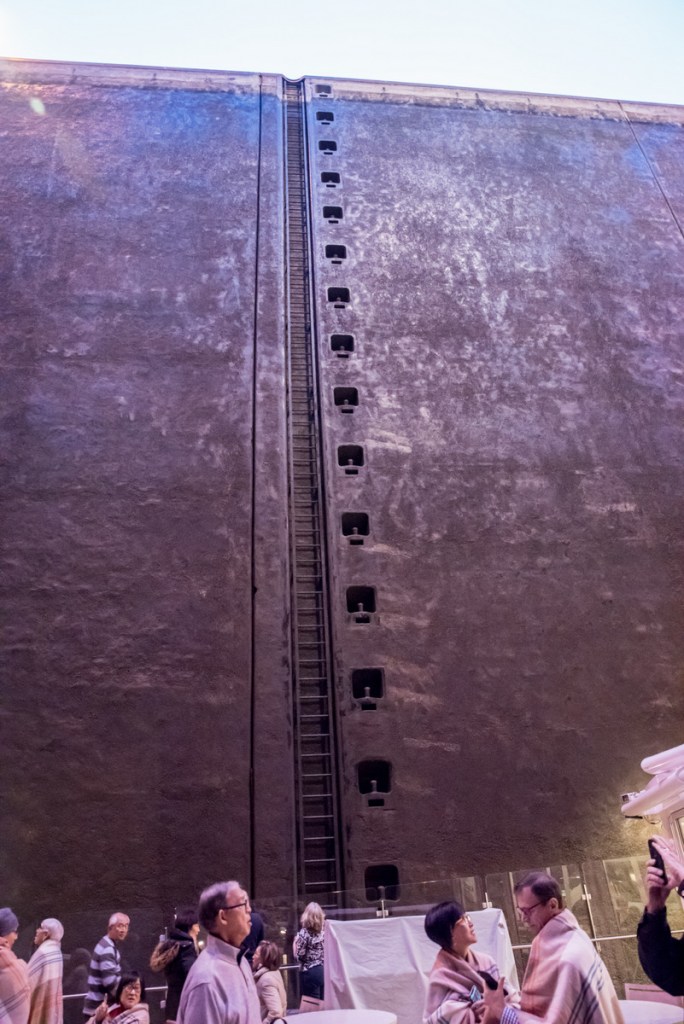
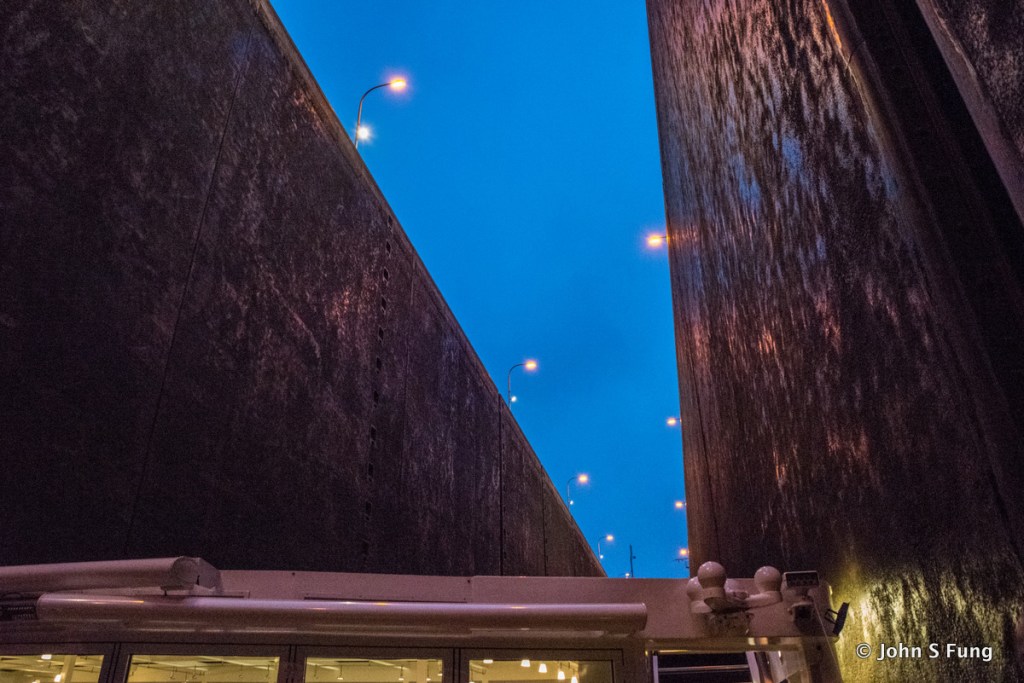
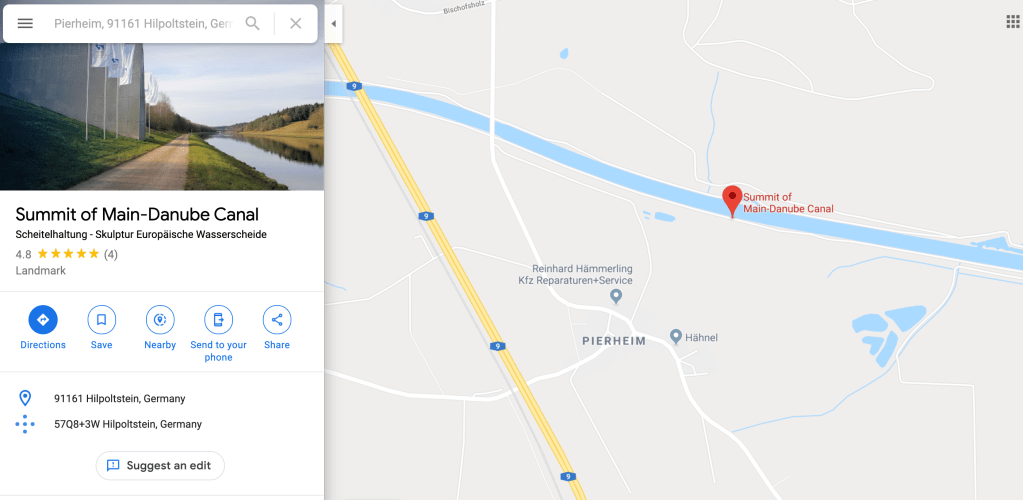
After the city tour of Nuremberg, we went taken back to the ship for lunch. There were optional tours in the afternoon for some and shuttle bus for those who wanted to have free shopping time in Nuremberg. Meanwhile, our ship continued to climb up to the summit of of the canal. We were given an introduction to the Rhine-Main_Danube Waterway and the Main-Danube Canal, it was a good talk and very educational, photos (shown below) were presented to allow us to see how the locks work. Built with reinforced concrete and with steel lock gates, today’s lock heights extended to approximately 30 meters. Yes, we’ve learned something new everyday !
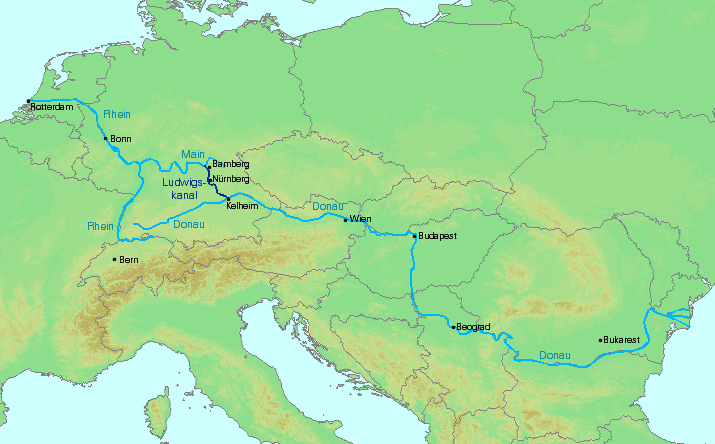
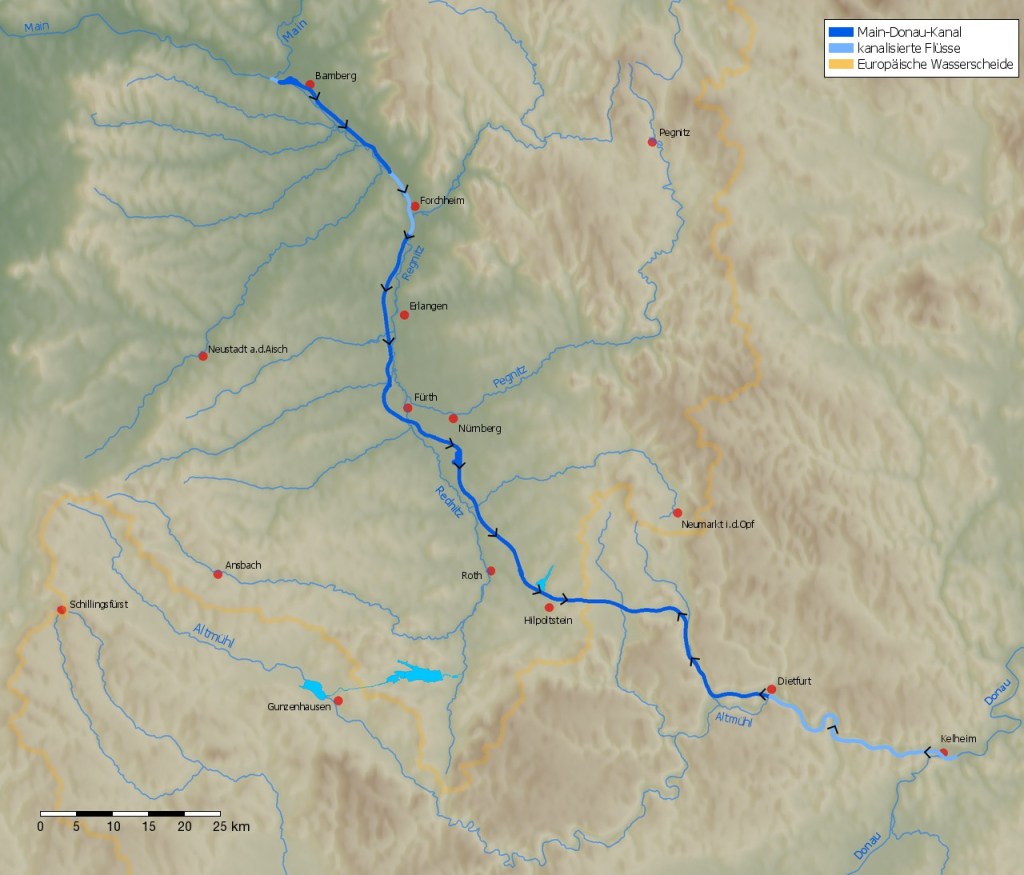
The Rhine–Main–Danube Canal (German: Rhein-Main-Donau-Kanal; also called Main-Danube Canal, RMD Canal or Europa Canal), in Bavaria, Germany, connects the Main and the Danube rivers across the European Watershed, running from Bamberg via Nuremberg to Kelheim. The canal connects the North Sea and Atlantic Ocean to the Black Sea, providing a navigable artery between the Rhine delta (at Rotterdam in the Netherlands), and the Danube Delta in south-eastern Romania and south-western Ukraine (or Constanța, through the Danube–Black Sea Canal). The present canal was completed in 1992 and is 171 kilometres (106 mi) long (Wikipedia –https://en.wikipedia.org/wiki/Rhine%E2%80%93Main%E2%80%93Danube_Canal).
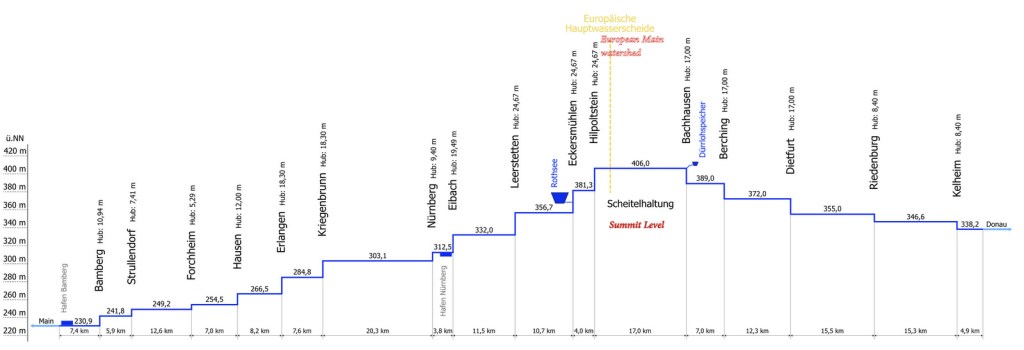
萊Map of the Rhine-Main-Danube Canal, by jailbird, Wikipedia.美因-多瑙訶的剖面圖 Profile of the canal showing the locks by jailbird (Wikipedia)
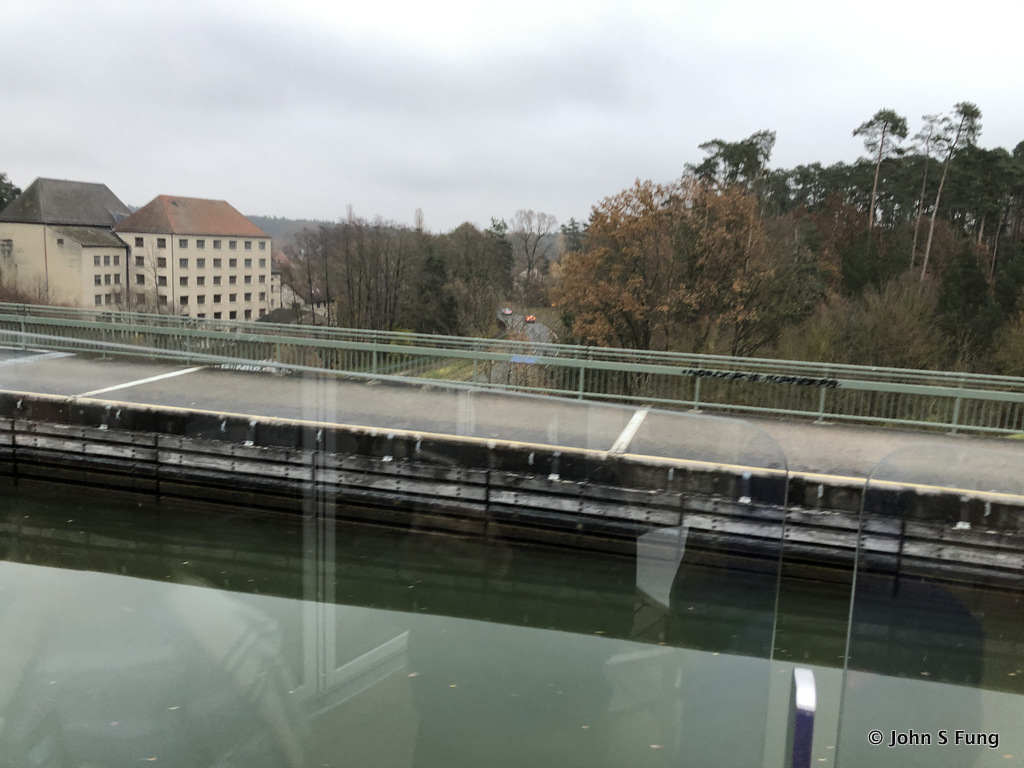
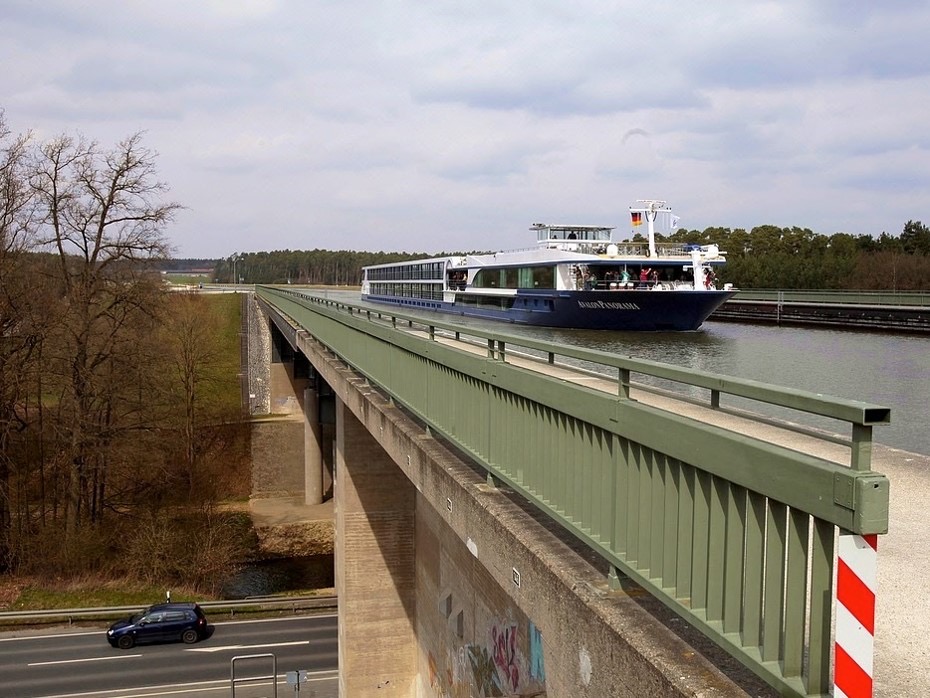
As shown in the profile above, we had passed 6 locks since Bamberg, and 4 more to go, the depth of the last four locks from Nuremberg to the summit of the canal are pretty deep, between ~20 – 24.7 m high. Near the town of Neuses, out of the blue, we found ourselves on top of a freeway, we could see the headlights of the cars down below.
舉起手機,也只能紀錄到上面這樣。下圖是Viking 給的圖片,非常清楚示出陸上行舟的廬山真面目。
The photo below, provided by Viking, shows what it is like when the long ship is passing a highway, from the perspectives of those who are standing ashore.
上圖,從岸上往下看 Viking 長船過水閘的情景。下圖是我們在船上往上看的感覺。
Photo provided by Viking Cruise to show how passing a deep lock is like 👆when looking down from above.
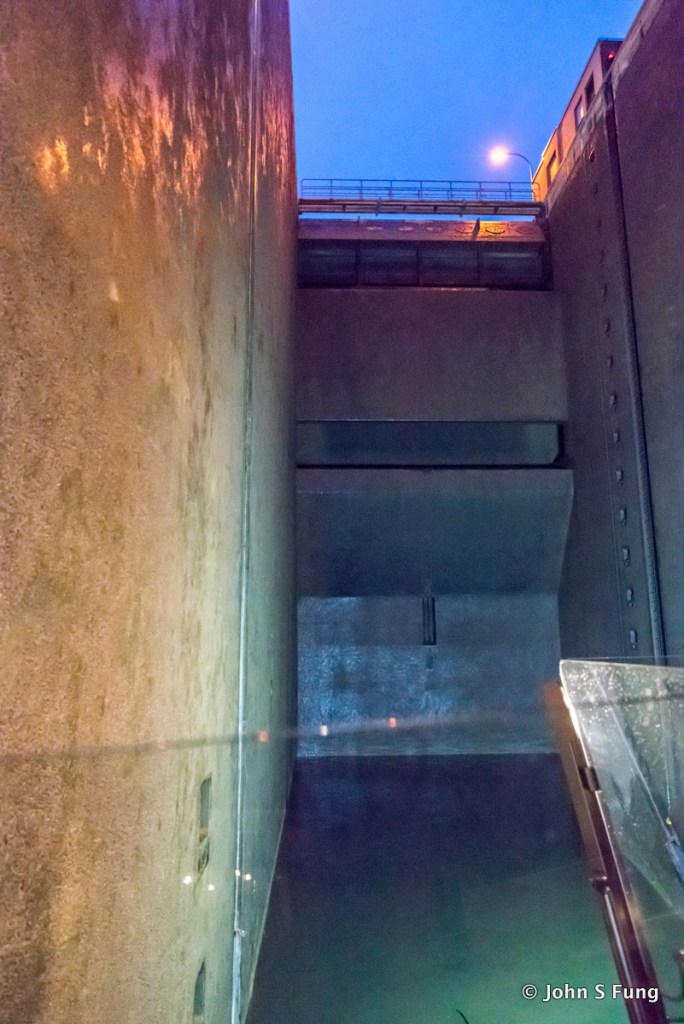
當時是下午4:45分,還不是最後一個水閘,不過,連續幾個水閘都有 20-25 米的深度。
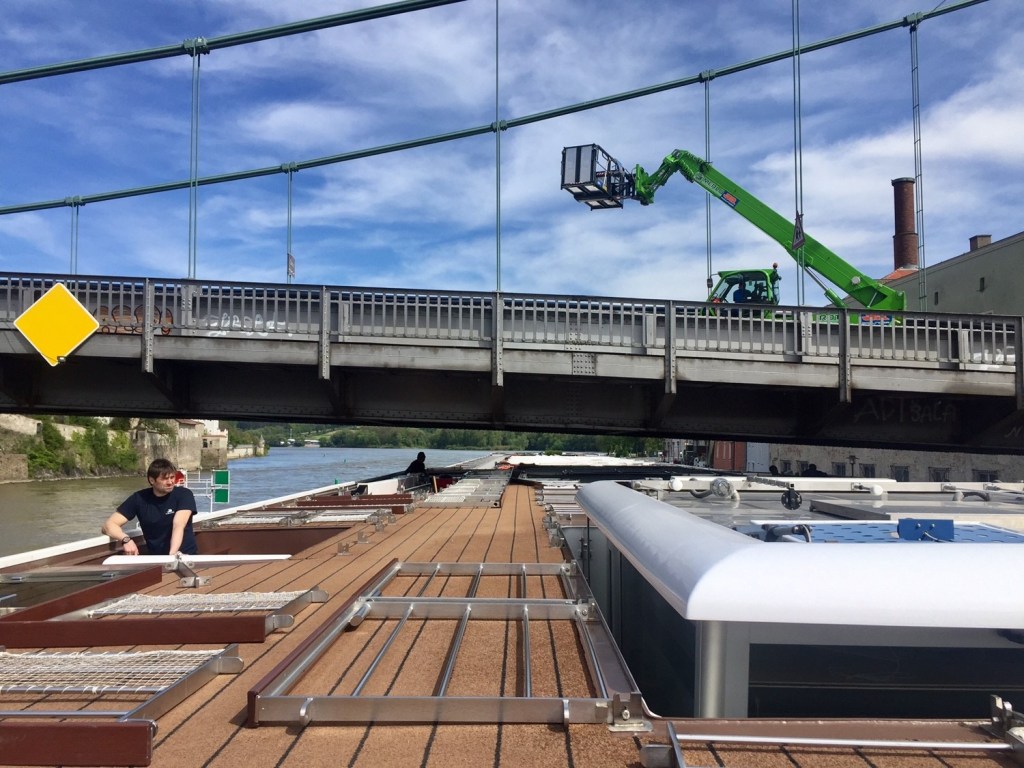
This is 👆 what we see from our perspective on the deck, we were passing one of those 20 m deep locks after Nuremberg heading up to European Continental Divide. The time was 4:45 pm.
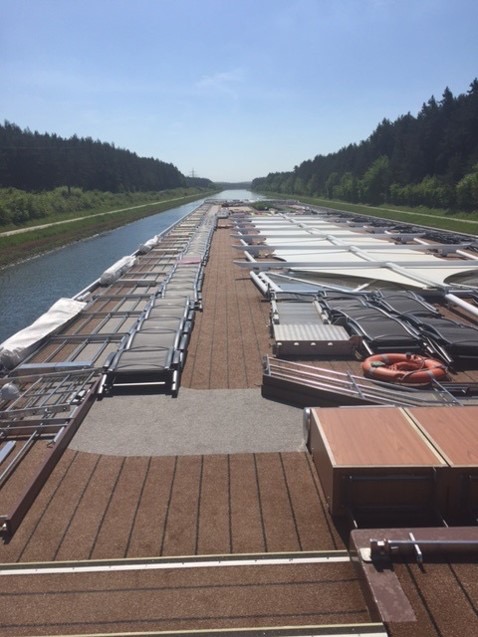
I was told that we had been lucky that we didn’t have to deal with the problems created by extreme low water or extreme high water level that requires bus transfer to another ship. Actually we had high water issue for days, crews had to collapse the whole sundeck, as shown below, and we were not allowed to go up there.
深秋歐陸上河圖十一:紐侖貝格 Viking Grand European Tour – 11: Nuremberg, Germany Visited: Thu, Nov 21,2019 Day 8
紐侖貝格是巴伐利亞的第二大城,因在第二次世界大戰所扮演的角色而聞名於世。1933年納粹黨奪權後,連續六年在紐侖貝格舉行黨代表大會,那成為納粹重要的政治宣傳。1946年歐洲國際軍事法庭審納粹戰犯亦特意在紐侖貝格進行。盟軍反攻時,紐侖貝格受多次空襲,全城受損嚴重,在1950代開始重建,我們參觀皇家堡壘時,裡面仍進行修復。我對那些有關人性黑暗面的歷史不感興趣,只想看看美的元素,可惜遊覽項目 Surviving the war : Art in Nuremberg 甚受歡迎,額滿見遺,我們只好參加市內遊。早上巴士來接,外面下著小雨,巴士帶我們經過當年希特拉納粹用作舉行大會的會場,又經過那類似羅馬鬥獸場般宏偉,但未建成的納粹國會大殿。最後終將我們送到皇家堡壘城牆的外面,那時雨也停了,正好開始城中遊。
Nuremberg is the second largest city in Bavaria, it is well known for the role it played in World War II, first as the site of Nazi rallies and later as the site of war crimes trial. I’m not interested in the history of World War II or the rise and fall of the Nazi Regime, fortunately Nuremberg has a lot to offer. As one can imagine, with its significant role in Nazi Regime, Nuremberg had suffered extensive damages during air raids during WWII. However, the 13th century city wall and a lot of the medieval building remain standing, to my untrained eyes, the whole city had been reconstructed pretty much the way it was, a beautiful medieval town. At the time of our visit, It was an overcast morning with light rain, the bus tour first drove by the site of Nazi rallies and the site of trials, the Palace of Justice, and the Nazi Congress Hall as well. We got dropped off at a drop off point just outside the ancient wall of the Imperial Castle to begin out city tour of Nuremberg.
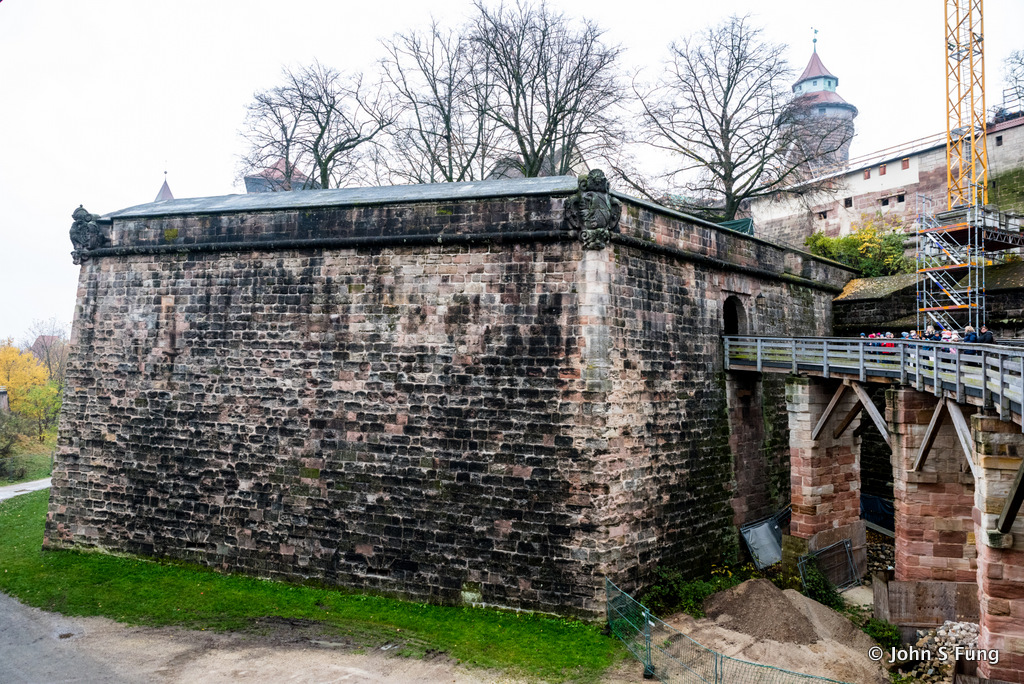
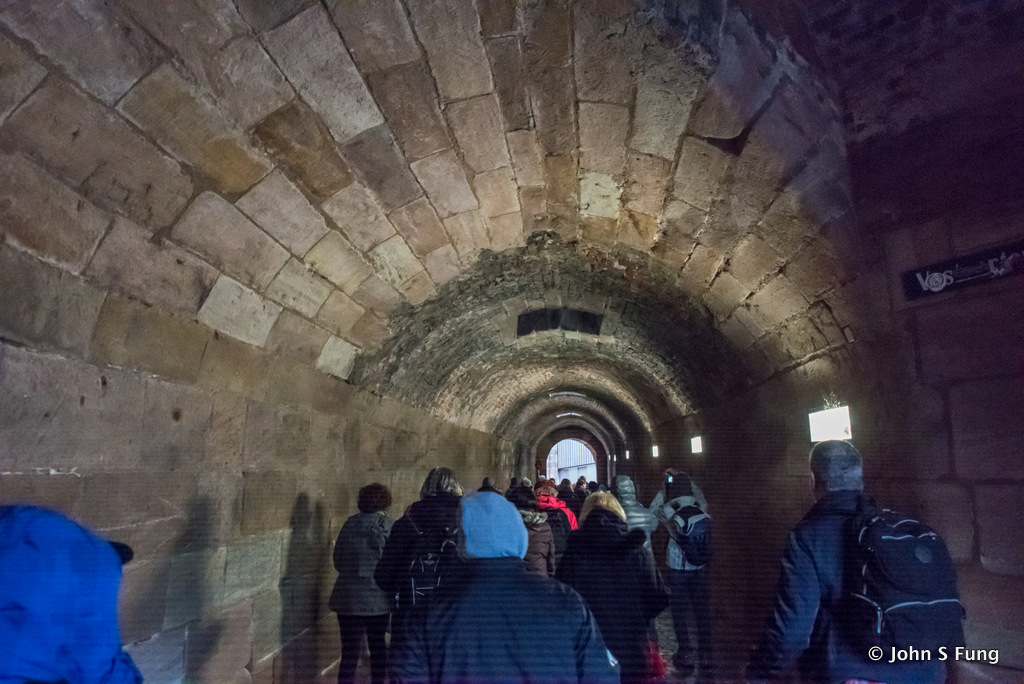
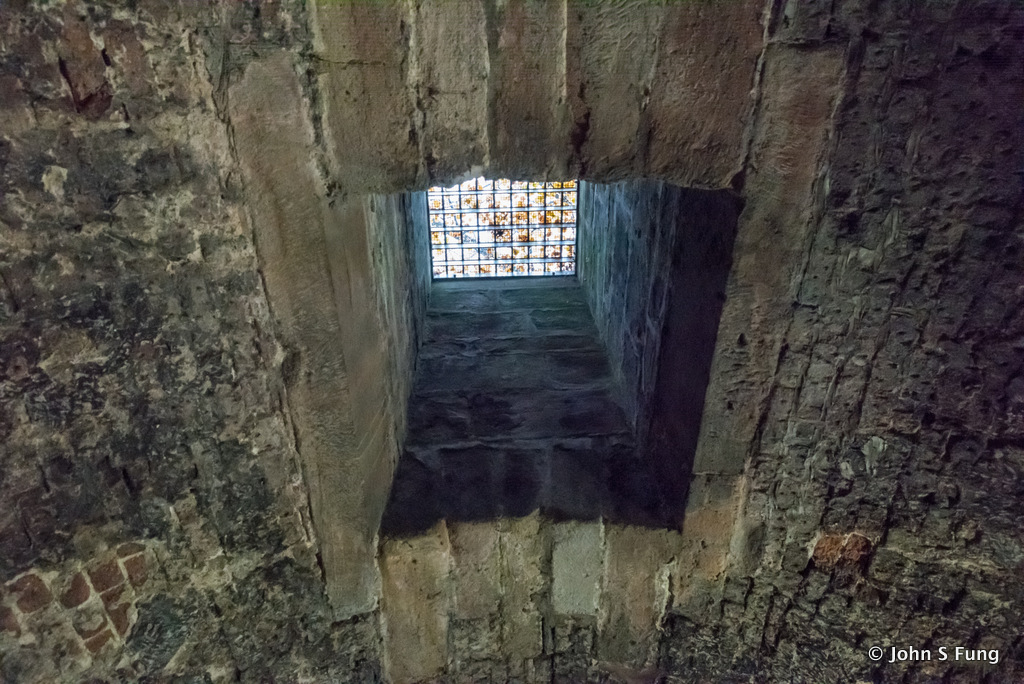
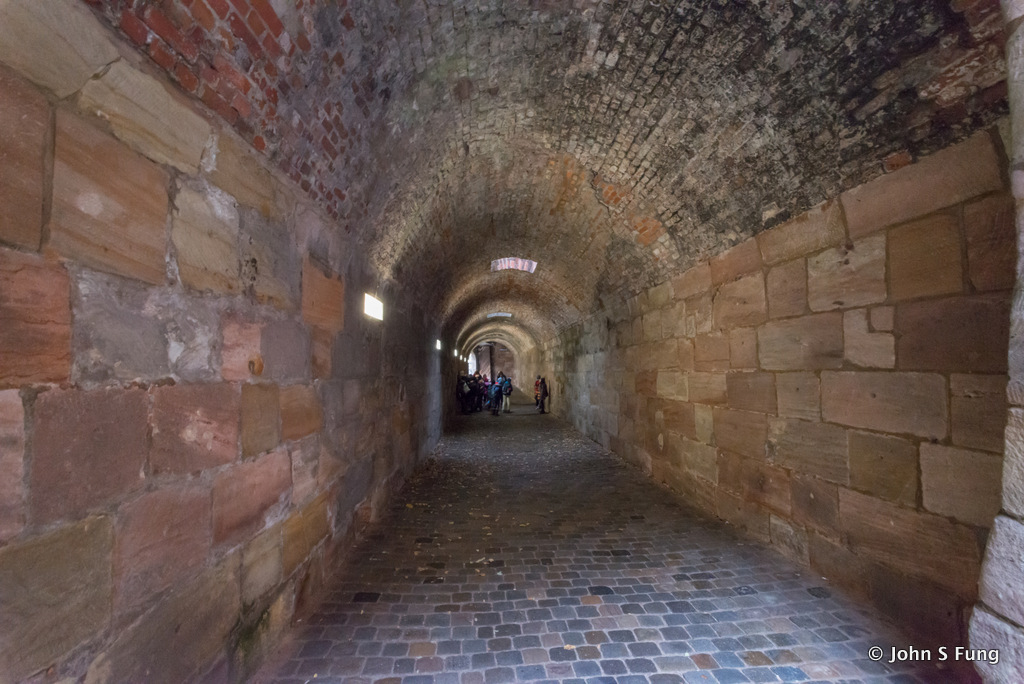
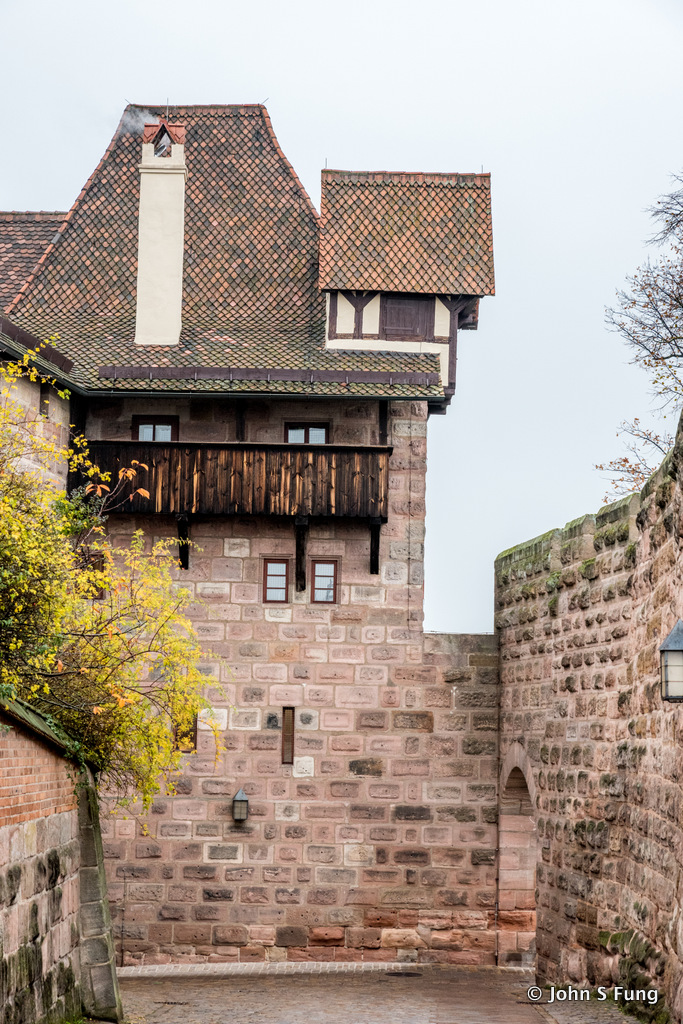
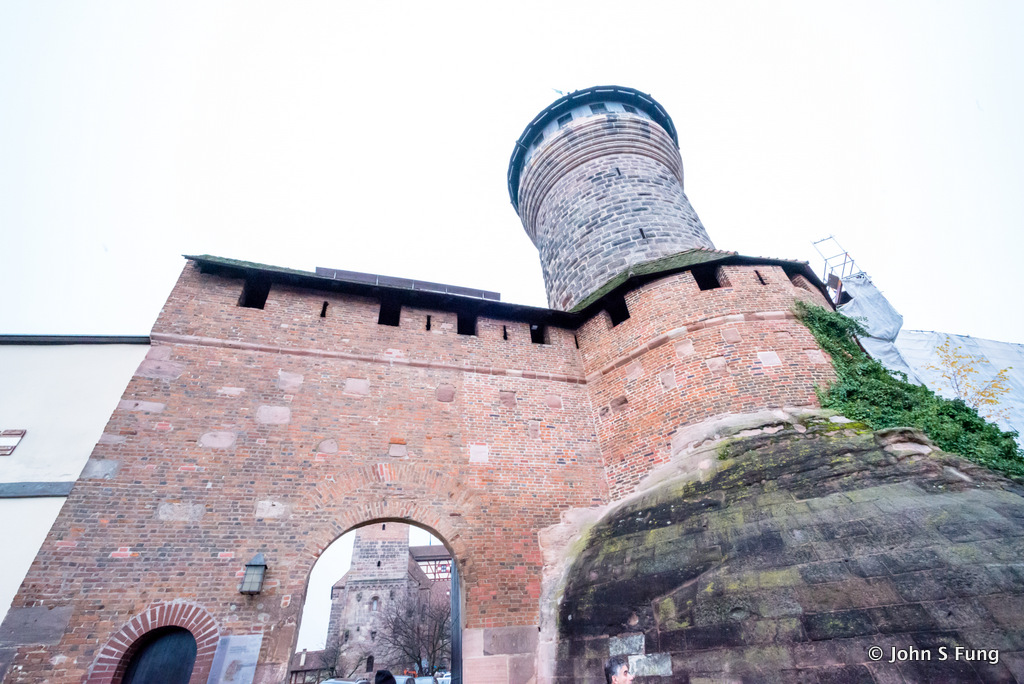
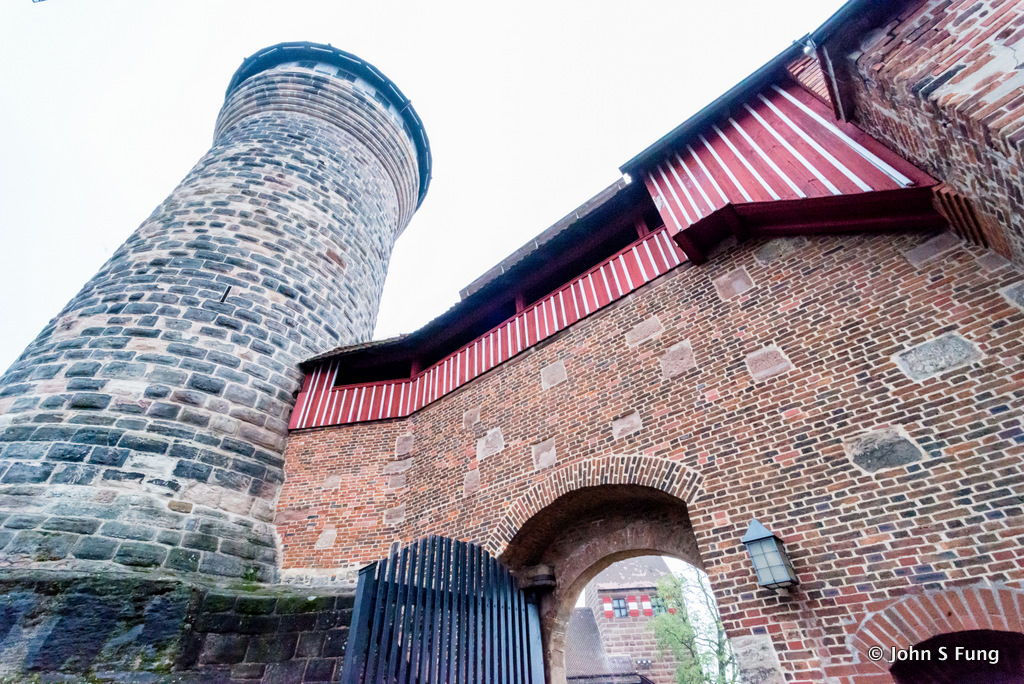
The entrance was actually an elevated bridge, vestnertorbrücke, that led us to an ascending tunnel-like passage (inside the building called Eimmart Memorial), after passing through the tunnel and then a couple of turns, we were standing at the outer courtyard of the castle.
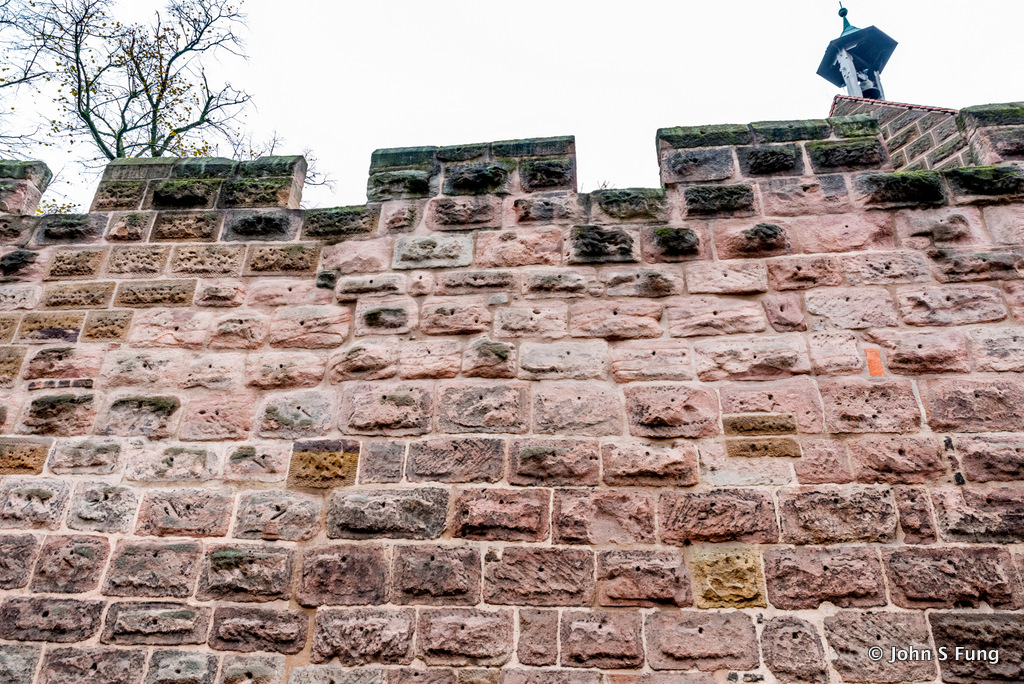
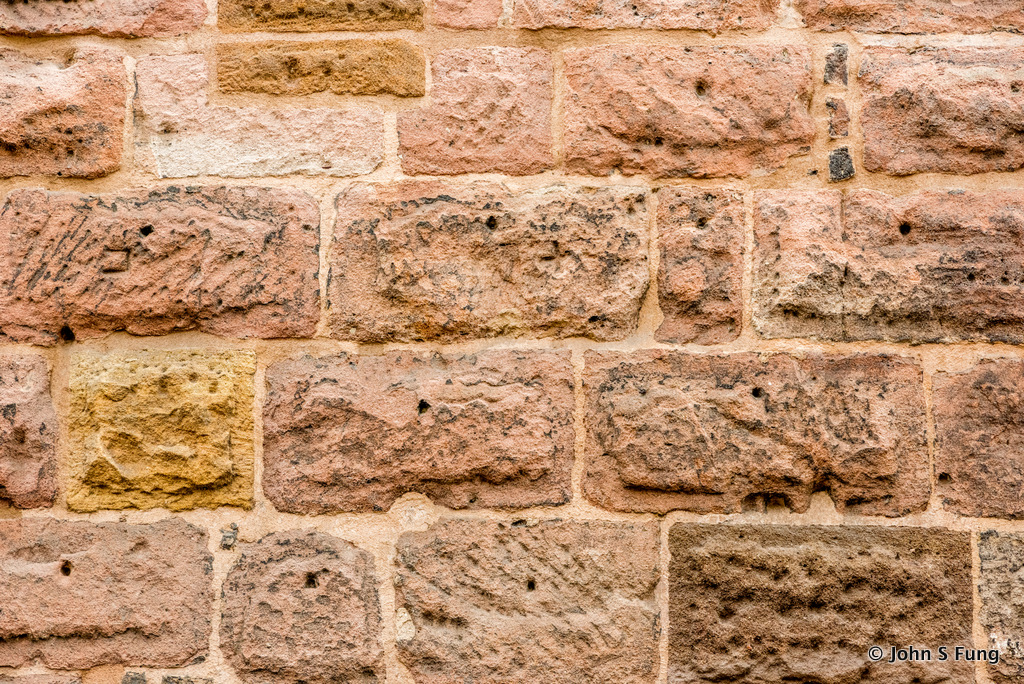
上面兩圖,清晰可見舊的石牆,特別的是每一塊石中間都有一小圓洞。
This is part of the medieval wall of the castle.
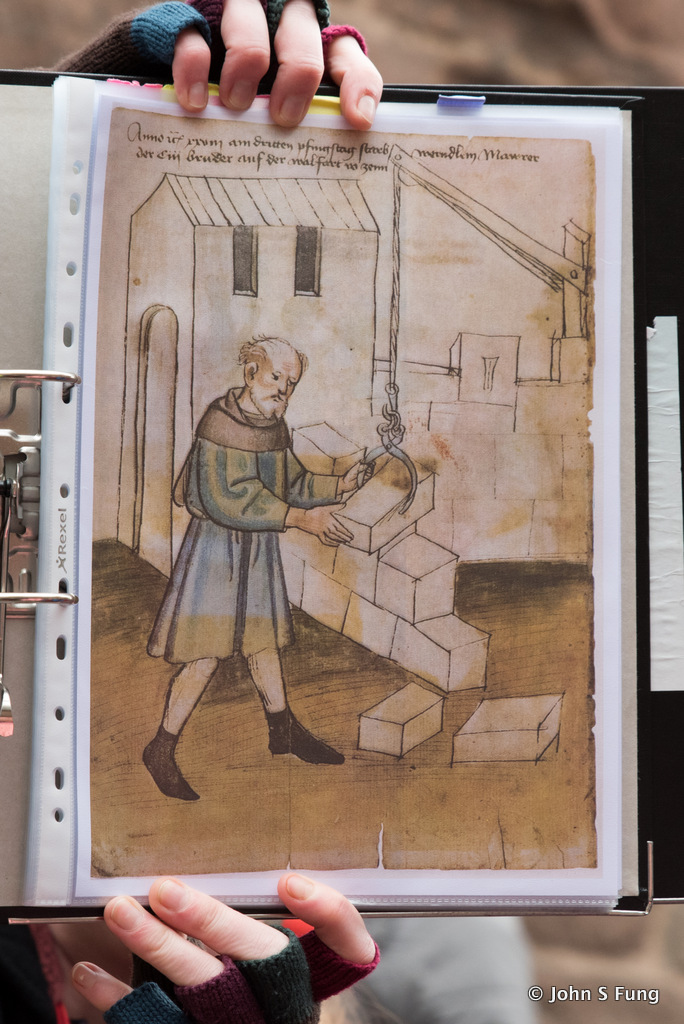
導遊讓我們看了一張示意圖,小洞的作用就明白了。我對古代匠人的「妙計」特感興趣。
A close look of the stones revealed a hole on each of them. Our guide showed us an illustration which clearly demonstrated the use of the hole.
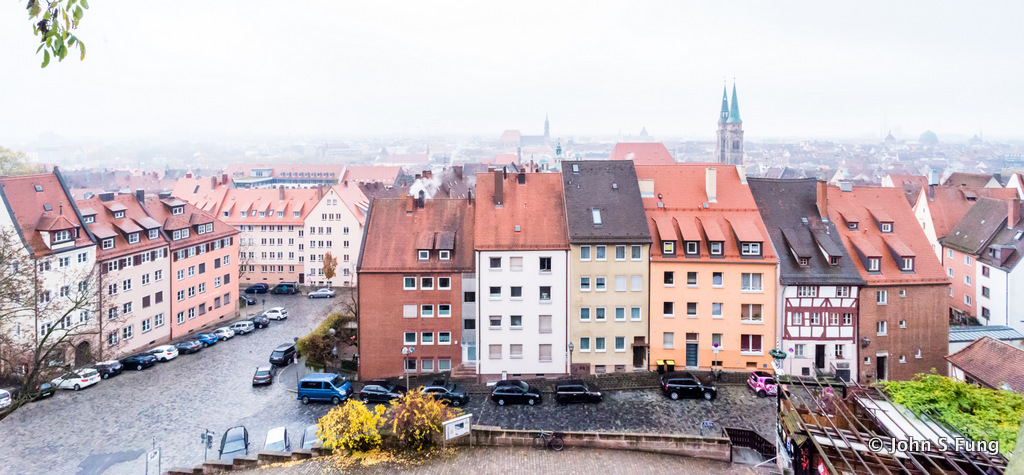
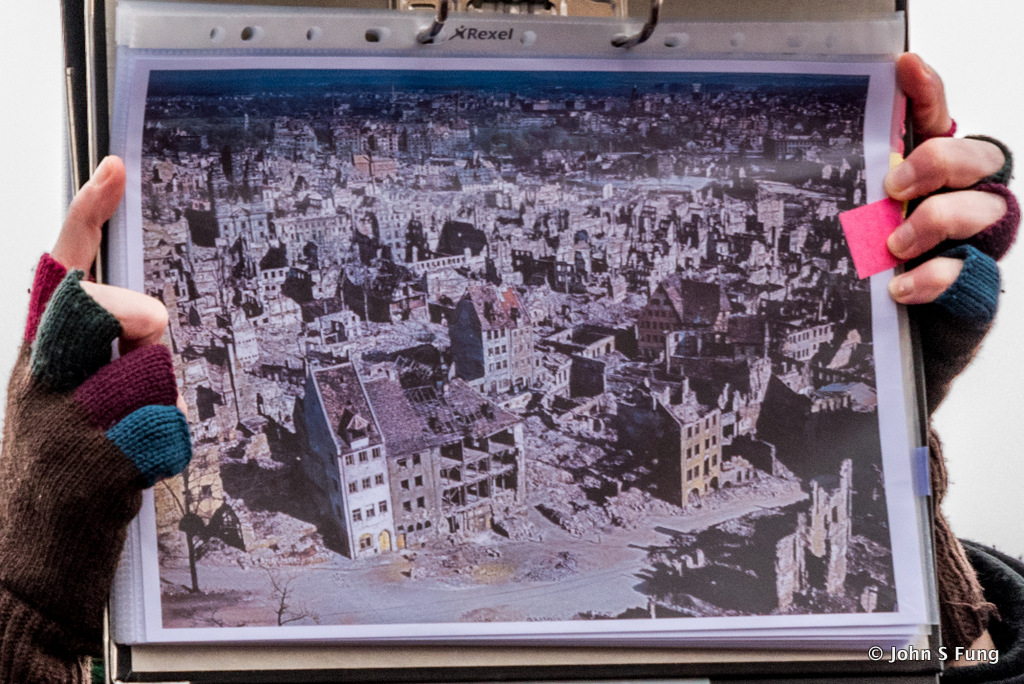
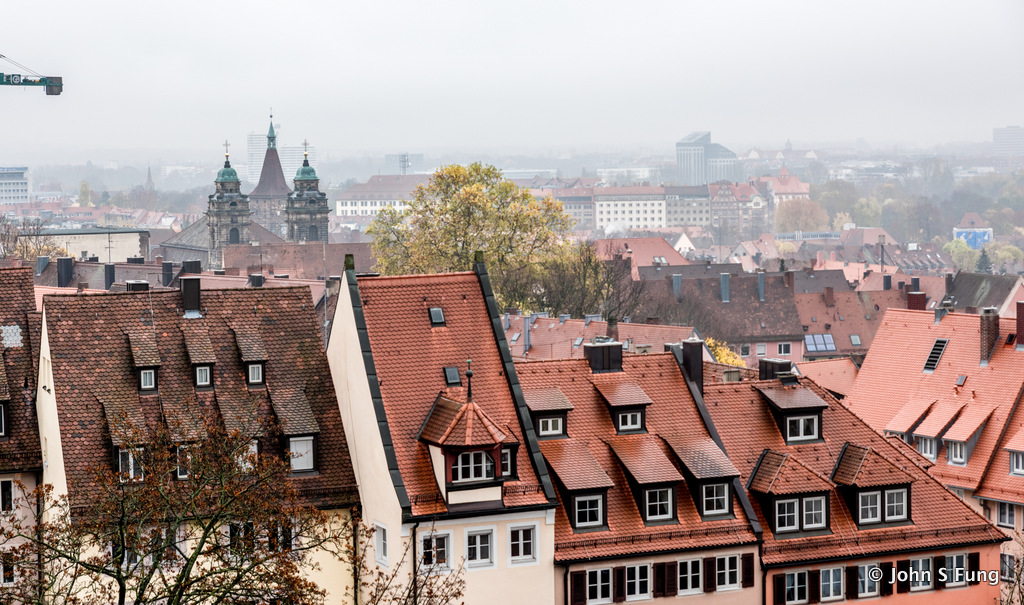
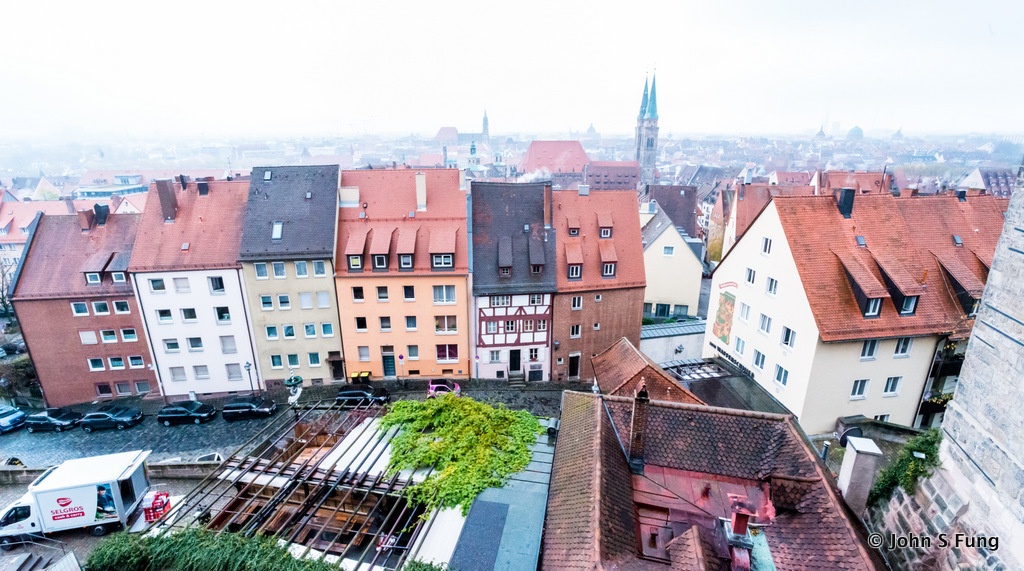
The forecourt offered an excellent panoramic view of the city, however, as shown in the picture below, the city suffered extensive damages from air raids during WW2….
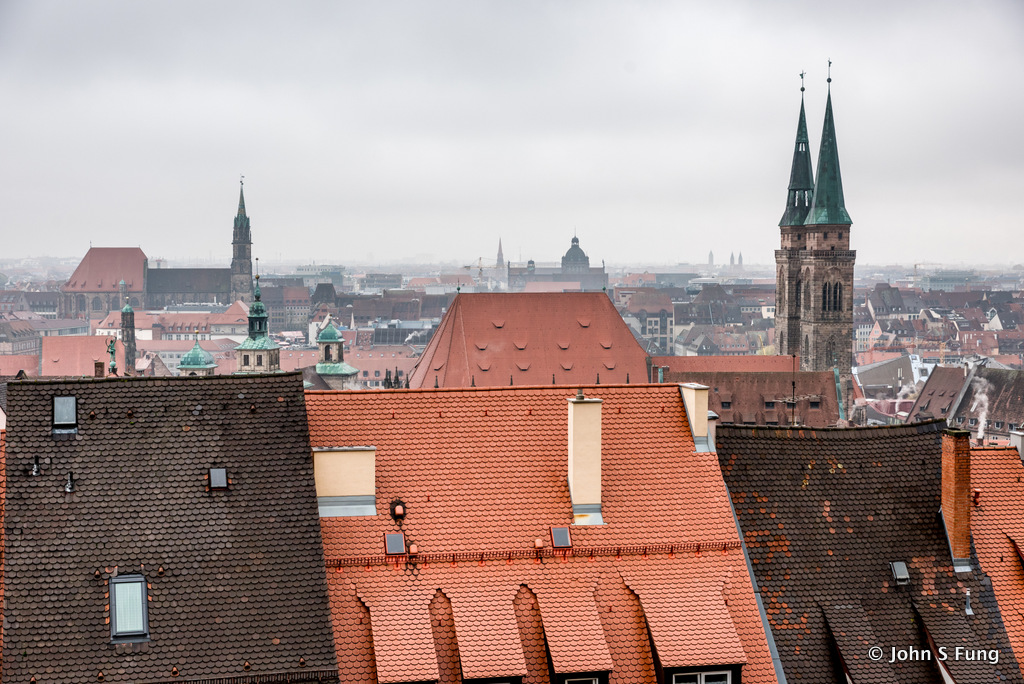
….apparently, folks in Nuremberg have been doing a good job in re-building and restoring the city. The spires of St. Lawrence Church (left), St. Salbad Church (right)
右邊的尖塔就是聖Salbad 教堂,而左邊遠處的應該是聖Lorenz教堂。
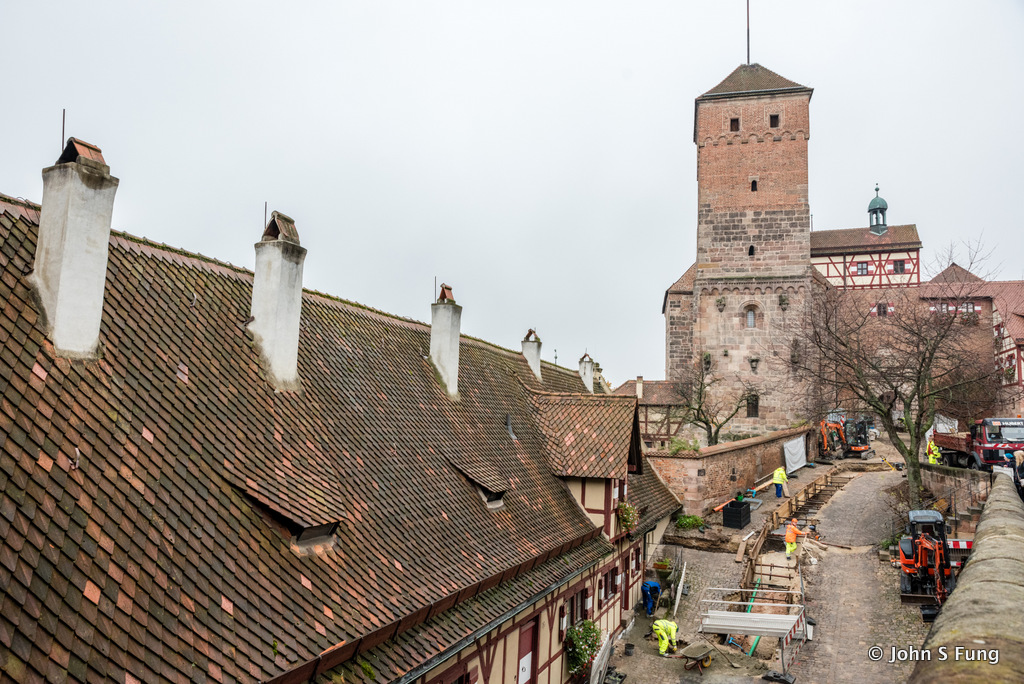
Inside the court of Imperial Castle.
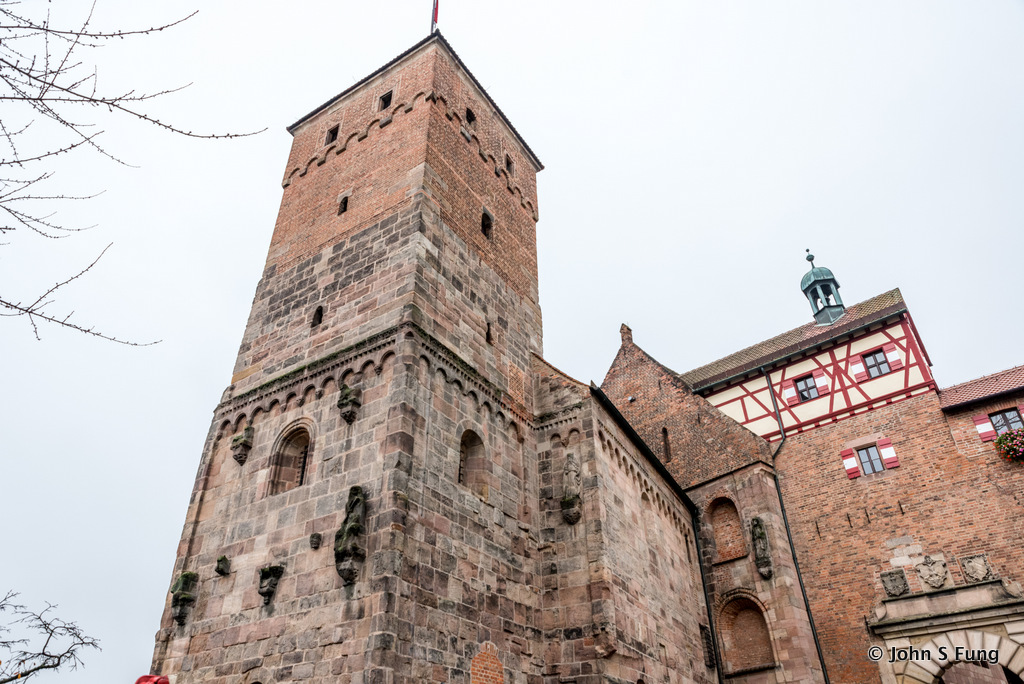
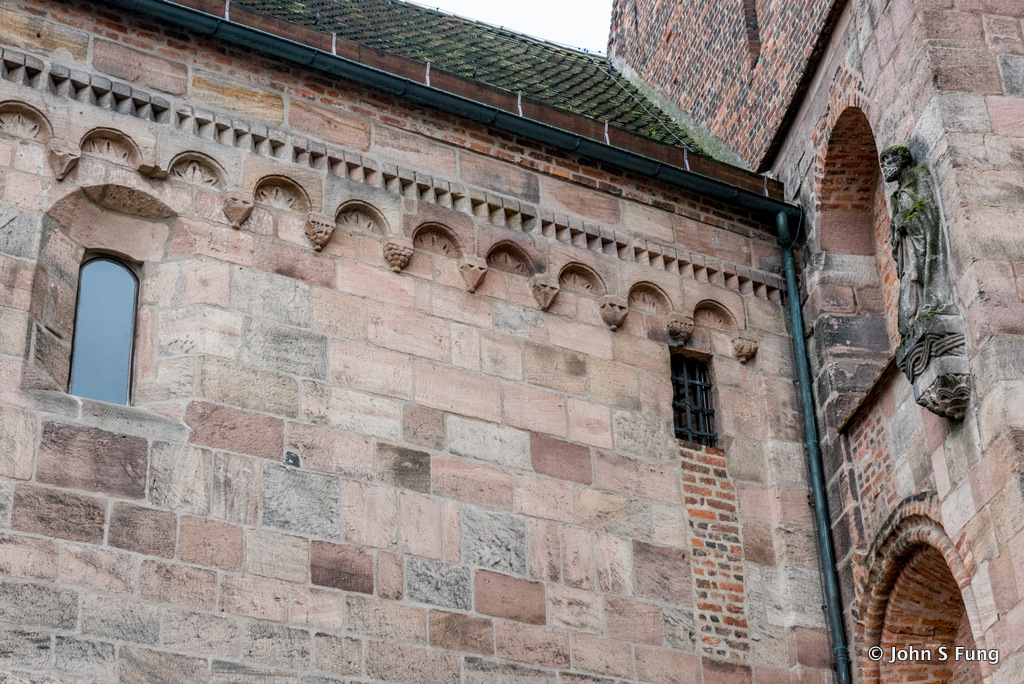
The courtyard with Heidenturm (Heathens’ Tower), Kaiserkapelle (Imperial Chapel, roof with an orb).
The square tower is known as the Heathen’s tower, it got this nickname in the 1500s, before a visit by a very important VIP, Emperor Charles V , he was the Holy Roman Emperor and Archduke of Austria from 1519, King of Spain from 1516, folks in the Imperial Castle had to clean out all the sculptures, paintings containing heather elements.
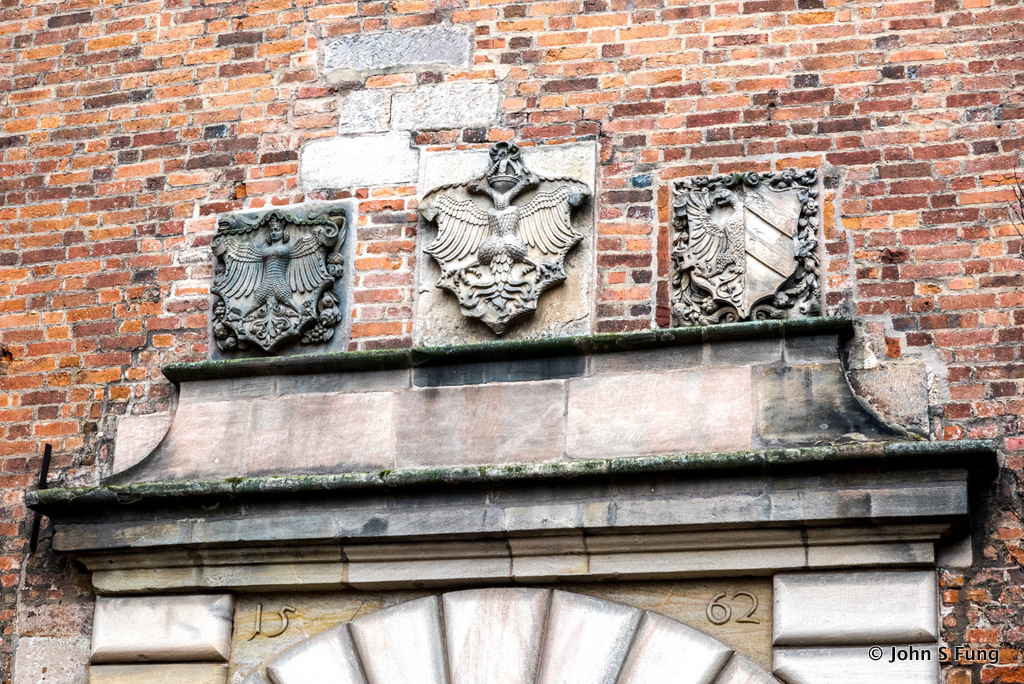
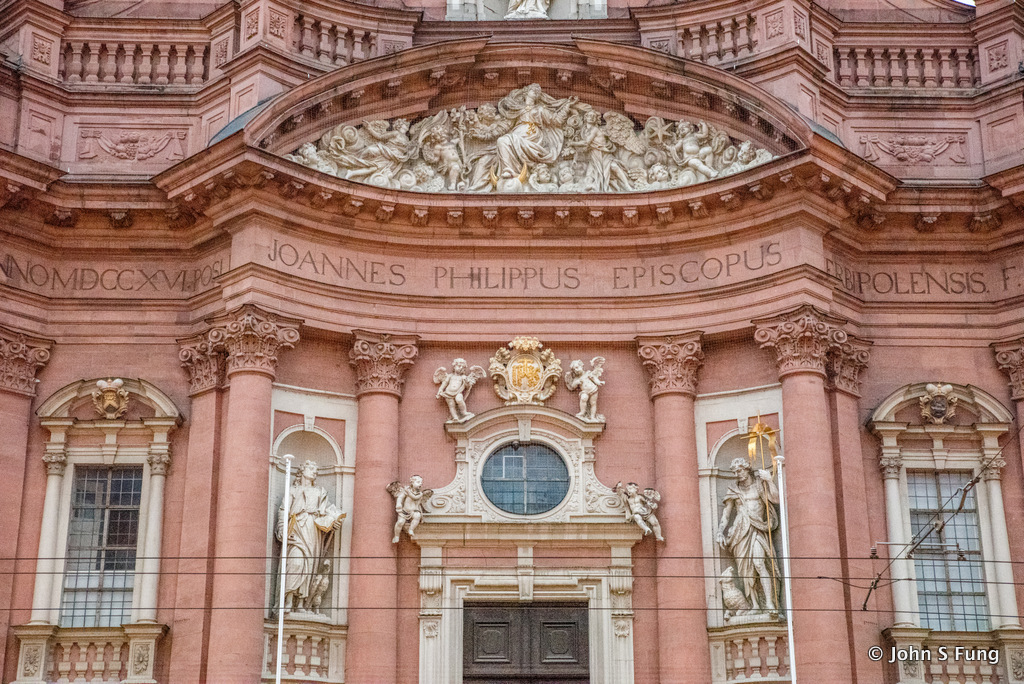
進入皇家禮拜堂門上的徽章,非常精美。
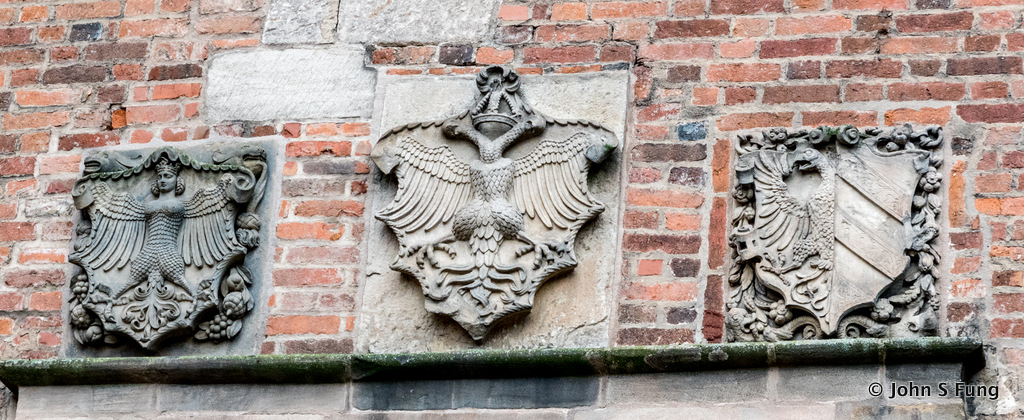
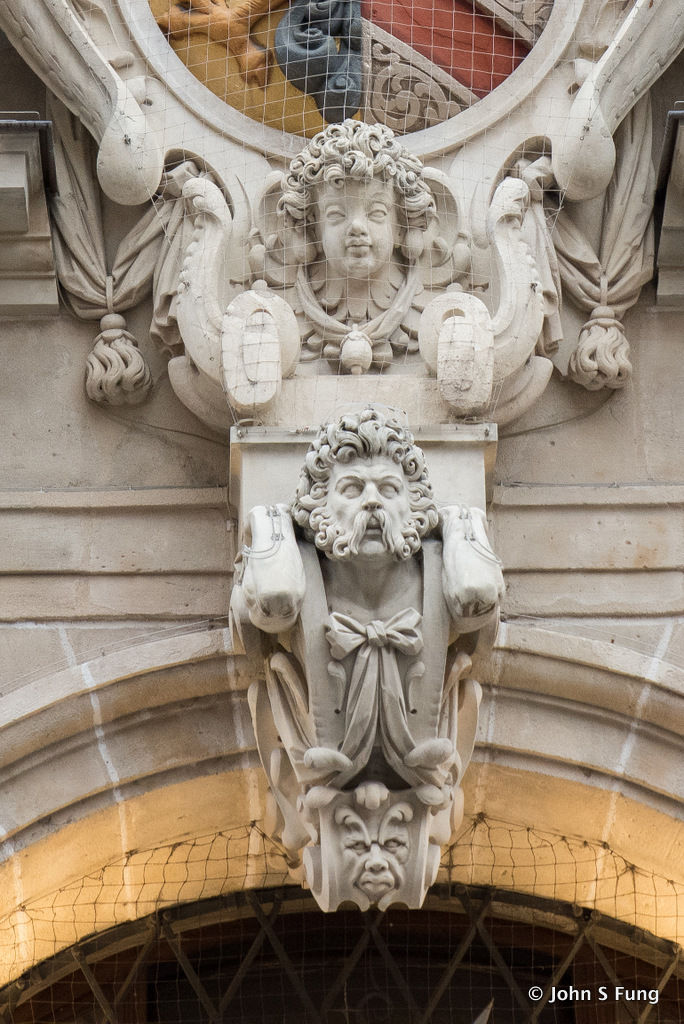
The carvings on the top of the gate to the Kaiserkapelle (Imperial Chapel) caught my eyes.
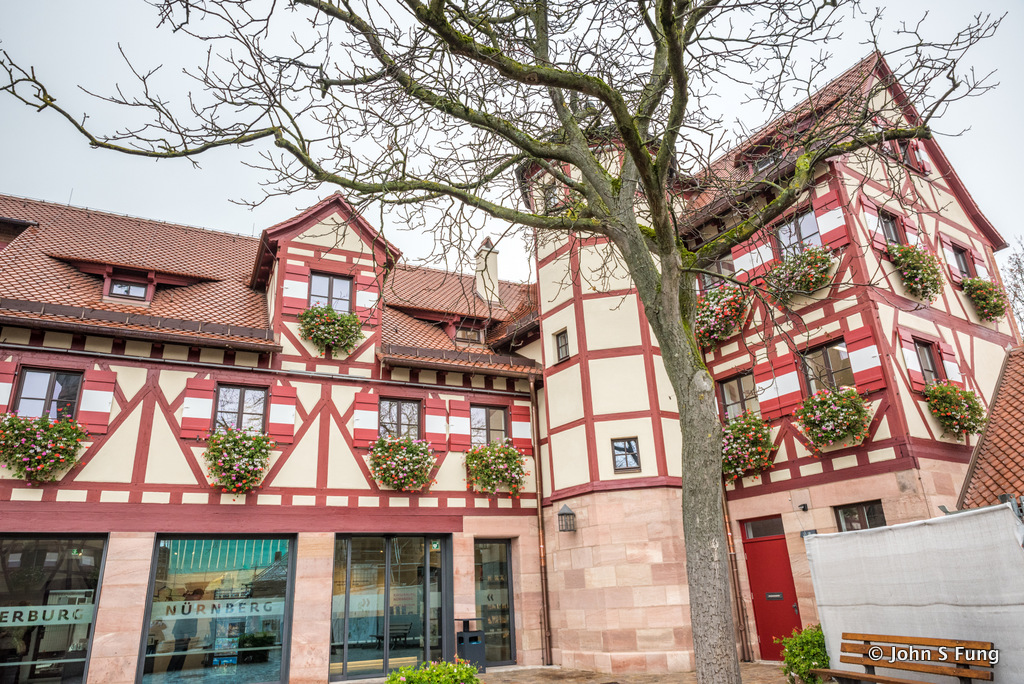
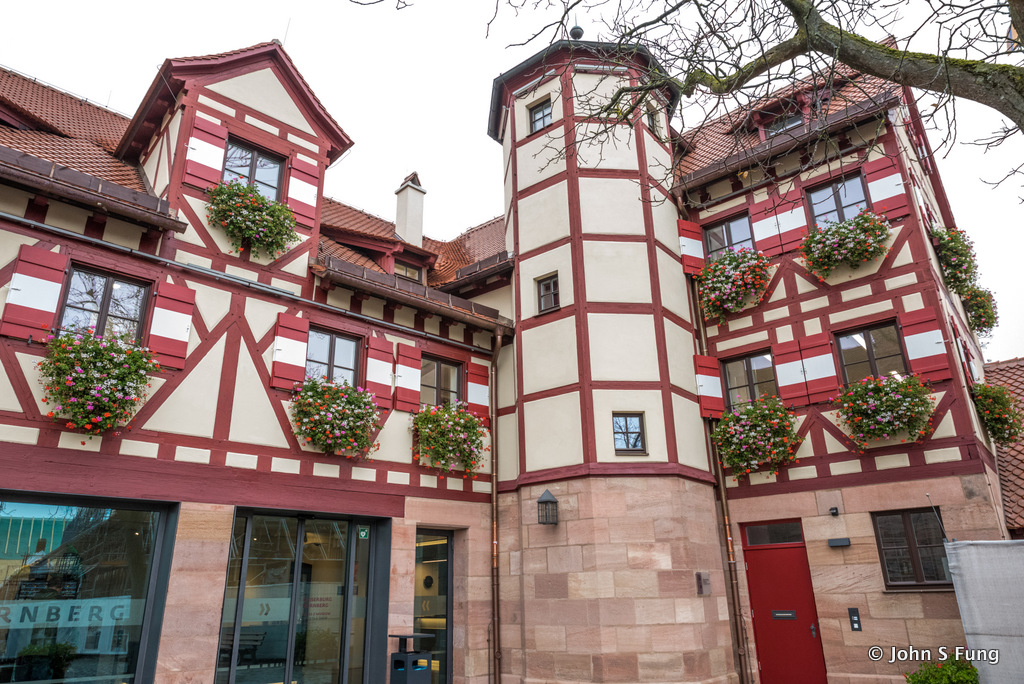
新修復的 Castellan’s House, 即原來城堡監督之宅第。
The newly renovated/restored Castellan’s House has apartments, a shop and ticket office.
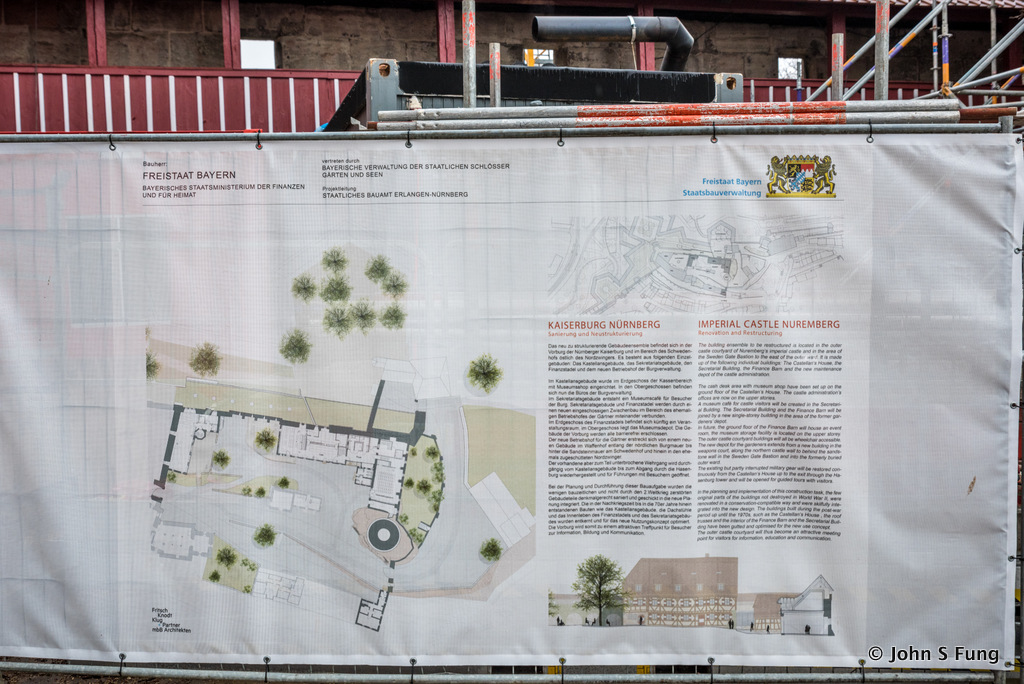
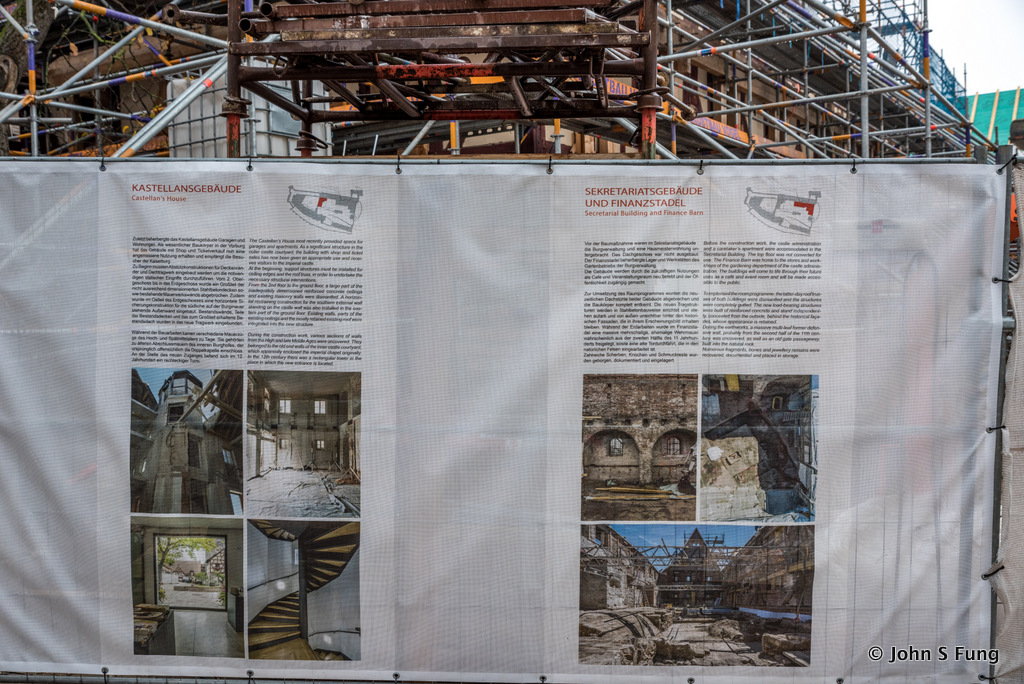
城監宅第旁的秘書處建築正進行修復式重建。
Next to the Castellan’s House, the Secretarial Building and Finance Barn, building in front of the Castellan’s House, are under restoration and renovation.
回望城門側的圓塔,前面屋子內有深井,是堡內唯一的水源。
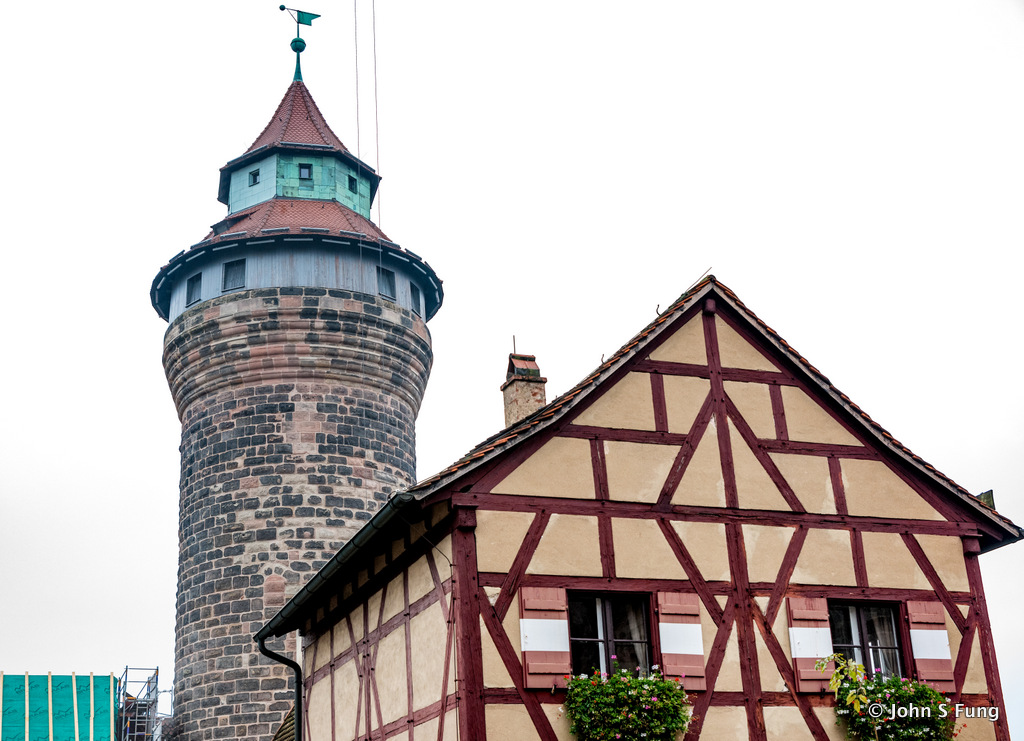
Tiefer Brunnen, (Deep well, building with gable roof, the only water source in the castle in medieval time) and Sinwellturm (Sinwell Tower).
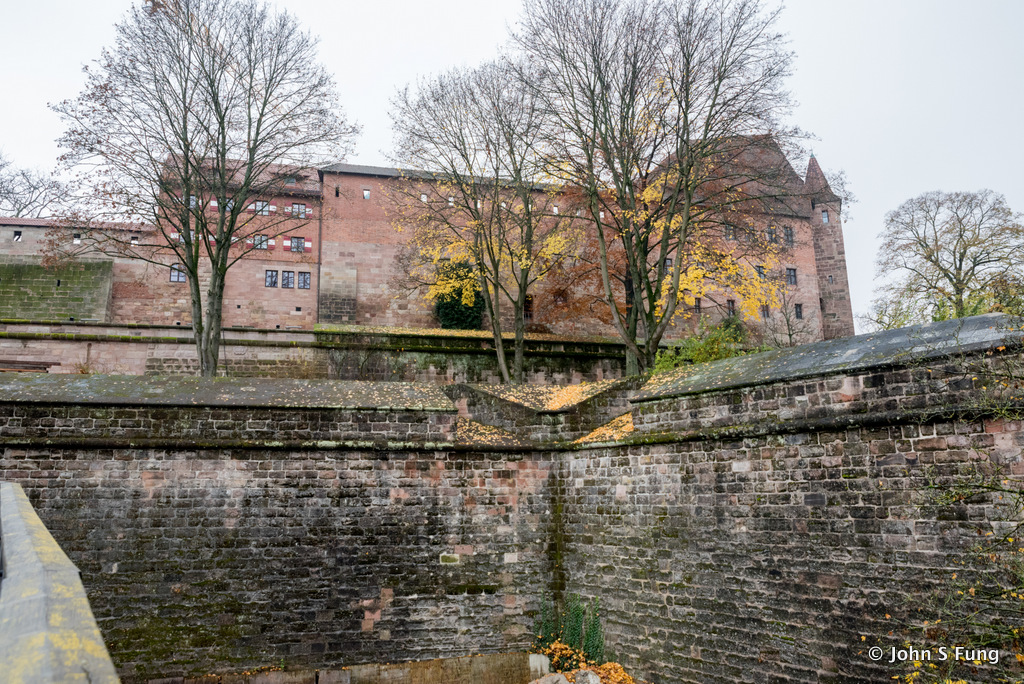
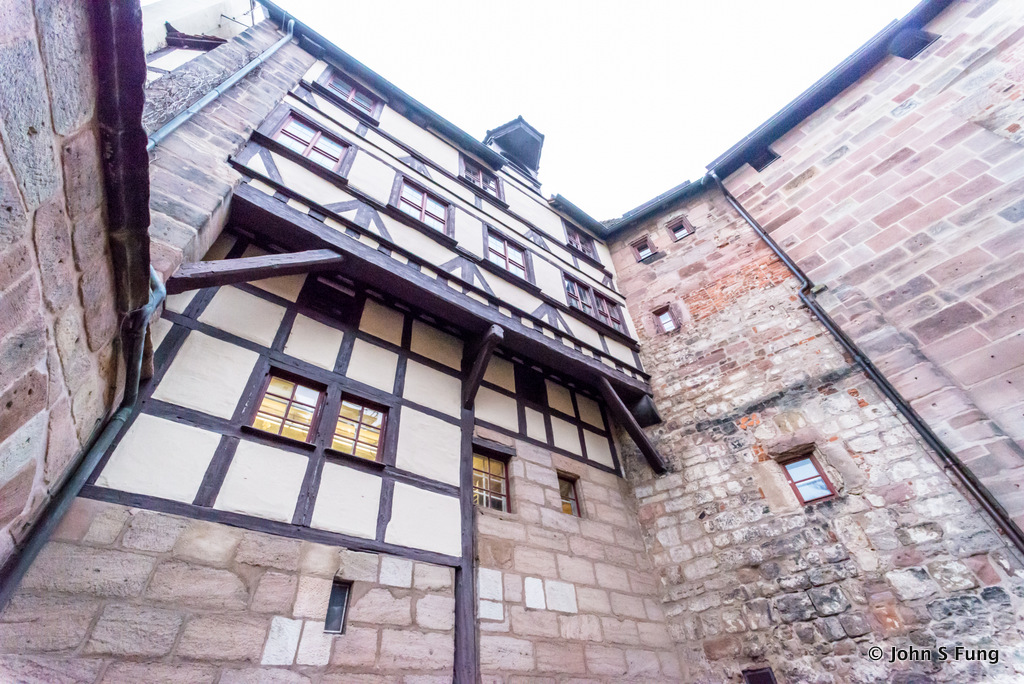
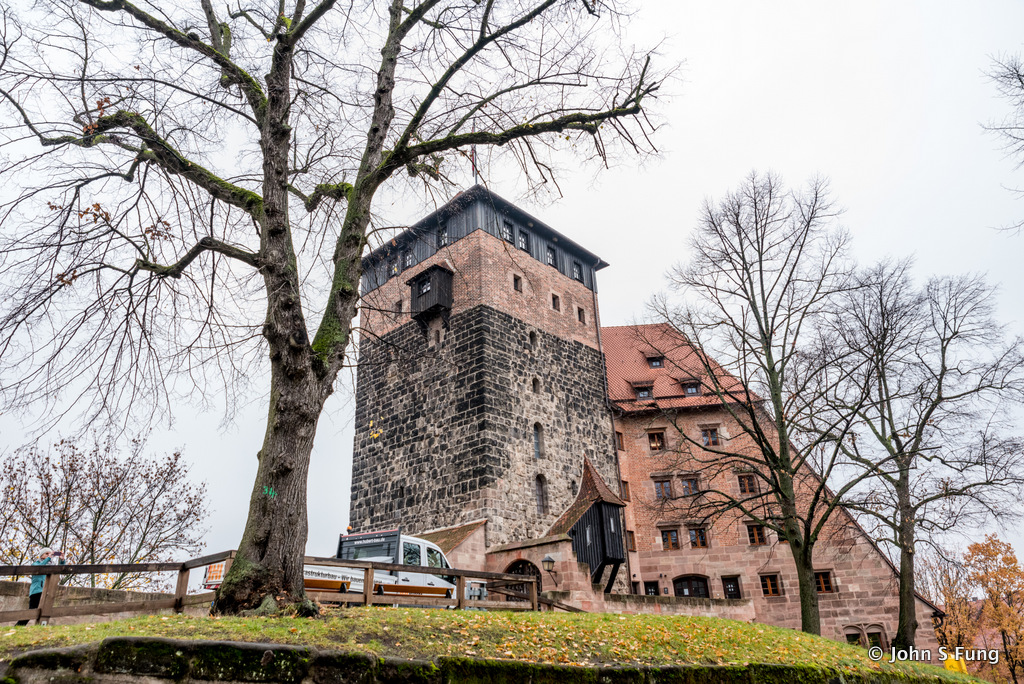
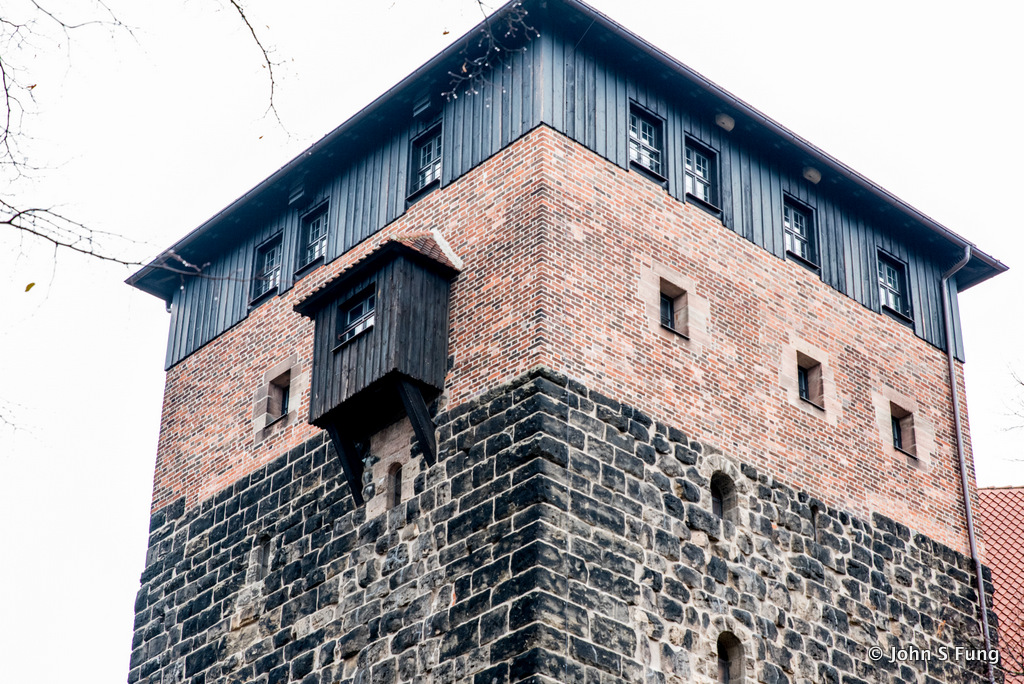
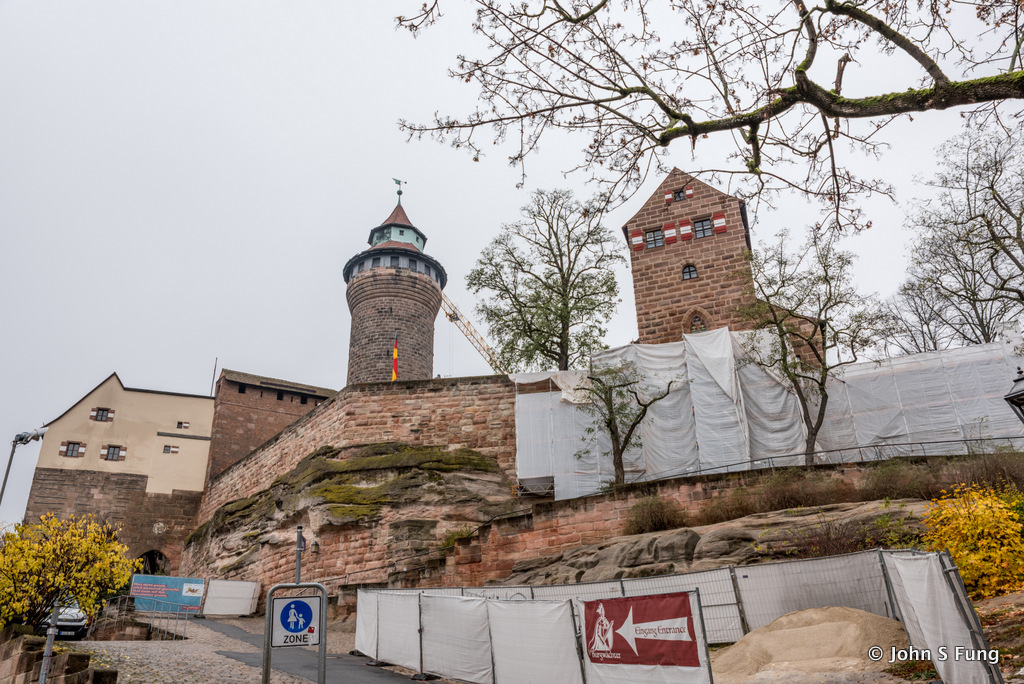
We began our descend on foot to the old town. This is another building which I believe is part of the Imperial Castle.
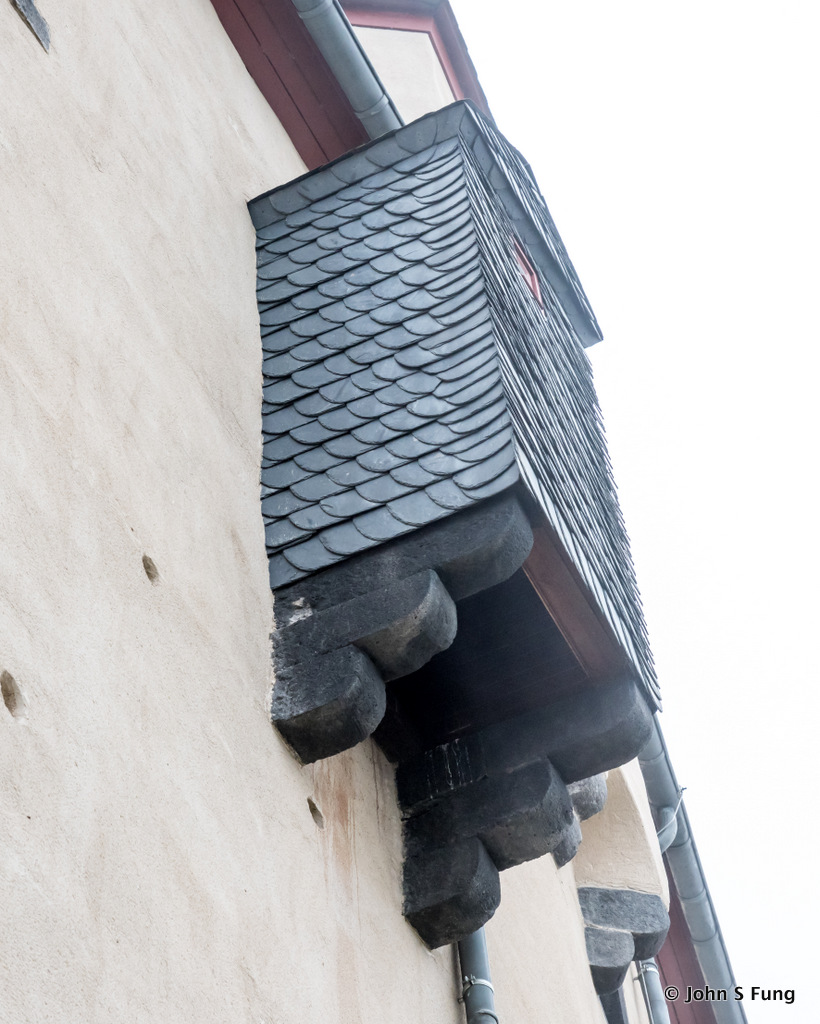
This wooden extension from the tower reminded me of the toilet hanging on the outer wall of Marksburg Castle we had visited a few days earlier.
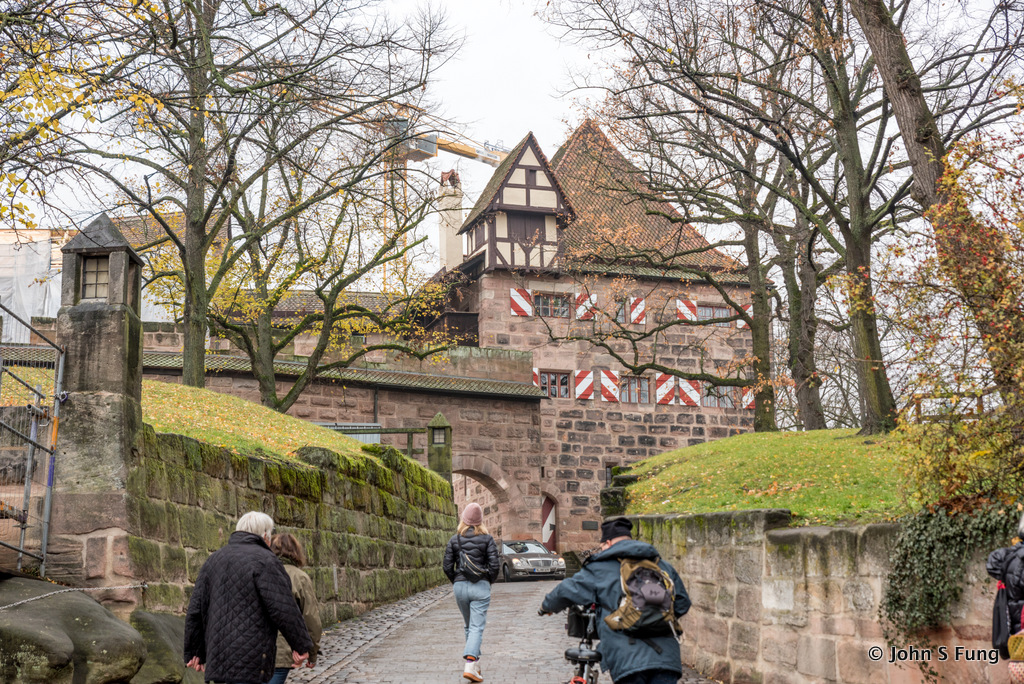
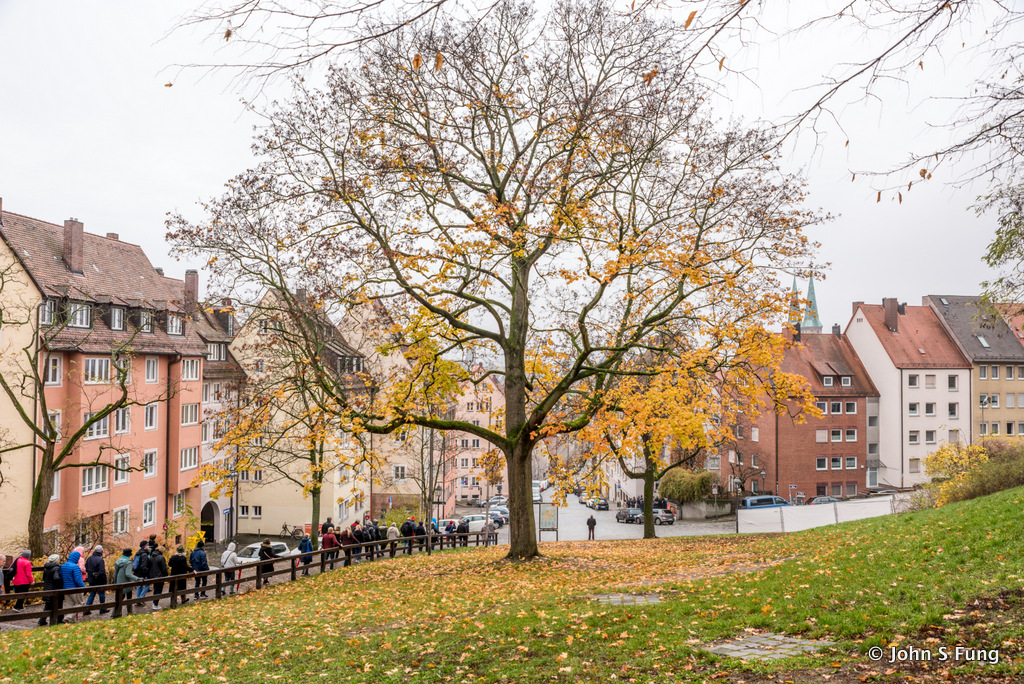
不一會,我們來到堡街,沿著街道走,就會到聖母教堂前的廣場。
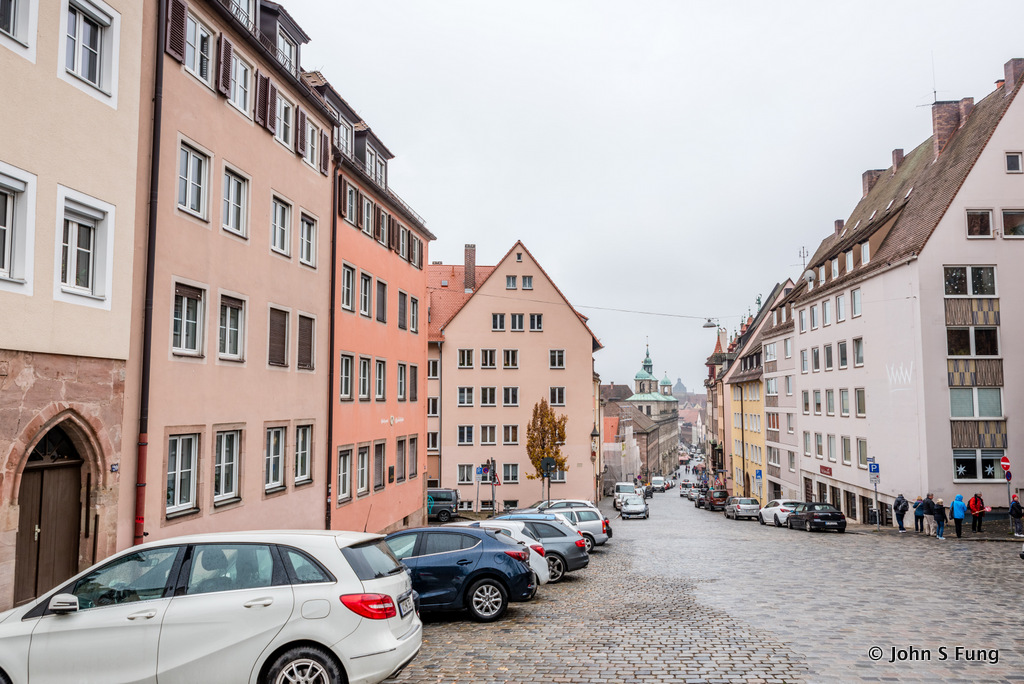
Descending to the Burgstraße street that led us to the old market place.
Looking back up to the Sinwellturm (Sinwell Tower). The Imperial Castle also suffered extensive damage from air raids during WW2, it took them 30 years to have it rebuilt and restored to the state it is today, and restoration and renovation are on going even at the time of our visit.
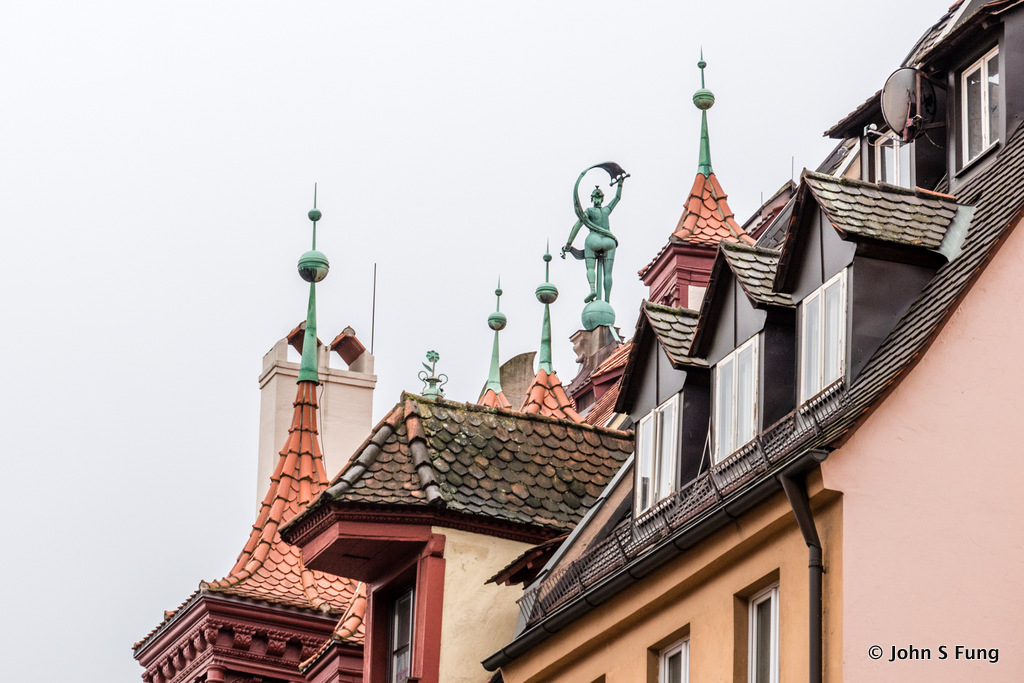
上圖是市博物館屋頂上的建築元索。
Architectural elements on top of the Fembohaus, City Museum at Fembo House.
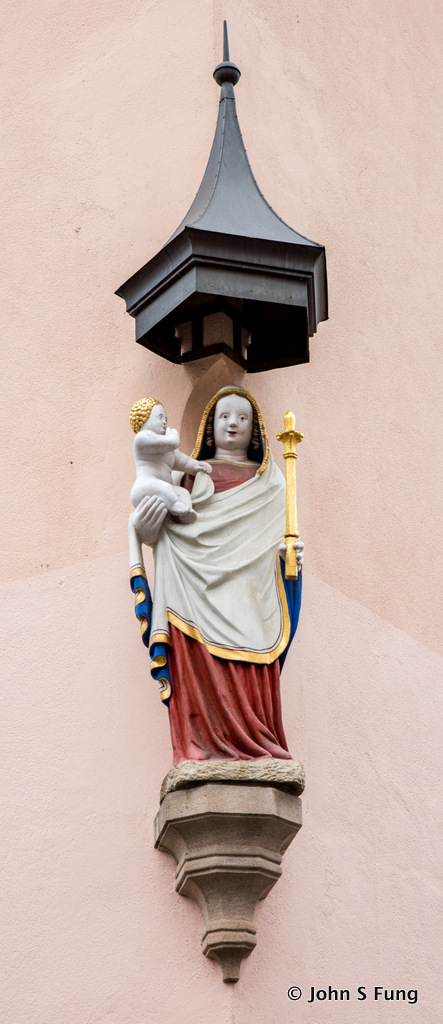
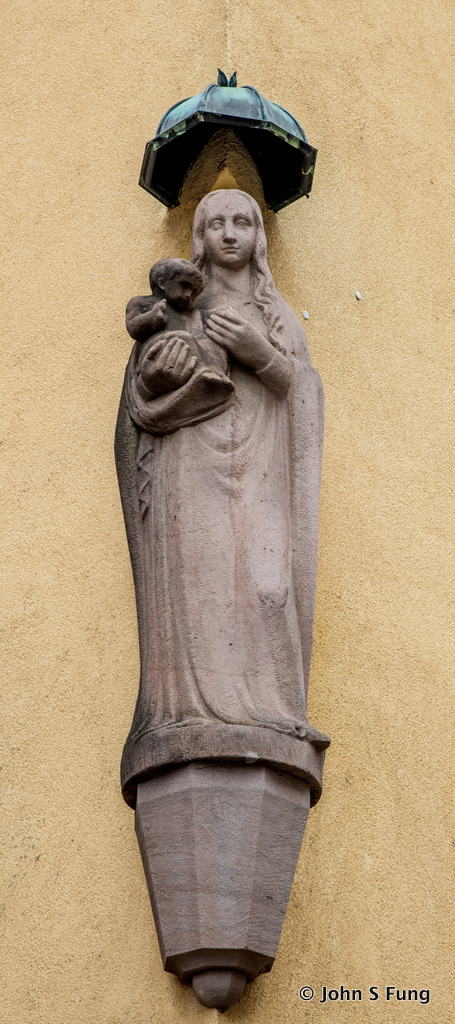
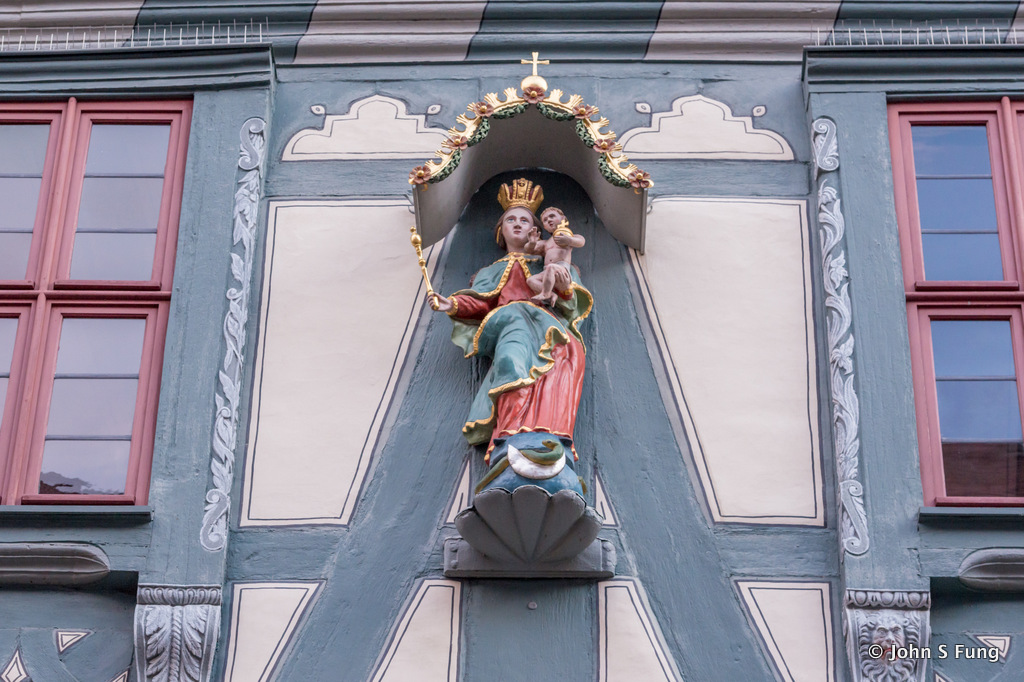
在街角上的聖母像。
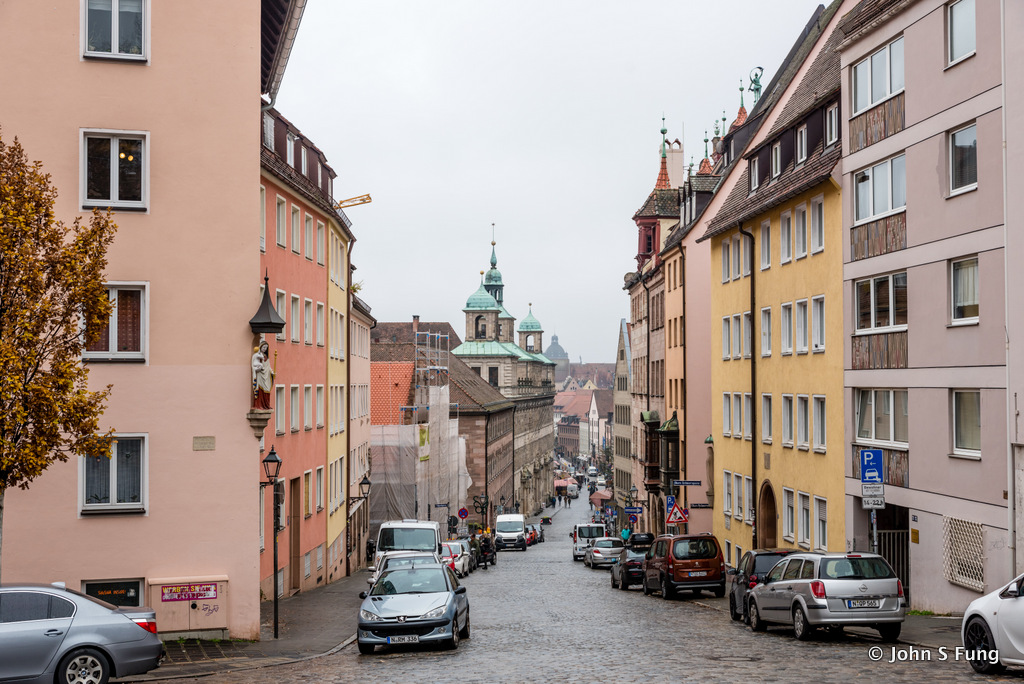
Statues of St, Mary at the corner of houses,
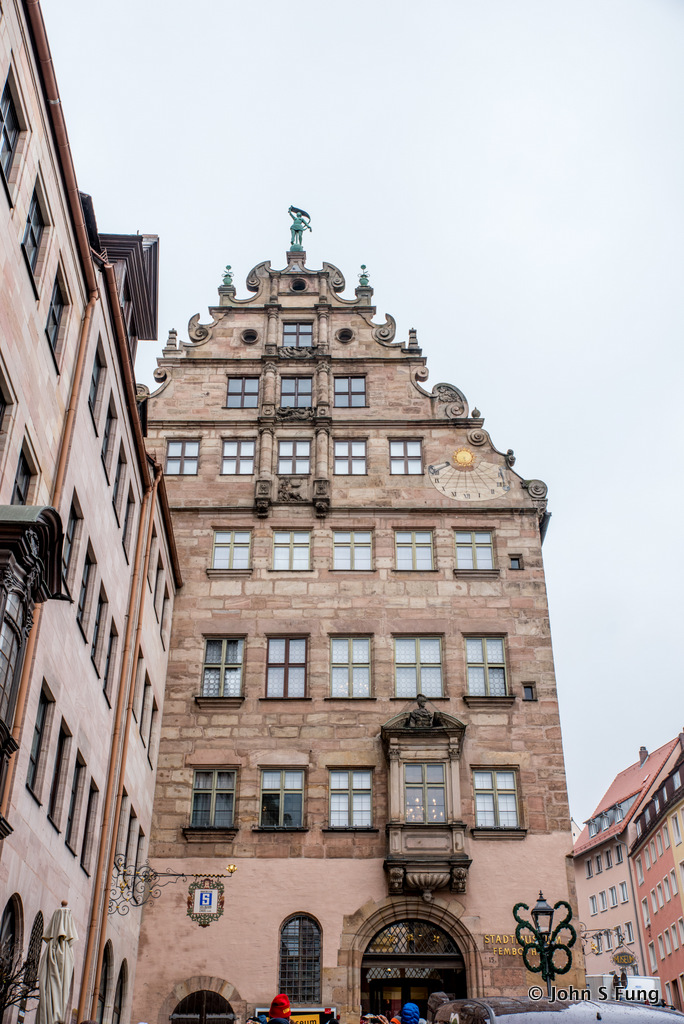
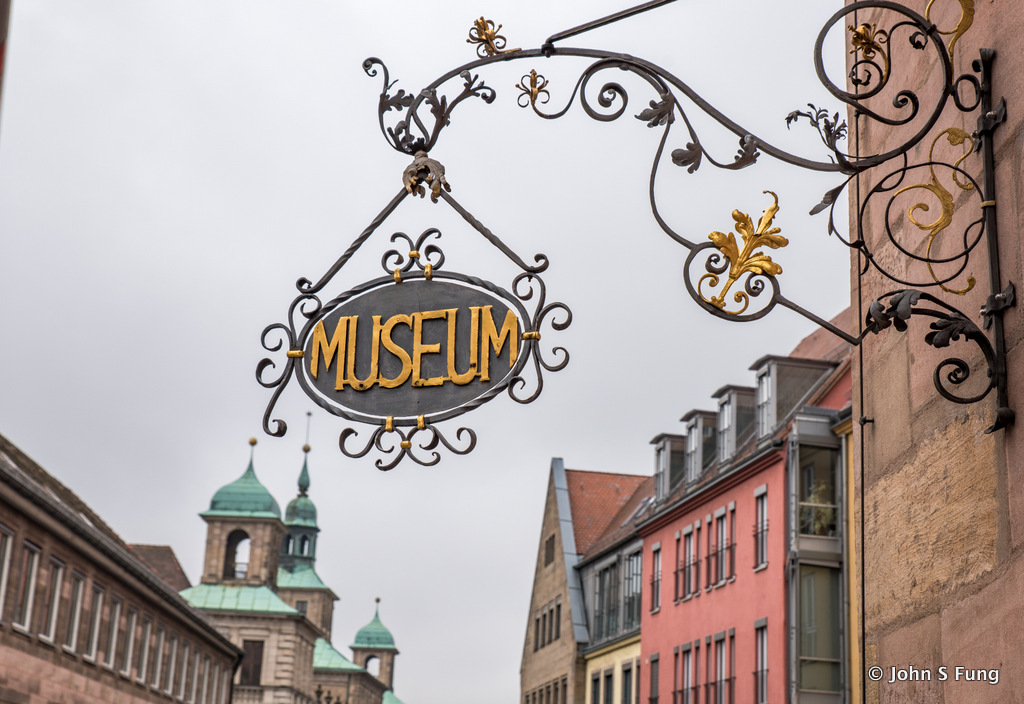
這是以前城中富商大宅,說是唯一幸存的後期文藝復興式的建築。現改成紐侖貝格的市博物館,收藏不少瓷器。
Fembohaus, City Museum at Fembo House. Halfway down from the Imperial Castle to the old town, we saw this museum called Fembojhaus, claimed to be the only surviving large Late Renaissance merchant’s house in Nuremberg.
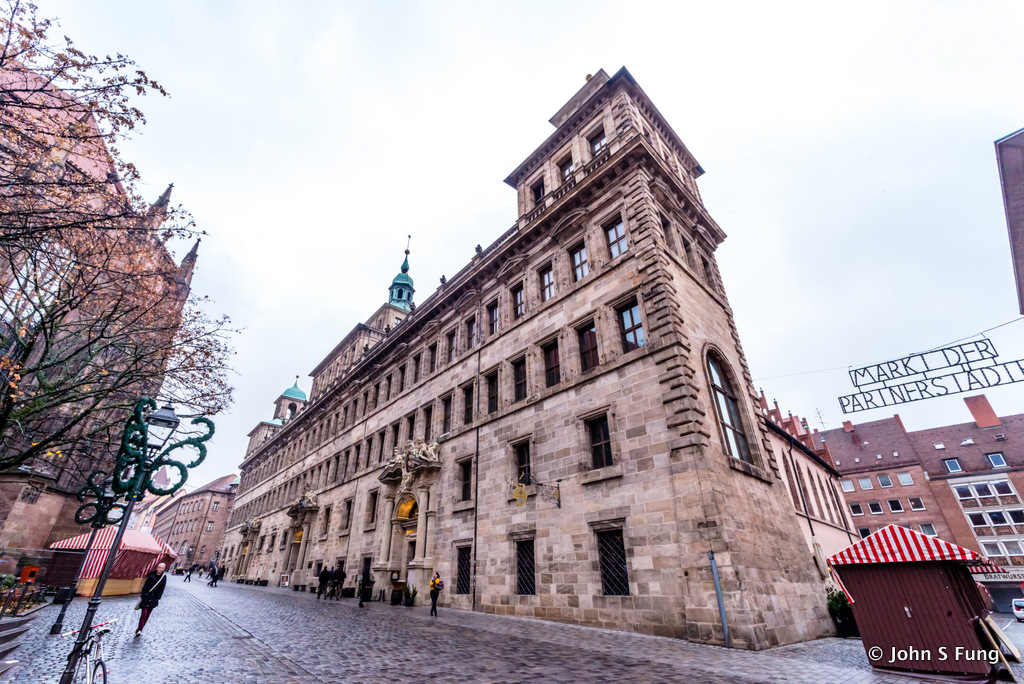
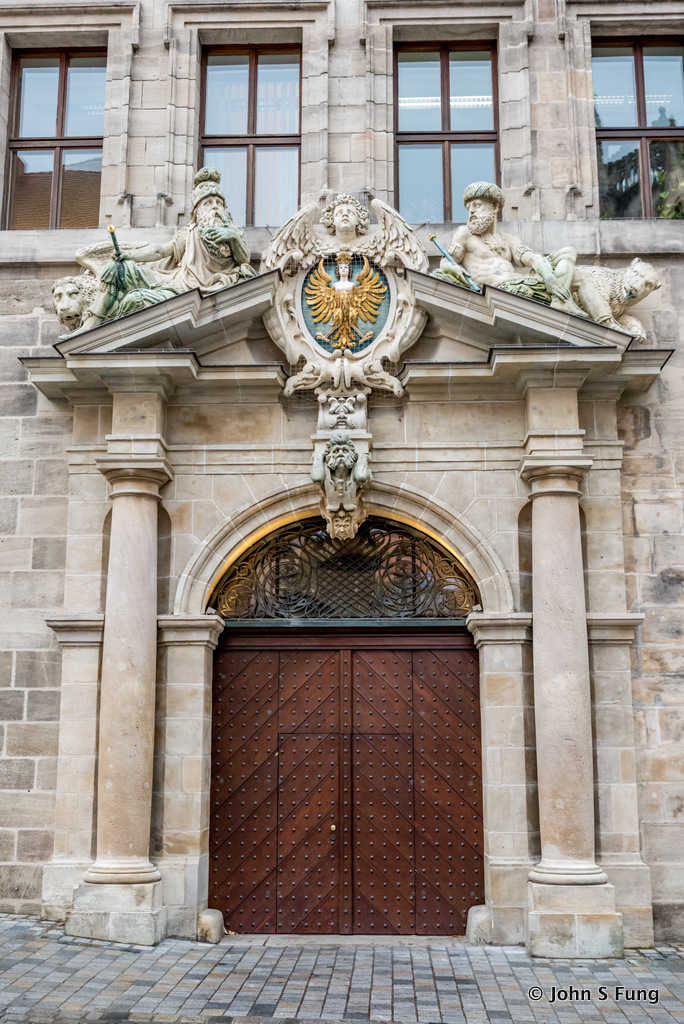
市政廳,原來老市政廳在二次大戰受空襲破壞,此建築是戰後重建的,卻能修舊如舊。
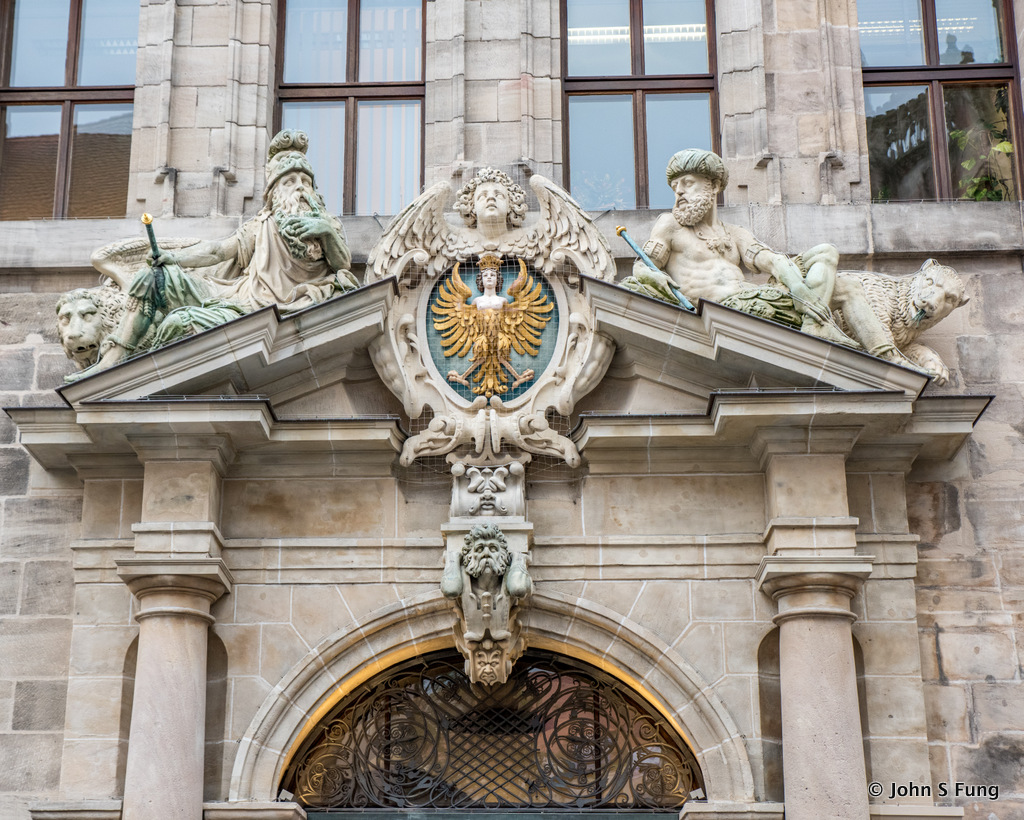
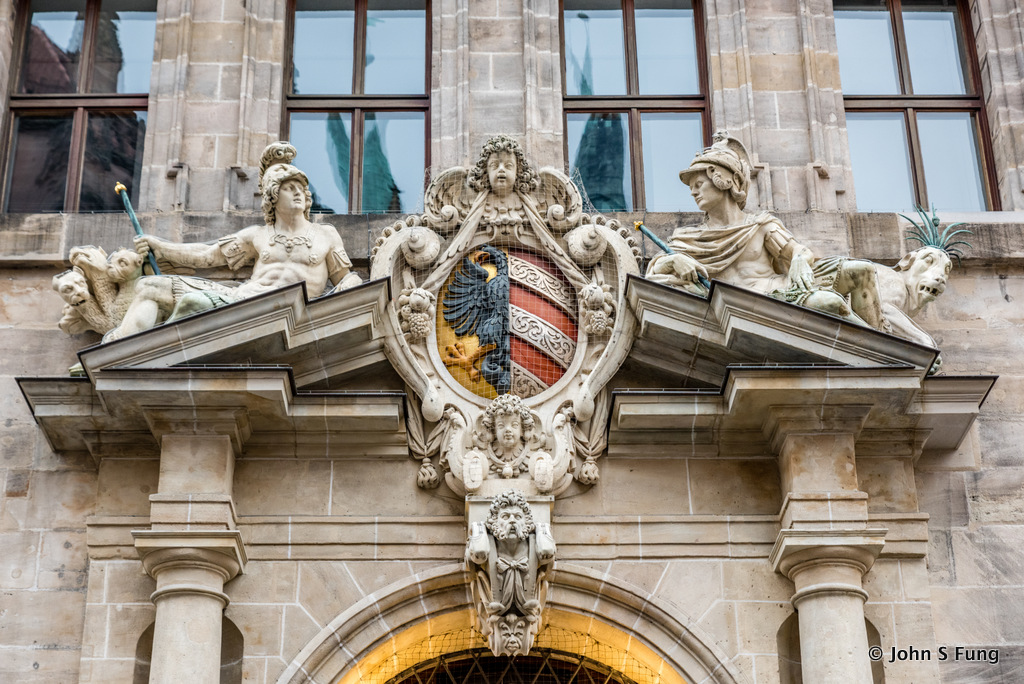
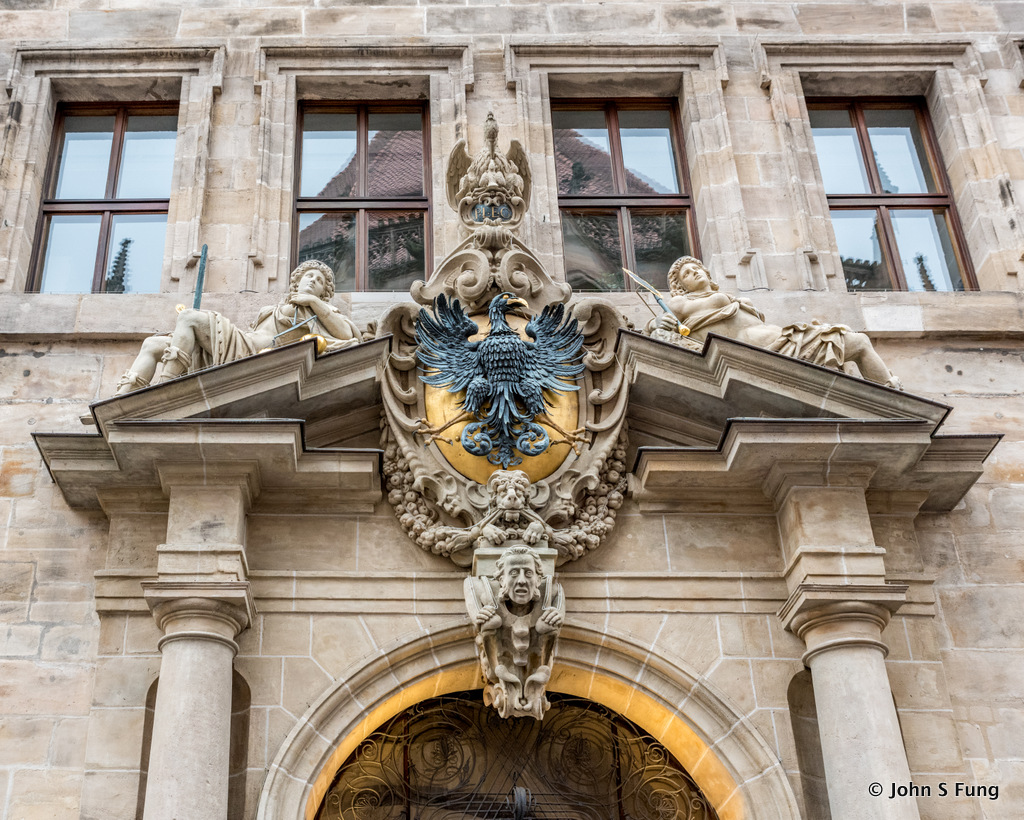
The City Hall of Nuremberg and its beautiful doors. The original city hall was burnt to the ground in 1945. What we see standing here today were re-constructed in the 1950s.
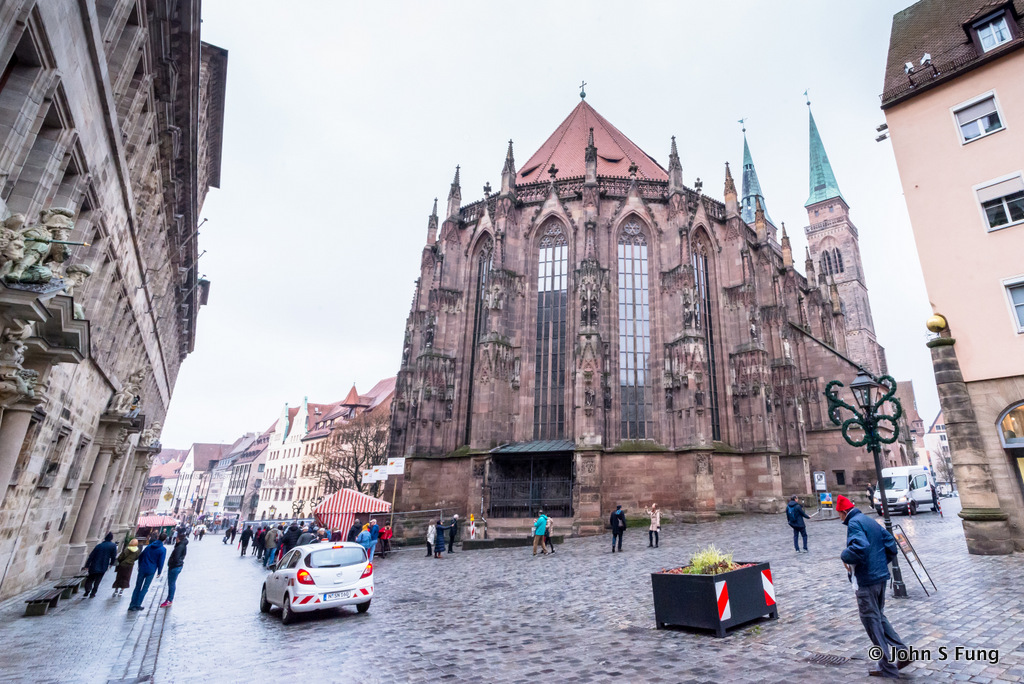
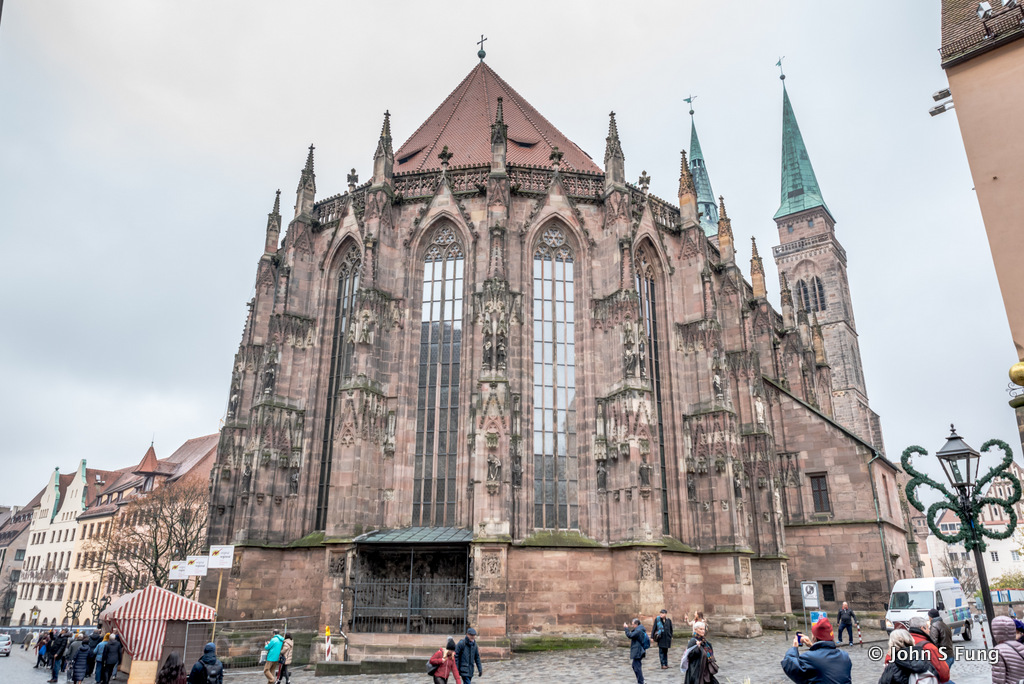
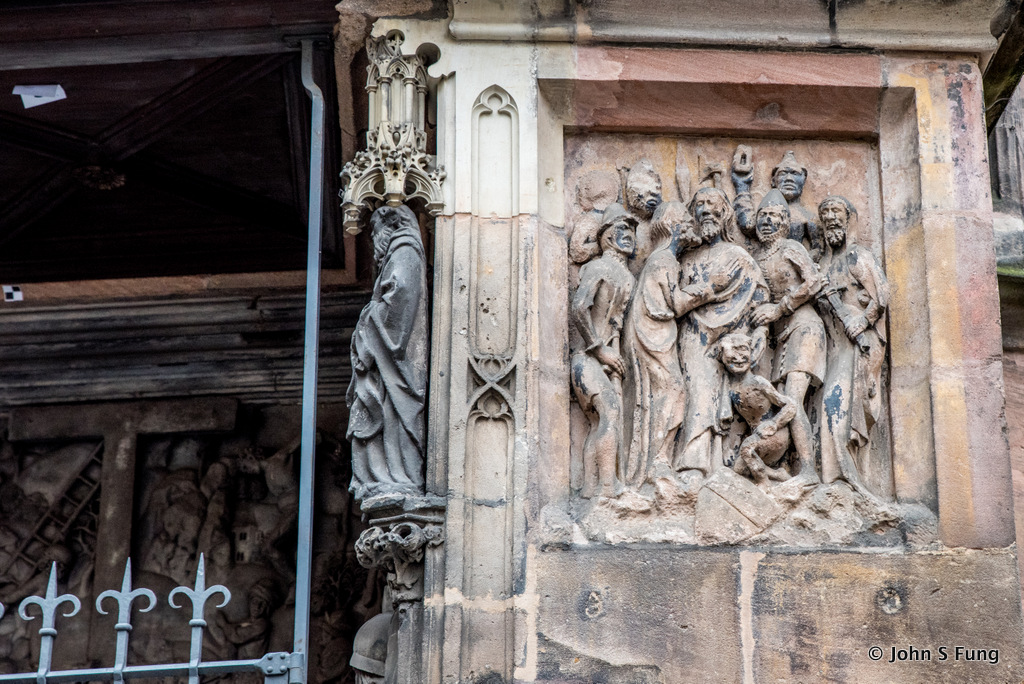
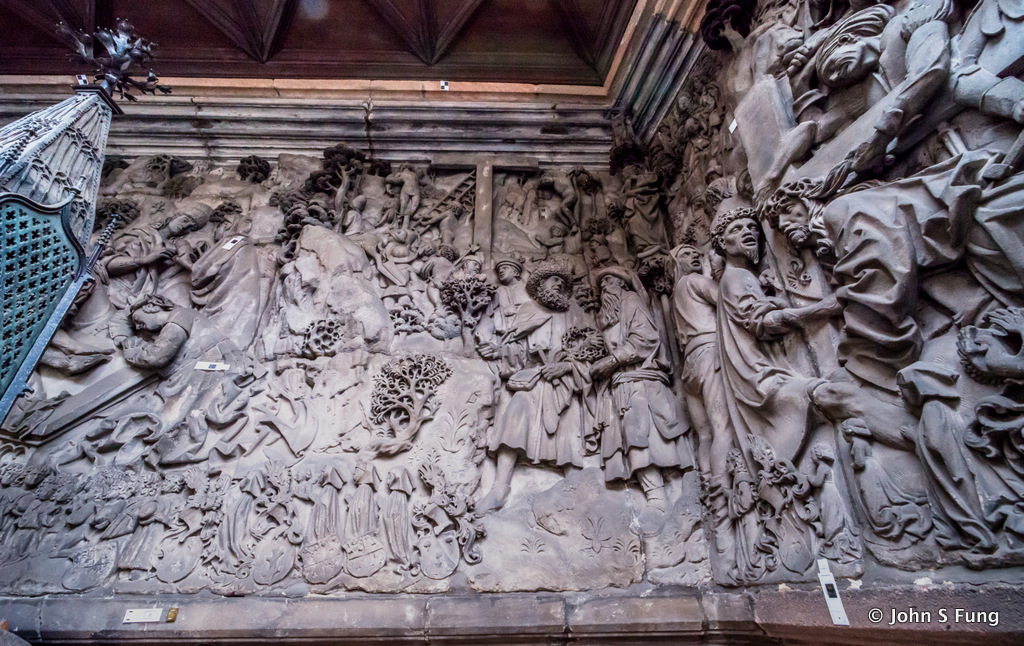
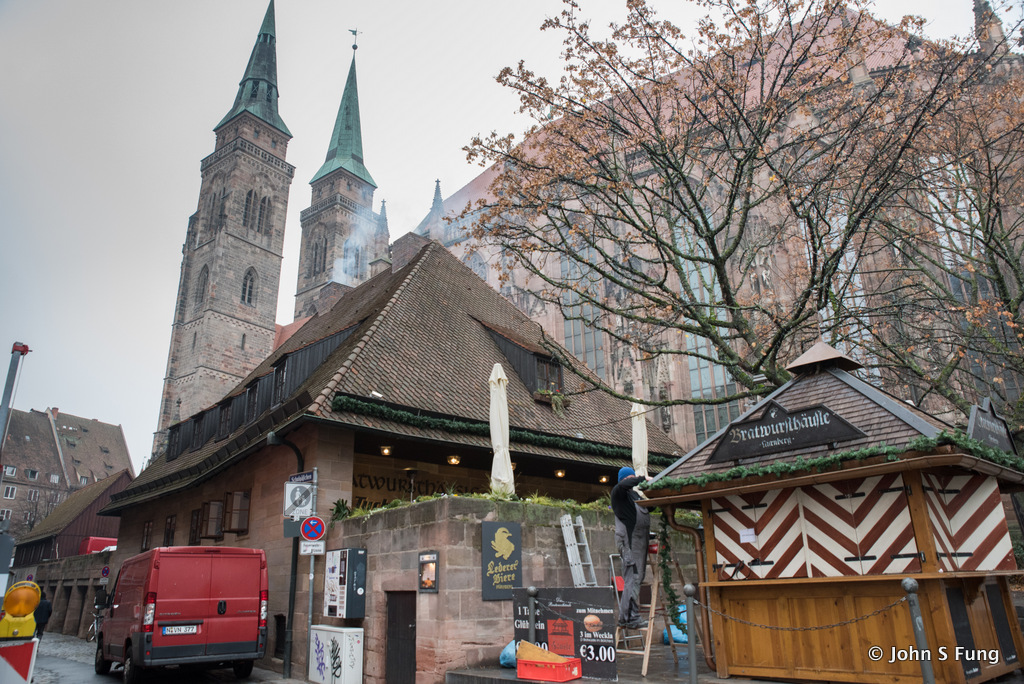
St. Sebaldus Church (Sebalduskirche), built from 1225-73, east facade. Note the Schreyer-Landauer monument at the exterior of the apse of the church, as shown below.
BratwursthäuslebeiSt. Sebald (Roasted Sausage House near St. Sebald) next to St. Sebald Church, said to be the oldest sausage restaurant in the world, we didn’t have chance to sit down and eat, but ordered the original “Nuremberger” (since 1419) to go.
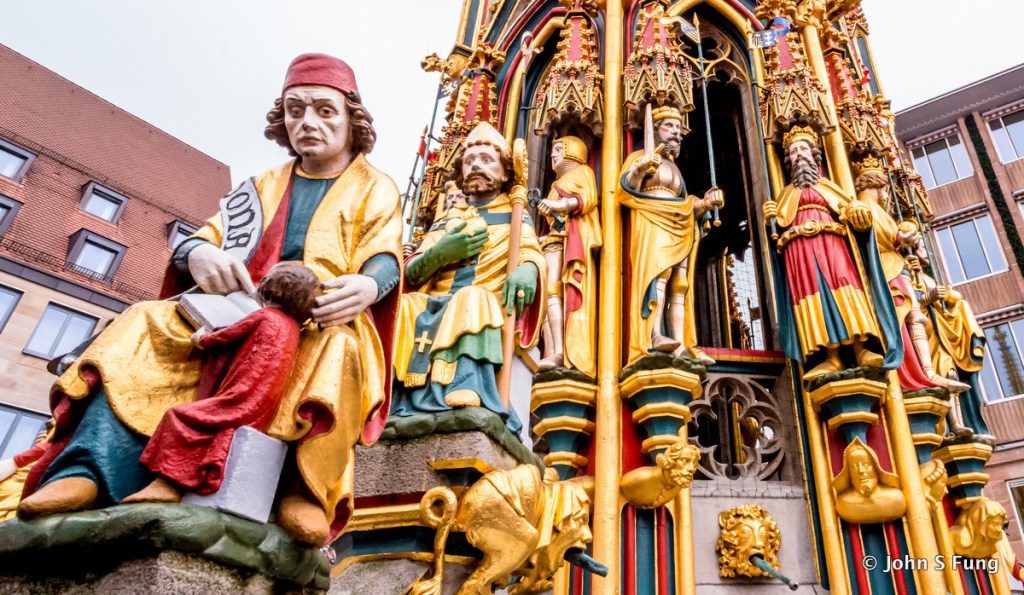
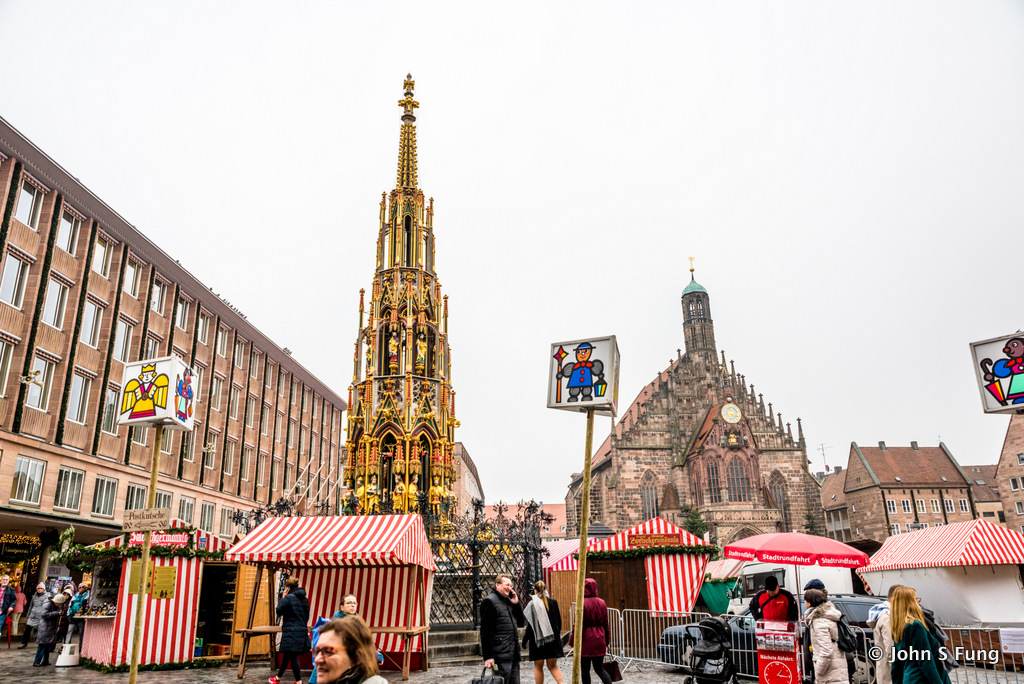
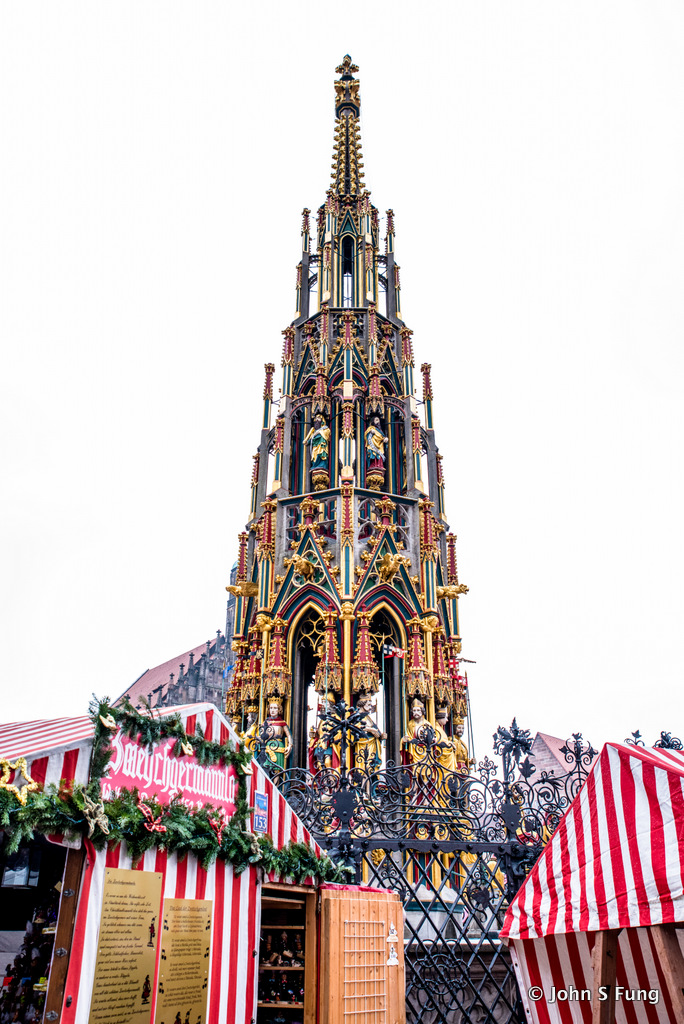
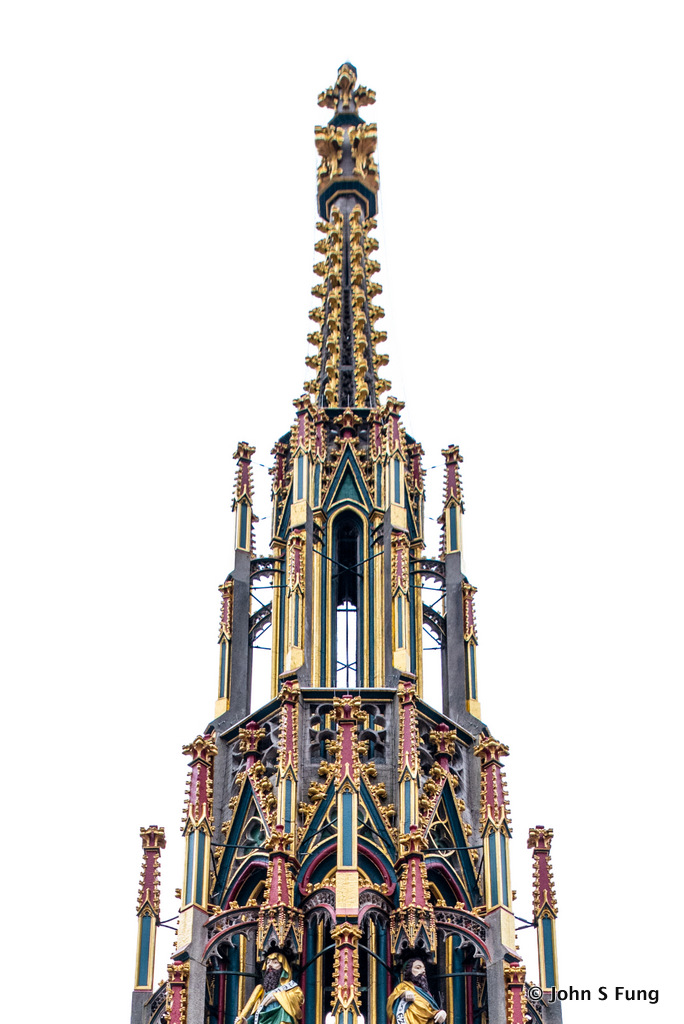
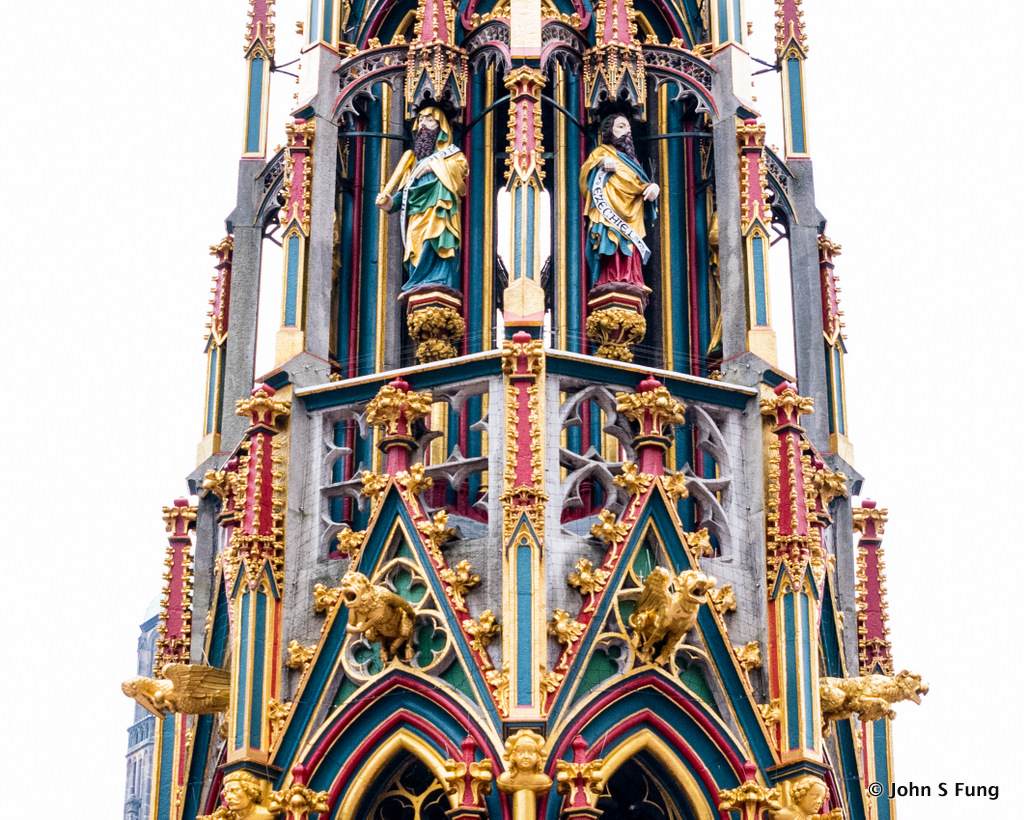
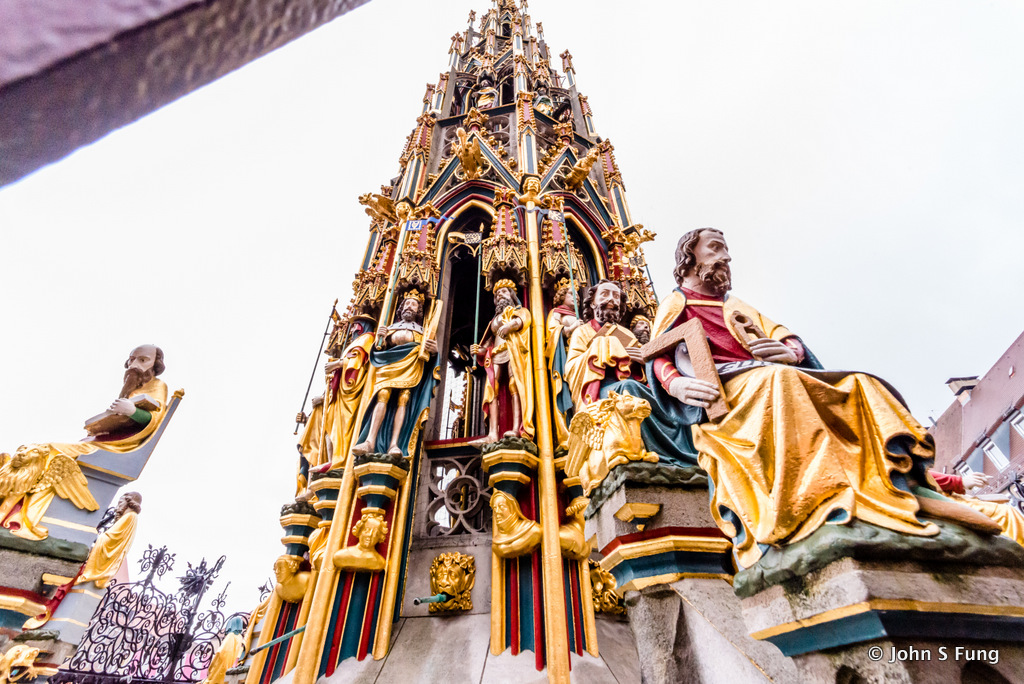
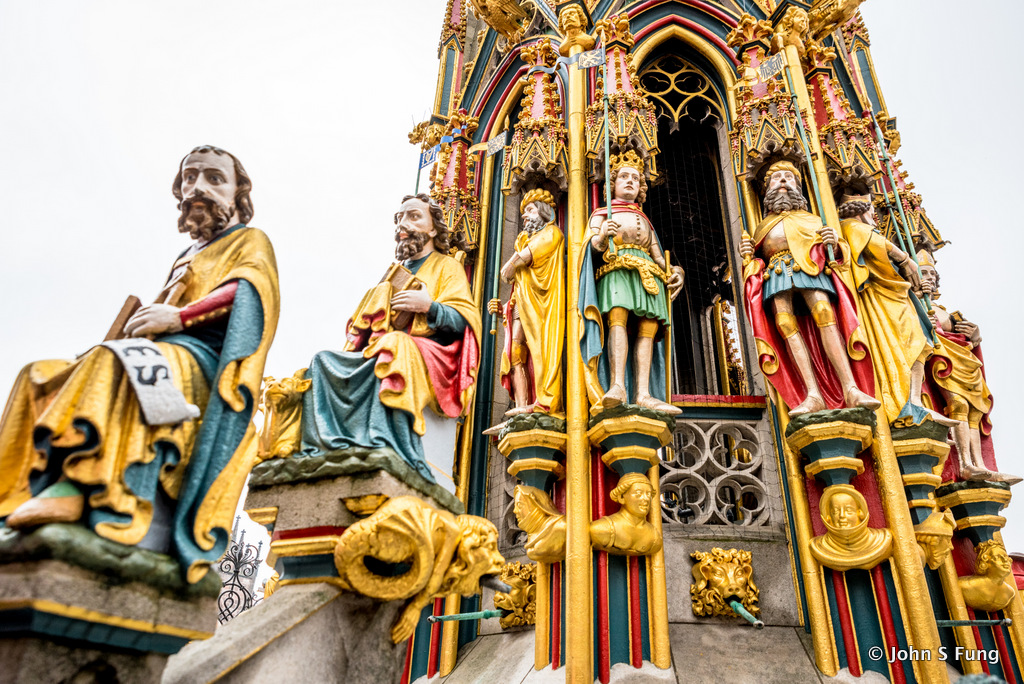
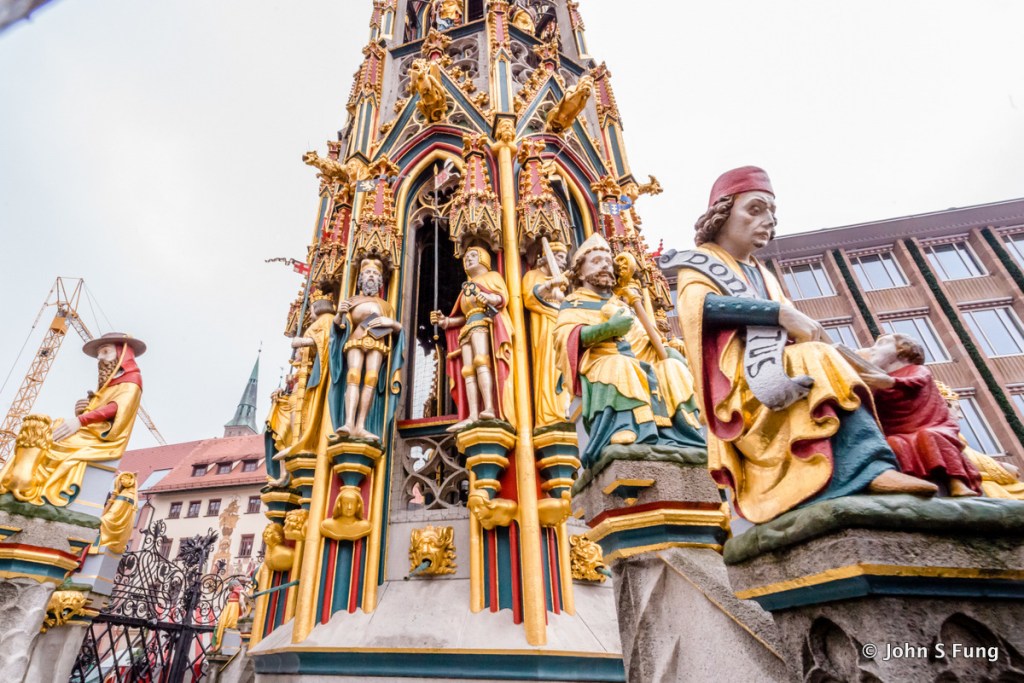
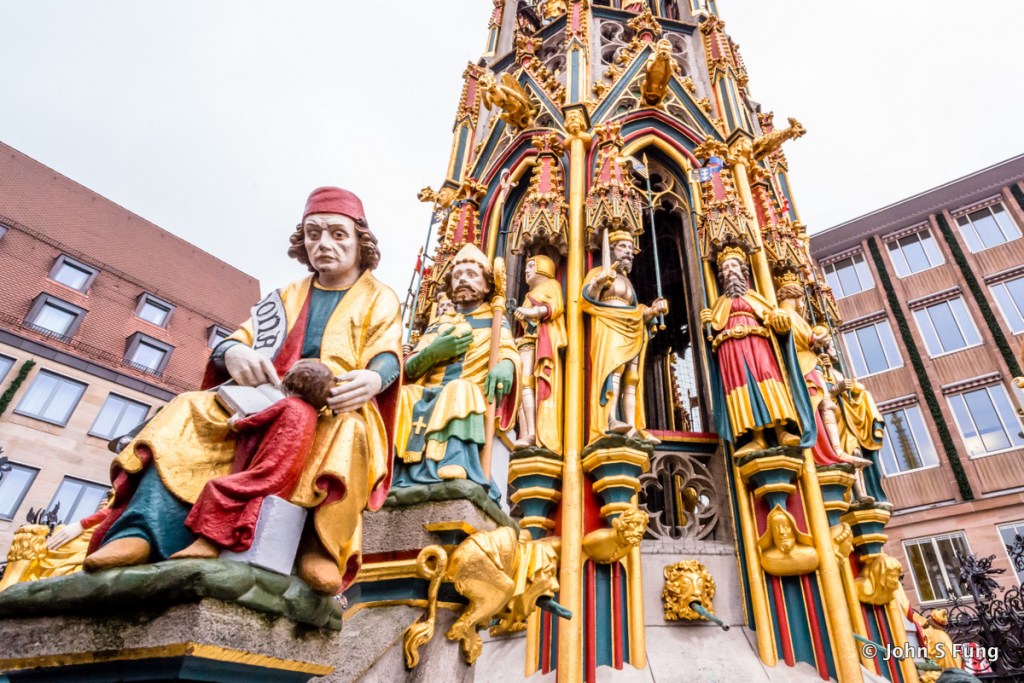
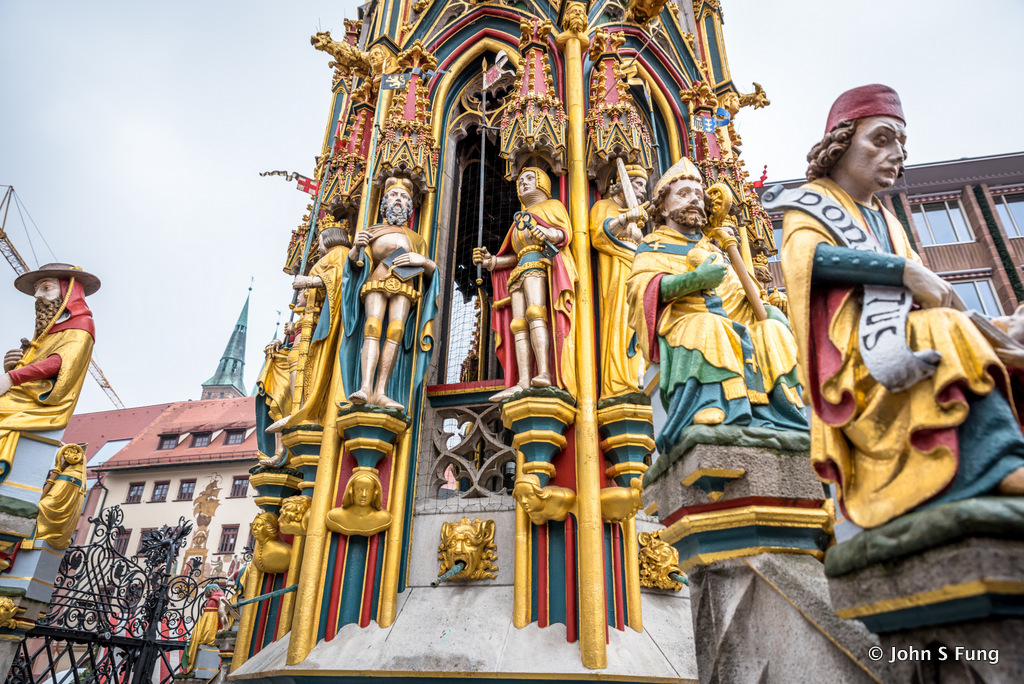
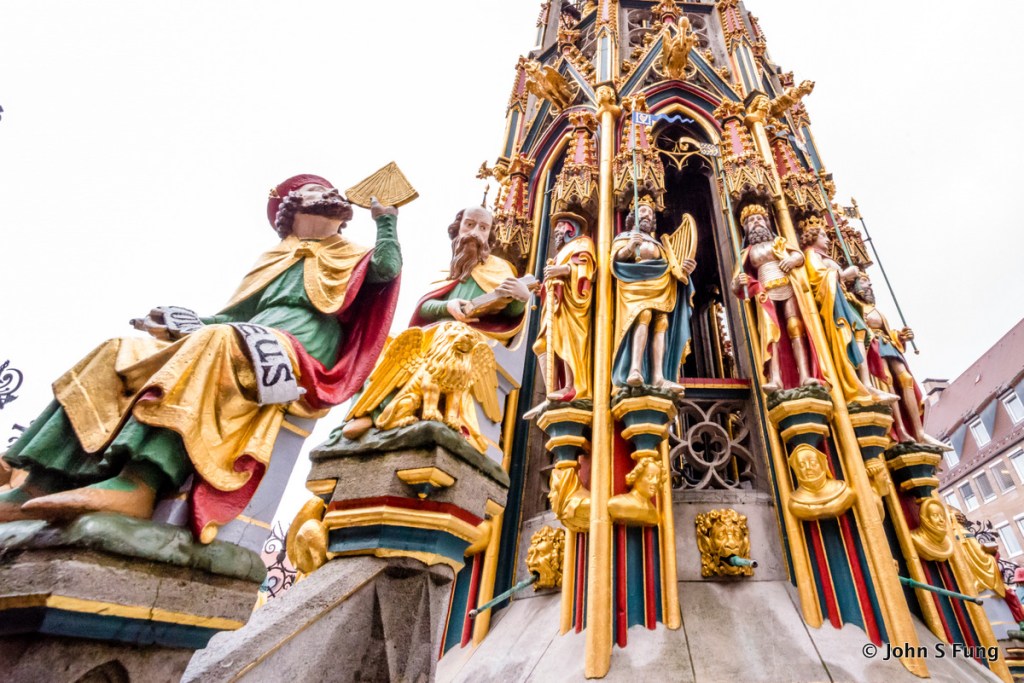
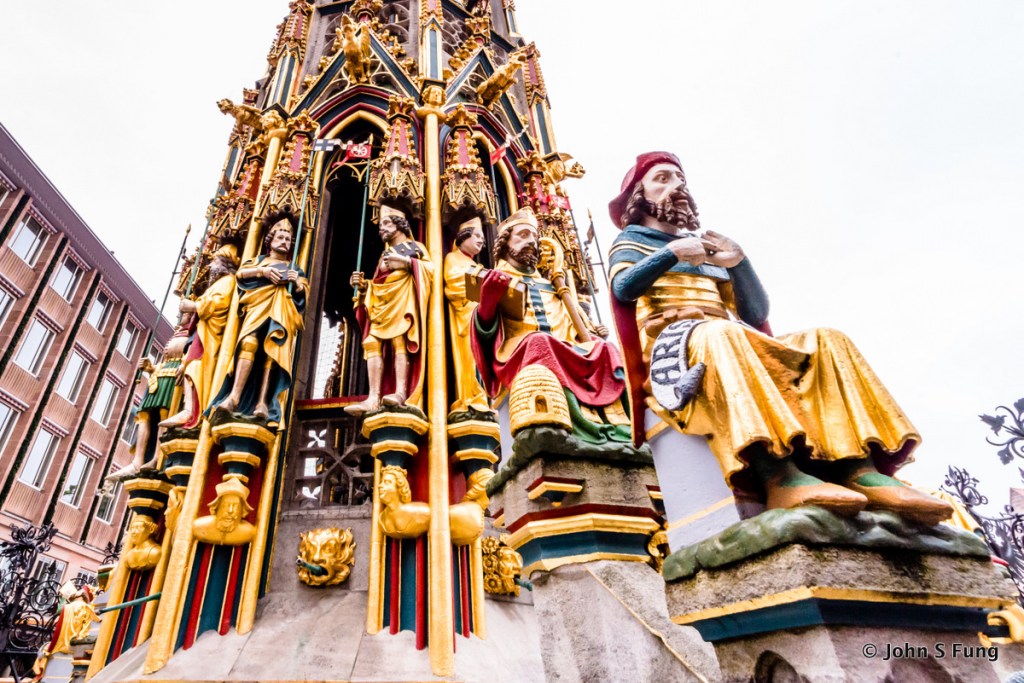
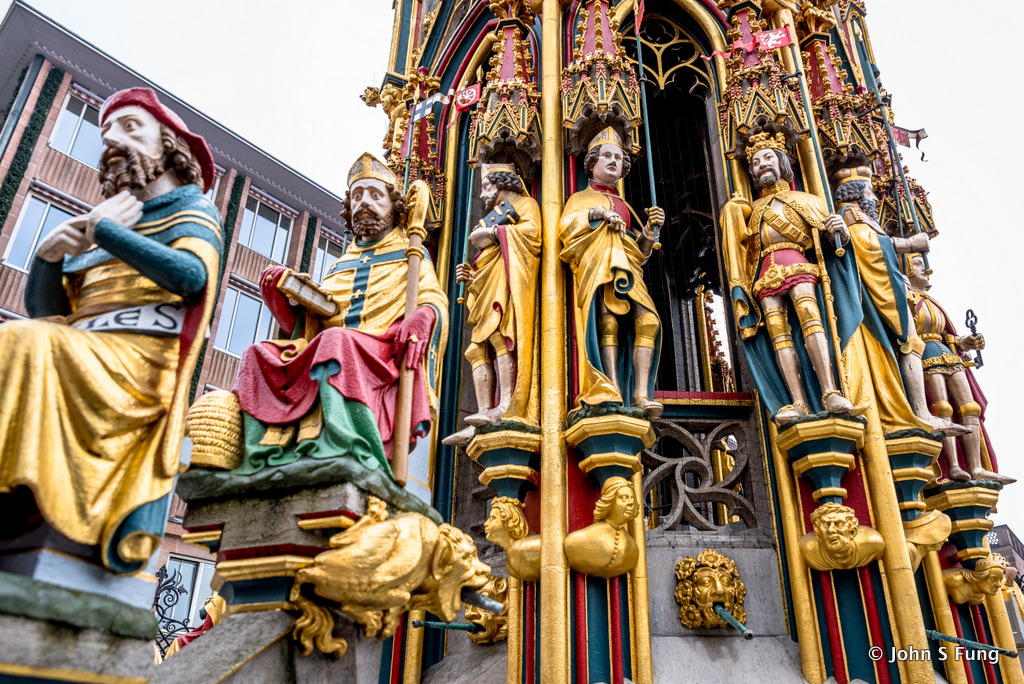
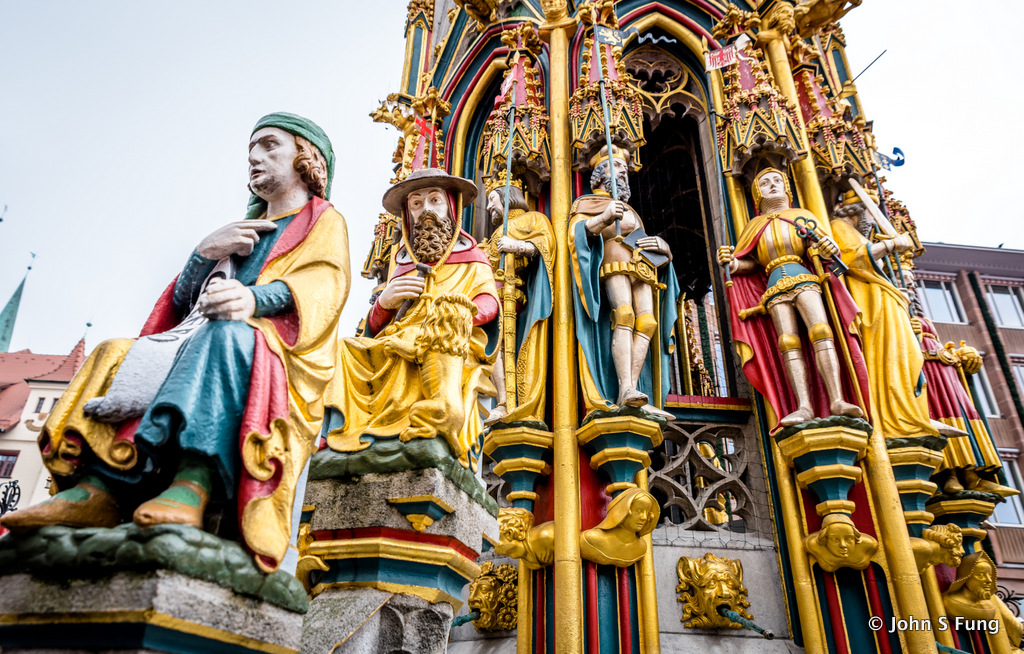
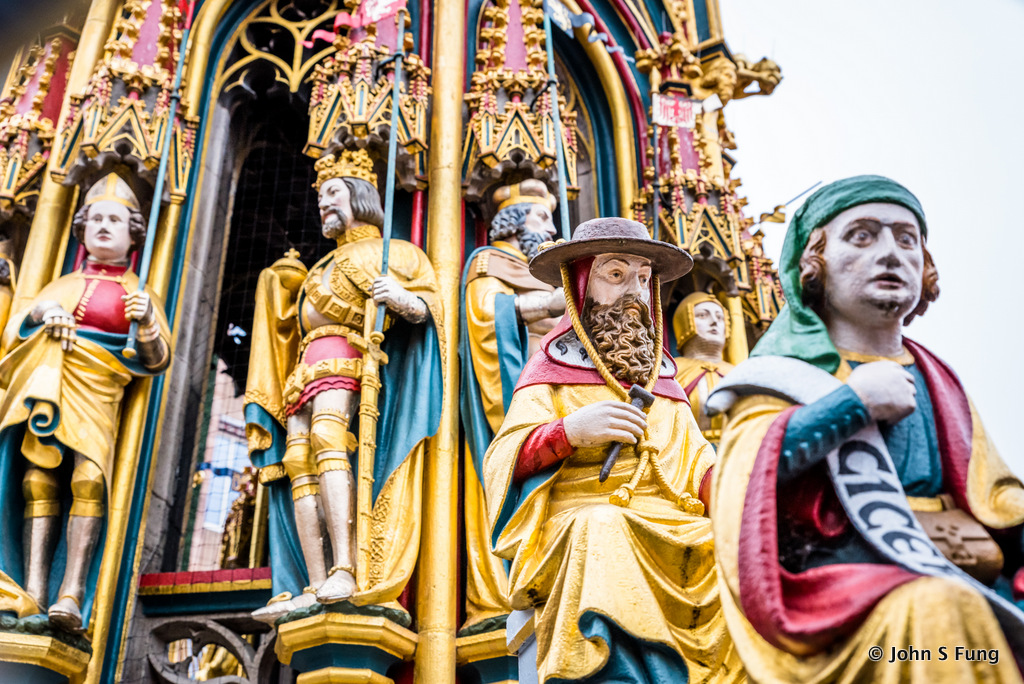
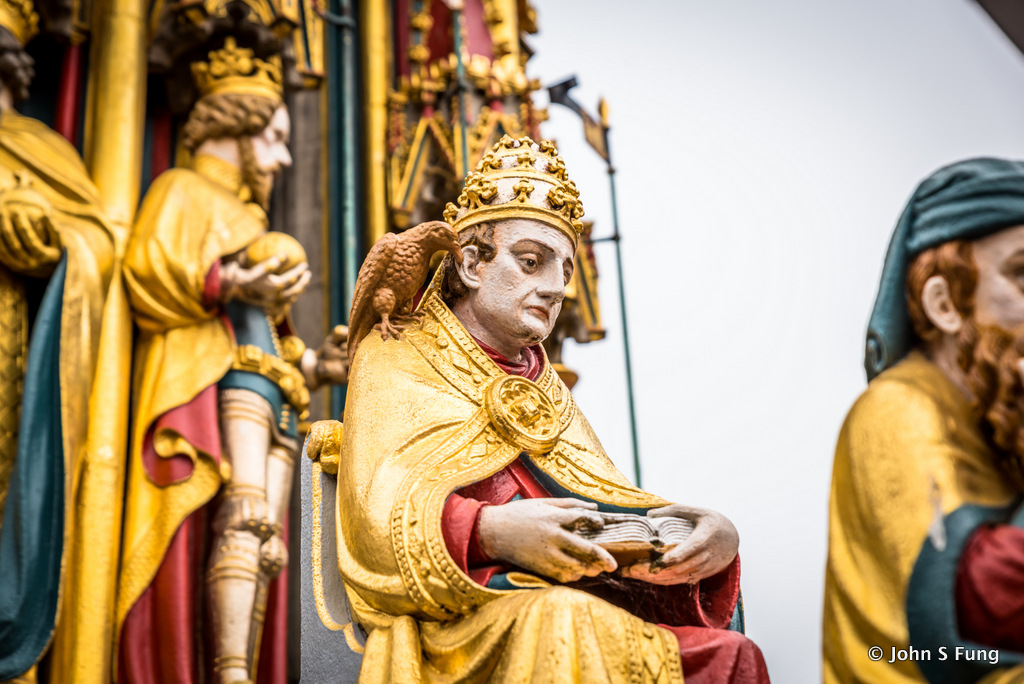
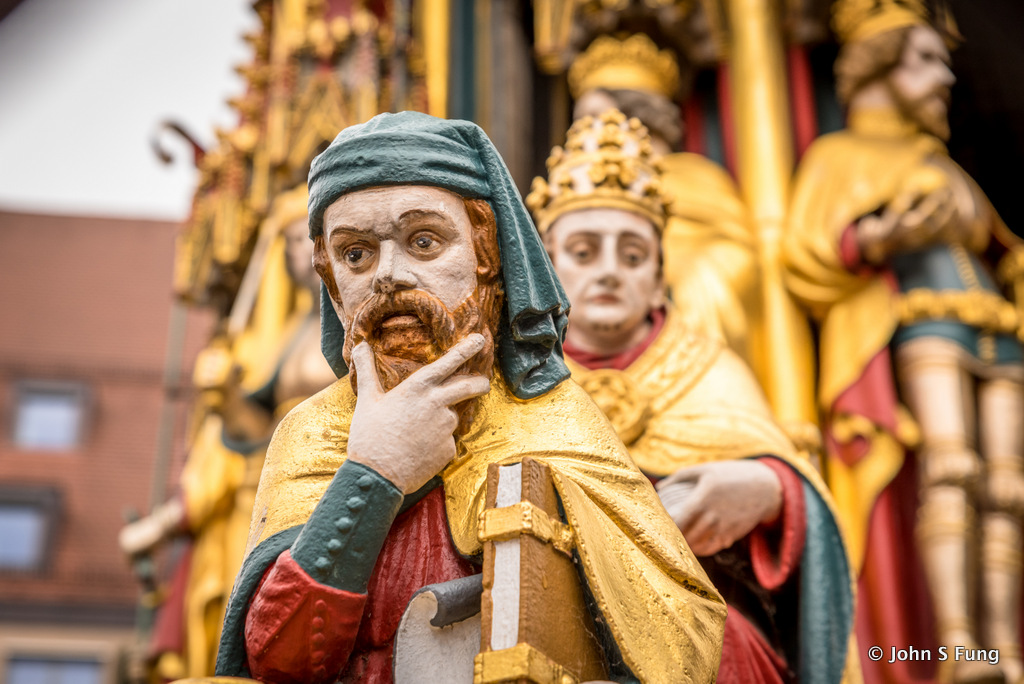
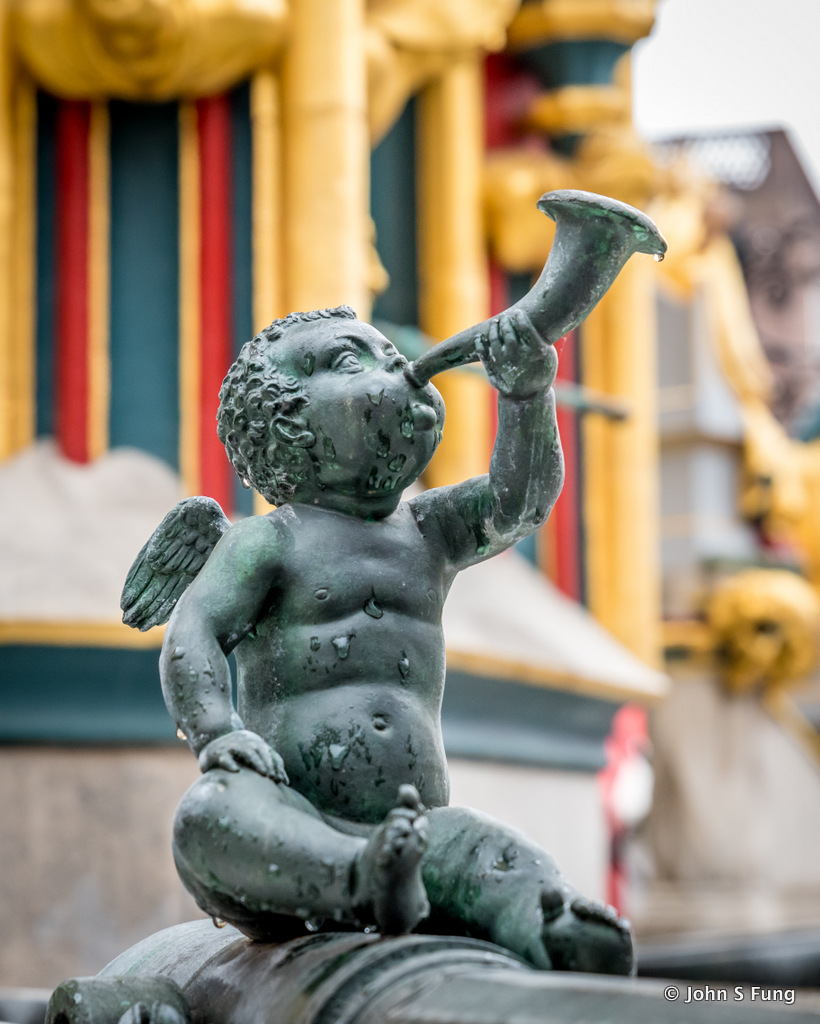
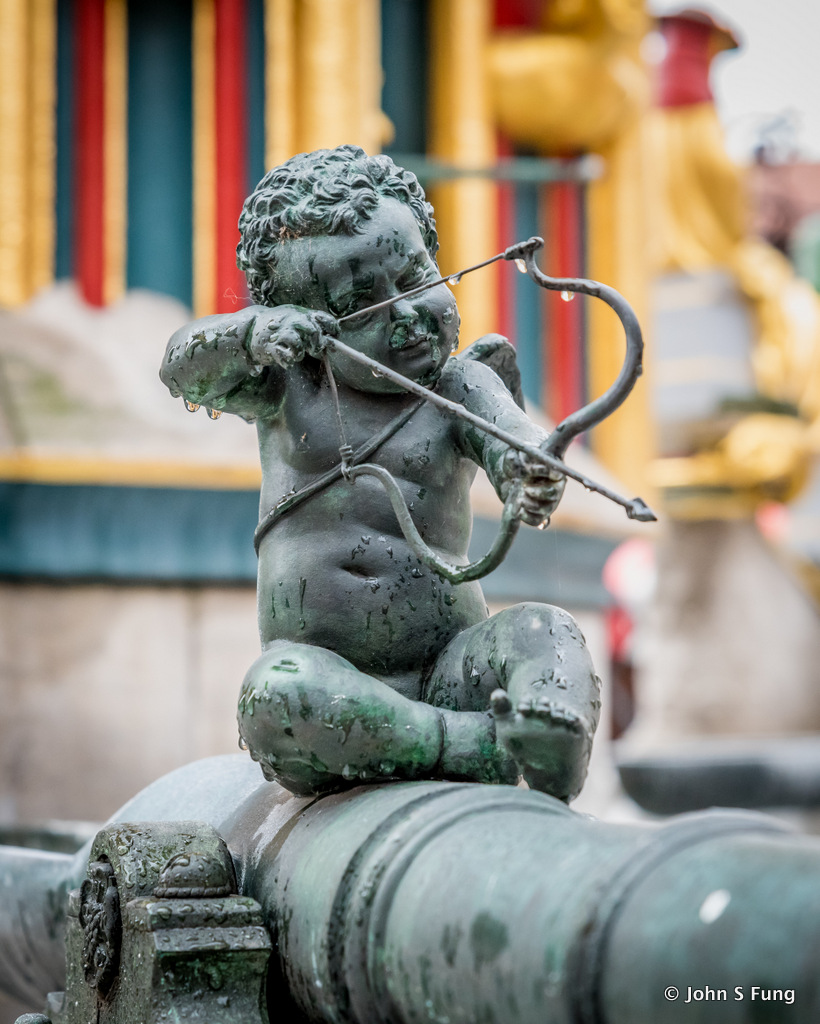
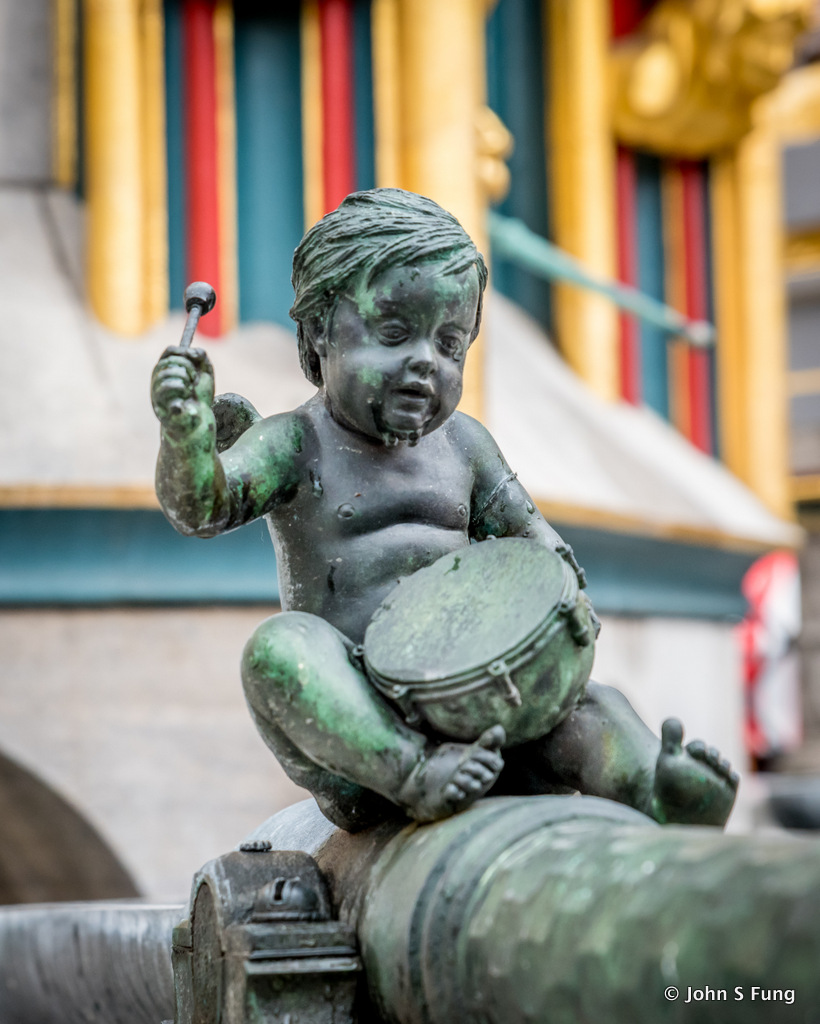
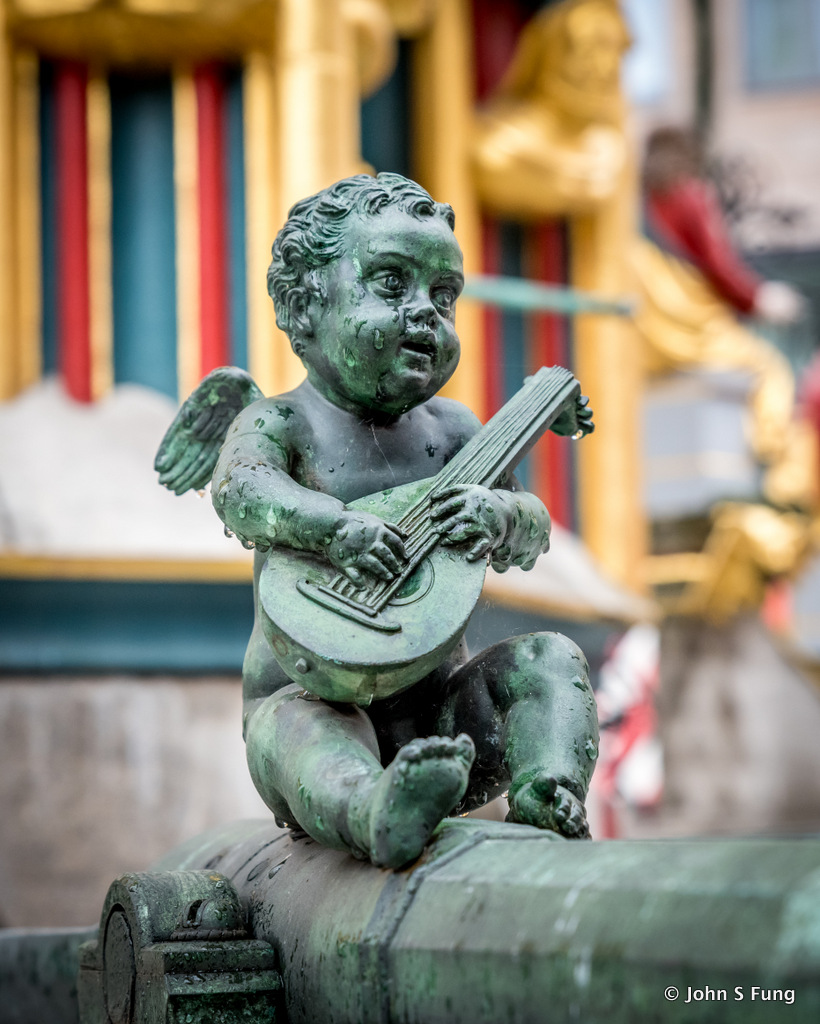
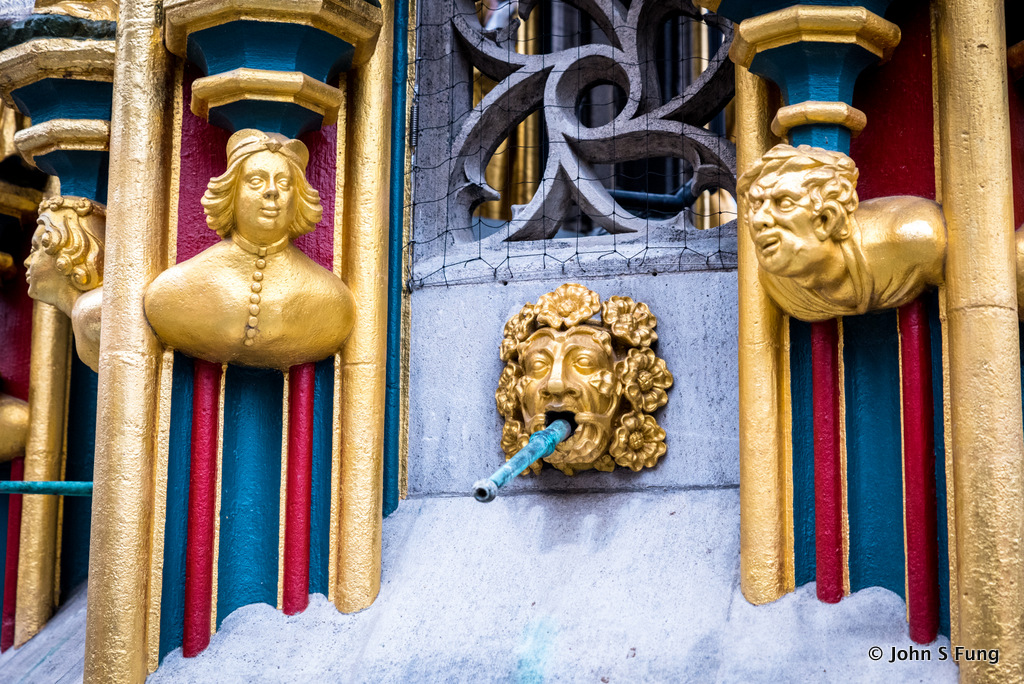
Schöner Brunnen or Beautiful Fountain is a 14th-century Gothic fountain standing at the edge of the market place. The fountain soars 19 m upward and features 40 colorful figures that represent the world view of the Holy Roman Empire. Shown in the picture is a replica of the late 14th-century original which was made of sandstone and badly eroded. At the time of our visit, the fountain must have been winterized for the season as there was no running water coming out of the spouts.
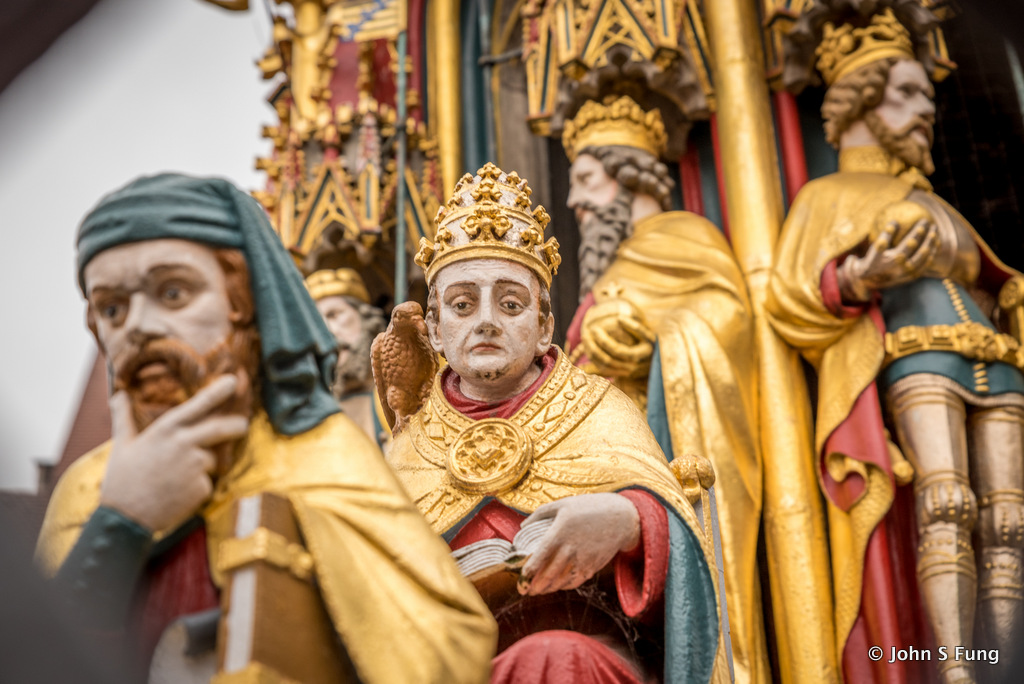
At the lower level, there are a total of eight statues represent The great spirits of the Greek and Roman antiquity. On the right (the photo above, and left in the photo below) is Euclid, a Greek mathematician, often referred to as the “founder of geometry” or the “father of geometry”.
Ptolemaeus (Latin) = Claudius Ptolemy was a Greek mathematician, astronomer, geographer and astrologer. Behind him is the statue of one of the four evangelists and church fathers.
亞里斯多德, 古希臘哲學家
Aristotle (Aristotélēs), a Greek philosopher. Behind him is the statue of one of the four evangelists and church fathers.
Cicero (right) – Marcus Tullius Cicero was a Roman statesman, orator, lawyer and philosopher,
福音派教父之一。
One of the four evangelists and church fathers.
One of the four evangelists and church fathers.
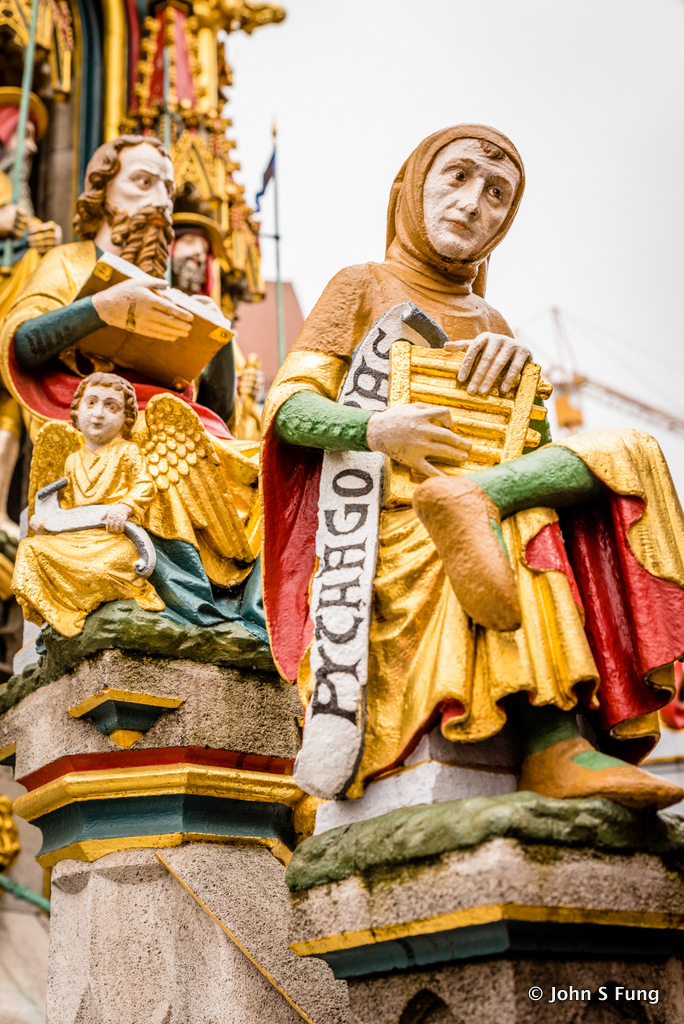
畢達哥拉斯, 古希臘哲學家 Pythagoras – Greek philosopher
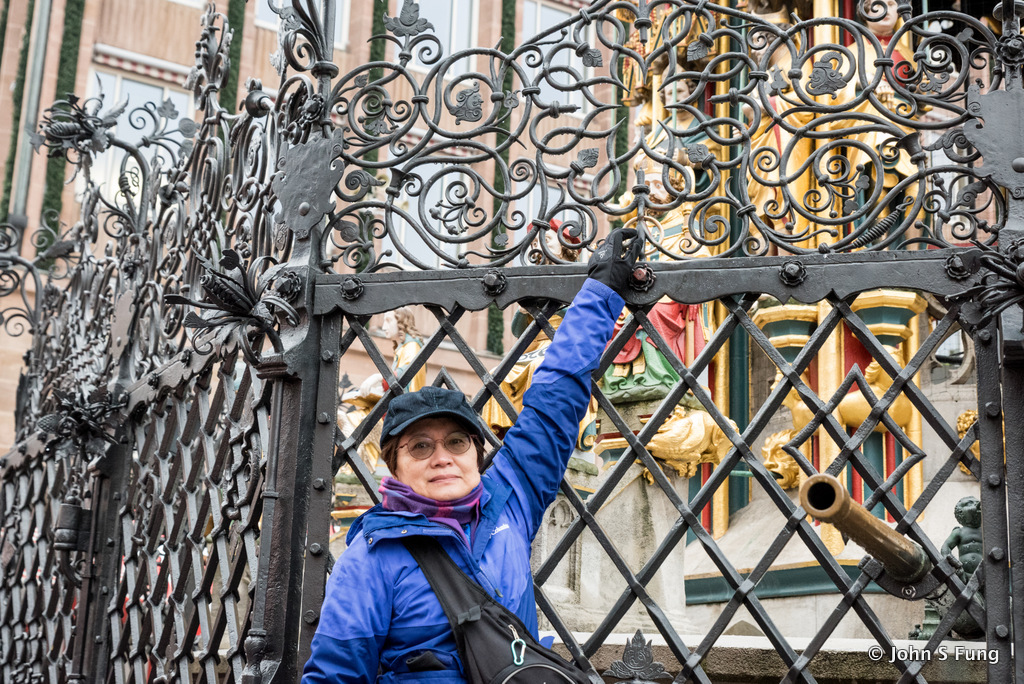
水泉外的保護鉄籠十分漂亮,在相對的兩方,各鑲有一活動銅環,傳說轉動它會夢想成真。
This is one of the two movable rings “buckled” in the wrought iron fence, called the Wishing Rings, it is said that turning the rings would bring good luck and fulfill the wishes of those who turn them.
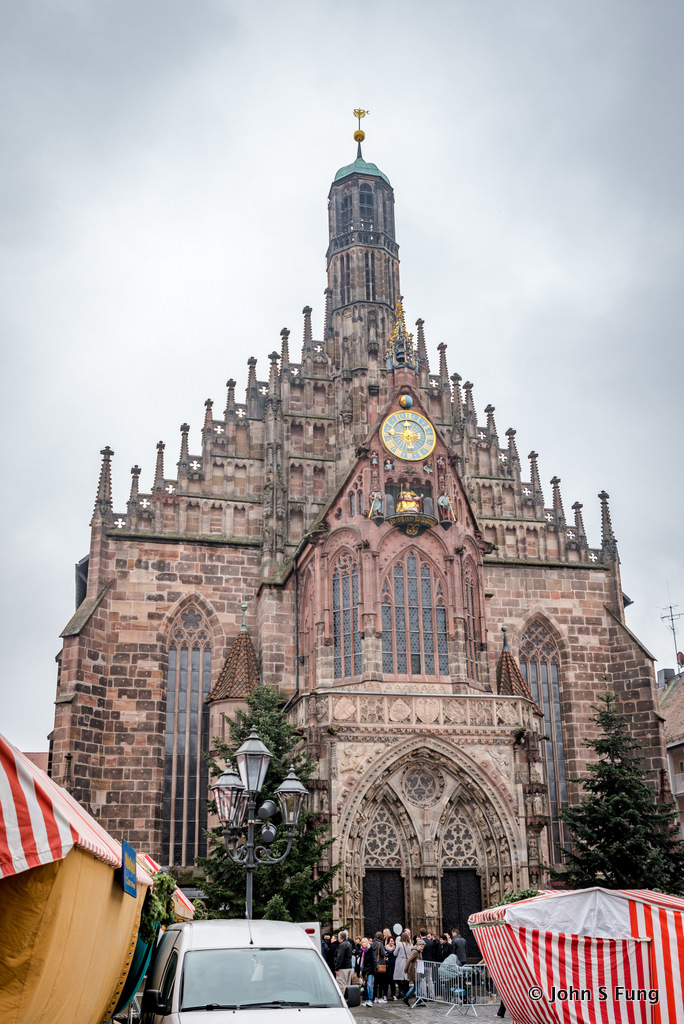
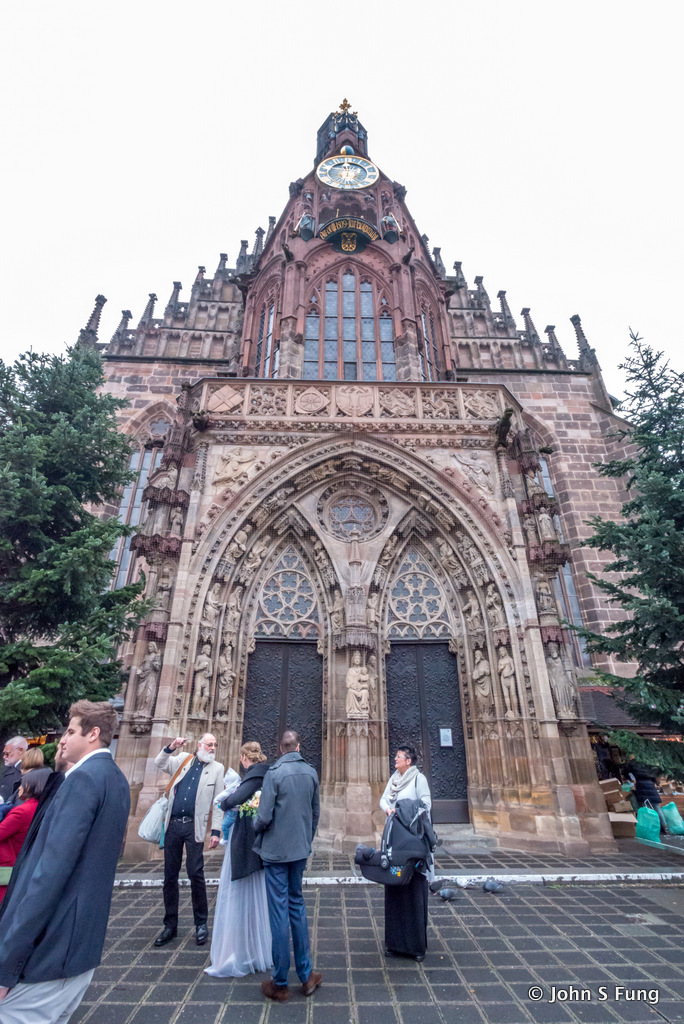
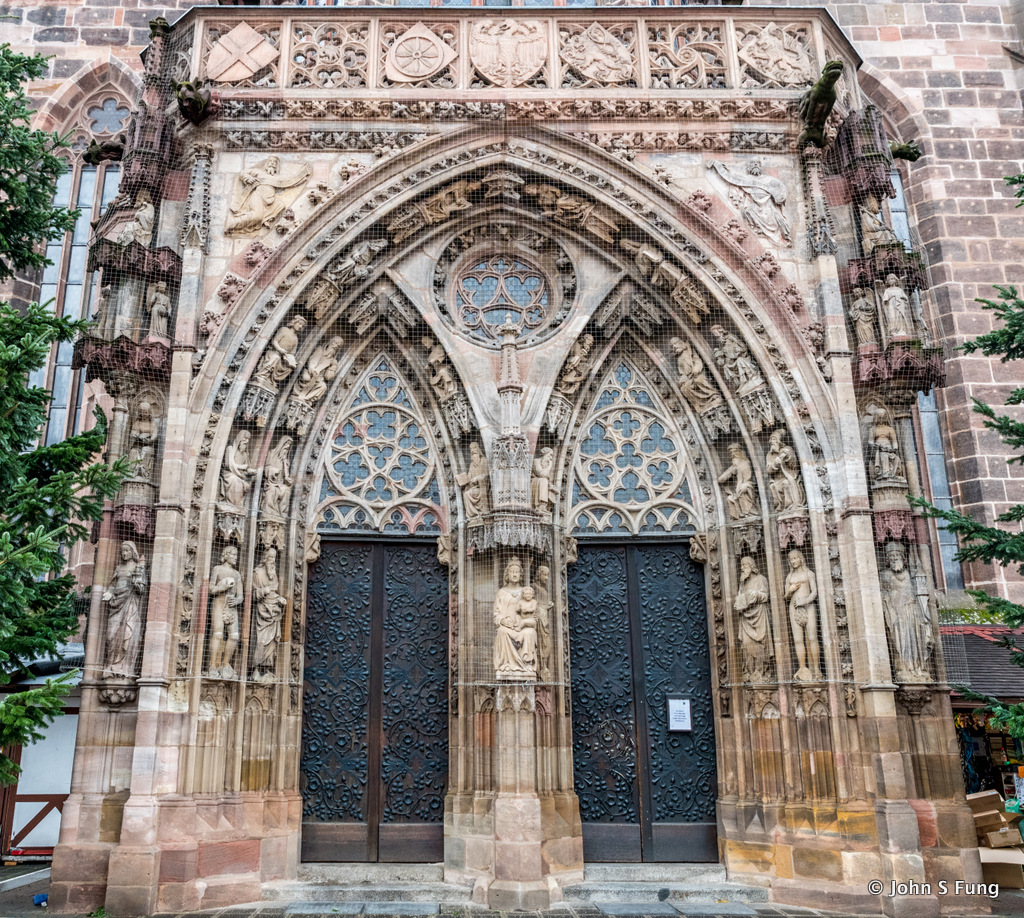
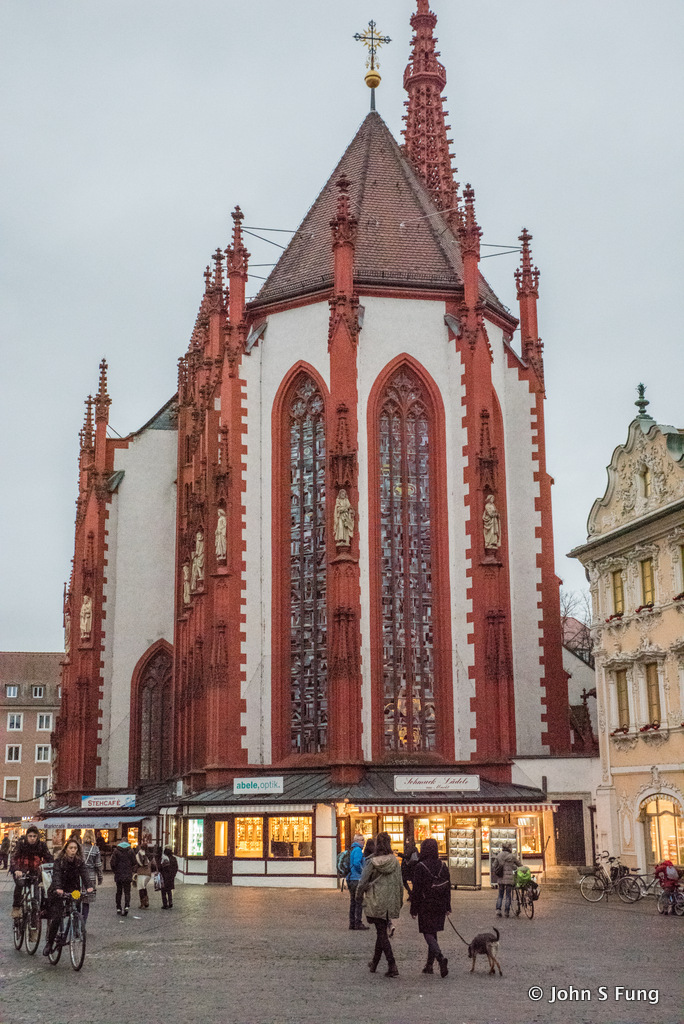
On the other side of the square stands the Church of Our Lady. Formerly a Protestant church, it was gifted to the Catholic parishioners in 1816 when Nuremberg became part of Bavaria. The mechanical clock, Männleinlaufen, at the facade is a distinct feature of the church.
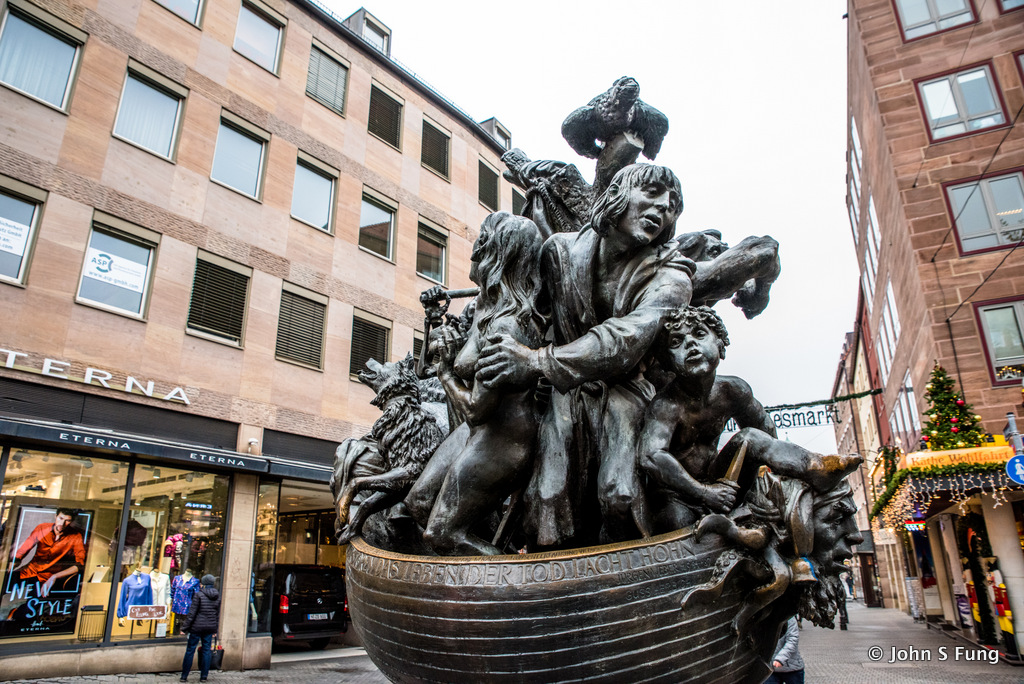
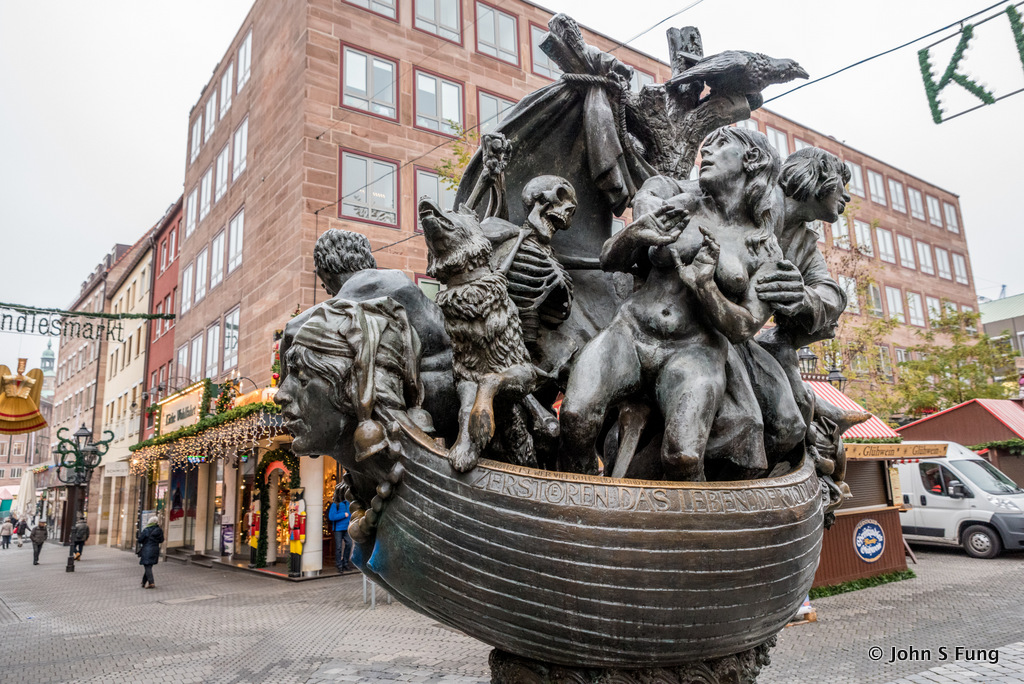
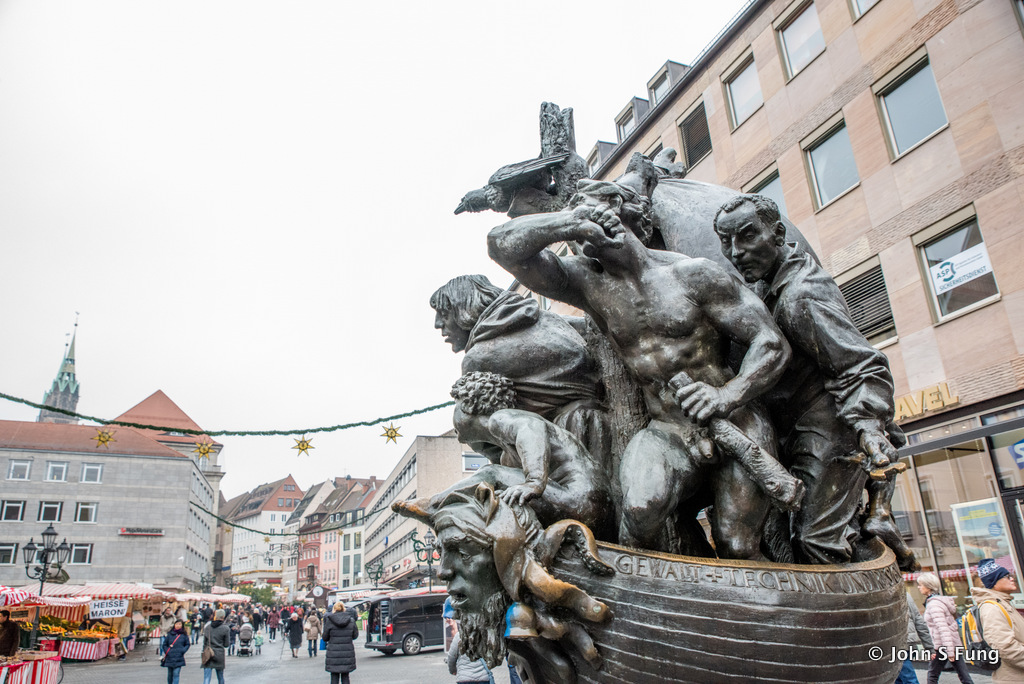
聖母教堂過去一點就看到這顯眼的雕塑,名為「一船儍瓜」,故事源於16世紀 Sebastian Brant 的名著,船上是被逐的亞當和夏娃,主題是世界的破落。
Just a stone’s throw away from Church of Our Lady, we found this stunning sculpture, called the Ship of Fools, based on Sebastian Brant’s book (not to be mixed up with the new Ship of Fools: How a Selfish Ruling Class Is Bringing America to the Brink of Revolution).
上圖,被逐出樂園的亞當和夏娃,站在旁邊是他們的兒子Cain, 表情怪異,手上提著一把刀。
Above, showing the expelled Adam and Eve, with their creepy-looking son Cain holding a knife by their side.
塑像另一邊,夏娃和亞當身後是乾枯了的智慧之樹,旁邊有一骷髏拿著一根棒(?)作勢要打。
Behind Eva and Adam is the withered tree of wisdom, a skeleton is holding a club(?) about to strike.
On this side of the ship, a muscular man with a club and a handyman with a spanner. I don’t know how to interpret, but I can feel the violence, bewilderment, chaos…..to be honest, a very powerful masterpiece, but not a very pleasant feeling.
After taking a few picture of this powerful sculpture, it was time to head back to the rendezvous near the Beautiful Fountain and head back to our ship for lunch. Shuttle buses were available for folks who wanted to come back to do a little shopping in the afternoon. The heavily overcasting sky turned me off, we relaxed on board and locking forward to the highest point of the watershed.
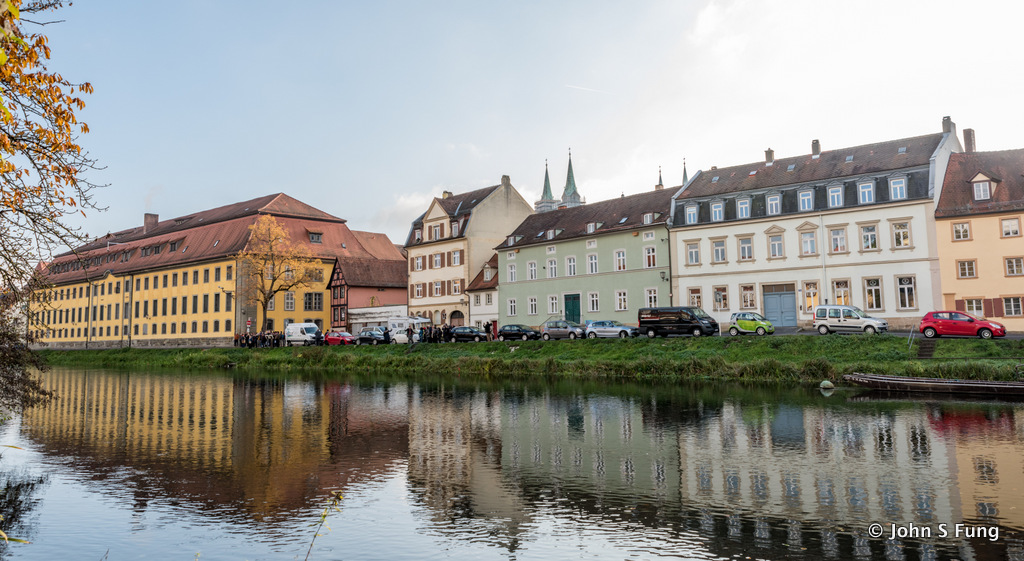
Bamberg is a town in Upper Franconia, on the River Regnitz close to its confluence with the River Main. Bamberg has been a UNESCO World Heritage Site since 1993. From the 13th century onward the bishops were princes of the Empire and ruled Bamberg.
From Bamberg on, we entered the Rhine-Main-Danube canal connecting the Rhine basins and the Danube. There are 16 locks along the course of the canal. While passing locks, we spent the morning watching a live demonstration of glass blowing from a local glassmaking family. It was a captivating demonstration. Bamberg is an UNESCO World Heritage City, one of the twelve designated in Germany. To my untrained eyes, it is a beautiful medieval town with lots of half-timbered houses.
We were bused to the Joseph-Keilberth-Saal (Joseph Keilberth Concert Hall) and walked along the left arm of Regnitz River (linker regnitzarm) to cross a bridge near the Little Venice.
音樂廳前的石雕藝術。
Stone art in front of Joseph Keilberth Concert Hall.
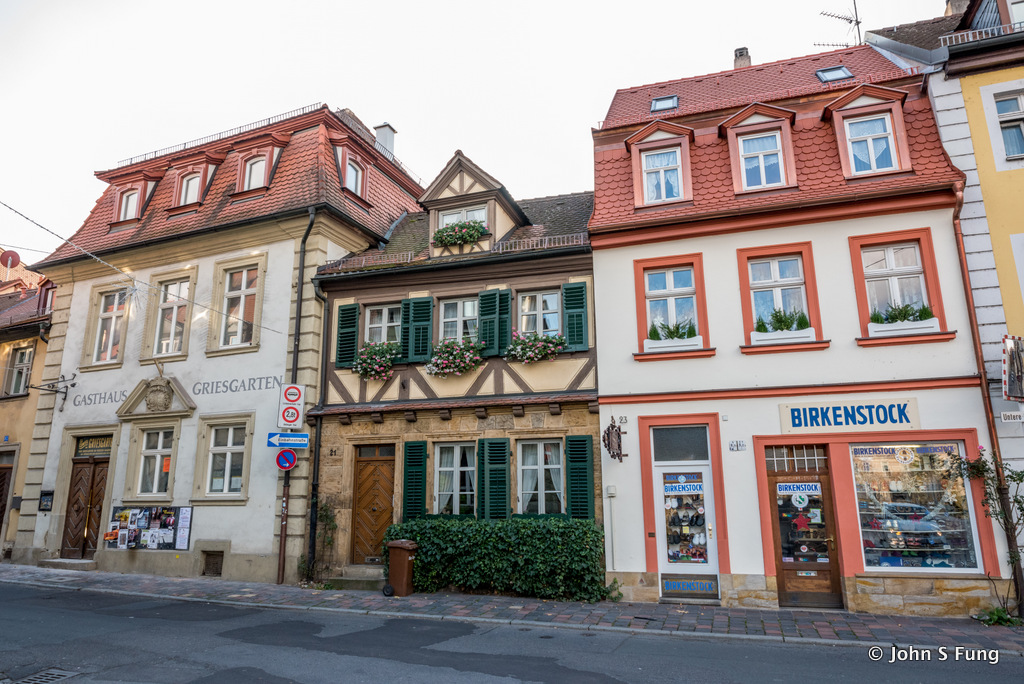
河邊的民房相當有特色。Beautiful houses along the Rgenitz River.
班貝格市檔案局, 這一帶的房子都好像有些歷史,而且有各自的建築風格。
Bamberg City Archives. Houses along the river appear to have their own character.
班貝格市檔案局。Bamberg City Archives.
河畔一系列的老房子,左面黃色房子好像是市懲教所。
The yellow building is said to be the Justizvollzugsans, Correctional facility, Bamberg.
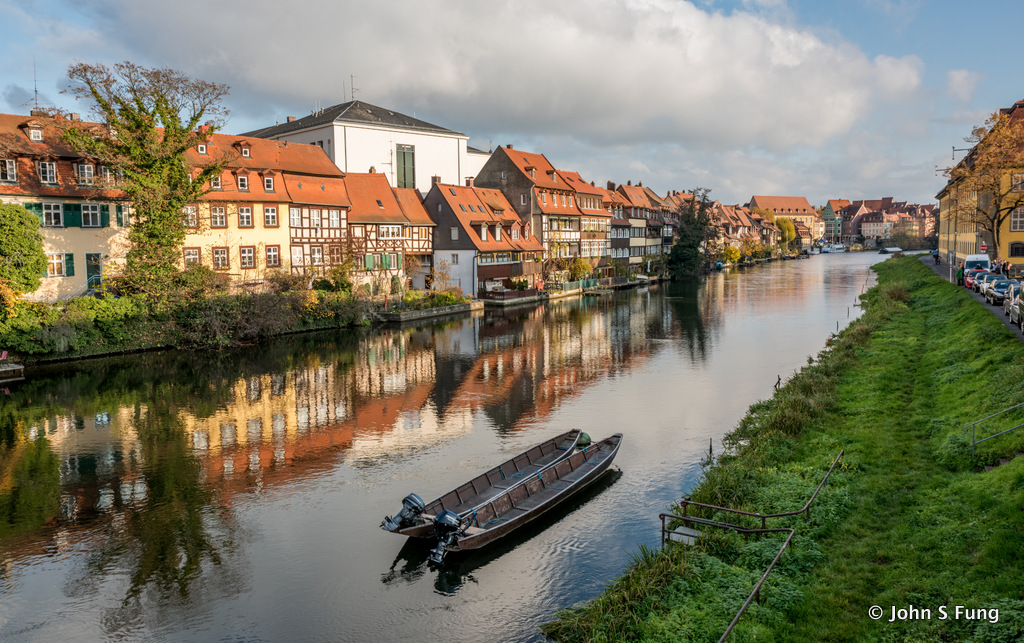
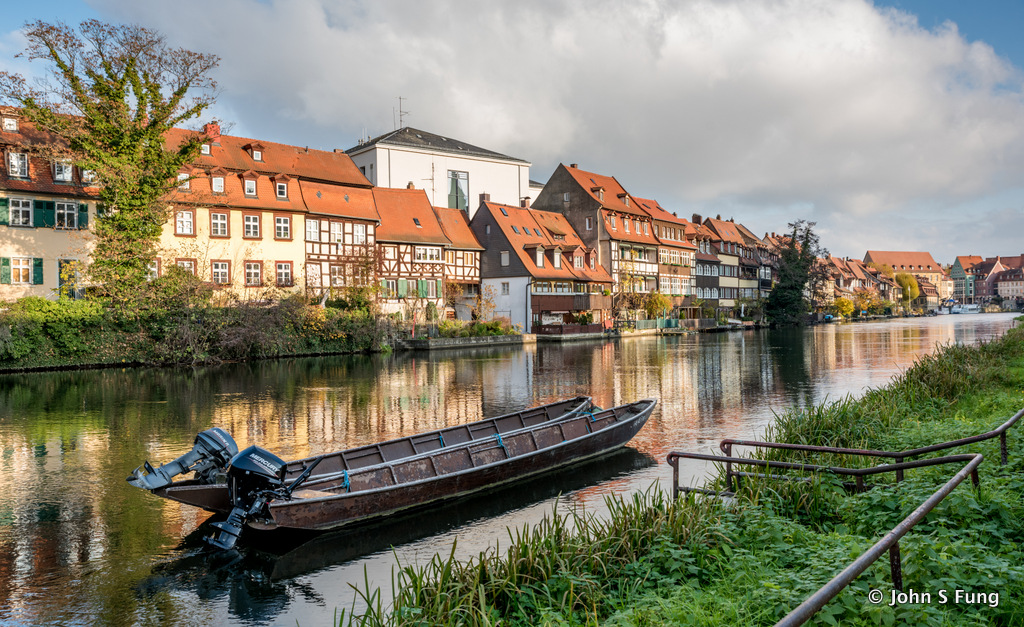
Little Venice – A row of half-timbered houses built along the river, formerly occupied by fisherman’s families and those who made a living on the water. It gradually became a popular spot for middle class and now a favorite spot for intellectuals.
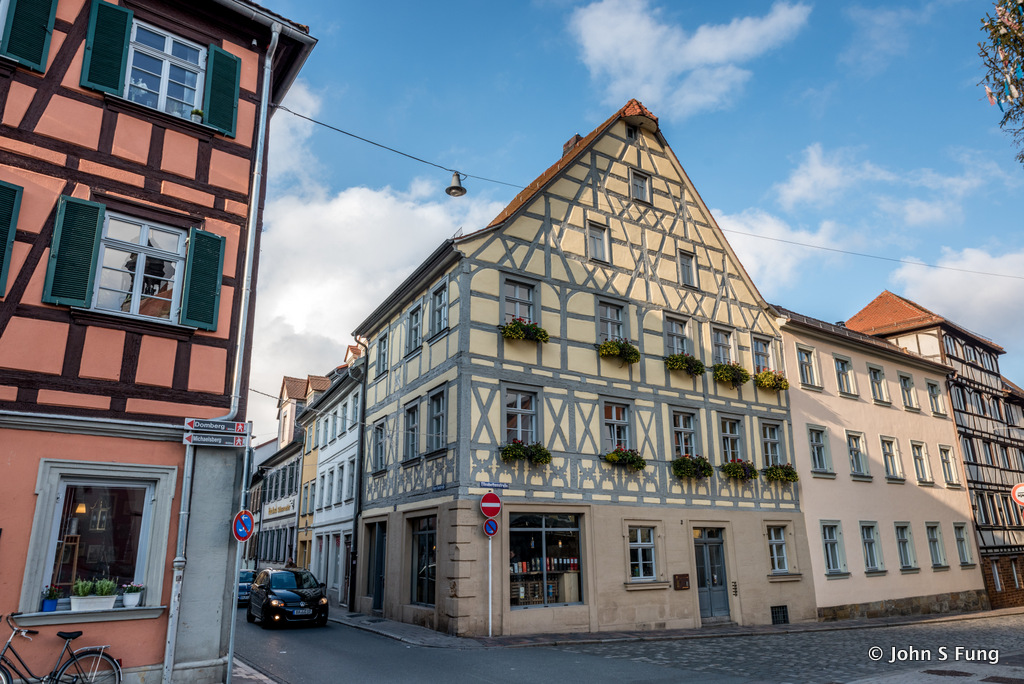
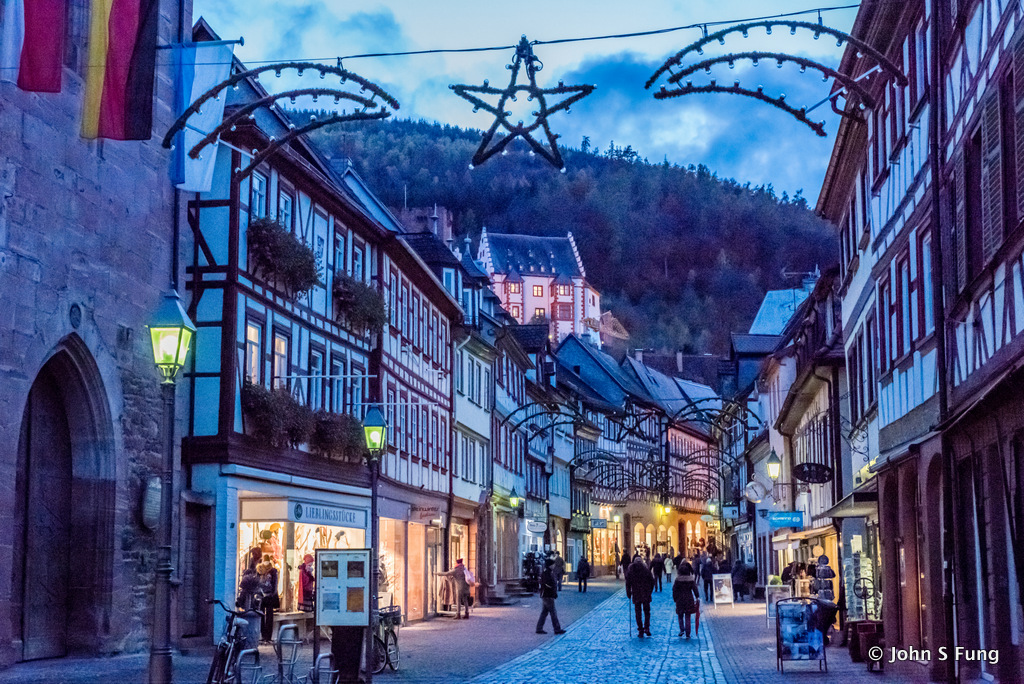
過了橋,導遊領著我們走進較窄的街道,每一間都各有特色。
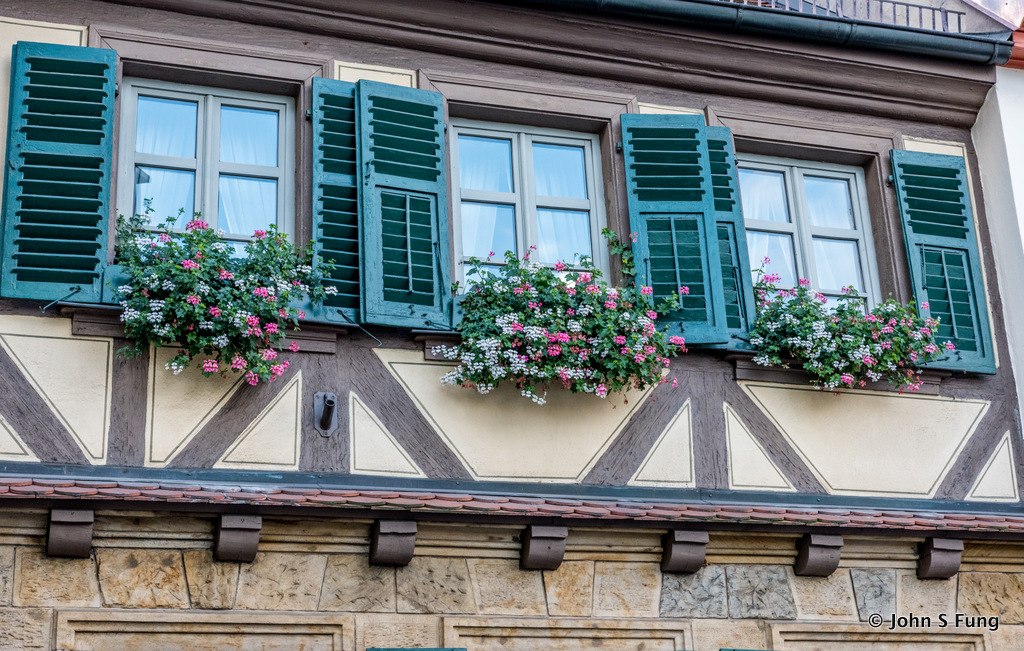
窗前還種著花,完全不是深秋景象。This didn’t look like a late November scene.
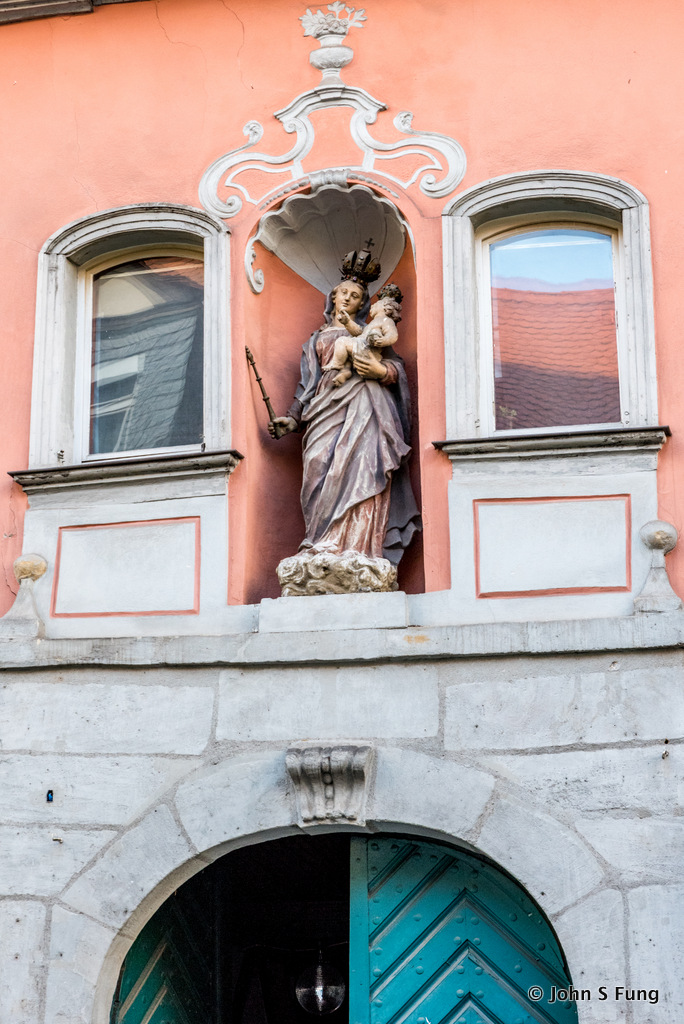
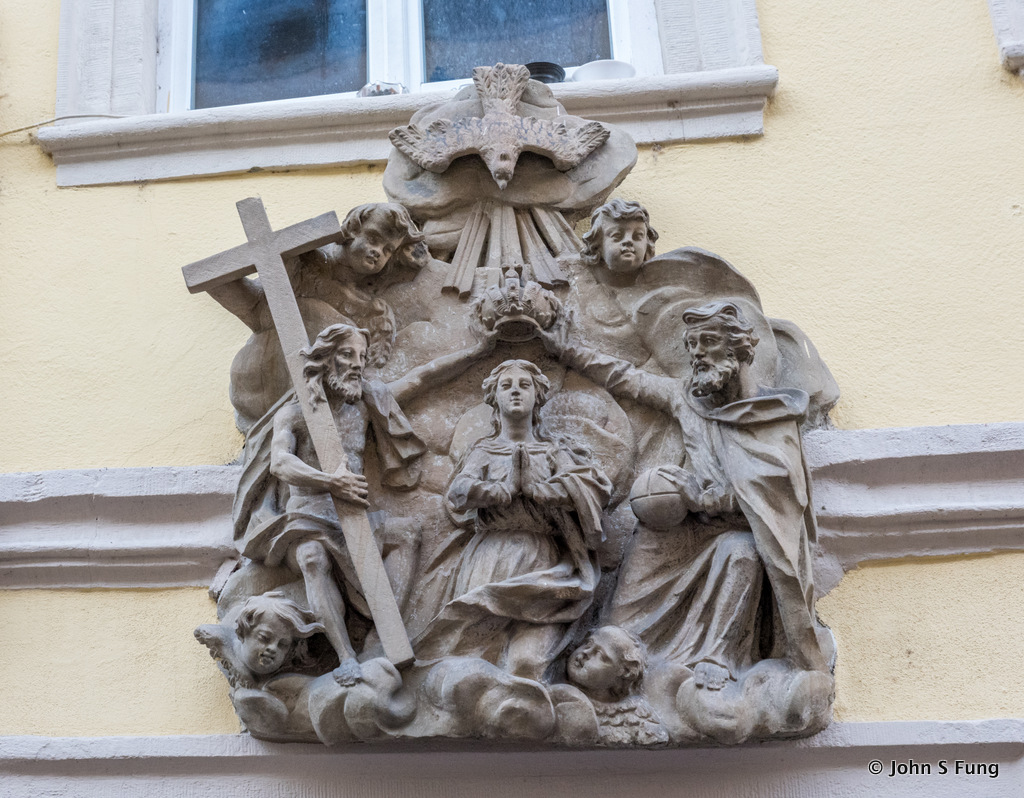
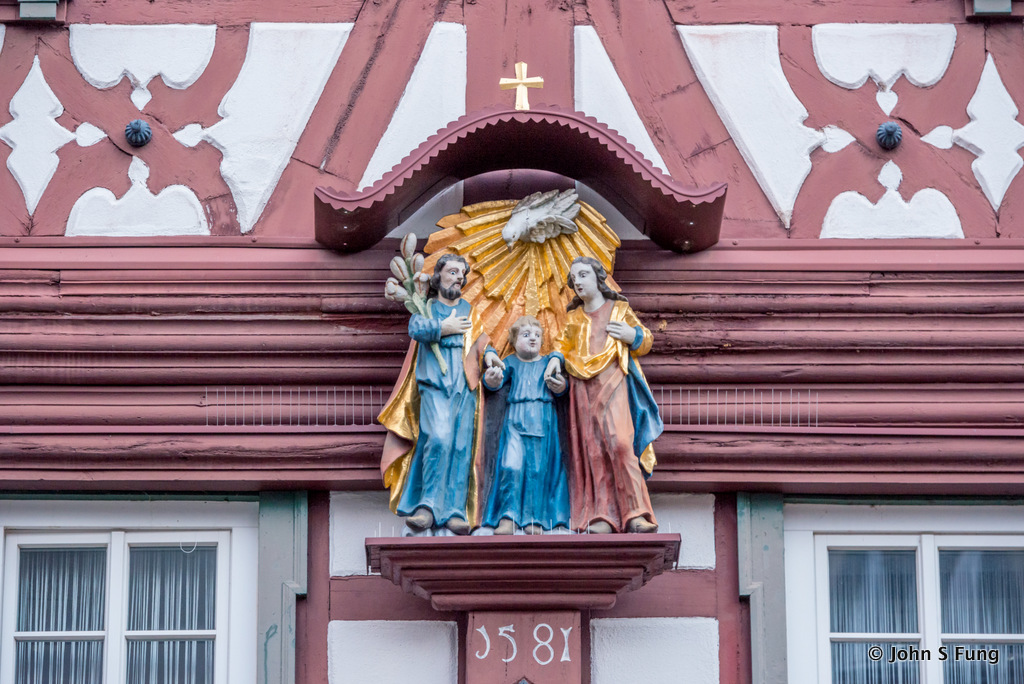
德國街頭的壁龕頗多, 動輒都有三、四百年以上的歷史。
Beautiful mini shrine (tabernacle) built at the street corners for local folks to say a prayer when they walk by.
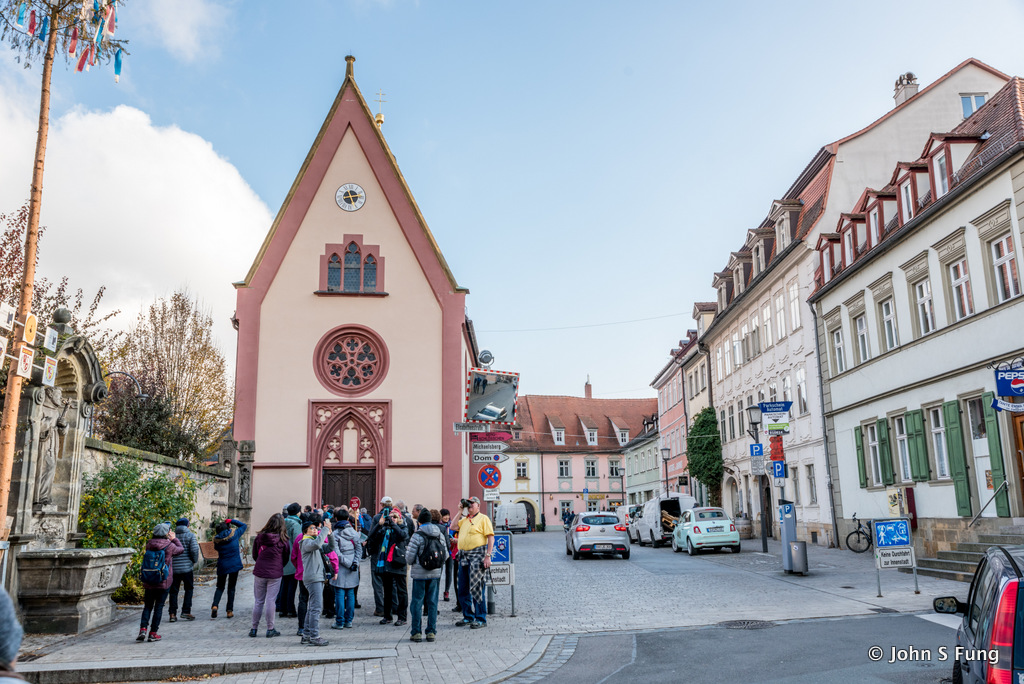
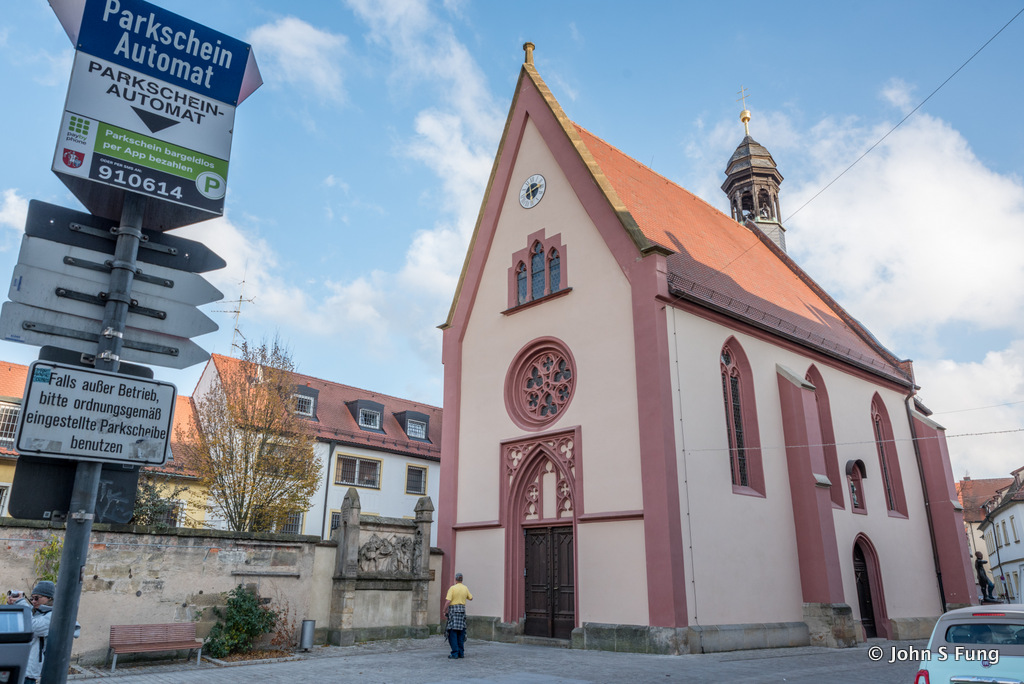
小小的伊利沙白教堂,非常漂亮。St. Elisabeth Church, small but attractive.
這是教堂前的浮雕,導遊說了一大堆,我忙著找尋視覺的聚焦點,她的話, 我左耳進,右耳出。
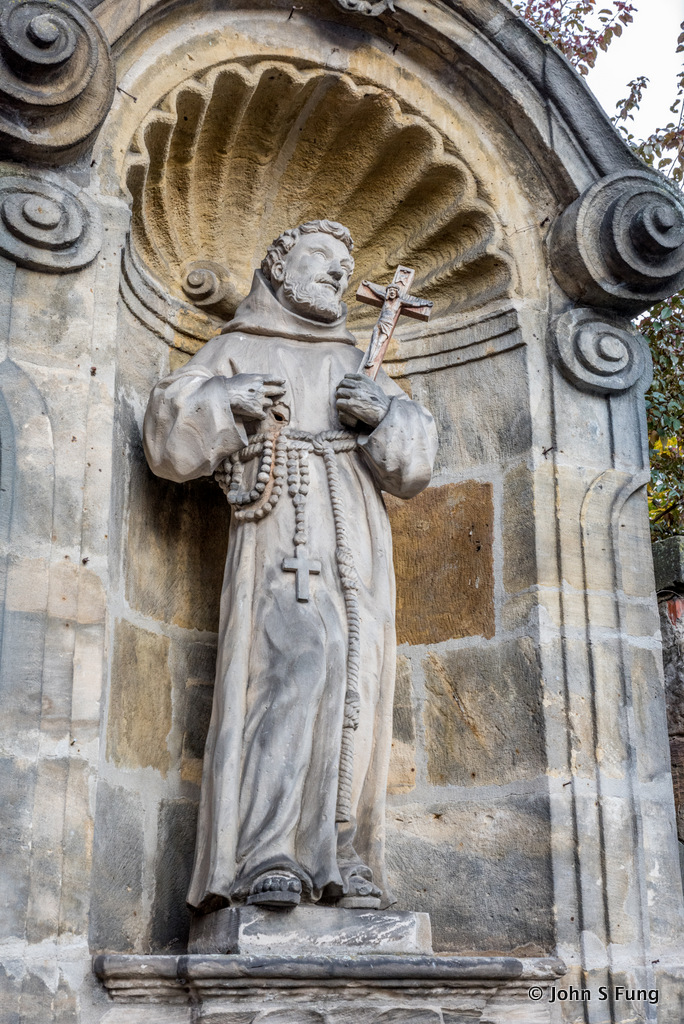
Statue and relief carving near the church. Our guide spent quite some time there explaining something to us, I have to confess that I wasn’t paying much attention.
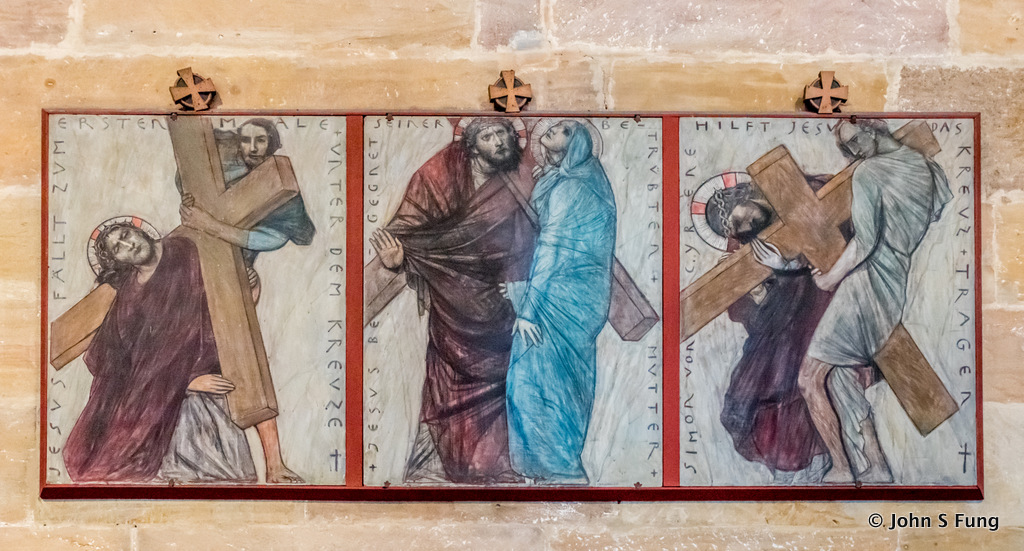
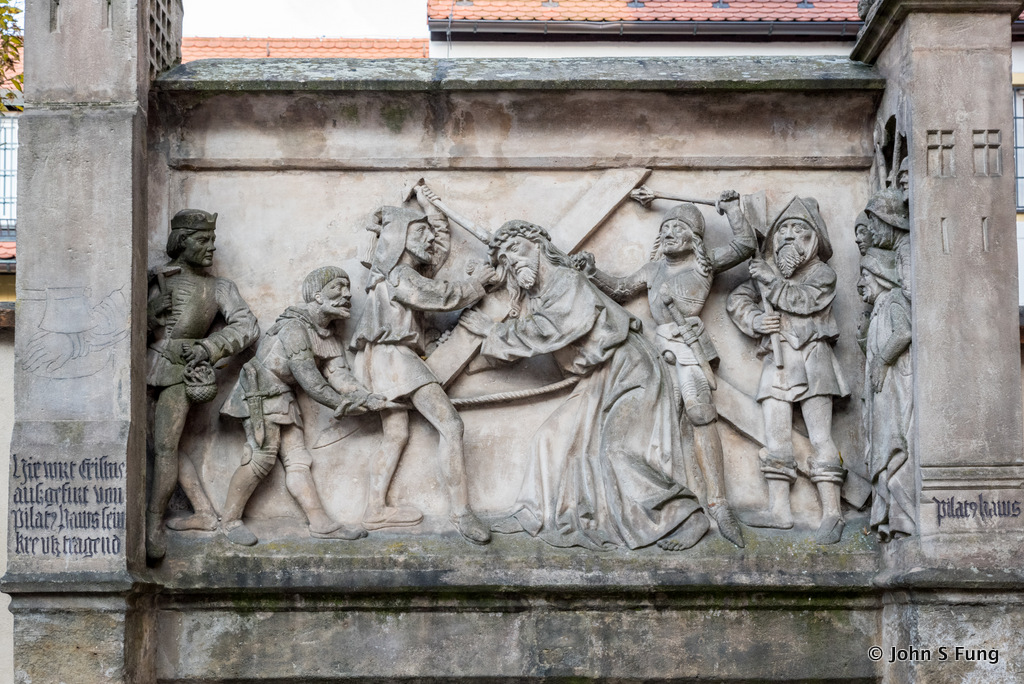
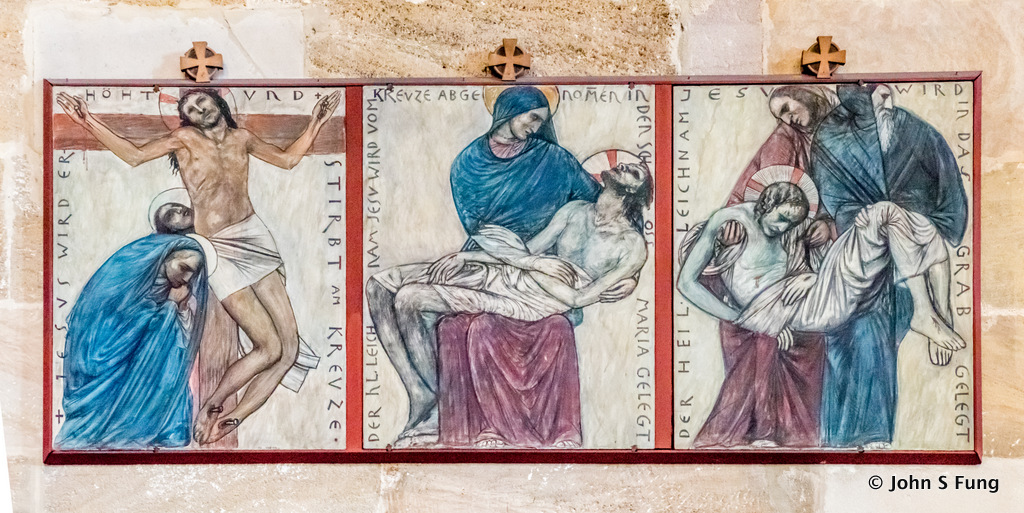
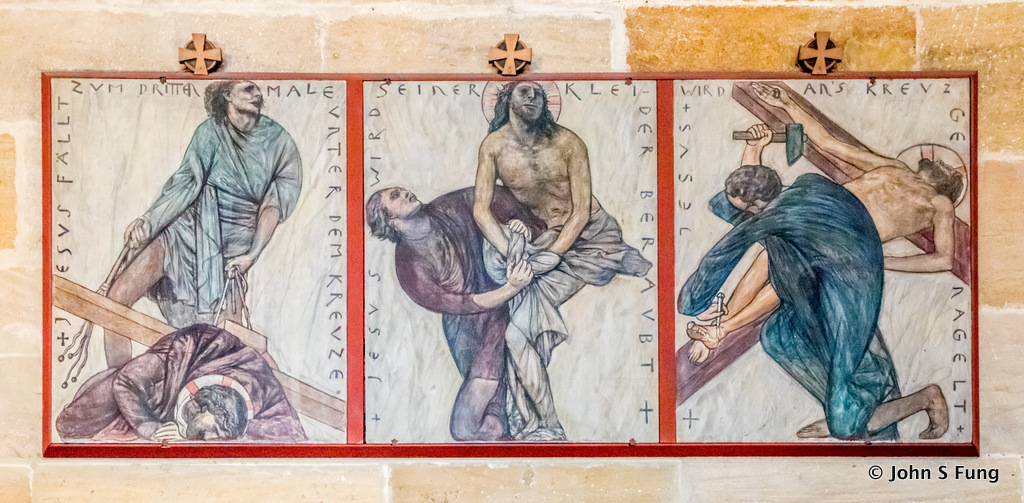
The Bamberg Way of Cross : The Stations of the Cross or the Way of the Cross, also known as the Way of Sorrows or the Via Crucis, refers to a series of images depicting Jesus Christ on the day of his crucifixion and accompanying prayers (Wikipedia).
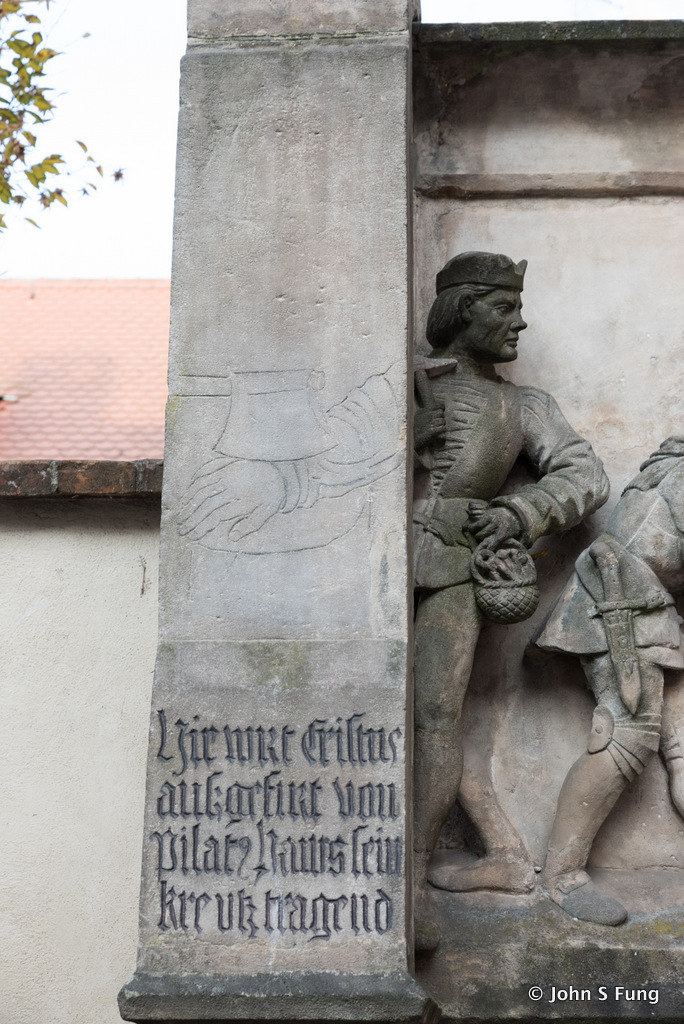
如沒記錯,導遊好像說過,中古世紀時,偷竊的處罰就是把手砍掉,就如刻在石柱上的圖像所示。
If I remember correctly, our guide said in medieval Bamberg, corporal punishment of stealing was chopping the hand off as shown on the pillar.
Here in this medieval town of Bamberg, there are quite a few of these reliefs or statues hanging in front of houses, similar to those tabernacles in Italy. I don’t know if the proper name for them.
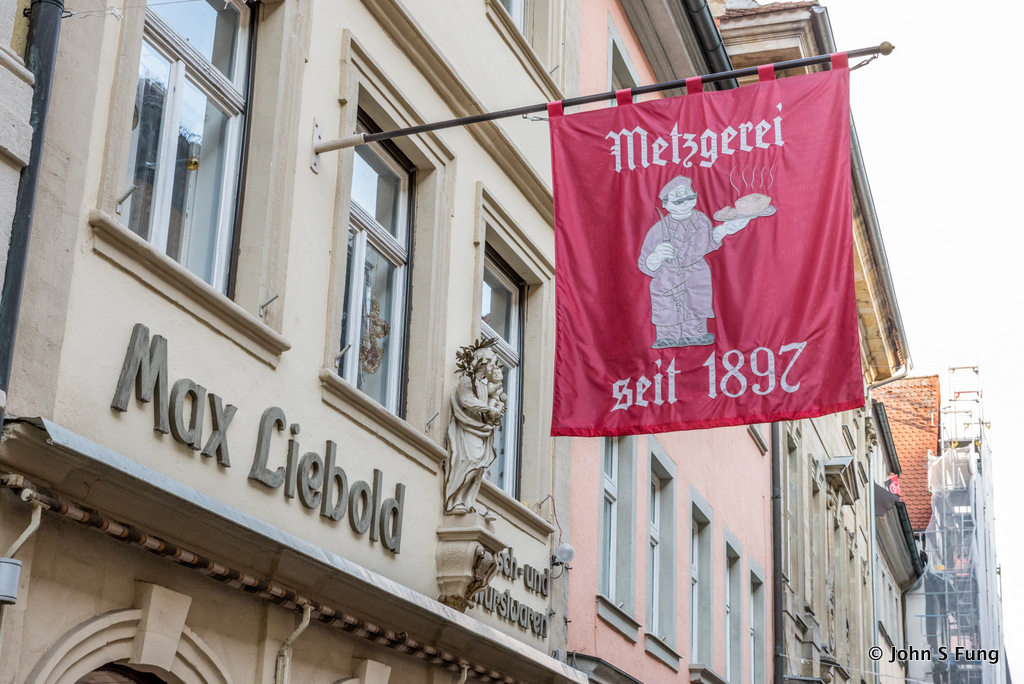
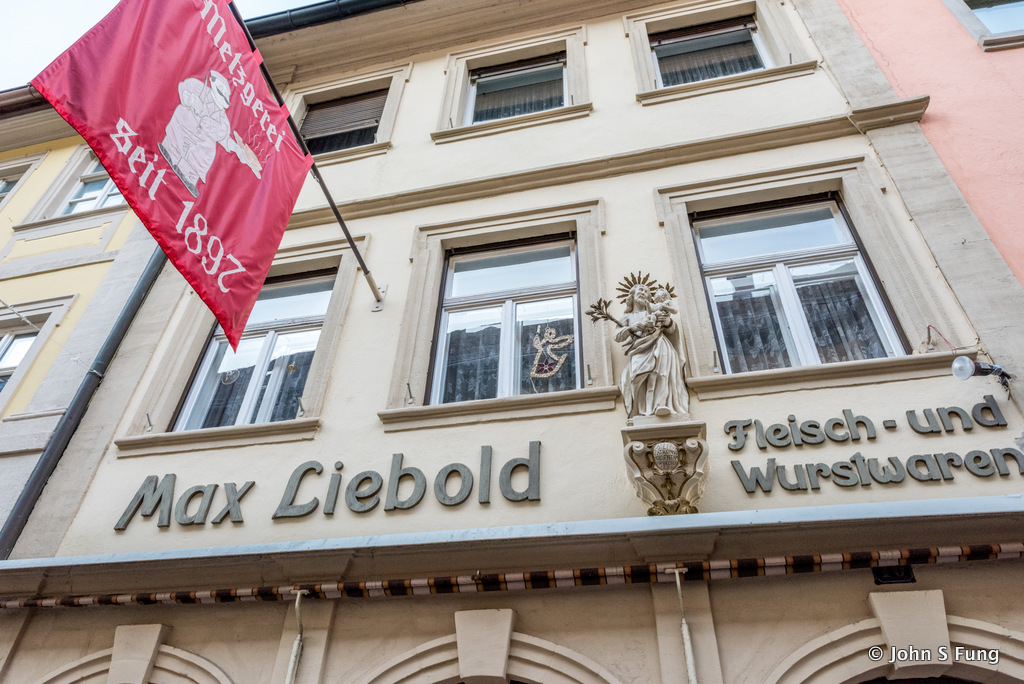
這是鎮內百年的香腸老店。 A 100-year-old sausage shop in Bamberg.
網上說這是一人氣餐廳。 A popular restaurant.
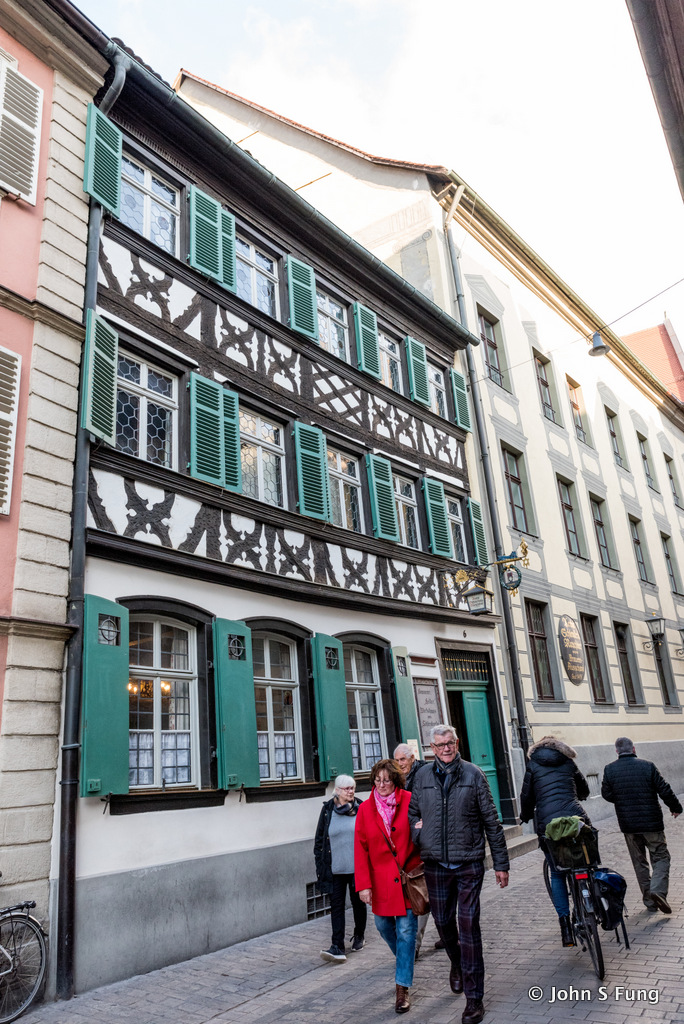
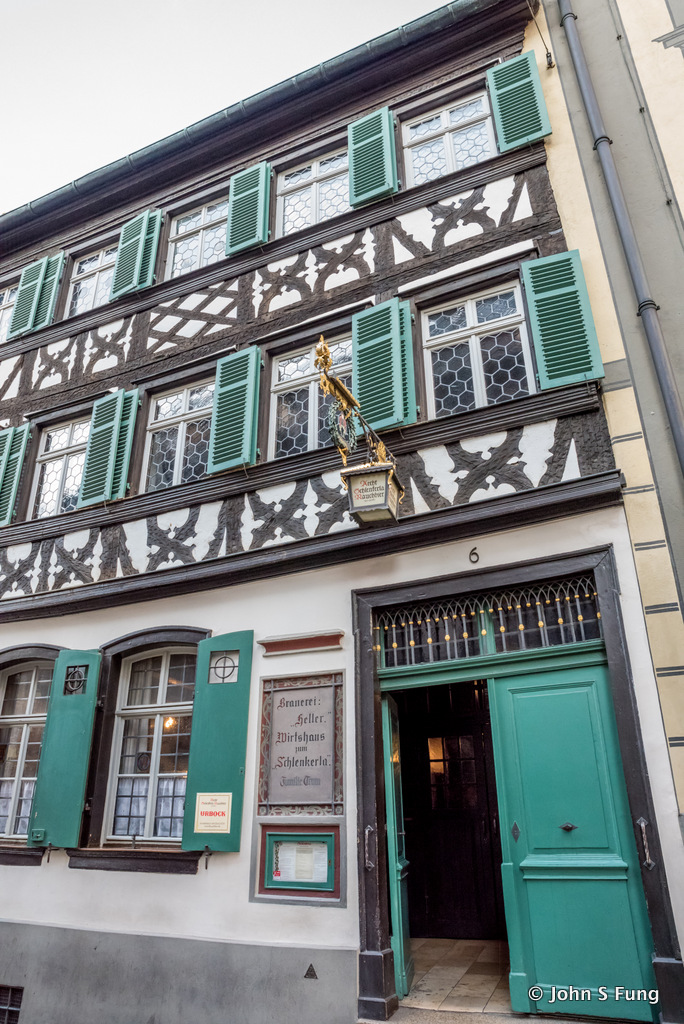
這店是煙火味啤酒的老店,各地”啤酒客”, “啤酒痴”, “啤酒迷” 的朝聖之地。
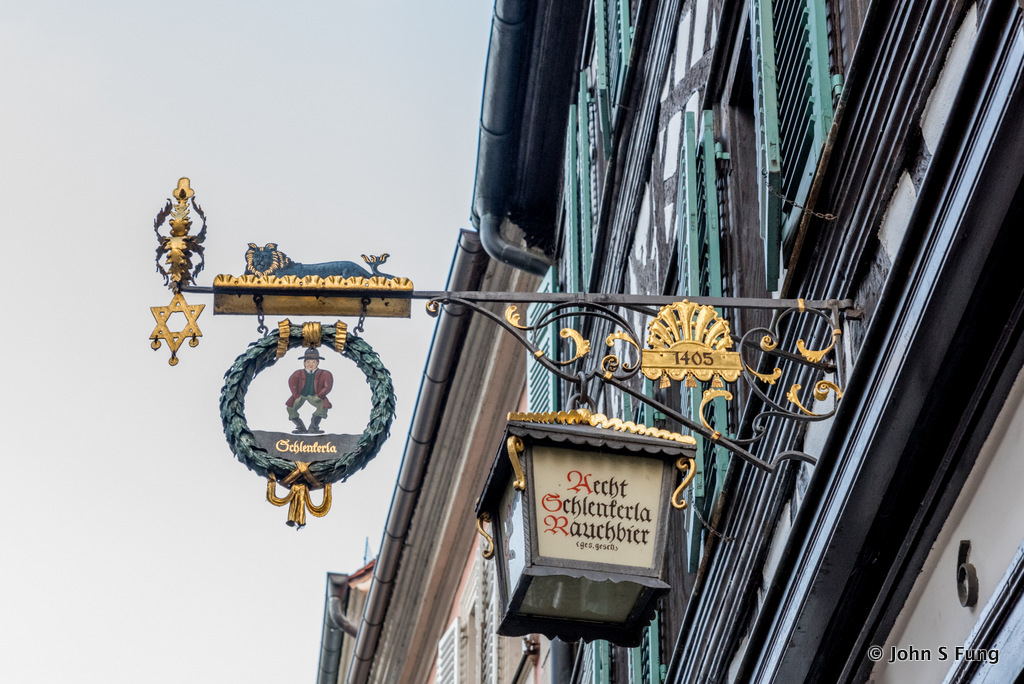
Schlenkerla Smokebeer, dates back 1405, said to be the original smoked beer of Bamberg. it is a pilgrimage site for beer lovers, or “beer snob” or “beer aficionado” or “beer enthusiast” (whatever they like to be called).
Being a couple of teetotallers (not 100% though), we know nothing about alcohol beverage. We were told that in medieval ages, malts were dried either by sun or over flames. Beer made with malts dried with fire imparted a smoky flavor. Later on, when kiln drying of malt became a standard procedure of beer making, the end product lost the smoky flavor. Nowadays, only a few brewers are still making them, and Schlenkerla is the Mecca of smoked beer.
Schlenkeria 漂亮的招牌。
The beautiful sign of Schlenkerla Rauchbier (Schlenkerla smoked beer).
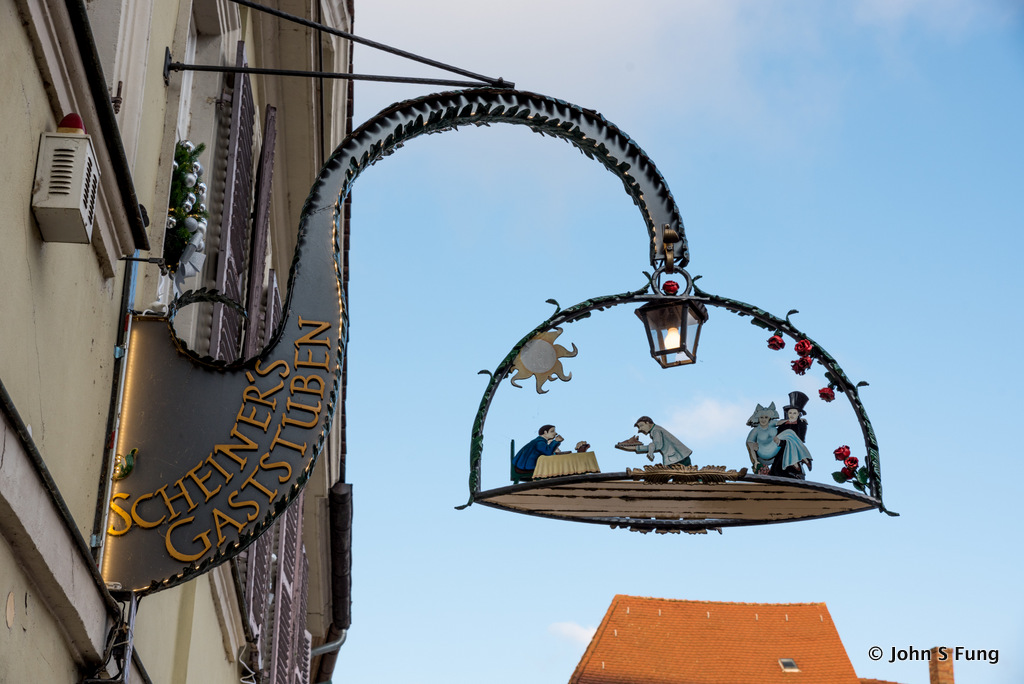
煙火啤酒店附近的 Scheiner’s Gaststuben, 這家人氣食店的立體招牌相當特別。
The 3D sign of the restaurant Scheiner’s Gaststuben.
班貝格大教堂廣場 Cathedral Square (Domplatz):
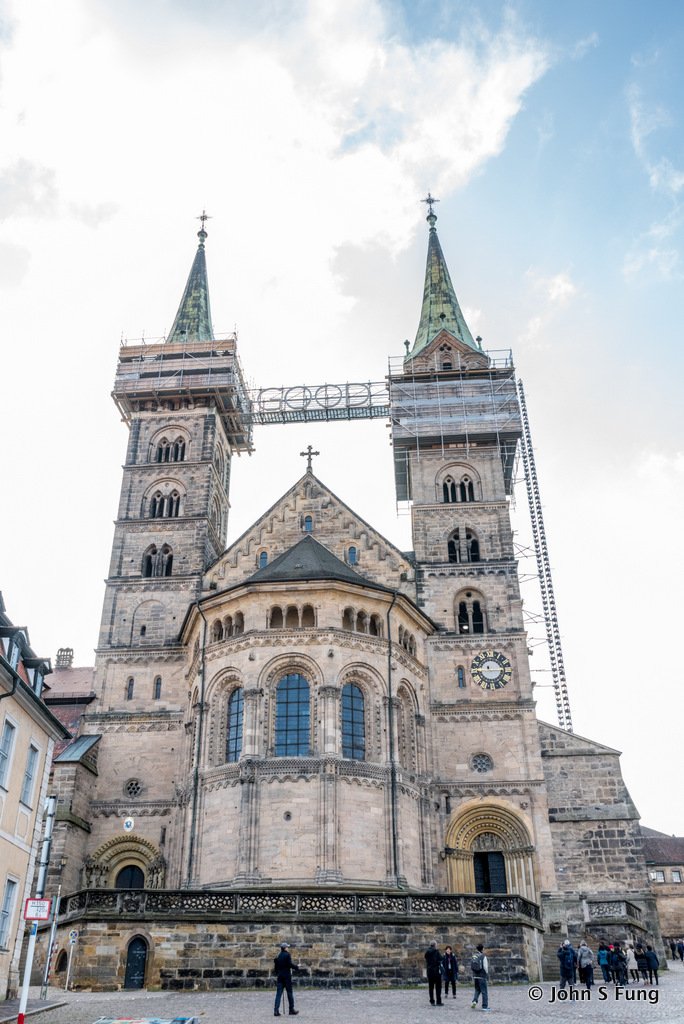
班貝格大教堂的東面立面。
The east facade of Bamberger Dom, Bamberg Cathedral.
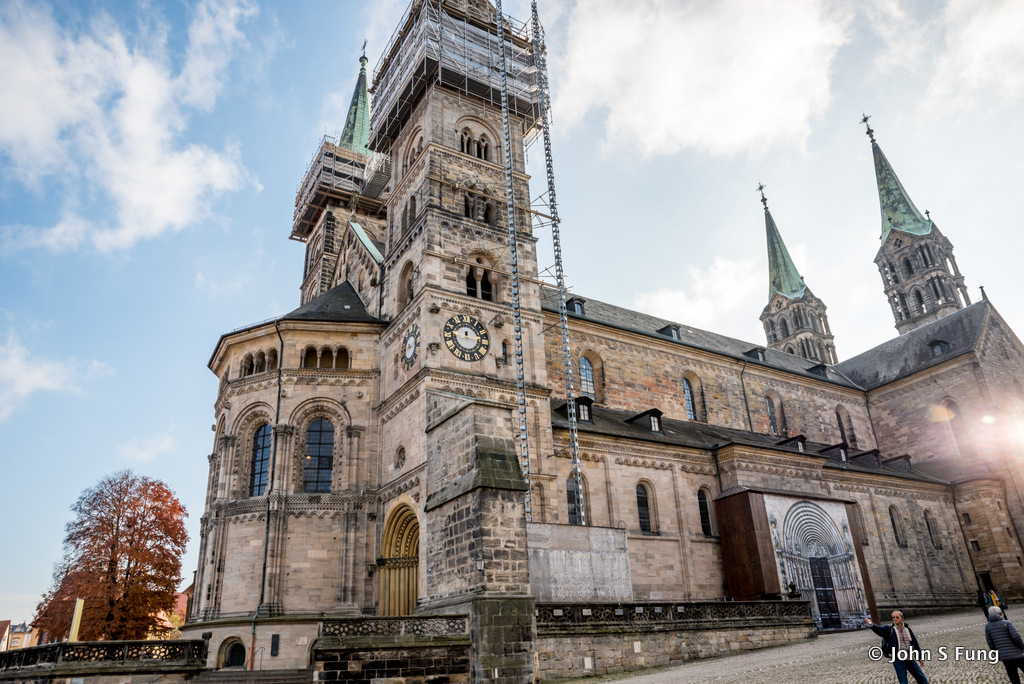
班貝格大教堂的北面立面。The north facade of Bamberg Cathedral.
大教堂北面過去就是班貝格歷史博物館。
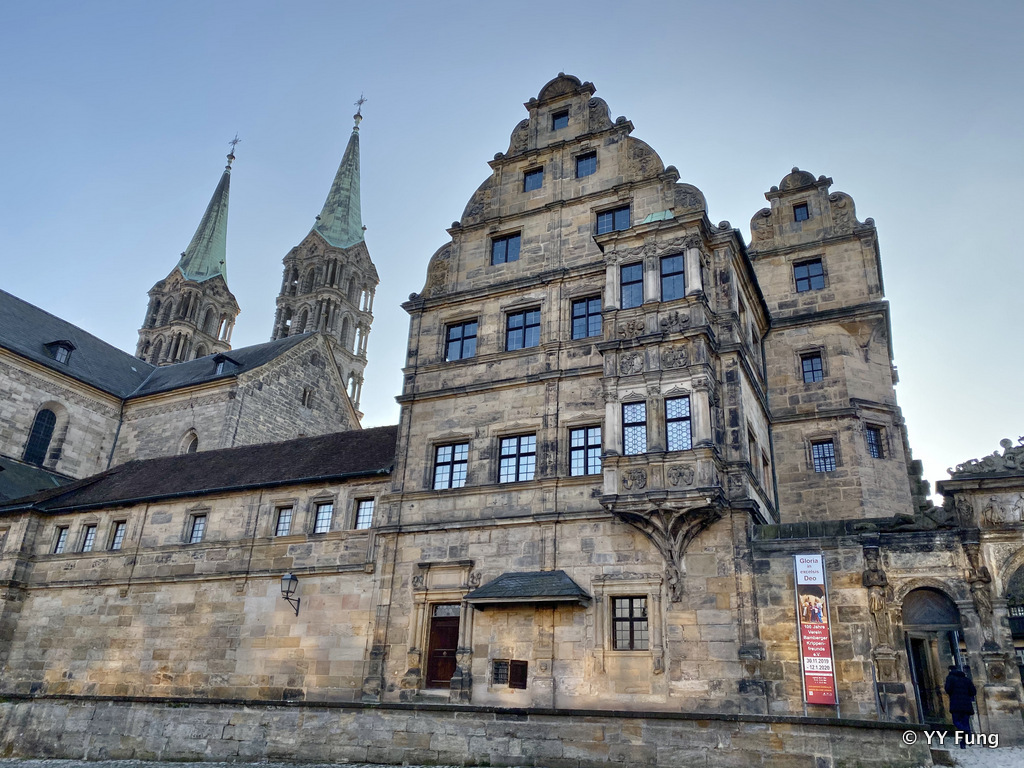
Next to the north facade of the Cathedral is this beautiful building, home to Bamberg Historical Museum.
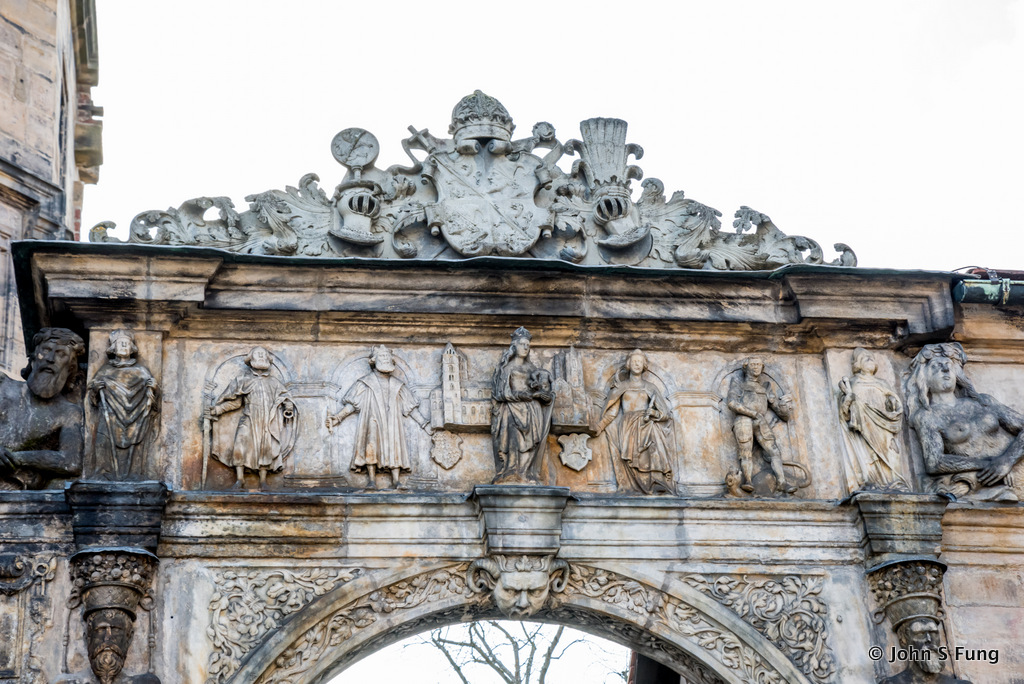
導遊領我們走過這漂亮的門進入大主教的舊宅。
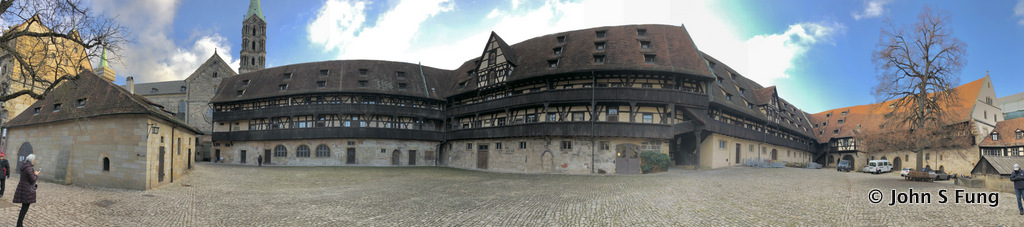
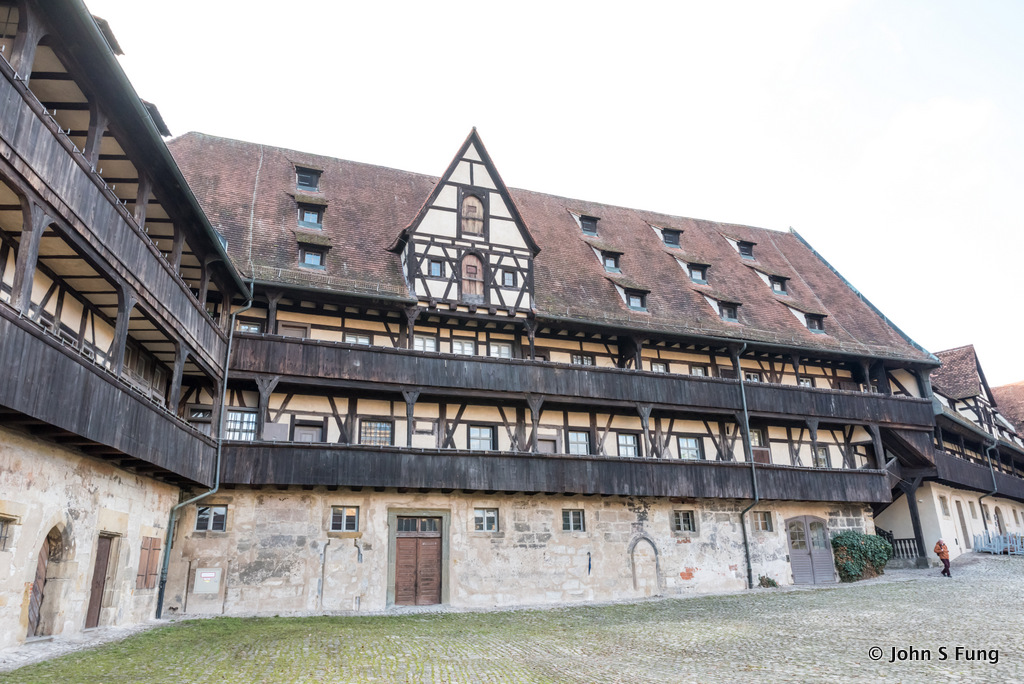
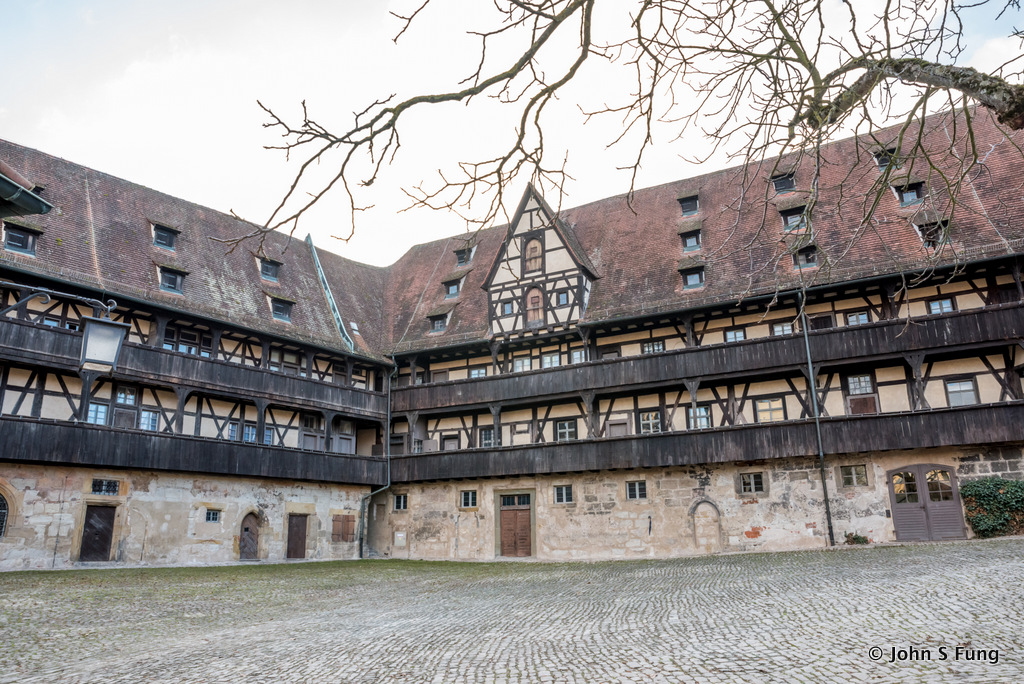
We were led through the gate north of the museum to the Old Court, Alte Hofthaltung, the former prince-bishop’s palace (as seen below), now part of the Historical Museum.
這中世紀舊宅很有味道,最重要的是左面平房後有現代洗手間,濟人之急,大家欣然排隊參觀。
We were led to admire the beautiful medieval building, and most importantly, there is a paid lavatory behind the building on the left, almost everyone stayed in line to pay their dues.
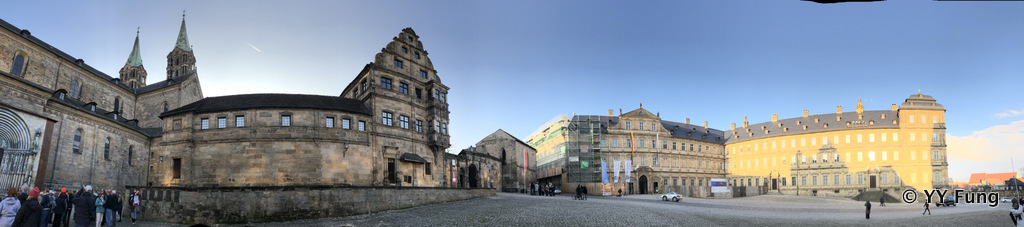
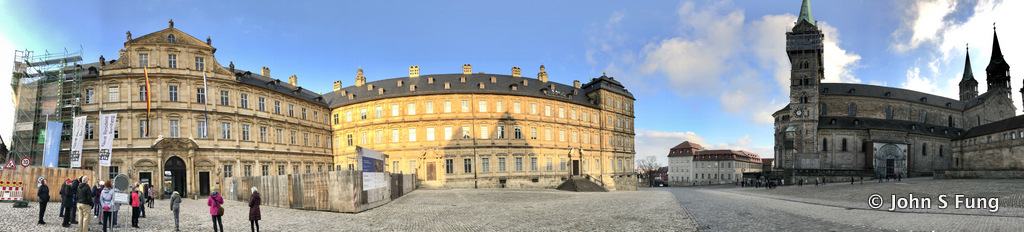
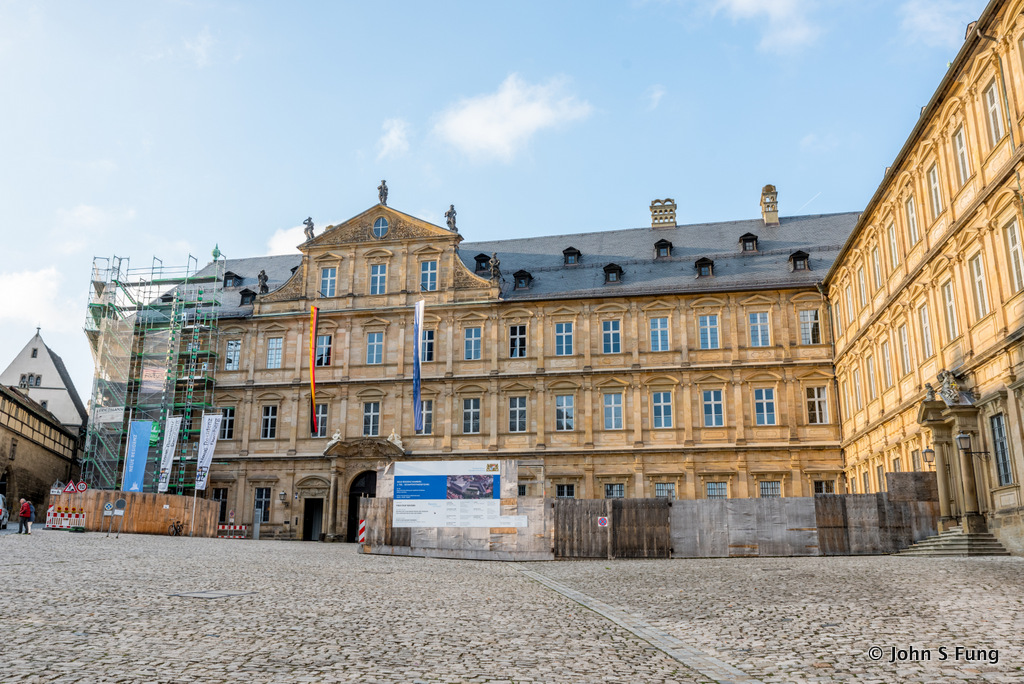
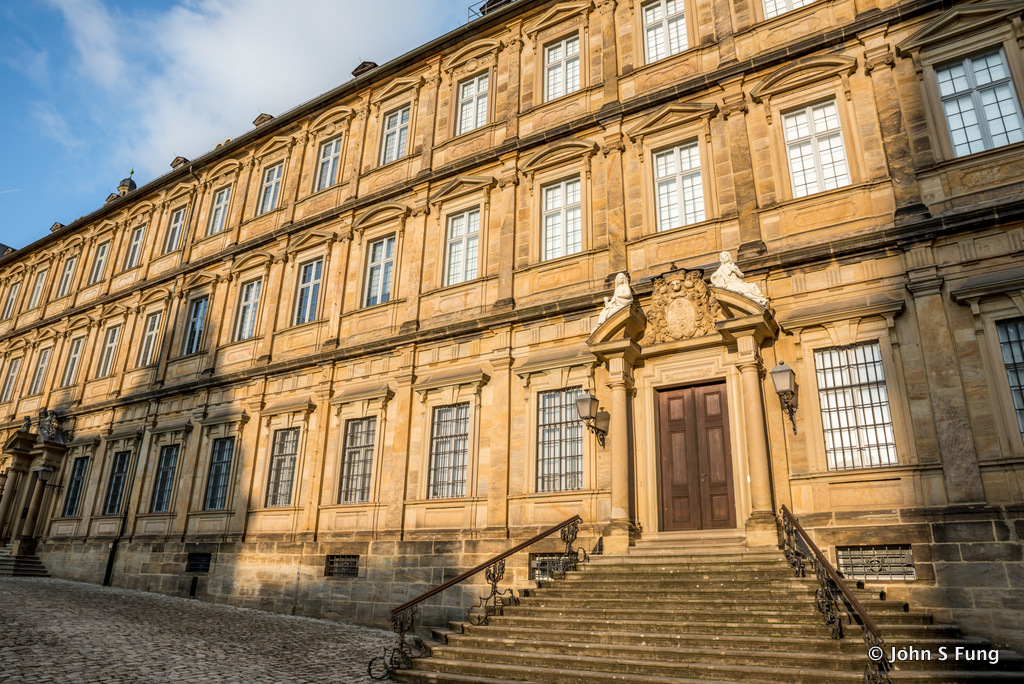
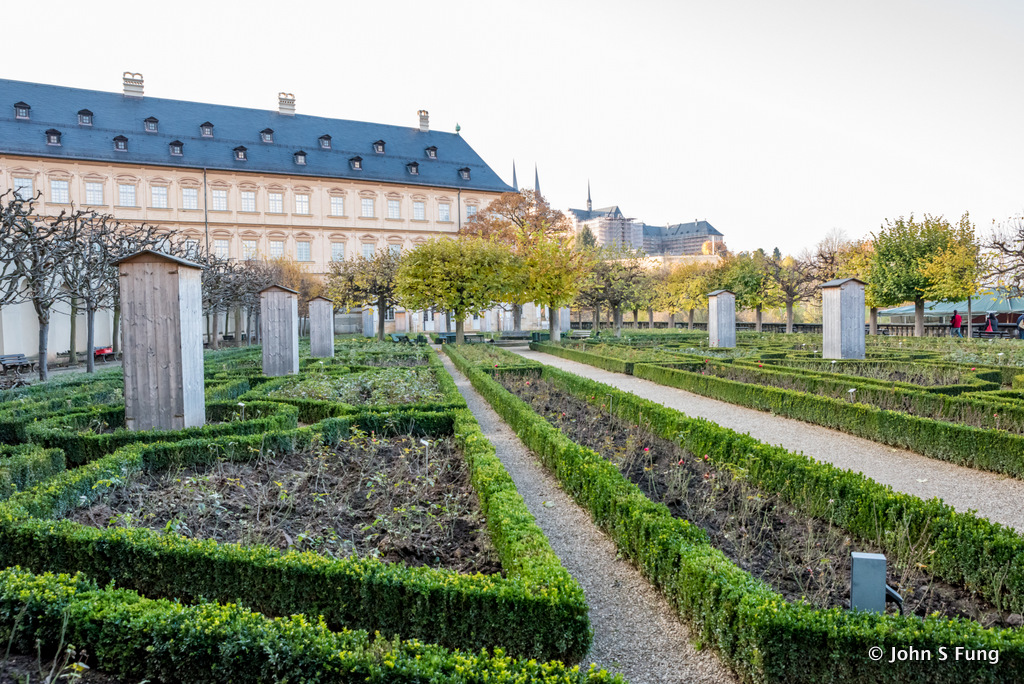
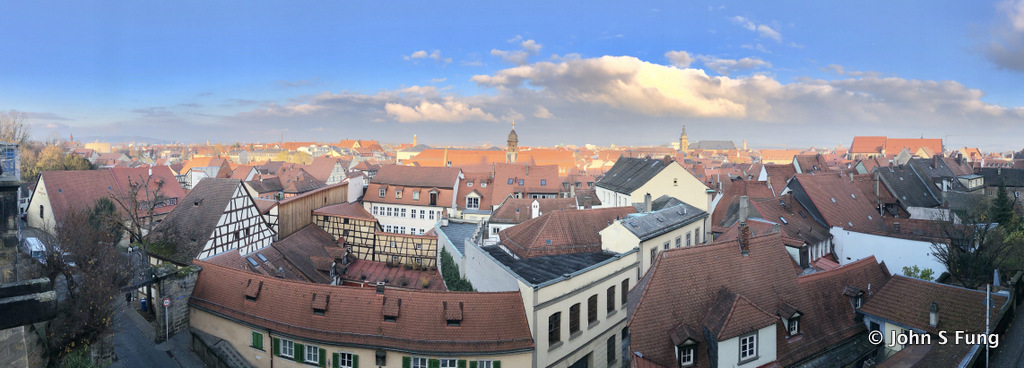
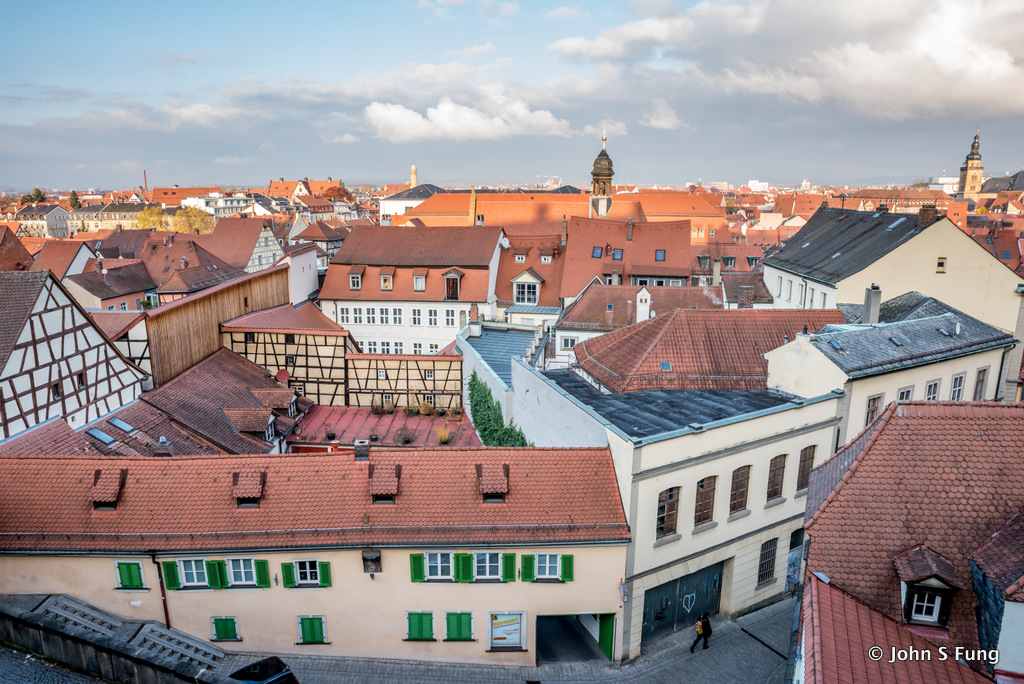
The Neue Residenz is a multi-wing, listed building on Cathedral Square. It was the residence of the Bamberg prince-bishops from 1602 and replaced the old court on the other side of the square in this function. Today the sandstone complex houses the State Library and the State Gallery of Bamberg. From the rose garden of the Neue Residenz, we had a panoramic view of the roofs of the town.
新主教府的玫瑰花園,可惜花季已過。 The rose garden of the New Residence.
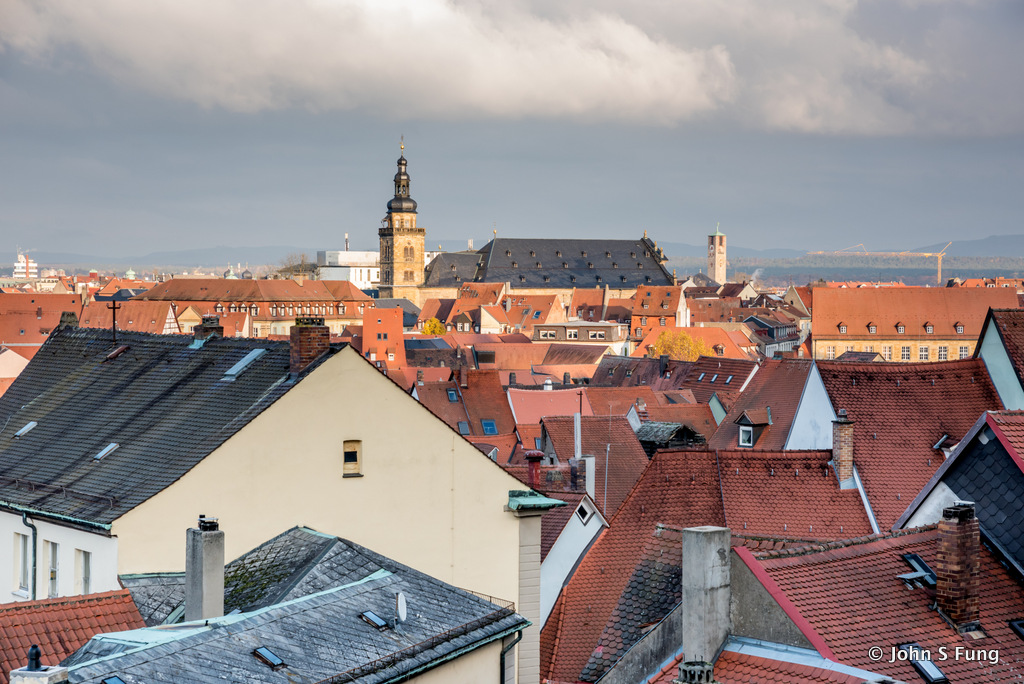
自玫瑰園看到班貝格全景。
A panoramic view of downtown Bamberg from the balcony of the rose garden.
參觀完玫瑰園,我們轉回主教廣場,進入今天唯一的室內參觀 (其實也是行色怱怱、走馬看花)。
After visiting to the rose garden, we stepped back out to the Cathedral Square and walked across the street to admire the cathedral.
班貝格大教堂 – 現正是樞機主教的座堂,同時也是班貝格世界遺產的一部份。
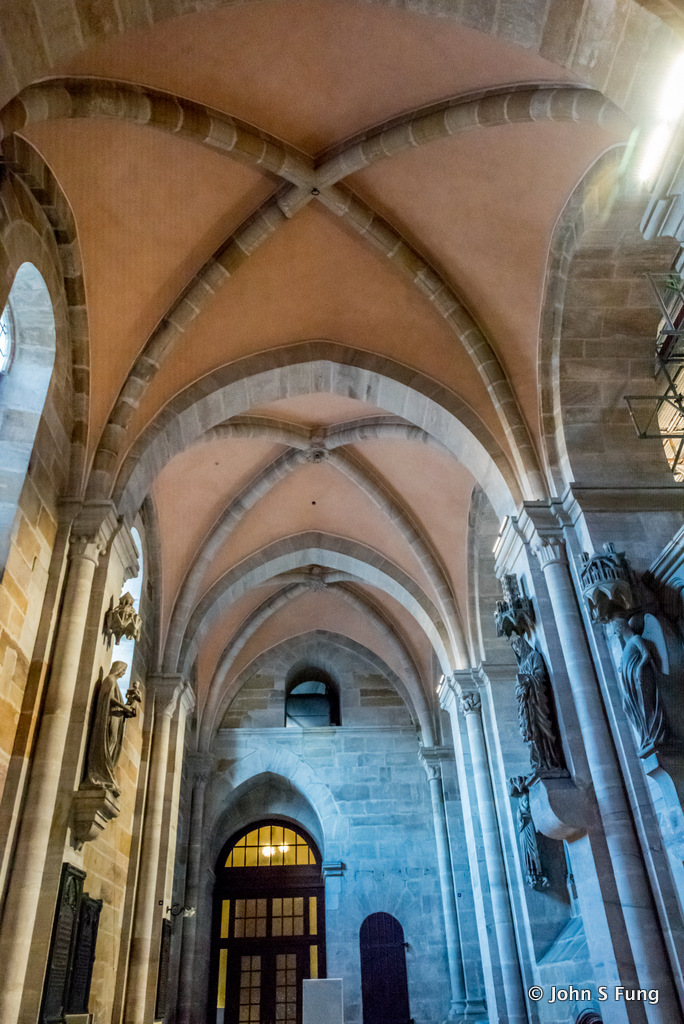
Bamberg Cathedral, Bamberger Dom, official name Bamberger Dom St. Peter und St. Georg. The cathedral is under the administration of the Roman Catholic Church and is the seat of the Archbishop of Bamberg. Since 1993, the cathedral has been part of the UNESCO World Heritage Site “Town of Bamberg” (Wikipedia).
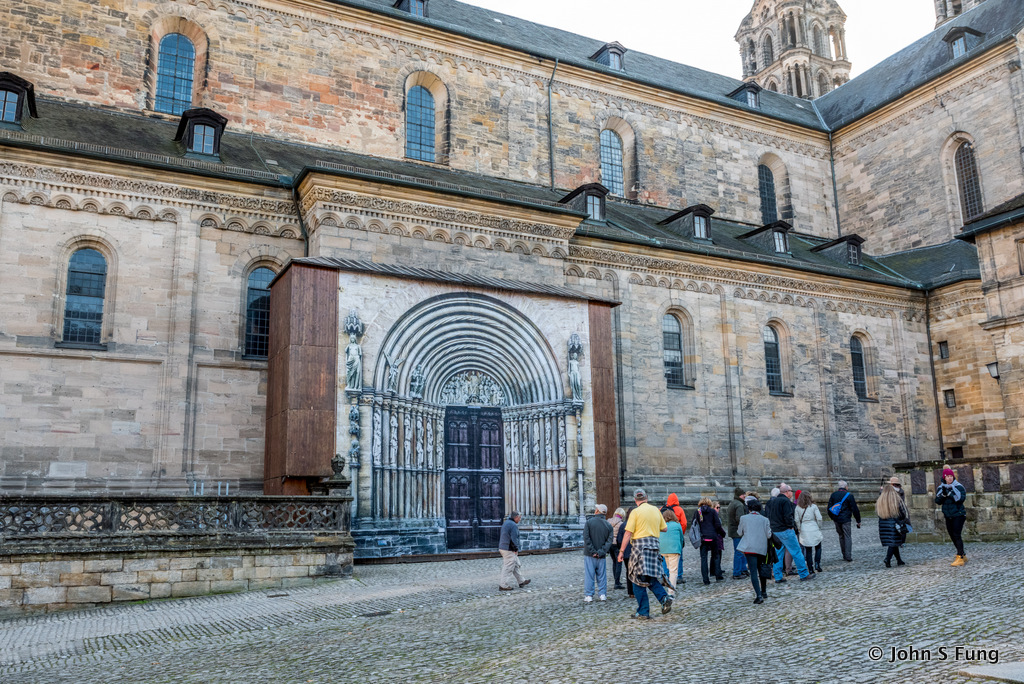
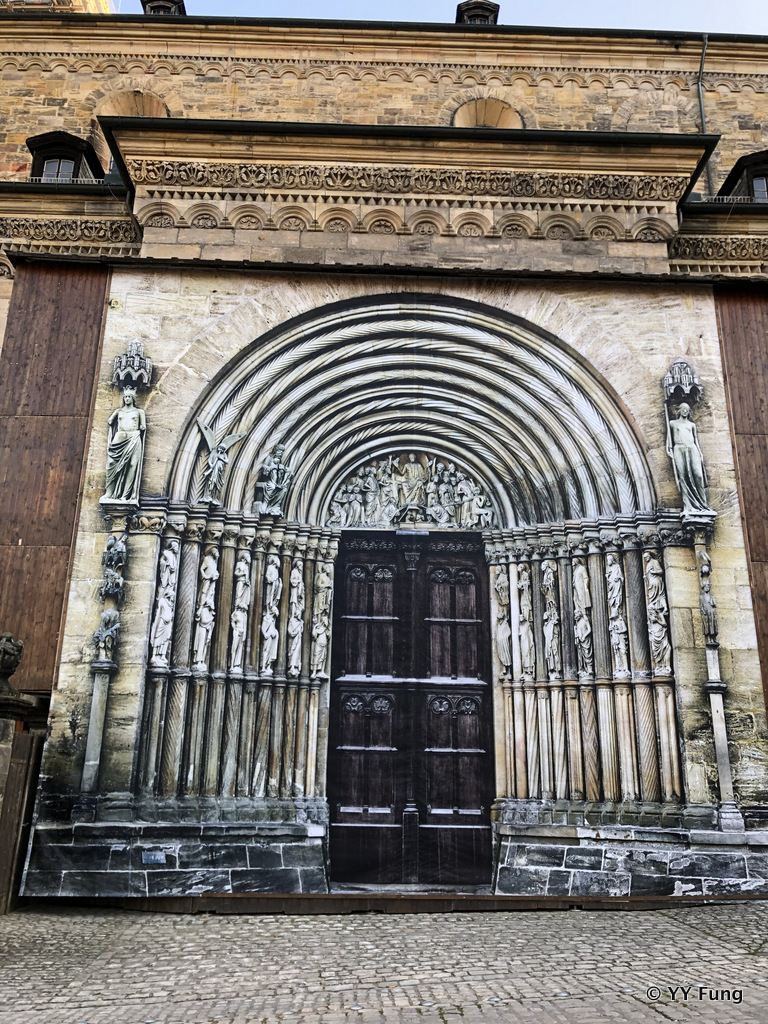
教堂北立面的大門有精緻雕刻,可惜已用同大小的照片封蓋,據說是避免冬天低溫破壞它們。
The north facade of Bamberg Cathedral. The beautiful gate was closed for winter, covered by a live-size picture to protect the carvings.
Portal of the Princes.
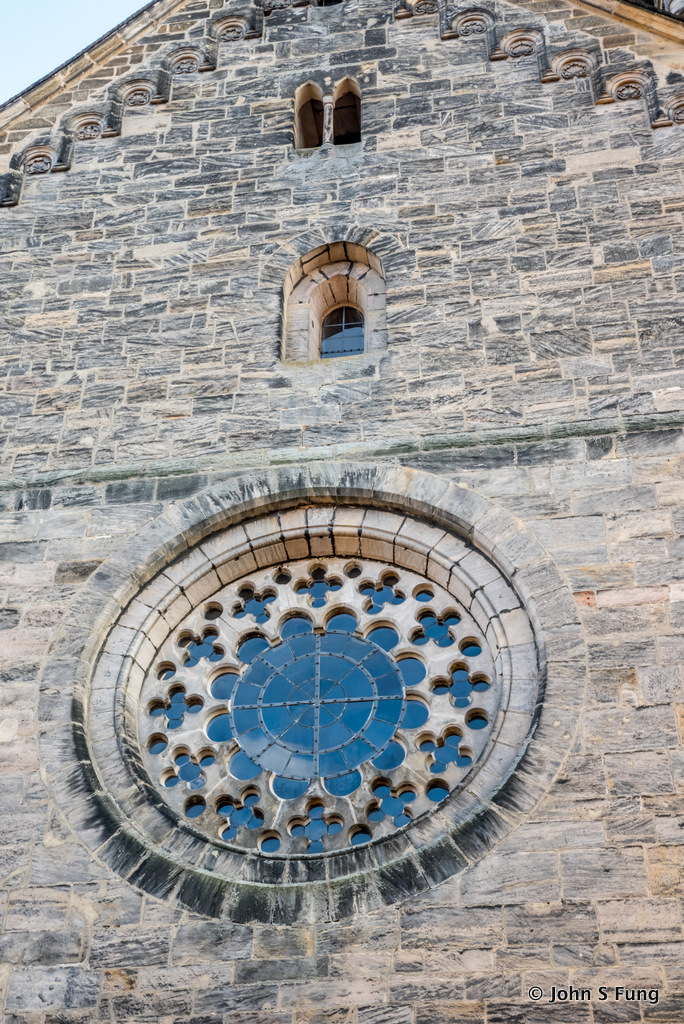
北面耳堂的玫瑰窗。 The rosary window on the north transept.
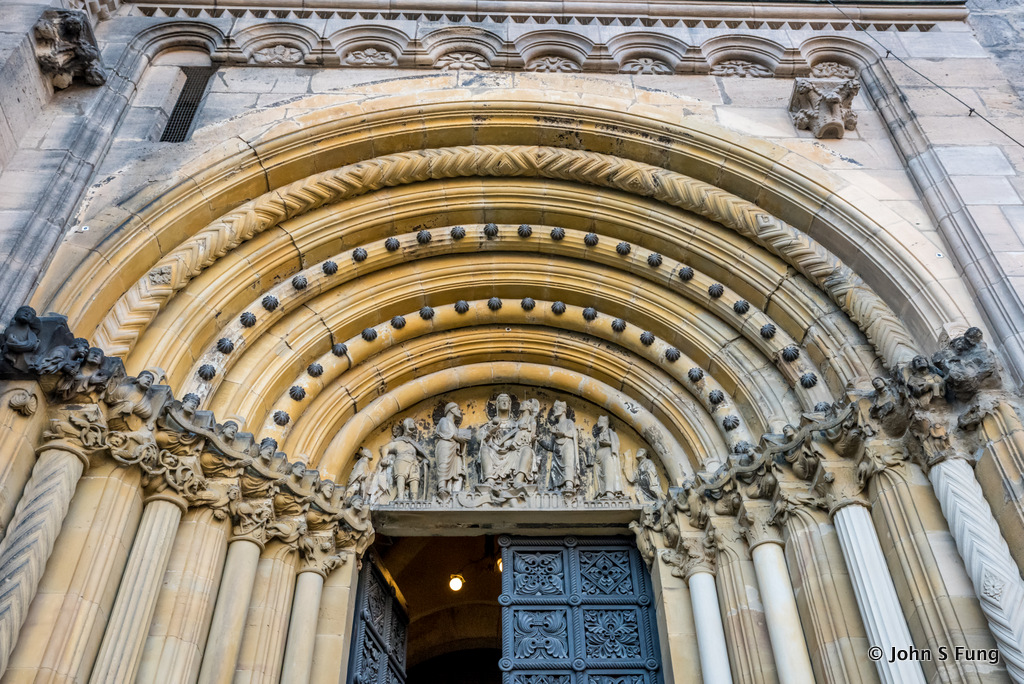
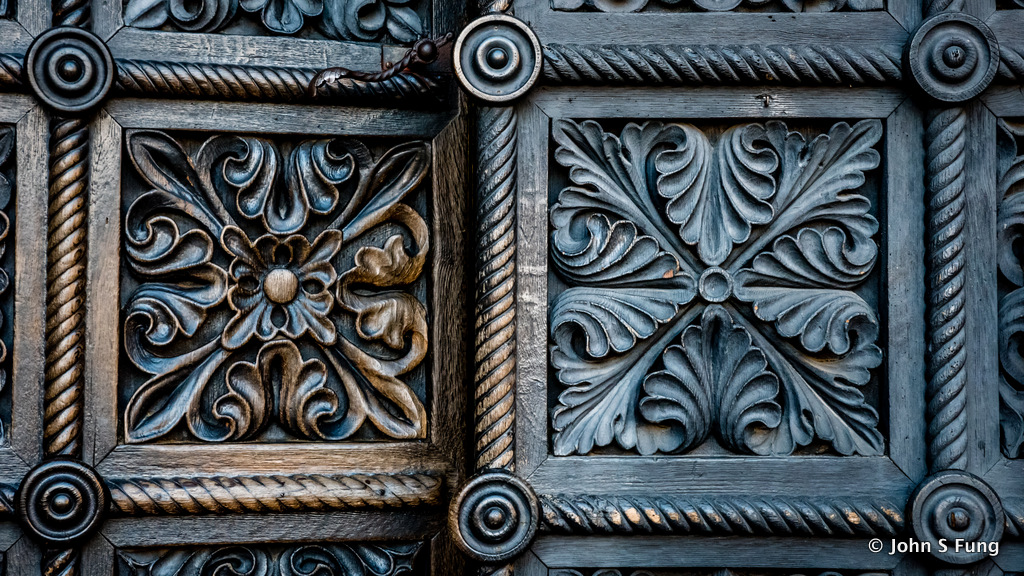
西面立面的木門和木門上的雕刻(上圖)Carving on the portal of the west facade.
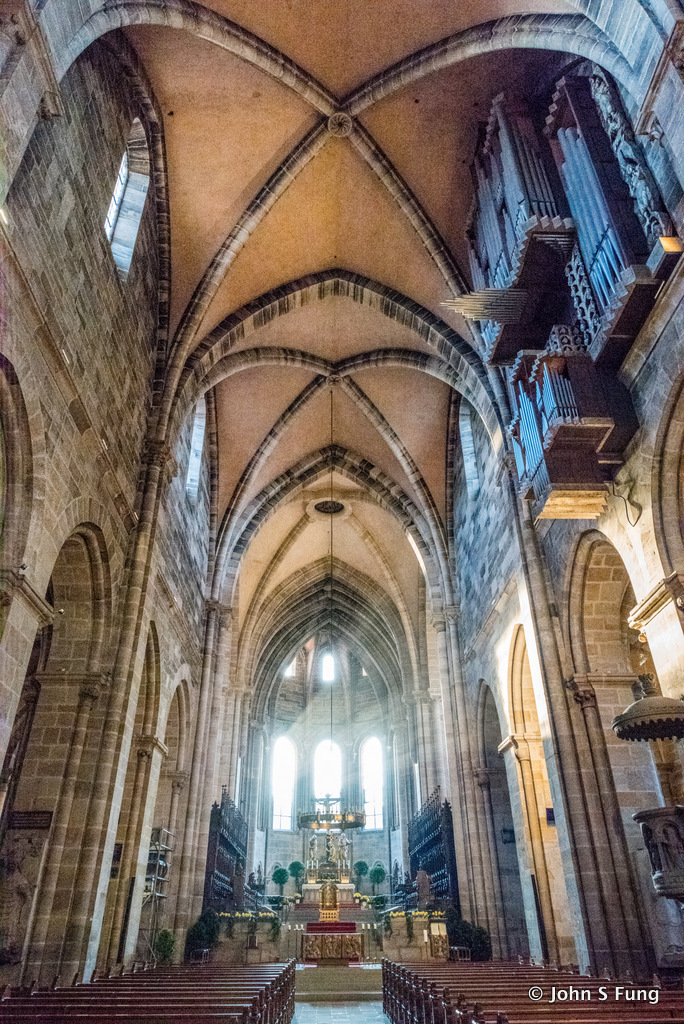
大教堂的主祭壇。 The main altar of the cathedral.
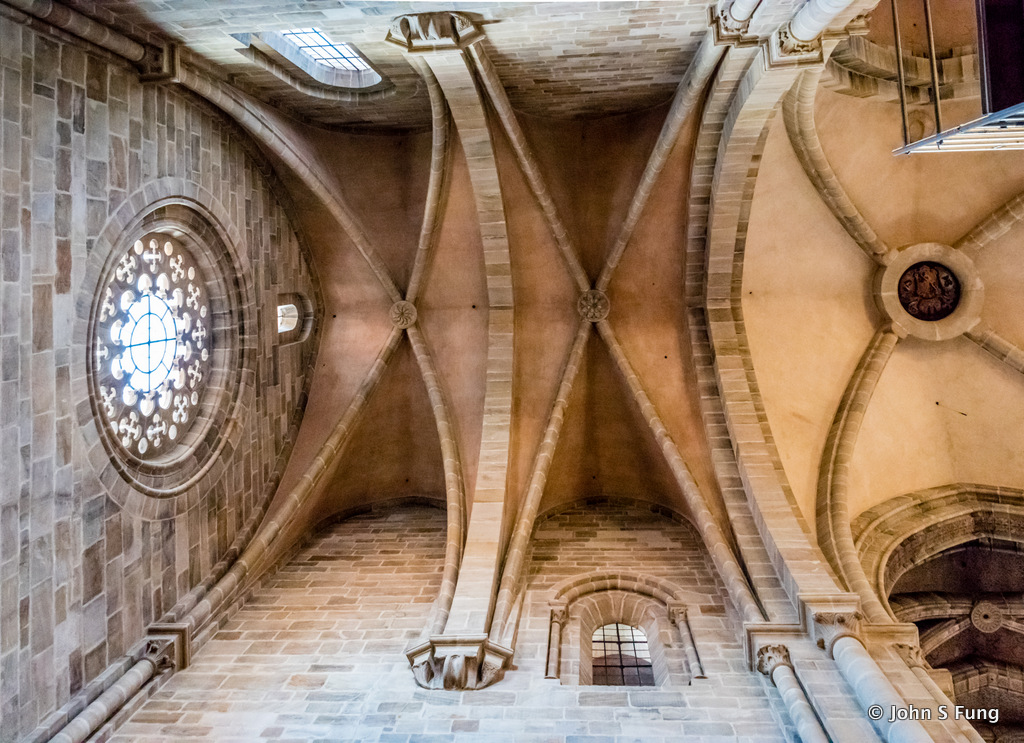
北面耳堂的玫瑰窗和哥德式的肋狀天花。
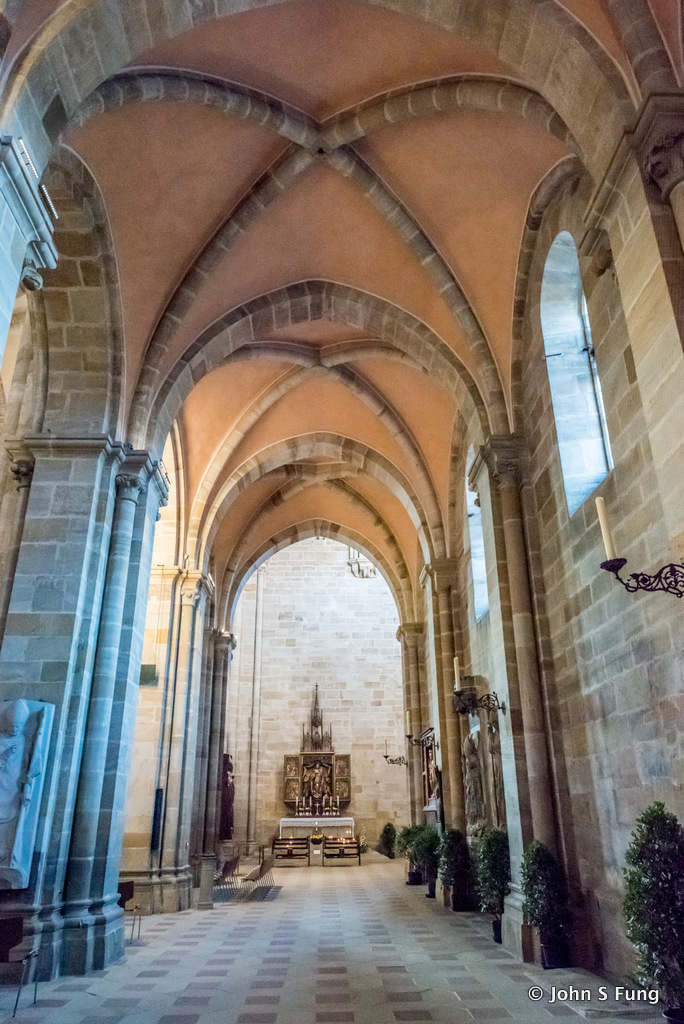
The Gothic rib-vault ceiling and the rosary window of the north transept.
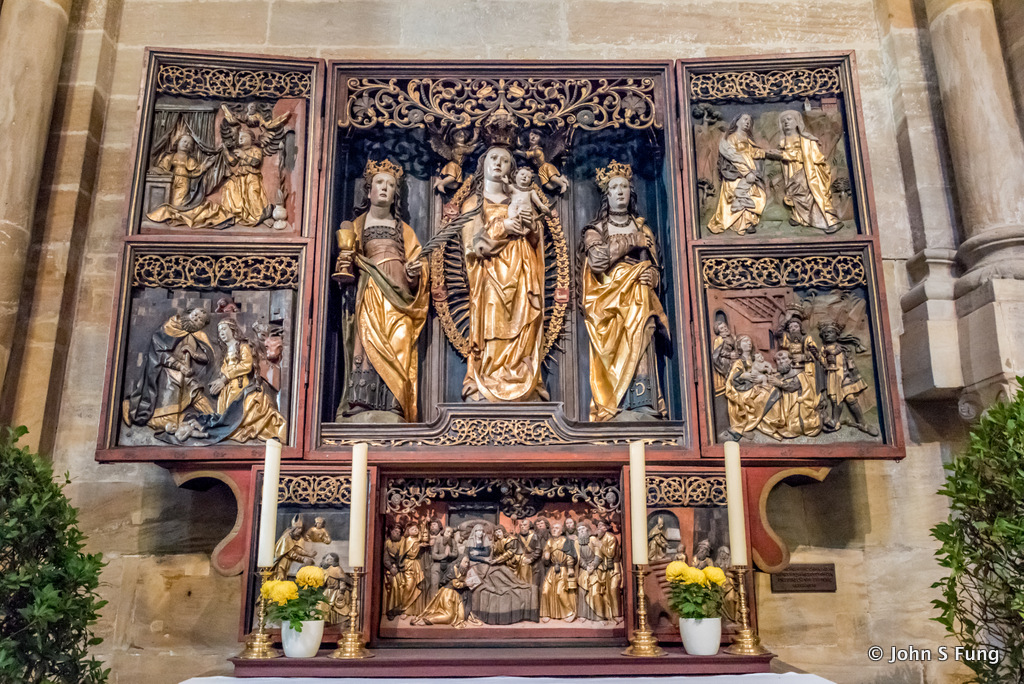
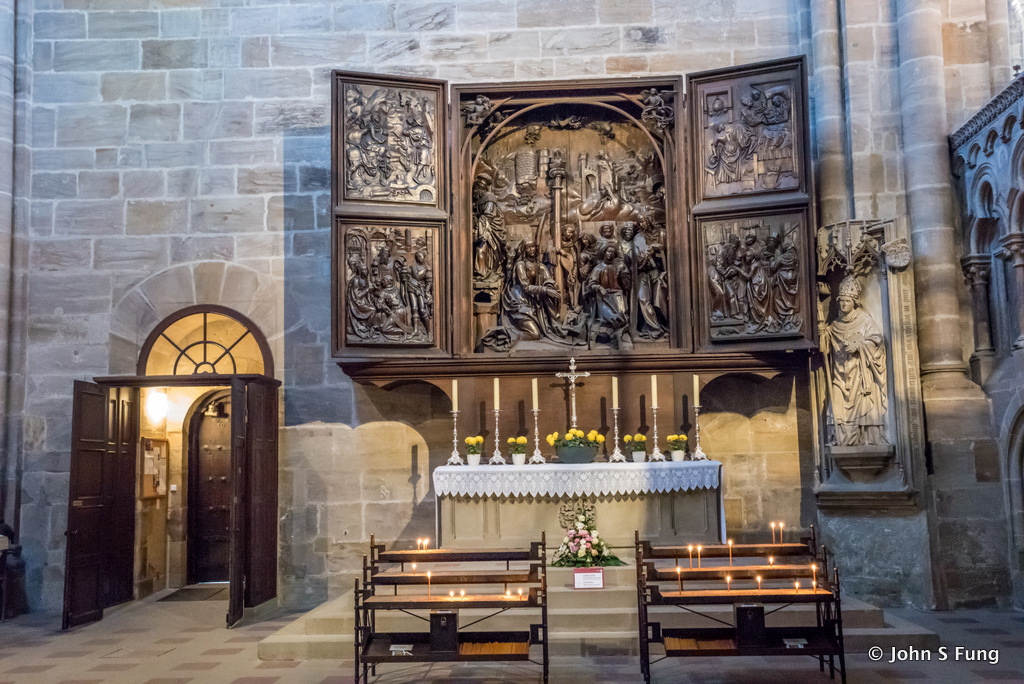
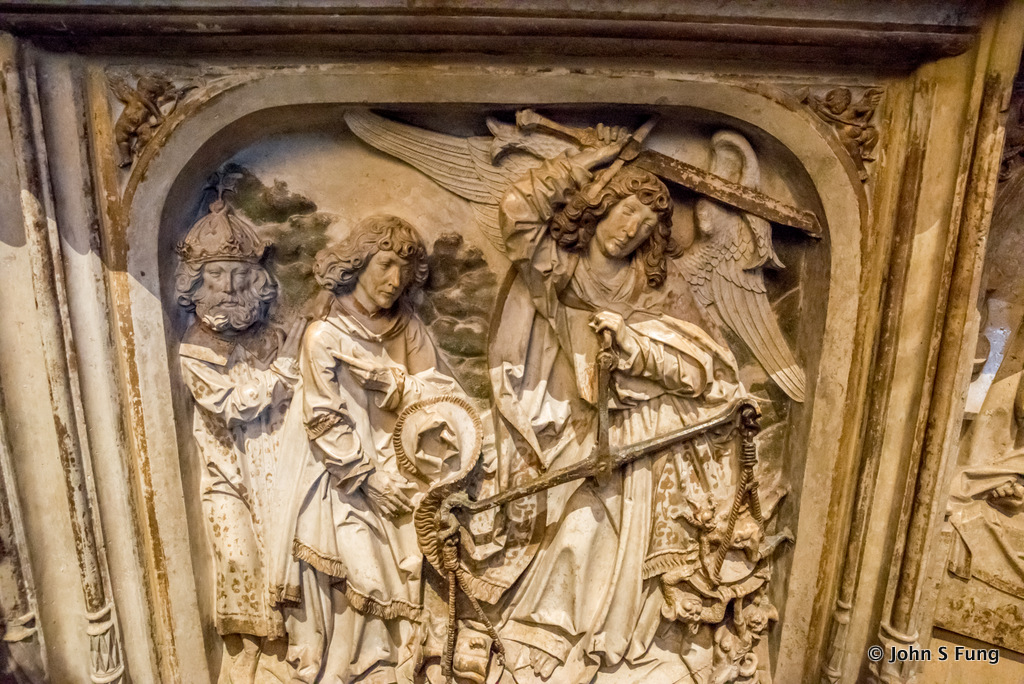
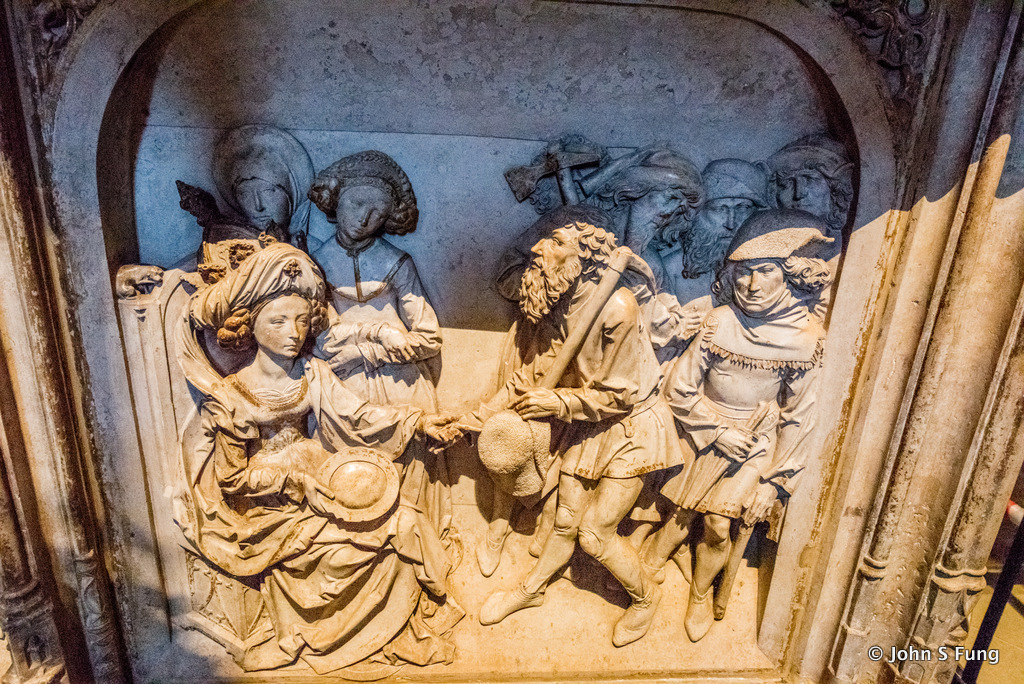
這是北耳堂中供奉聖母的哥德式祭壇,原來是Mühlhausen 新教會教堂的祭壇。
The northern transept holds a late Gothic (c. 1500) altar dedicated to Mary (Mühlhausener Altar). It was previously located in the Protestant parish church of Mühlhausen. (Wikipedia)
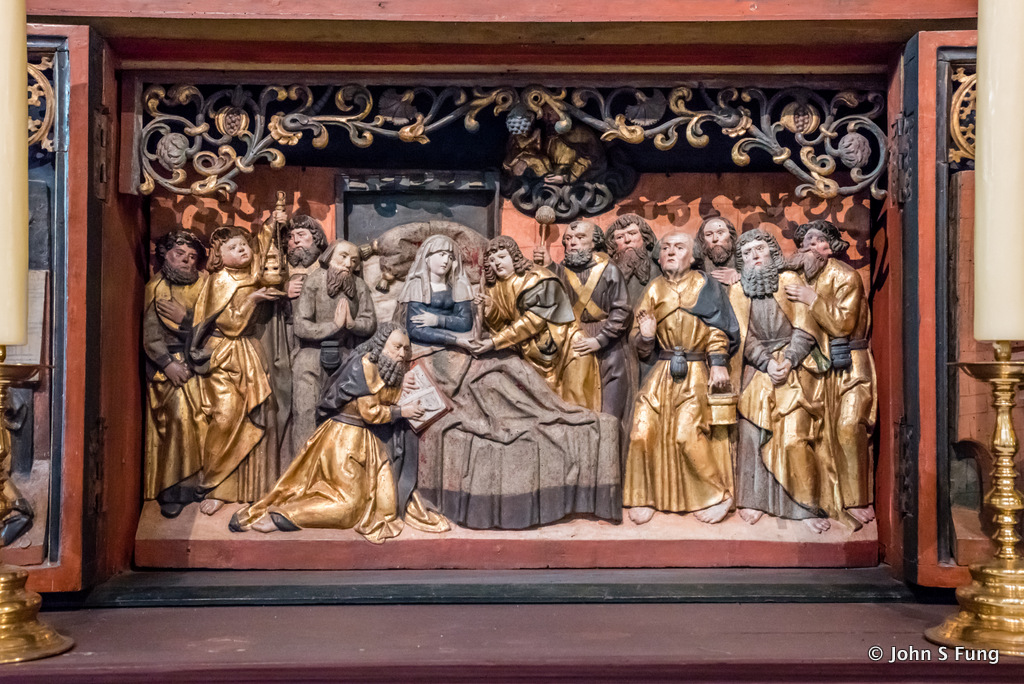
祭壇下方的浮雕。 The lower relief carving of the Mühlhausener Altar.
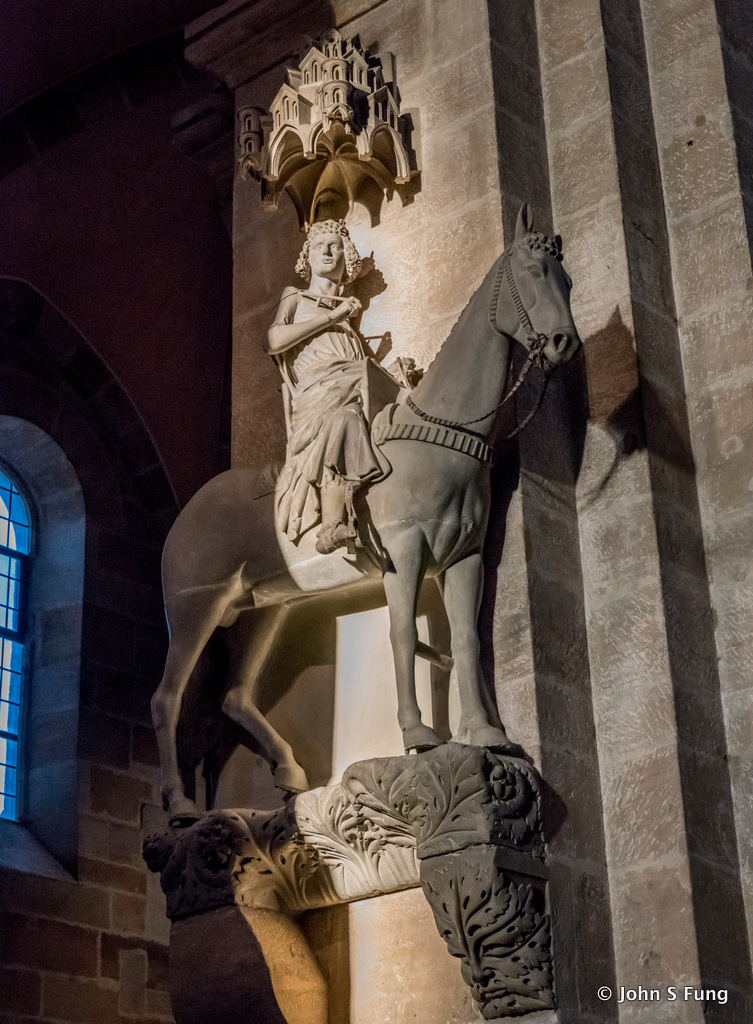
班貝格騎士 – 在教堂中庭,有石雕騎士像。這騎士到底代表誰,眾說紛紜,莫衷一是。
The Bamberger Reiter – On the northwestern choir column, supported by an Acanthus corbel, stands an equestrian statue known as the Bamberg Horseman (Bamberger Reiter). There is no consensus on who this knight on horseback really was supposed to represent.
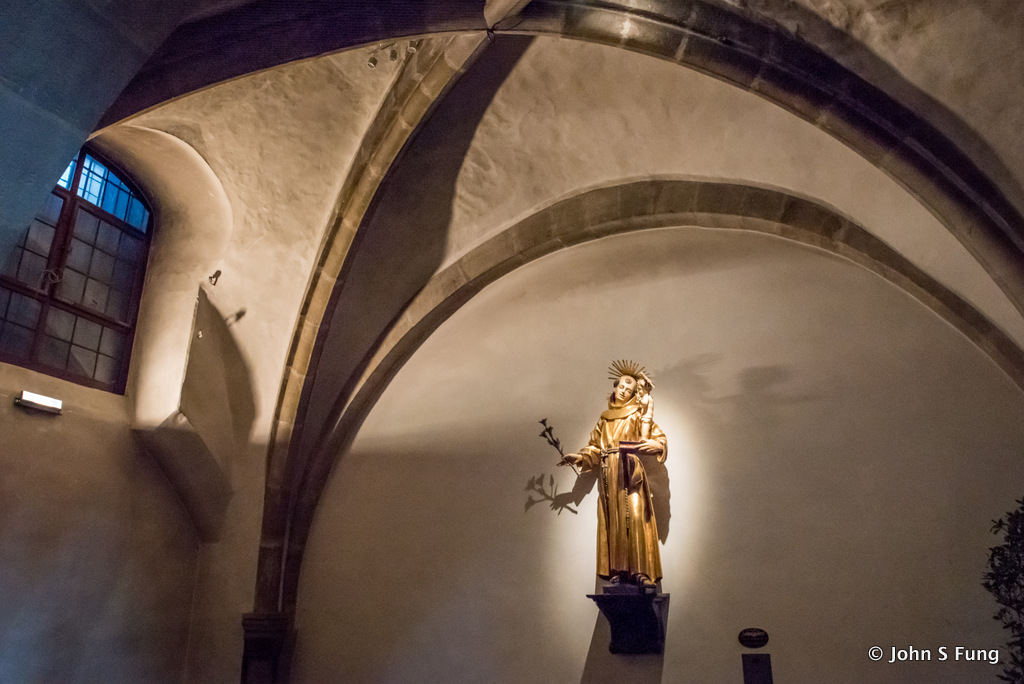
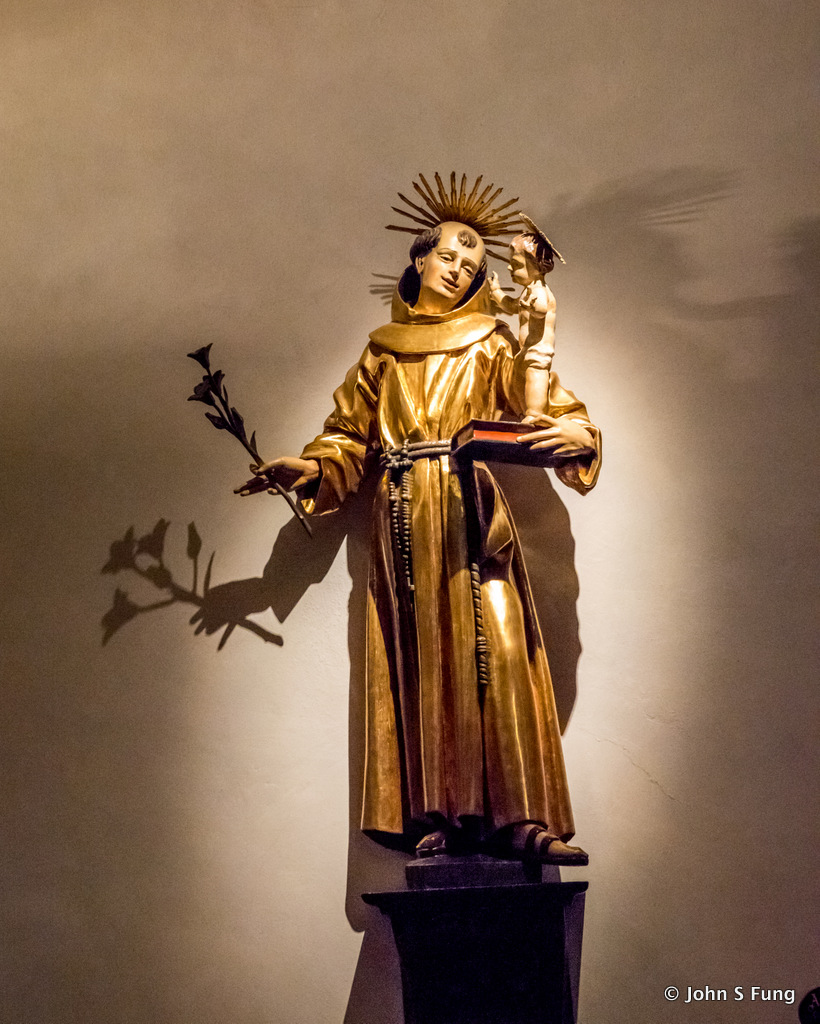
記得這是南面耳堂附近一禮拜堂,雕像的造型加上燈光,十分優美。(還未能找到有関資料)
A statue in a chapel near the south transept, info pending.
南面耳堂的耶蘇誔生祭壇 (1520-3)
The southern transept contains a large Nativity altar by the artist Veit Stoss in 1520-3. (Wikipedia)
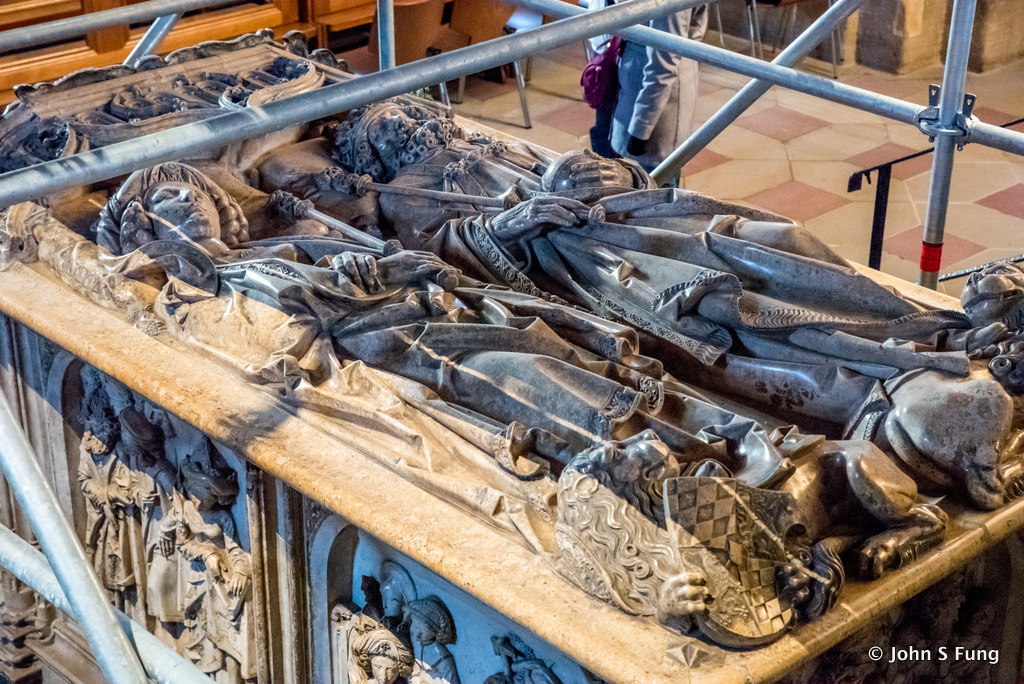
神聖羅馬帝國國皇亨利二世和皇后 Kunigunde 的靈框。
Tomb of Emperor Heinrich II and Empress Kunigunde by Tilman Riemenschneider.
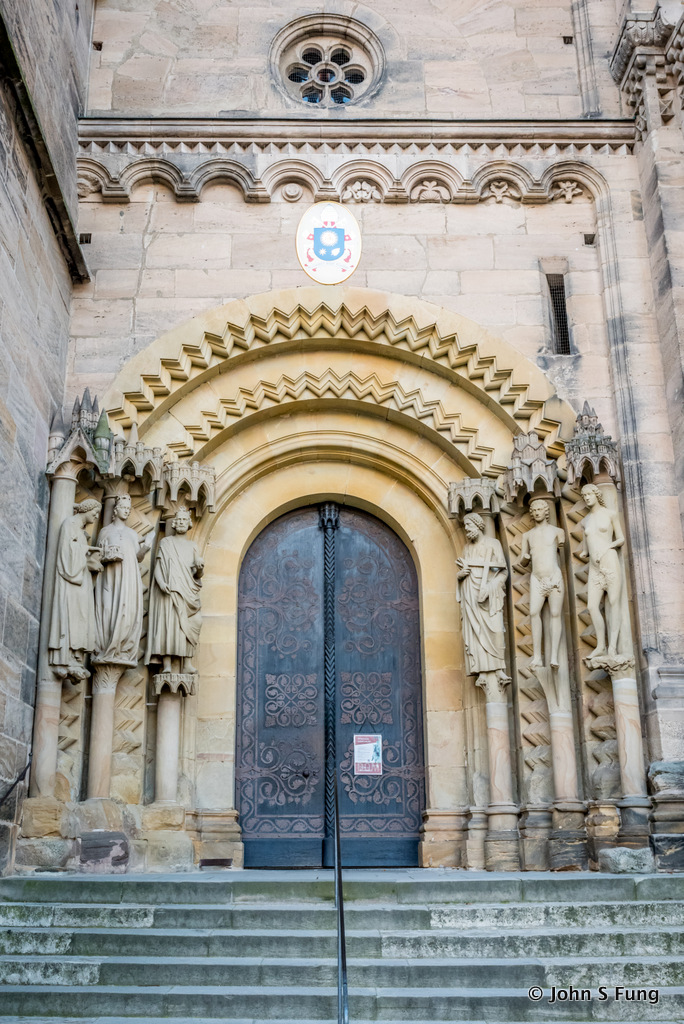
亞當門 – 門外有六個雕像,聖史提券,Kunigunde 皇后,亨利皇二世,聖彼得,亞當和夏娃。
Adamspforte – The portal sports figures (replicas) of St. Stephen, Kunigunde, Heinrich II, St. Peter and Adam and Eve.
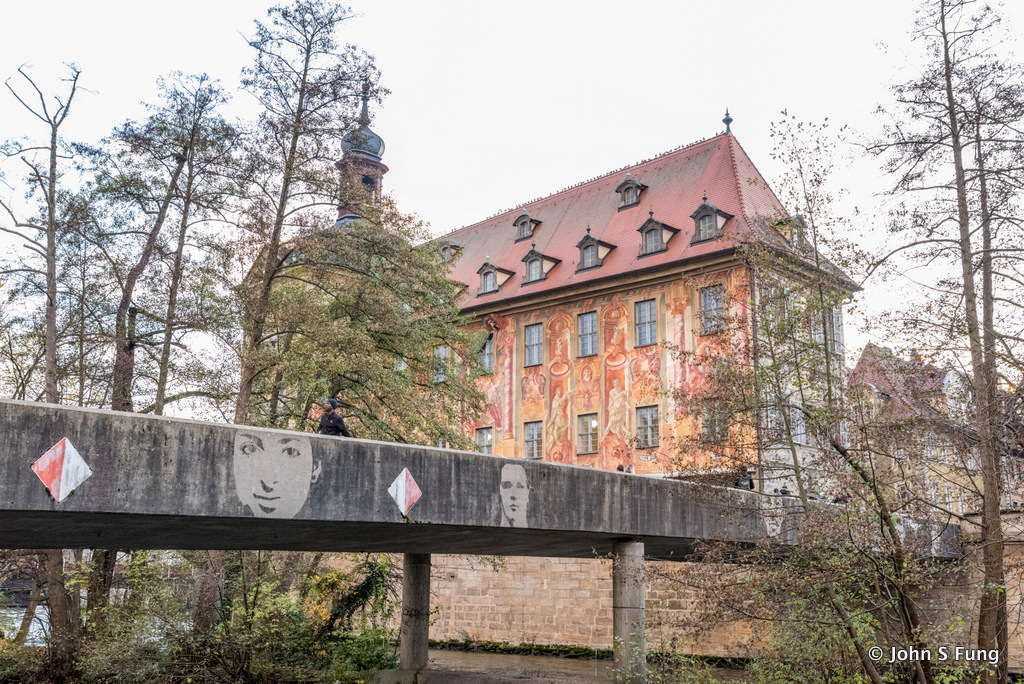
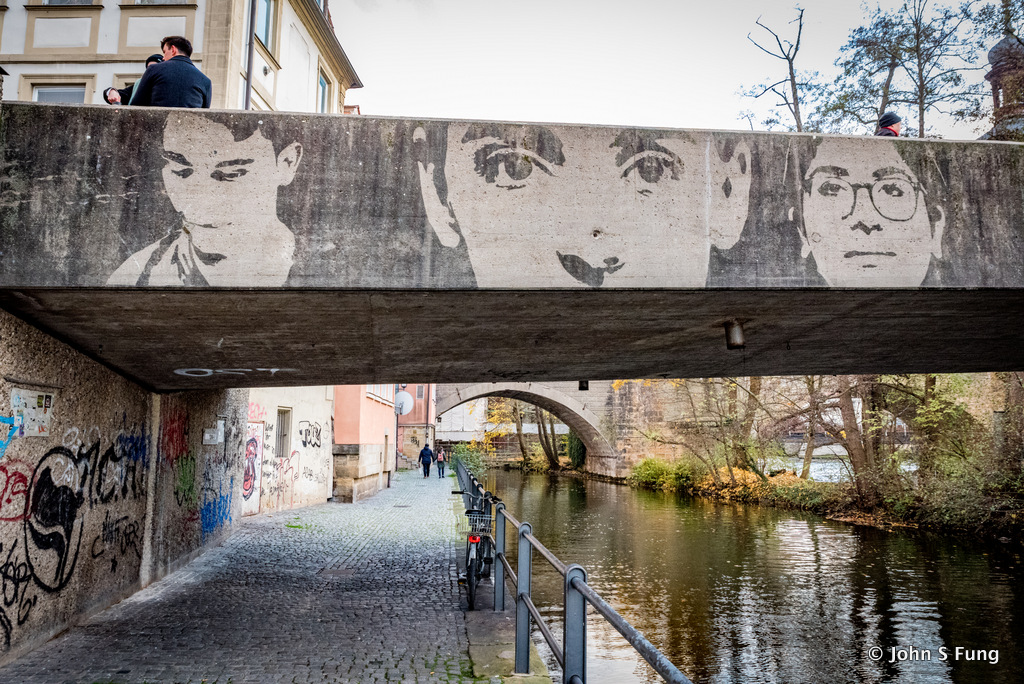
從大教堂走下來,遠遠就看到老市政廳,是我很期待的景點。 Walking down from the Cathedral, we came to the beautiful old town hall. On the side of the bridge, there are posterized faces.
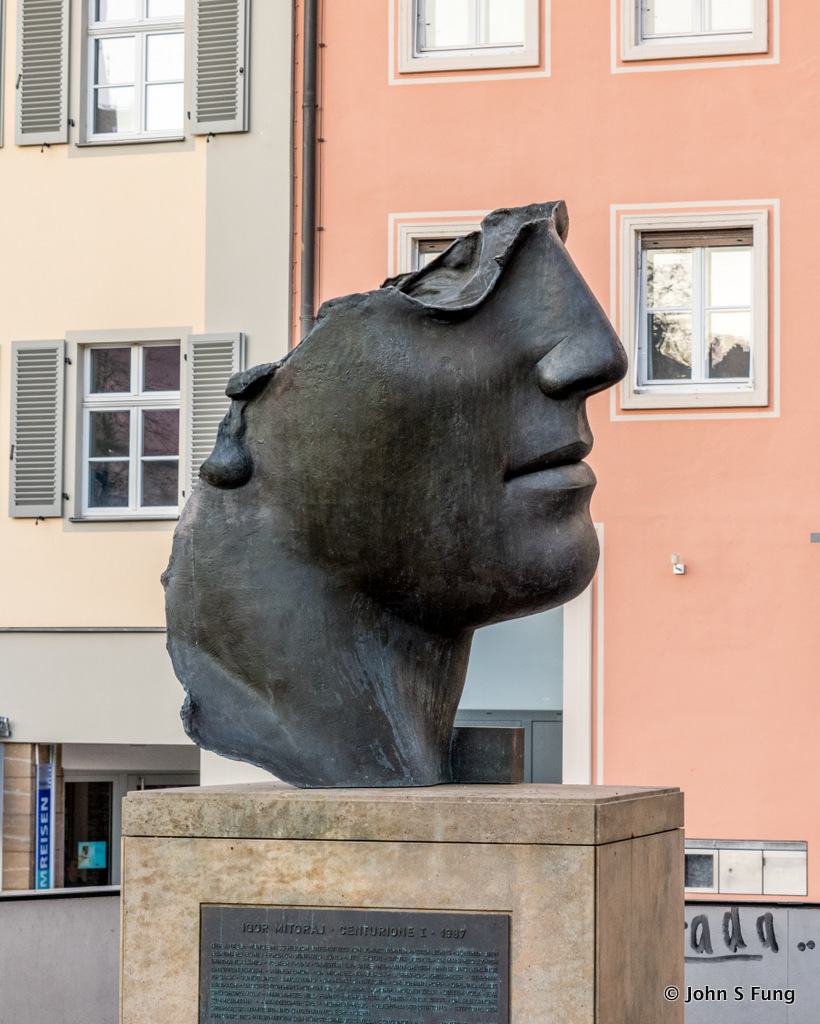
在老市政廳旁的 Untere 橋東面有此大型的銅像雕刻,名為 Centurione I,是波蘭藝街家 Igor Mitoraj 的作品。他的作品特色是雕刻都有某程度刻意的破壞。
At the eastern end of the Untere Brucke (bridge) near the old town hall, there is a large bronze sculpture called Centurione I created by Igor Mitoraj (1944 – 2014), a Polish artist and sculptor. This is one of the contemporary art elements of the sculpture path in Bamberg.
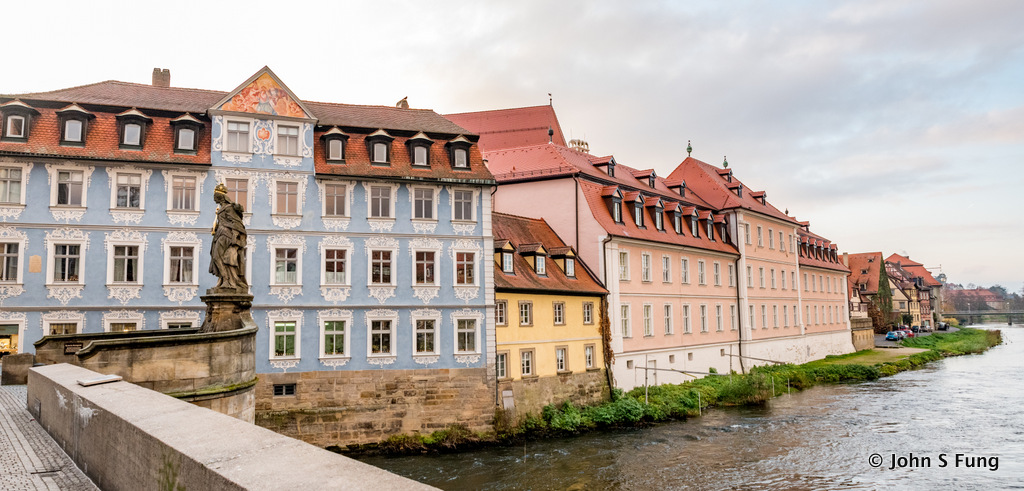
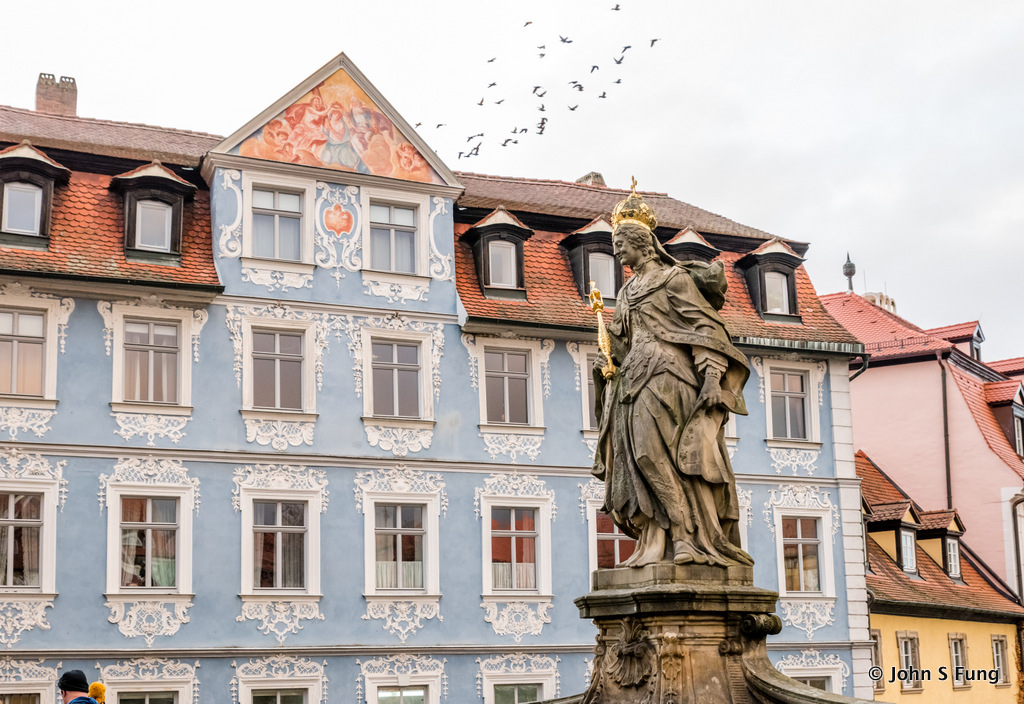
The beautiful Heller House, also known as the “Wedgwood House” for it’s Wedgwood blue as that of jasperware first developed by Josiah Wedgwood in the 1770s.
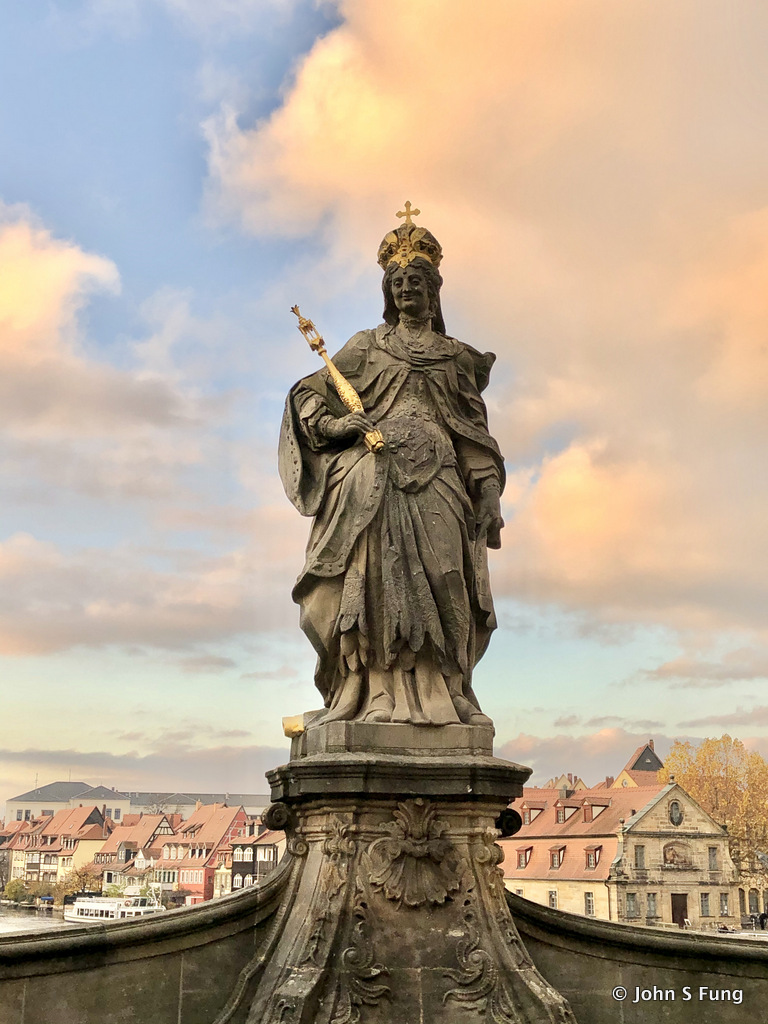
聖 Cunigunde 像。
Statue of St. Cunigunde, as Holy Roman Empress Kunigunde.
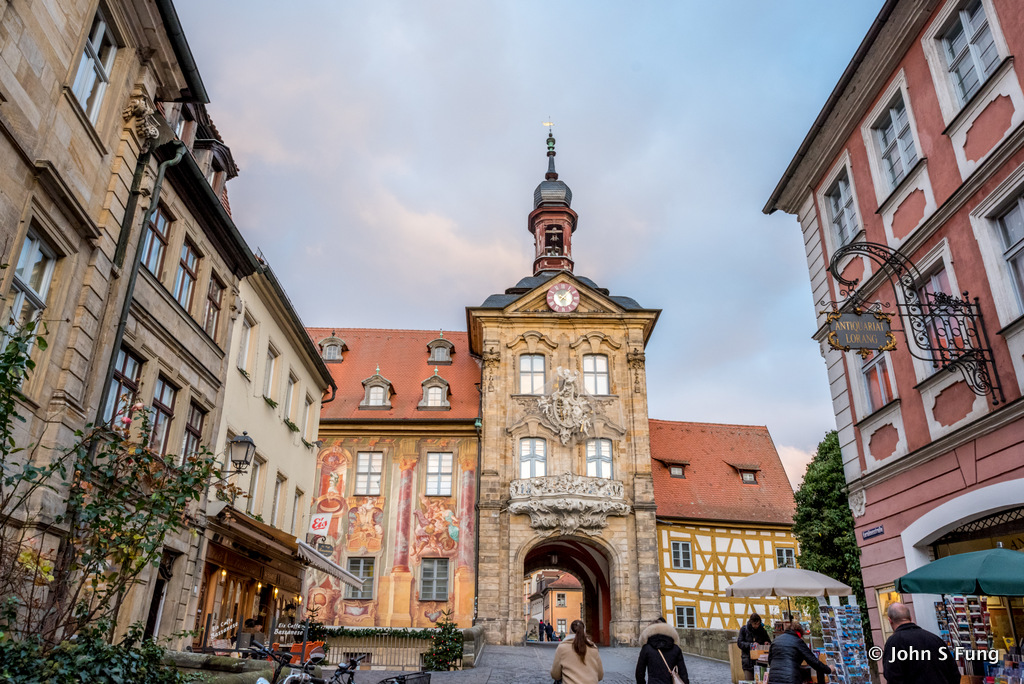
班貝格老市政廳
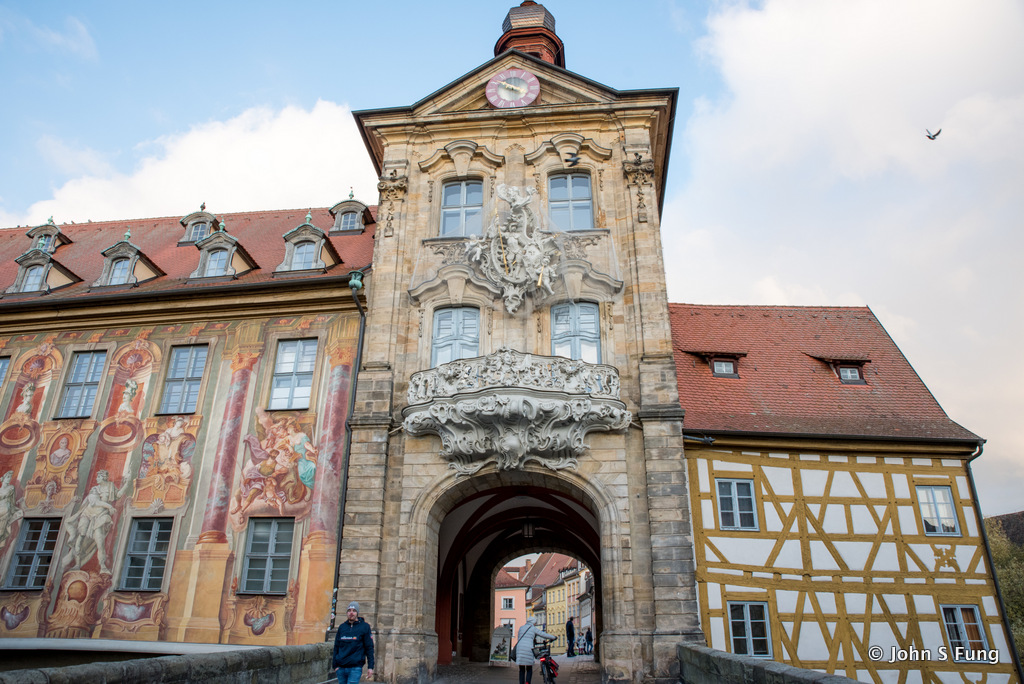
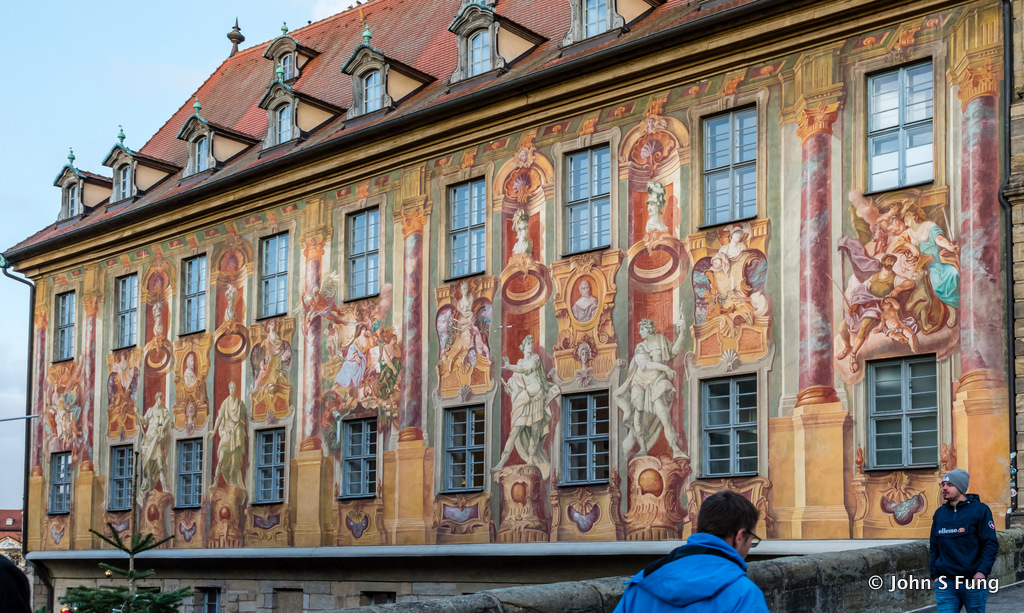
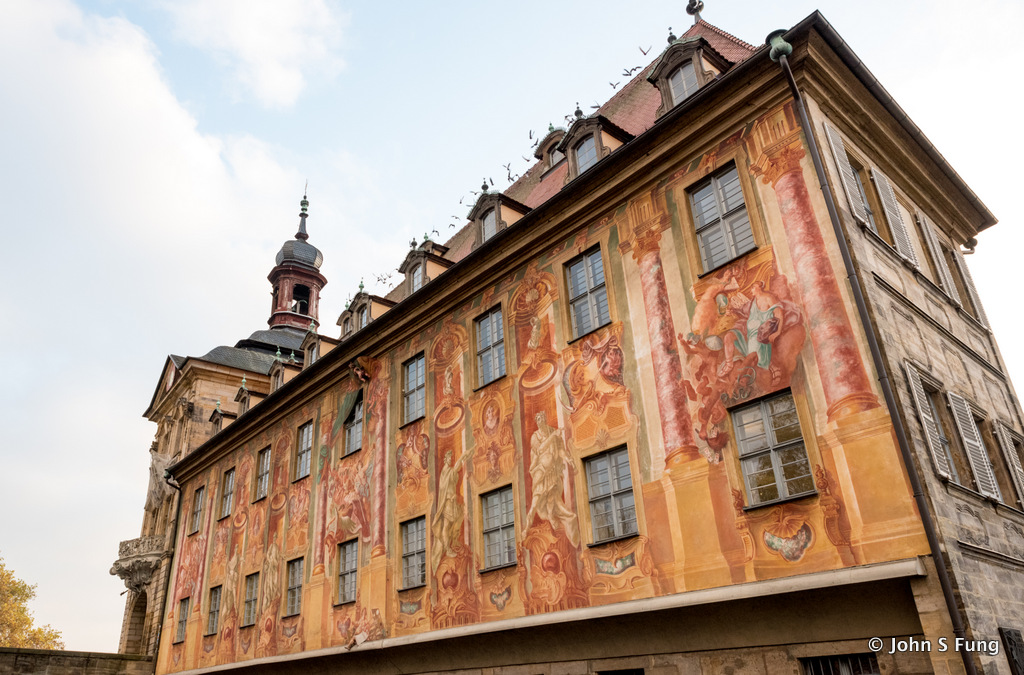
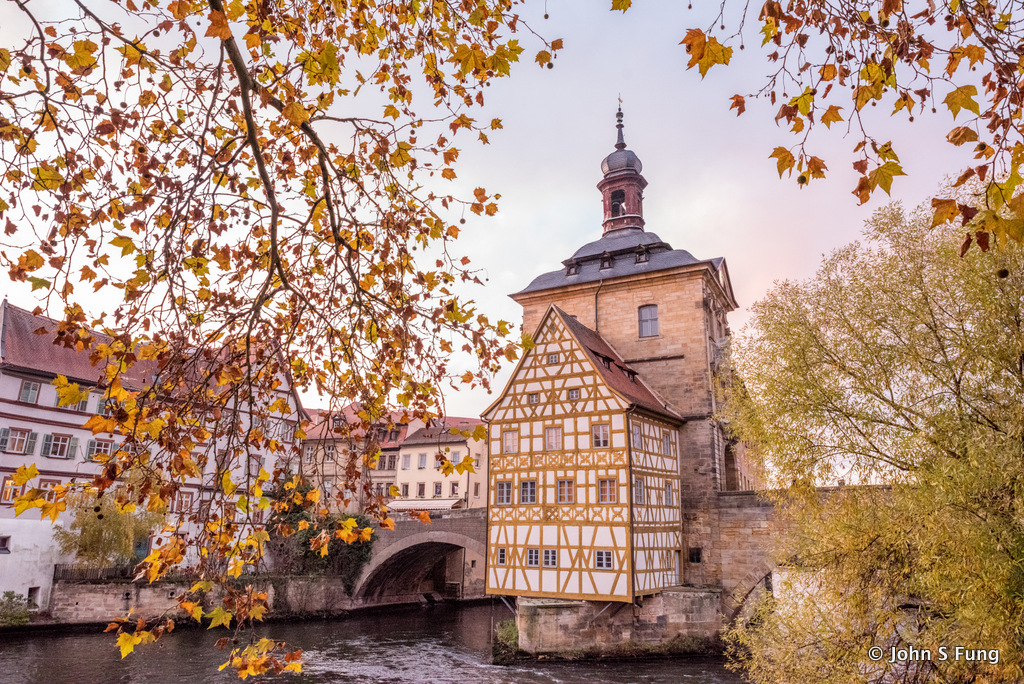
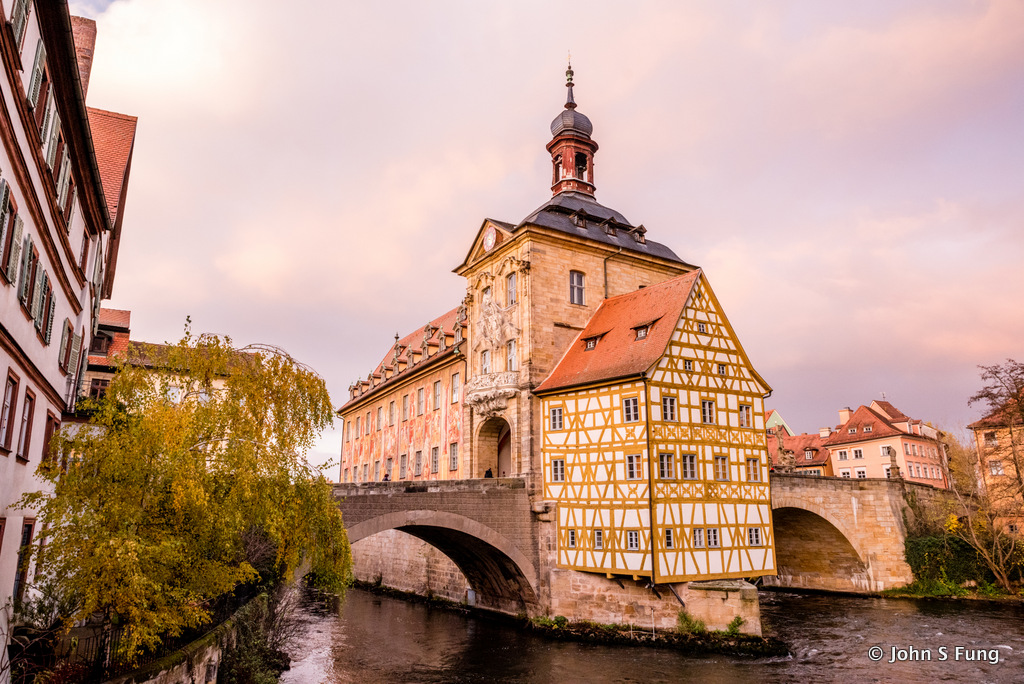
老市政廳建於十四世紀。有趣的是建在 Regnitz 河中間的人工島上。市政廳外牆有令人驚艷的壁畫,可惜原有的壁畫因風化而褪壞,1960 年代由畫家 Anton Greiner 重畫, 用上trompe l’oeil 技法,即用技巧將二維平面繪成三維立體的感覺。市政廳現在改為博物館,收藏不少瓷器,可惜我們沒時間參觀。
The old town hall (Altes Rathaus) of Bamberg.
The old town hall (Altes Rathaus) of Bamberg dates back to the 14th century. It is interestingly located on an artificial island in the Regnitz River. The town hall has eye catching facades created by Johann Anwander, however, the original medieval fresco was lost over time, probably due to weathering. What we see today is a trompe l’oeil frescoes created by the painter Anton Greiner in the 1960s. We didn’t have a chance to visit the museum. Today it houses a collection of Meissen porcelain and Strassbourg faience, generally known as Ludwig Collection Bamberg (Sammlung Ludwig Bamberg).
Finally, we reached the Old City Hall.
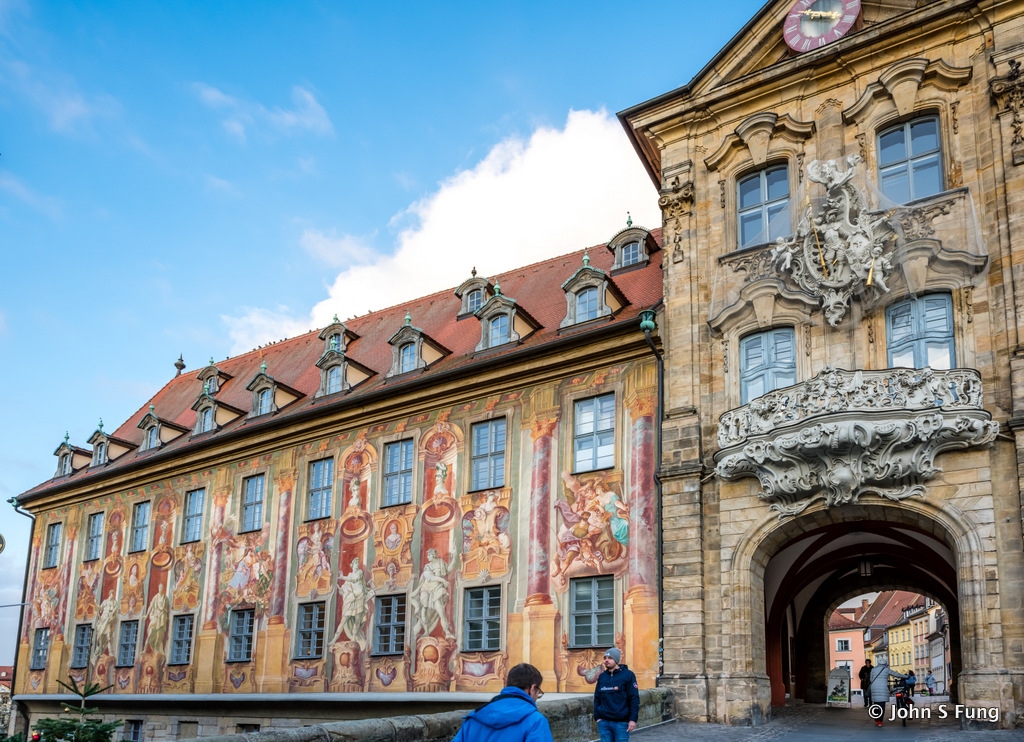
將二維平面繪成三維立體的立面。
A trompe l’oeil frescoes created by the painter Anton Greiner in the 1960s.
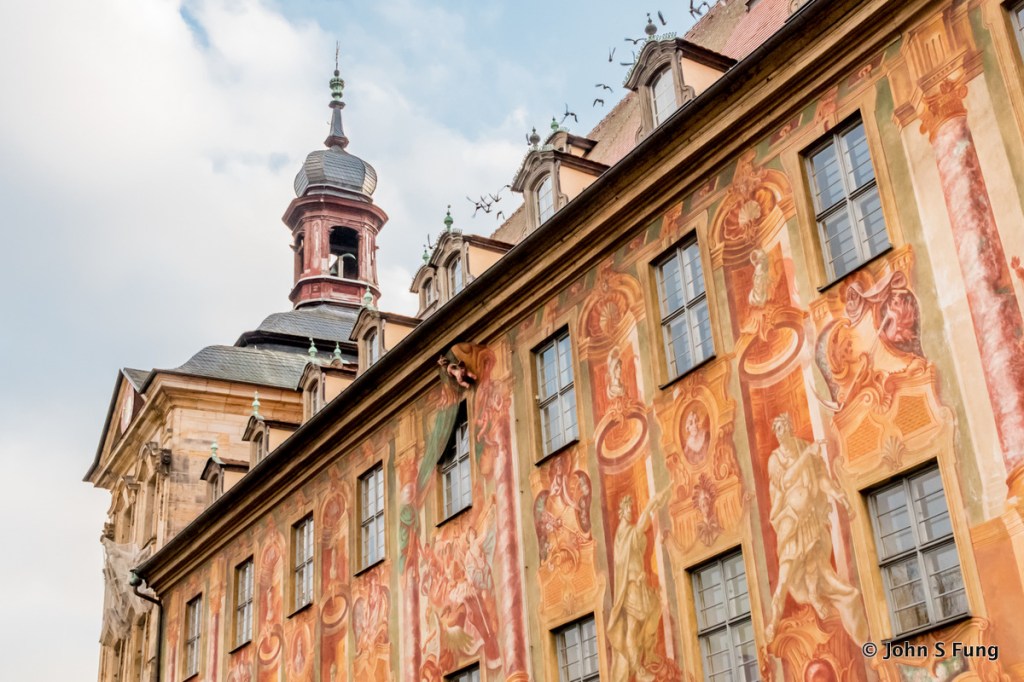
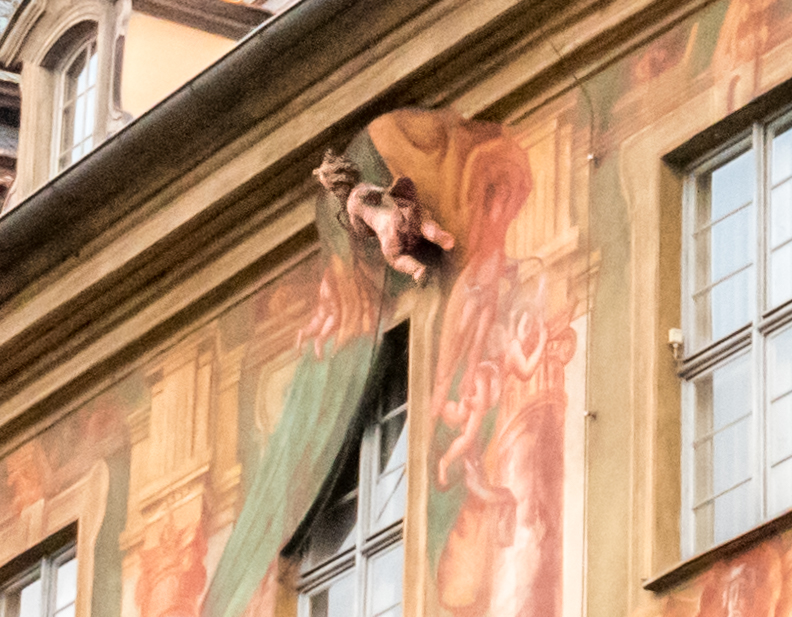
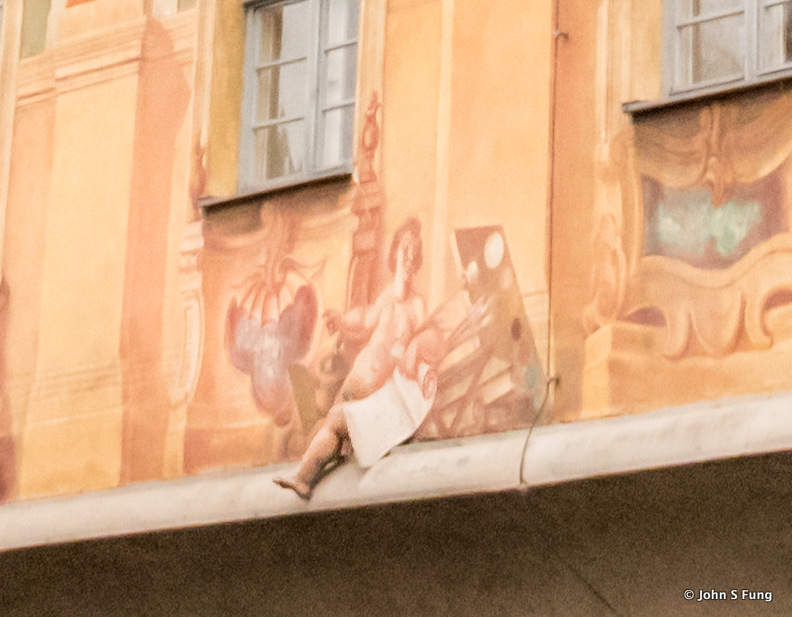
Since we were pressed for time, and most importantly I was not aware of this 3D cherub until I was home. The following two images are enlarged from a wide angle shot, that’s why they are not as sharp.
The west facade of the old city hall. Note above the fifth window from the left and under the gutter, there is a 3D sculpture of a cherub, and the other one, at the bottom of the lower window, a leg of a cherub protrudes out of the wall from the fresco.
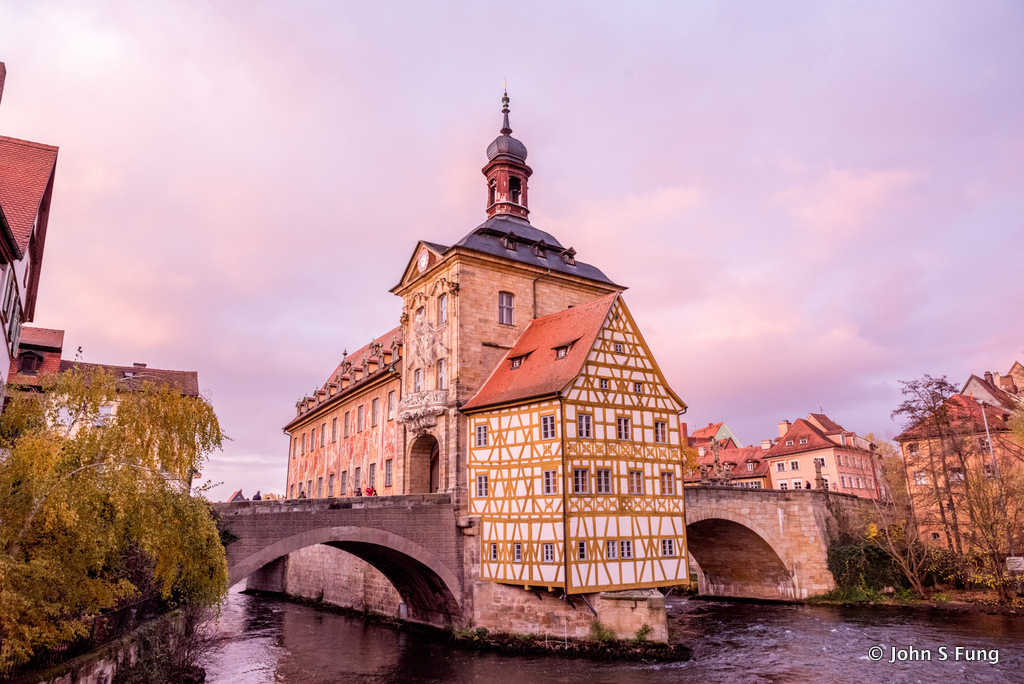
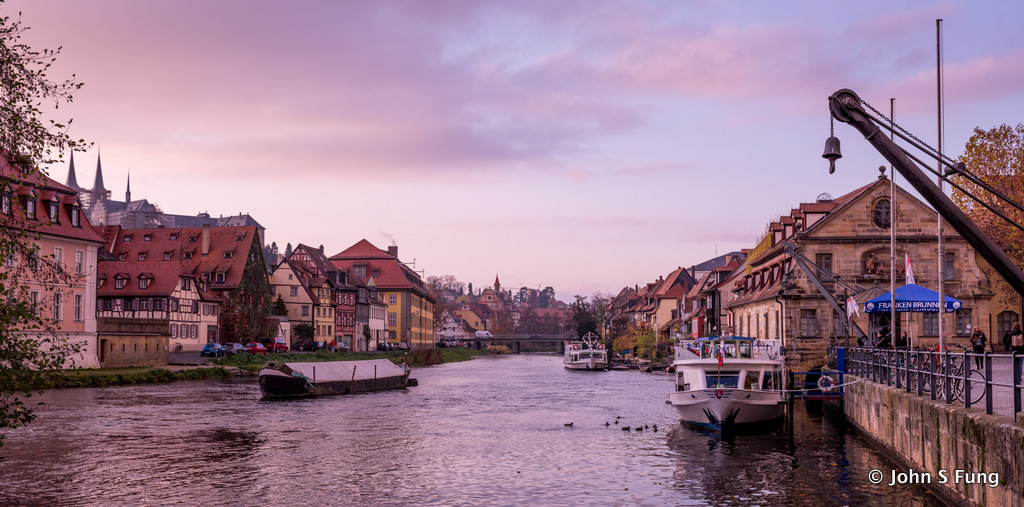
太陽下山,色溫漸變,開始出現淺淺的紫色調,好美。
As the sun went down, the color of the sky began to show a tint of purple color.
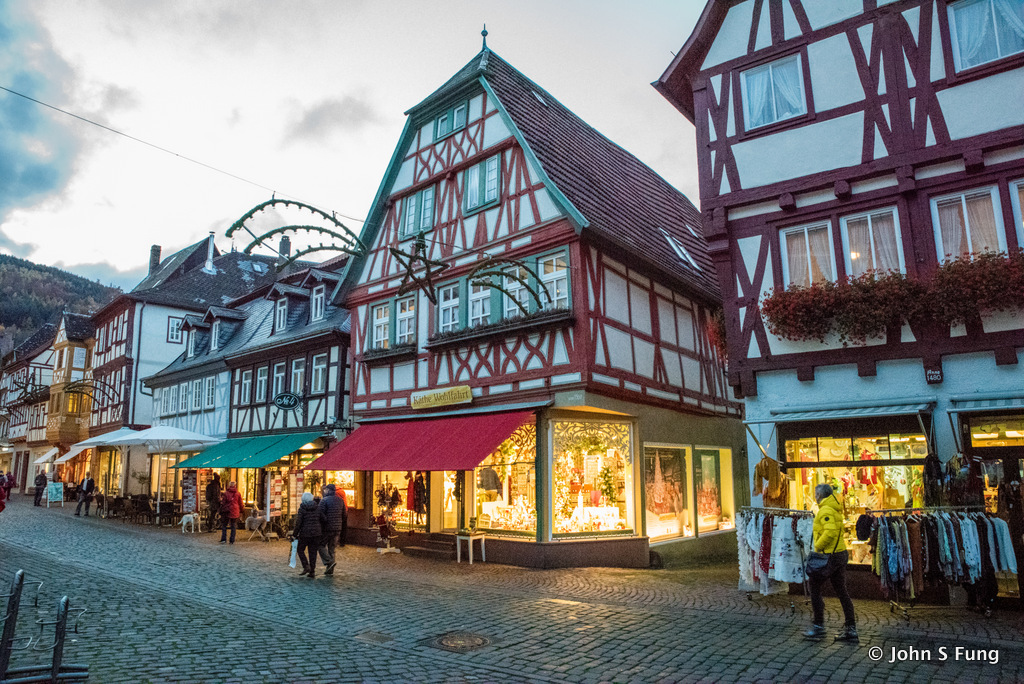
天漸黑,我們慢慢走向音樂廰方向去坐車,途中經過老城東的行人專用區,看看店舖的窗櫥。
It was getting dark, we walked back to the bus pick up spot in front of the music hall. We did a little window shopping along the way.
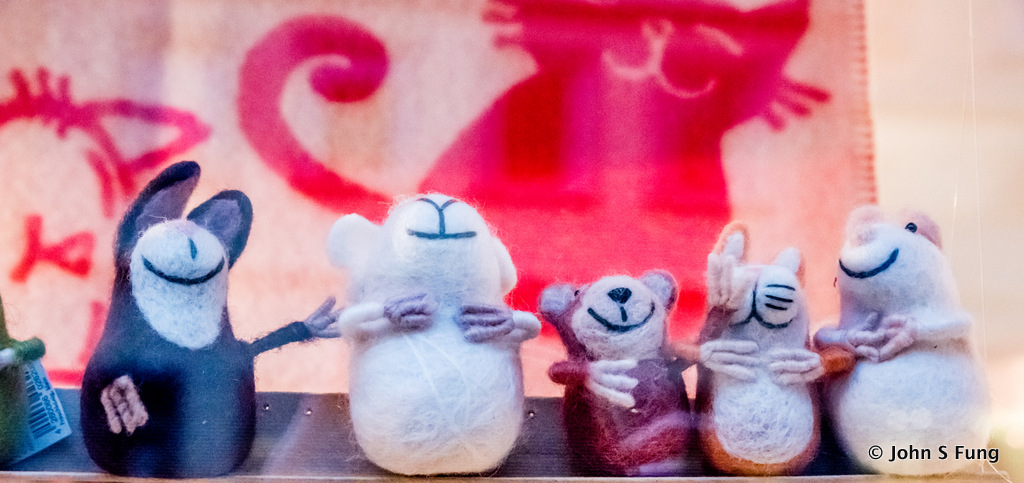
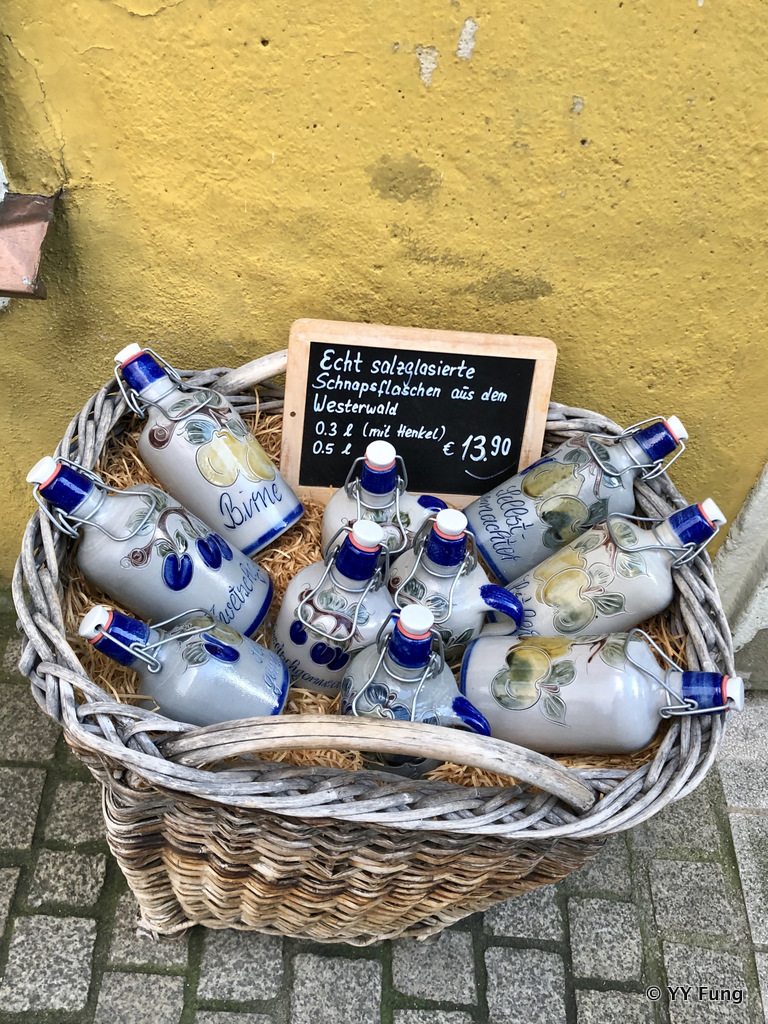
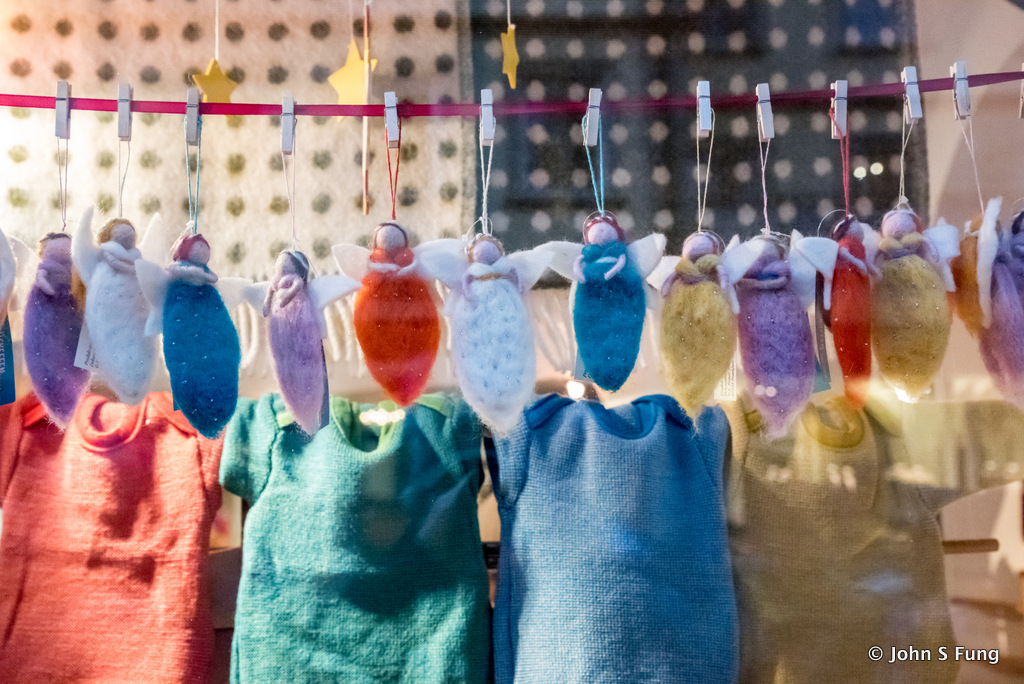
Window shopping
On the way back to the bus drop-off point, we explored the shopping area on the east bank of the Renitz River.
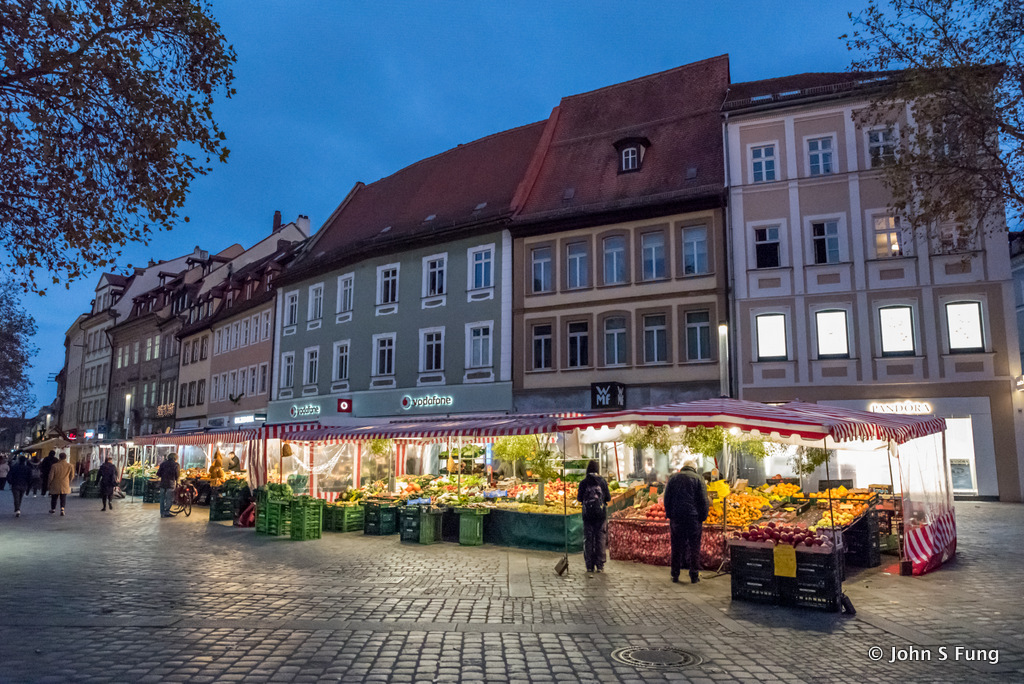
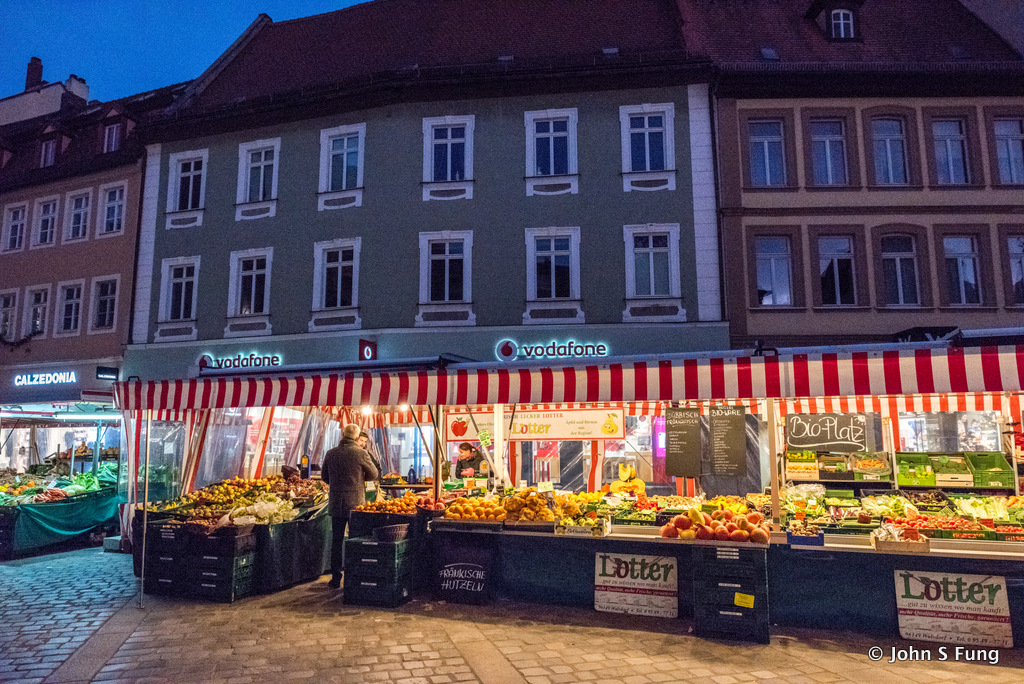
這裡應該就是他們的農產市場,水果、蔬菜一應俱全。
This is probably the Green Market selling fresh produce.
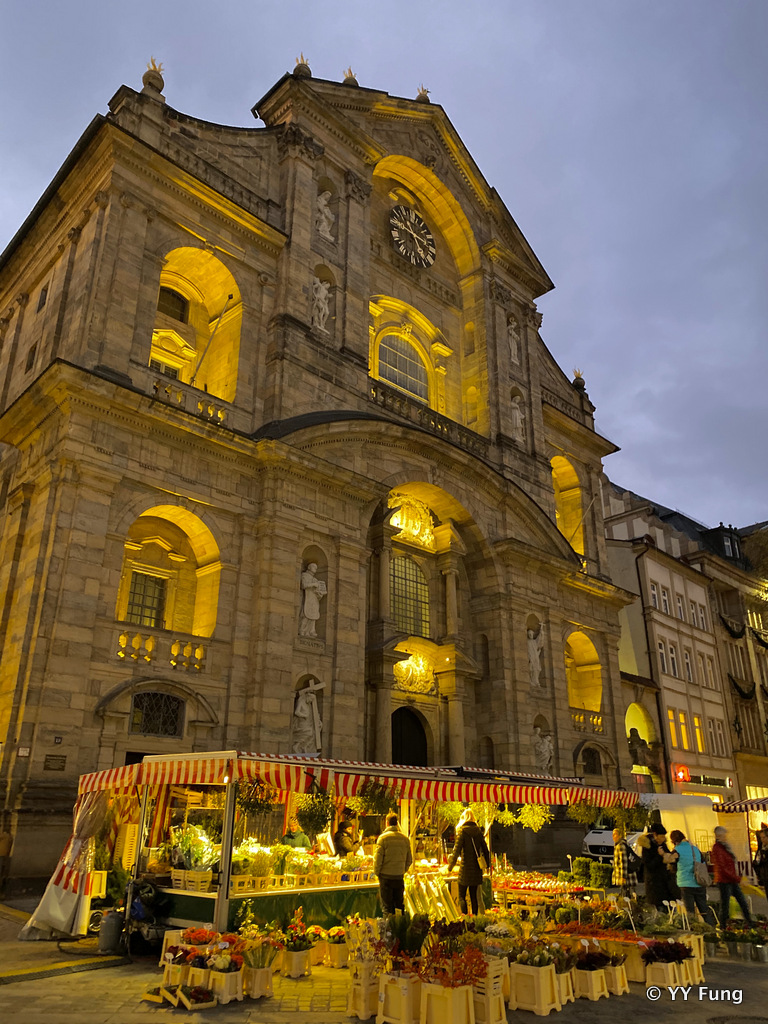
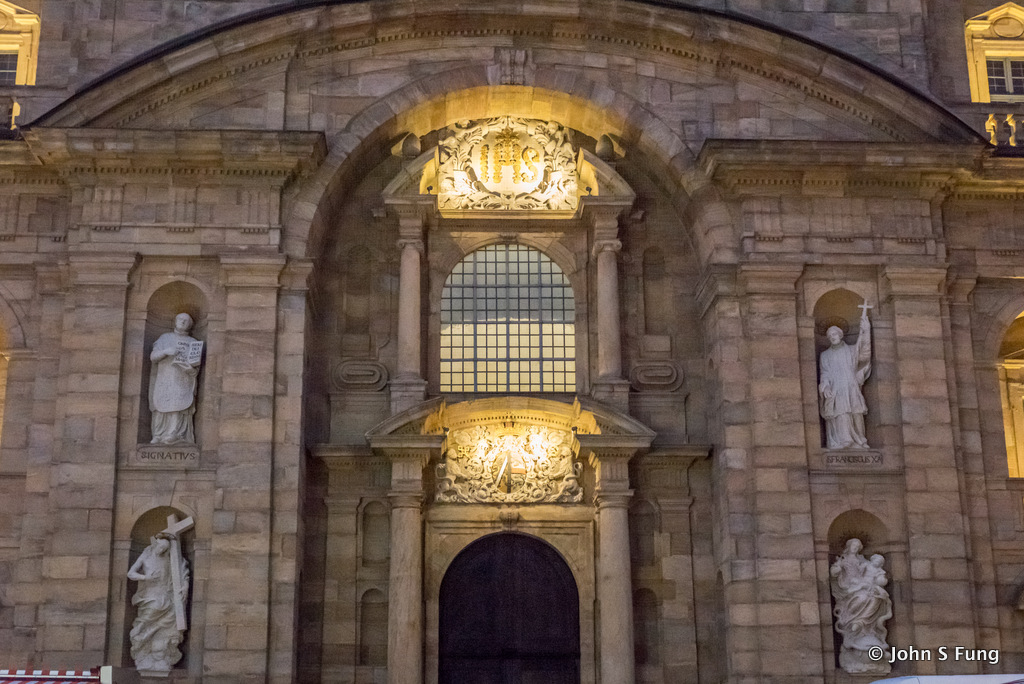
亮了燈的聖馬丁教堂,氣氛特佳。
Sankt Matin Church, love the ambiance.
這攤檔賣的是烤栗子(沒有我們的良鄉栗子好吃,但也暖著手,也暖著心),食著,走著,就到了集合地點。
A vendor selling roasted chestnuts which warmed our hands and our hearts as well.
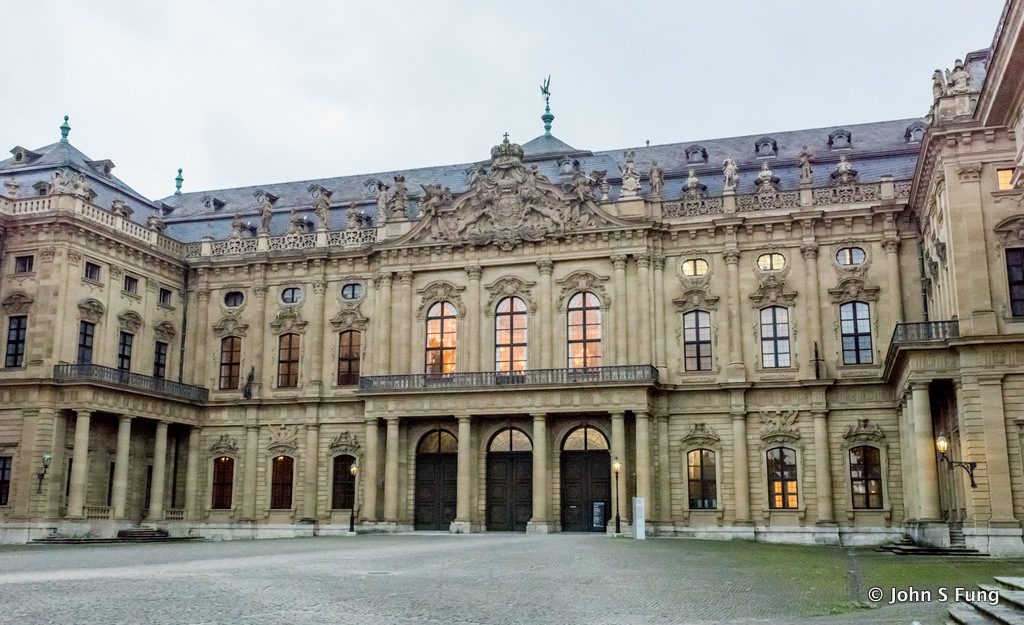
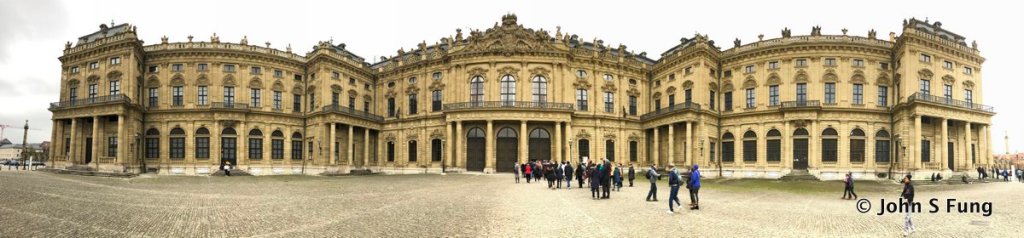
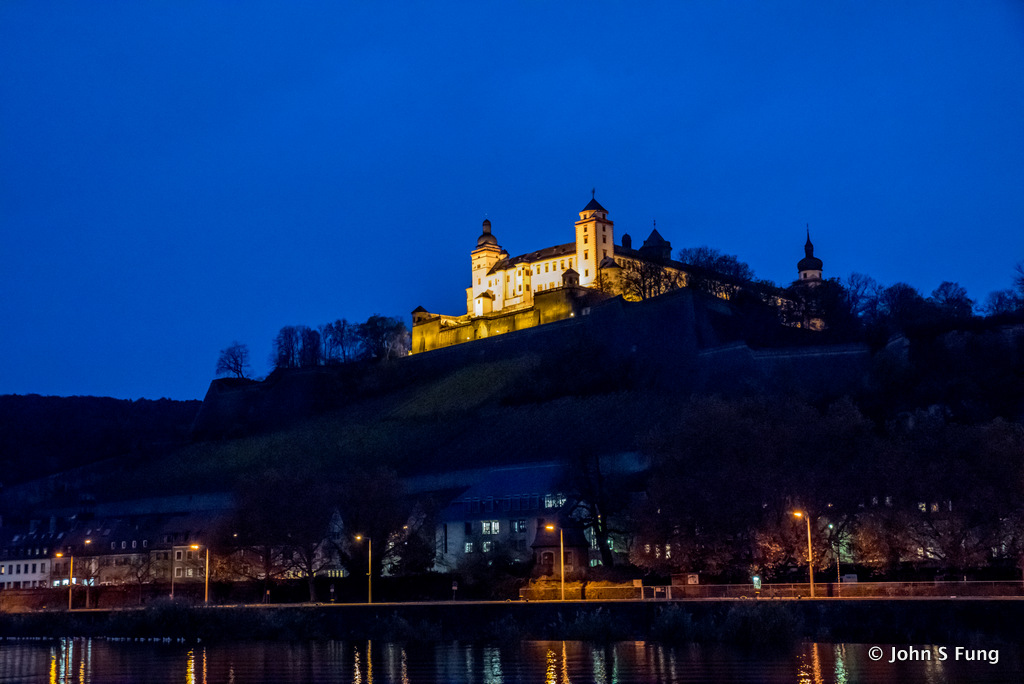
“Surrounded by Franconian vineyards, Wurzburg was heavily damaged during World War II, but has since been completely restored. This prestigious university city is a jewel of baroque architecture. Its most pristine example of pomp and glory is the great Bishops’ Residenz palace, built in 1744 for the prince-bishop; his unwavering support of artists is evidenced by the sweeping staircase and magnificent ceiling frescoes by Tiepolo.” (Viking Cruise info)
Our ship made a brief stop at Karlstadt for those who joined excursions for Rothenburg or Marienburg Fortress. We already booked a similar trip in 2020.8, so we save Rothenburg for our next trip and stayed on board for the Wurzburg Residence. We relaxed that morning and enjoyed the beautiful countryside scenery of Franconia. We had lunch at 12:15, a bit earlier than usual and getting reading for the excursion at around 1:45pm.
Cruising Franconia countryside
Franconia 葡萄園很多,風光明媚。
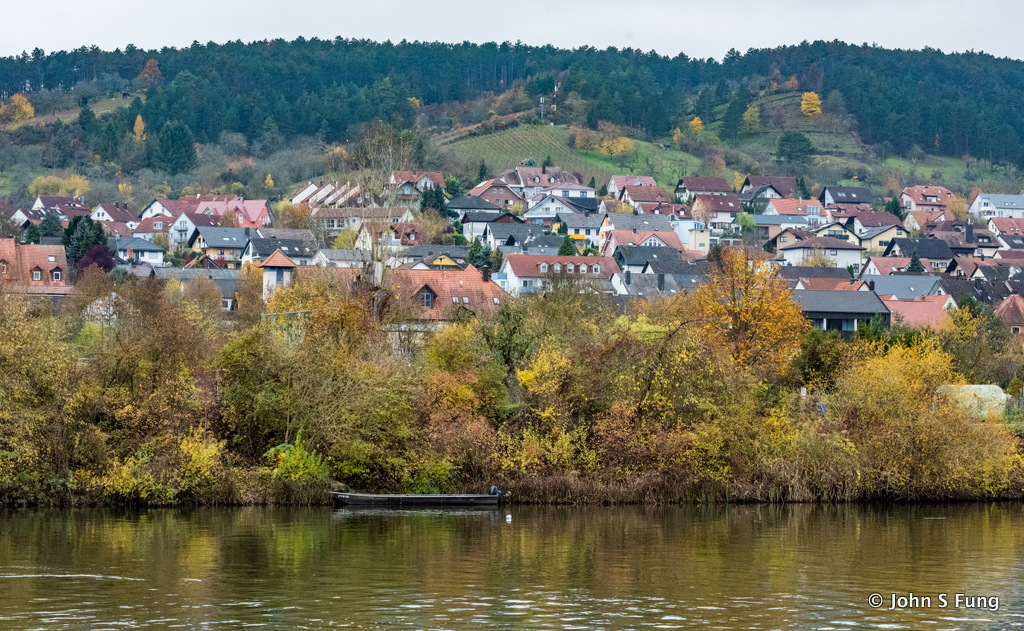
Vineyards and cultivated land along the Main River.
途經Earlabrunn 鎮。 A church near Earlabrunn.
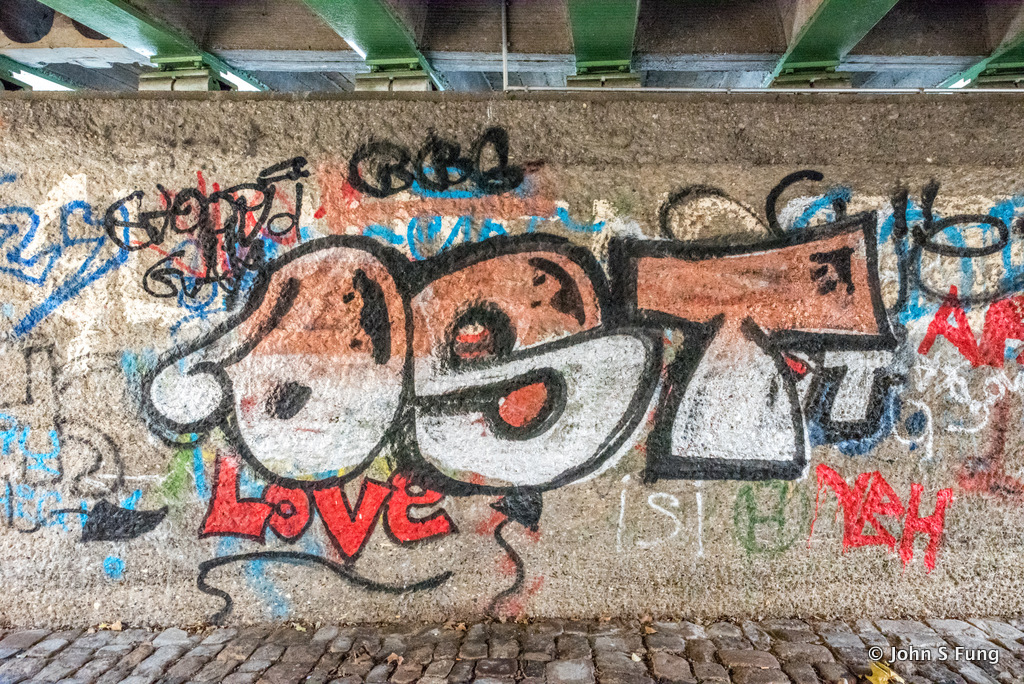
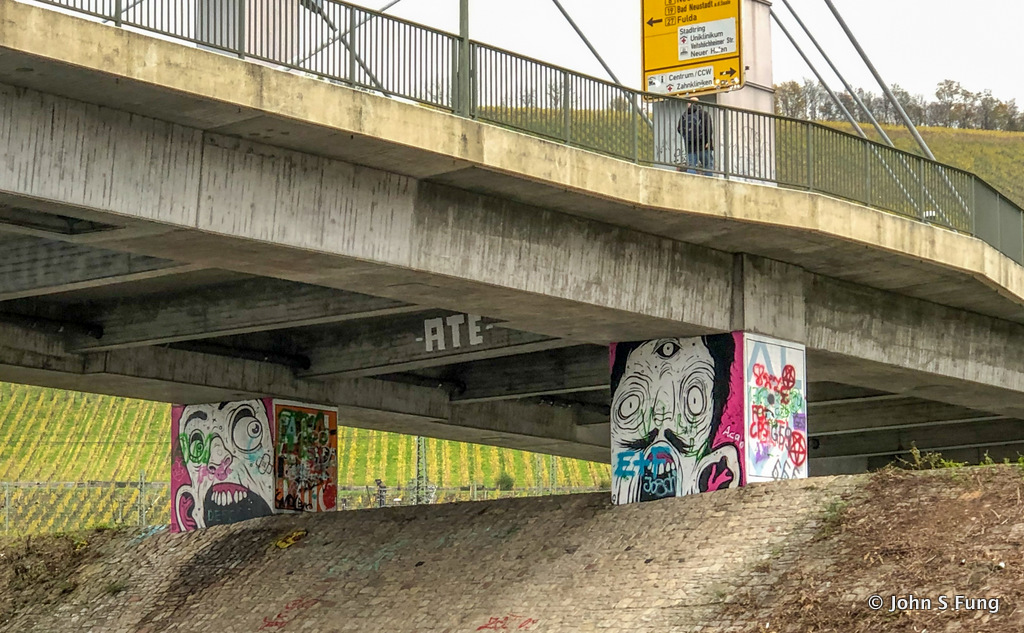
這是維爾茨堡市內的新橋樑,兩個可愛的塗鴉人物。
Before reaching the Main Bridge, we passed this concrete bridge with two lovely graffiti figures.
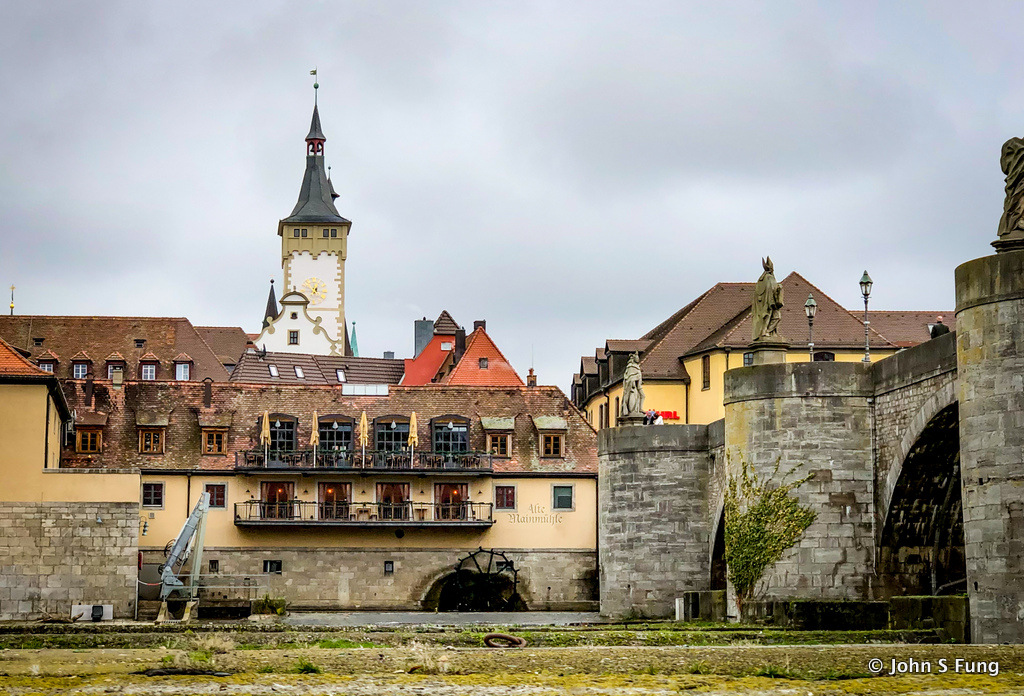
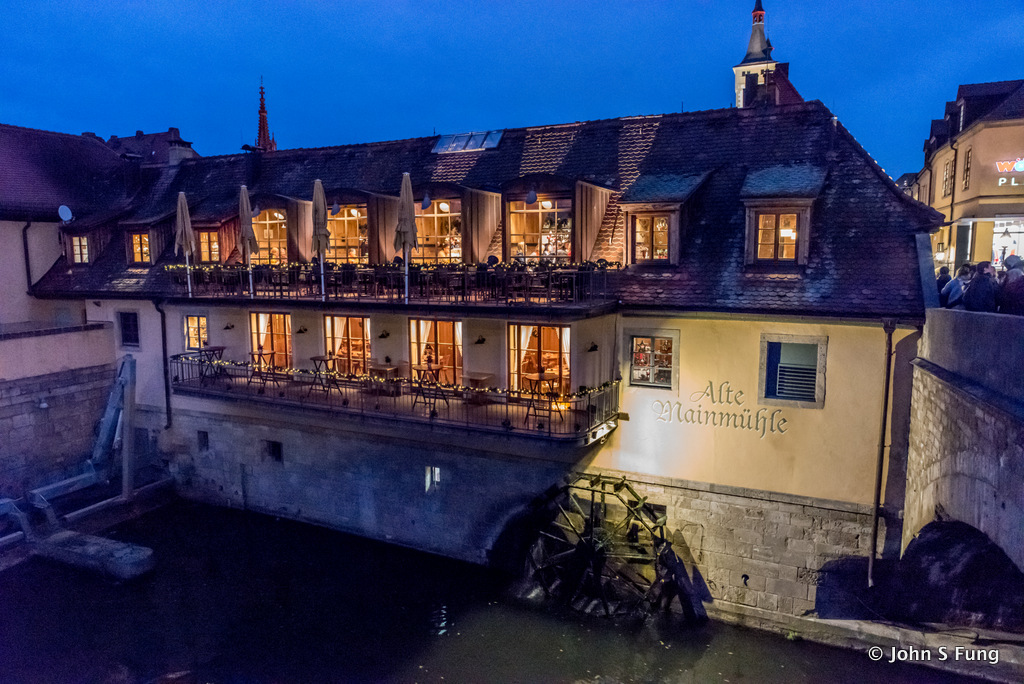
Alte Mainbrucke – Old Main Bridge near city center of Wurzburg. The popular Old Millwheel restaurant at the waterfront and behind it is the tower of the Old City Hall.
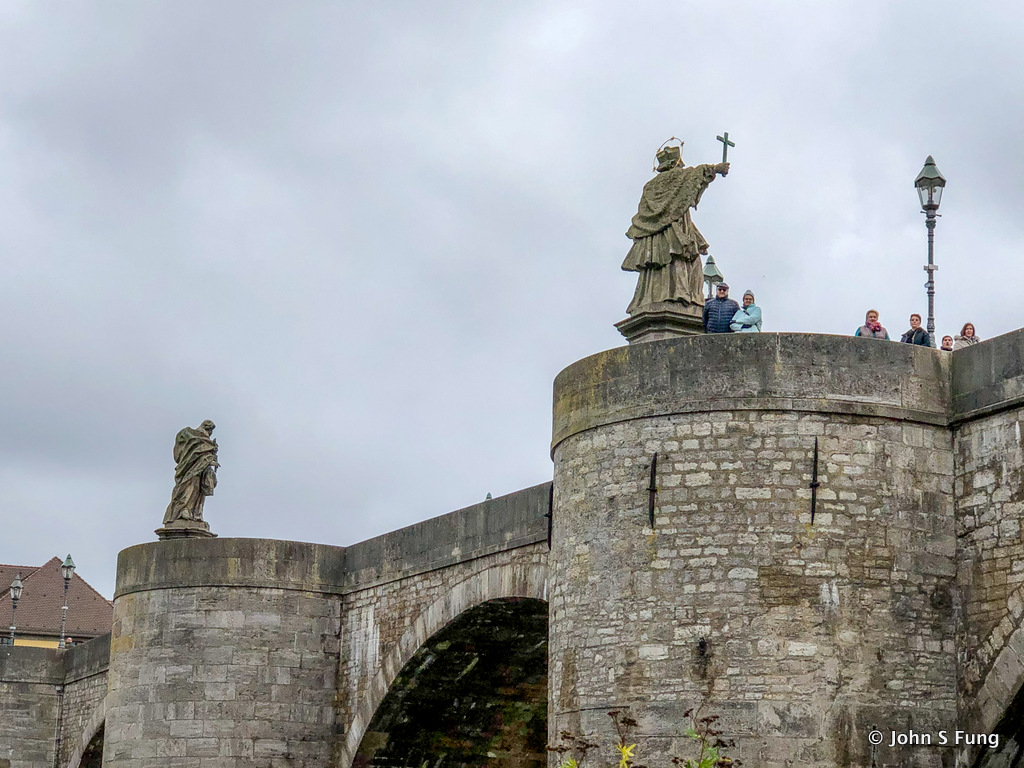
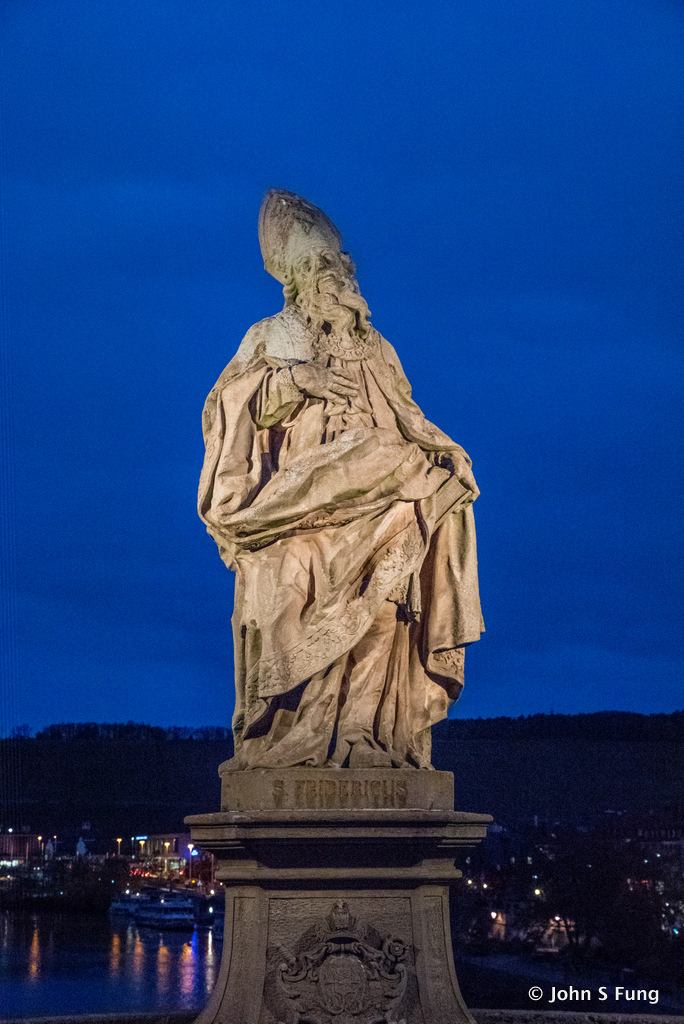
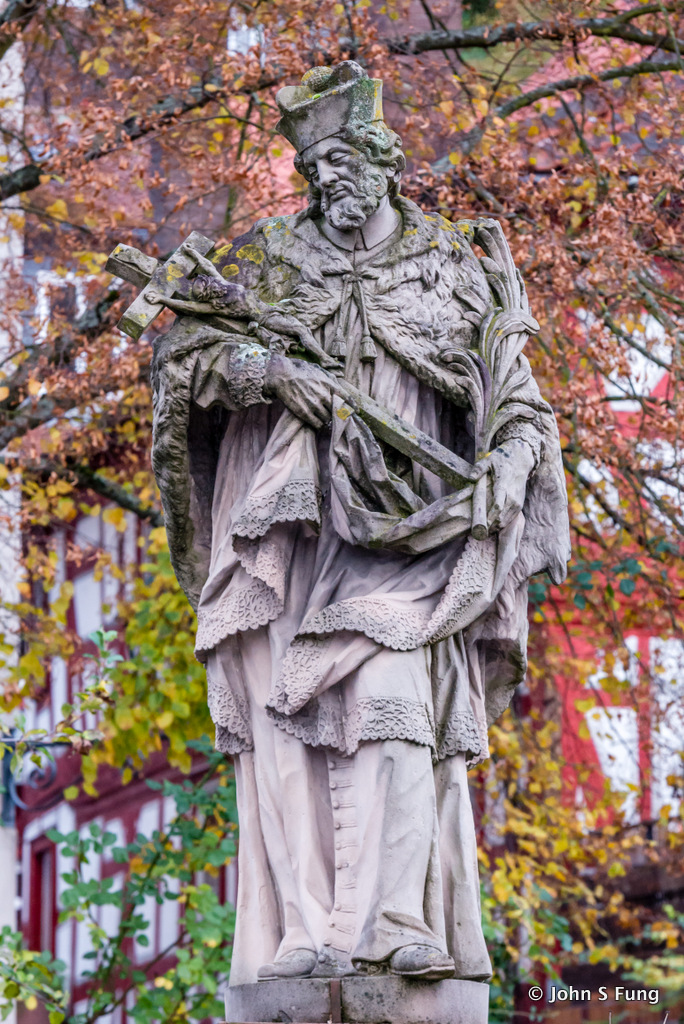
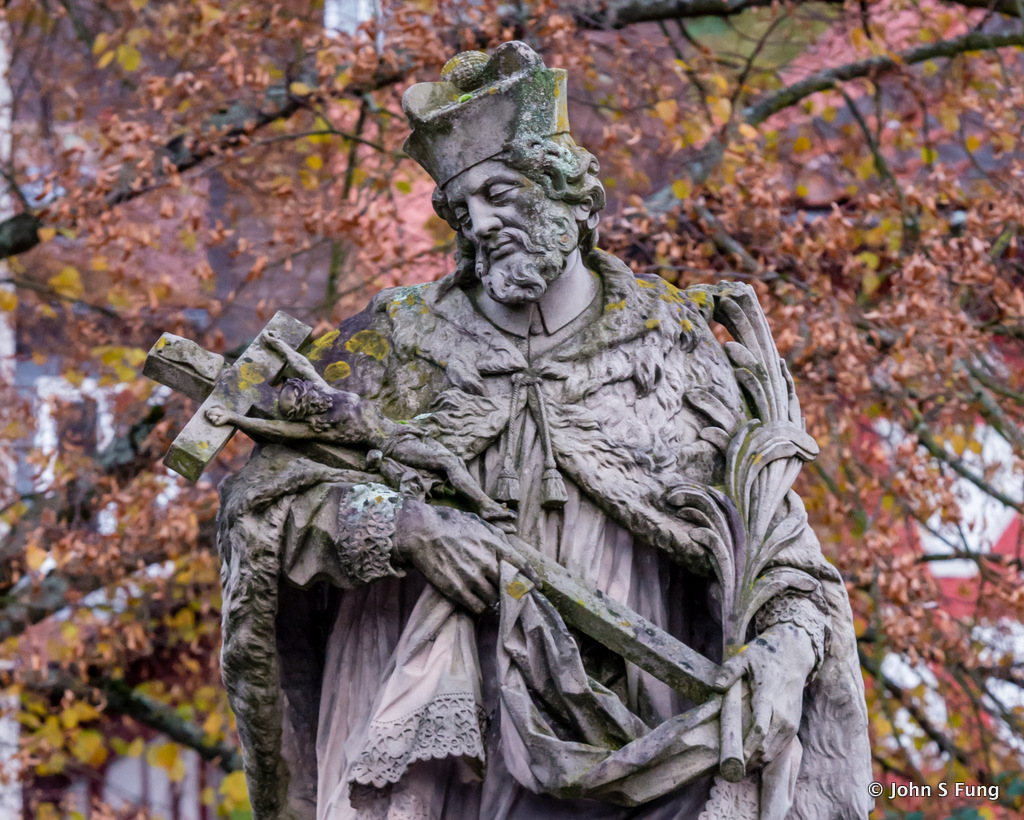
老橋上有十尊聖人雕像。左為聖若瑟,右為聖約翰。
Barocque statues on the pier caps, St. Joseph with Jesus (left) and St. John of Nepomuk (right).
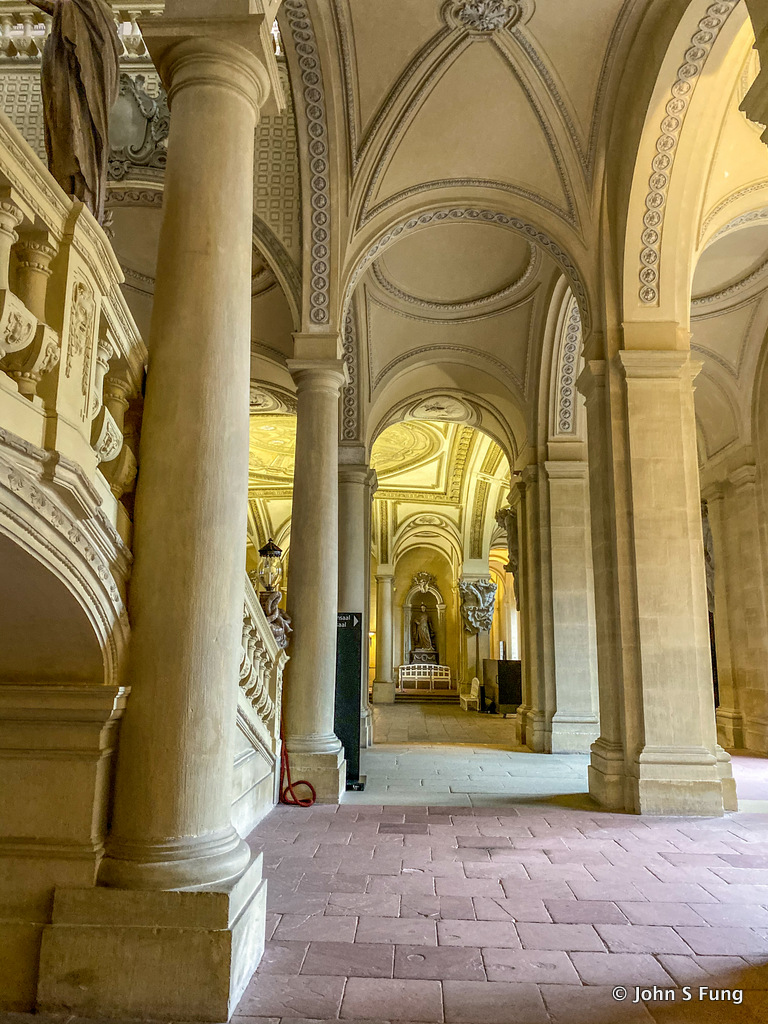
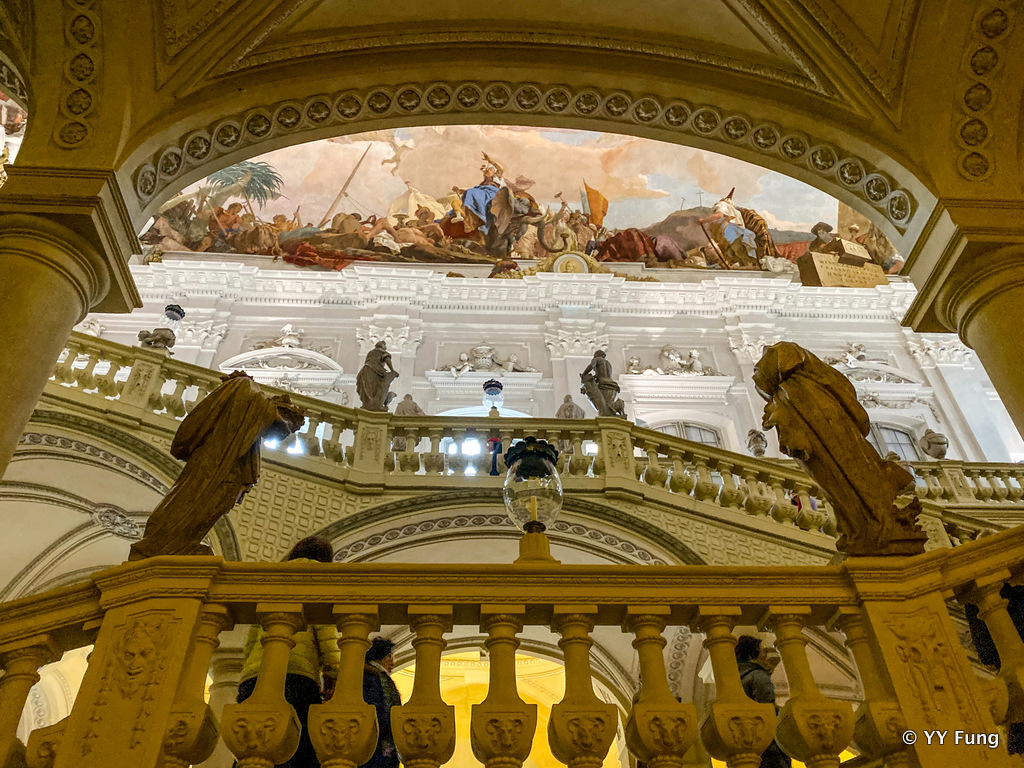
After entering the Residenz, We were told to leave our backpacks/camera bags in a big wooden box. Without my equipments, I was feeling naked, but most importantly, I knew I wouldn’t remember a thing after leaving the front door. However, thanks to those who knew how to snap a couple of shots with cellphones in that situation and shared them with us over dinner table. As a matter of fact, we received photos from time to time by AirDrop during dinner time by folks whose identity are unknown to me, ha ha, that’s how AirDrop works.
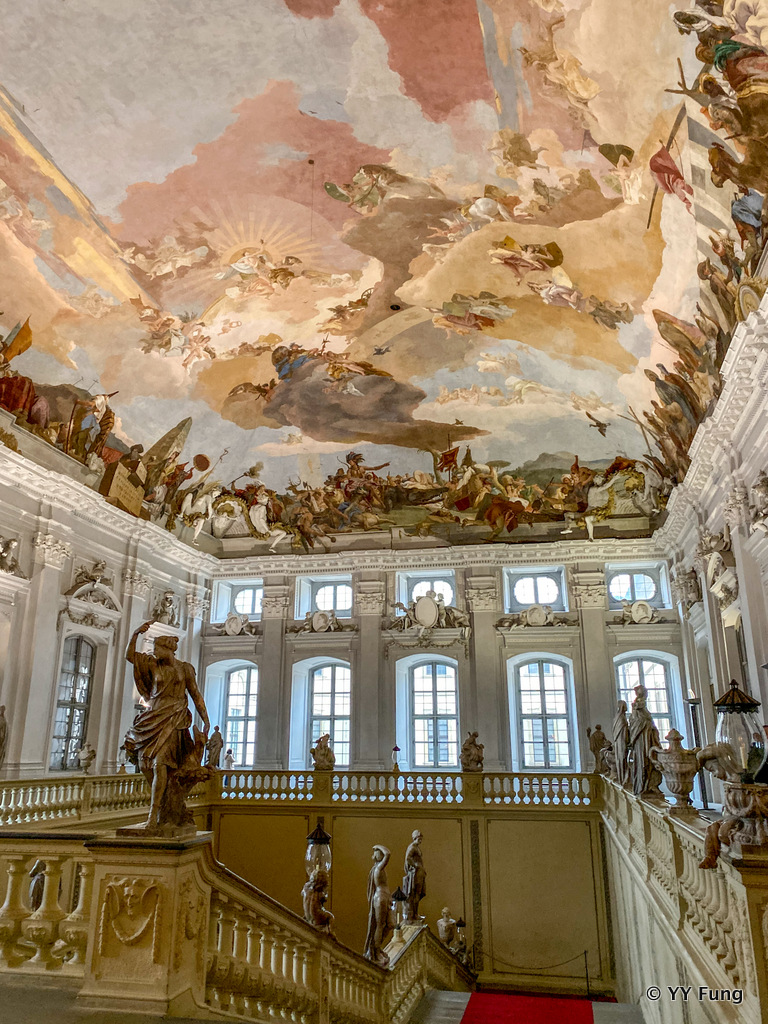
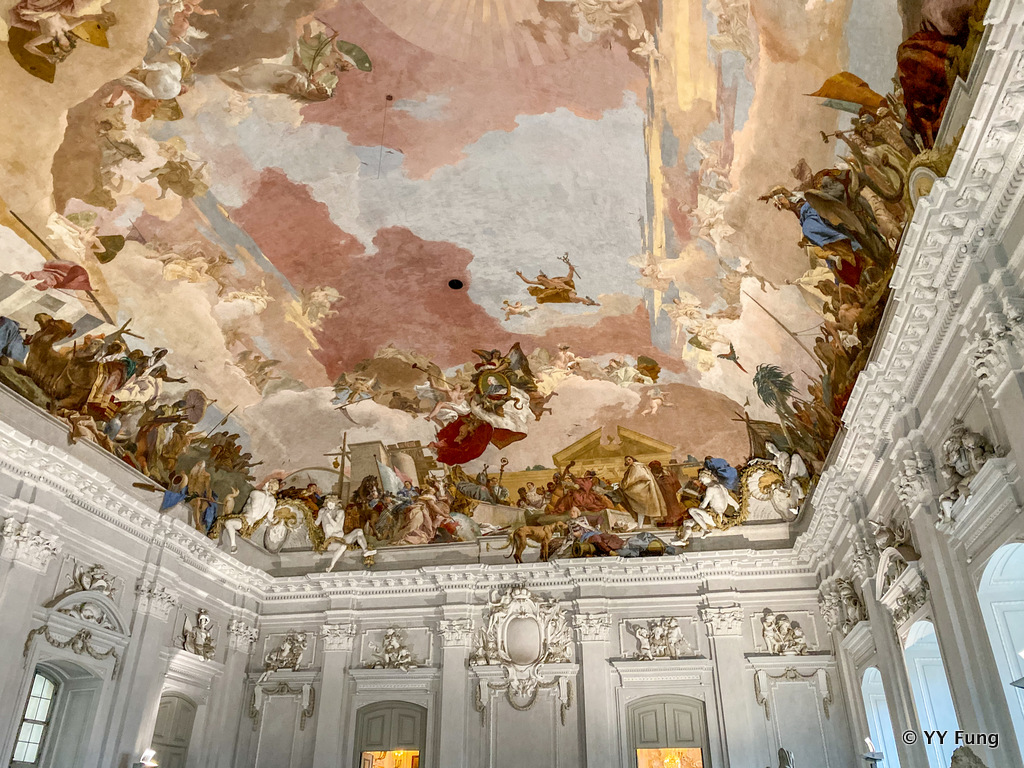
這兩張手機拍的,這位朋友拍的角度相當好。
These two that show the ceiling freshco. excellent shots. I believe they are from Mandy, thx, Mandy.
The City of Würzburg and Würzburg Residenz suffered extensive damage from air-raids during World War II. Fortunately, the structure in the staircase and the ceiling withstood the destructive impact of bombing and the fire, and we are so lucky that we are able to see the ceiling fresco today.
The one above shows the Baroque-style staircase with the famous ceiling fresco by Tiepolo. As the guide was explaining the frieze of the four continents and their allegorical female rulers, I had a feeling that I had seen some ceiling fresco before that has similar theme. Checked it later that night, I was right, that’s the ceiling fresco of Sant’Ignazio Church in Rome by Andrea Pozzo, see https://bluepapillon.wordpress.com/2010/08/11/羅馬聖依納爵教堂-santignazio-church-rome/ in my old blog.
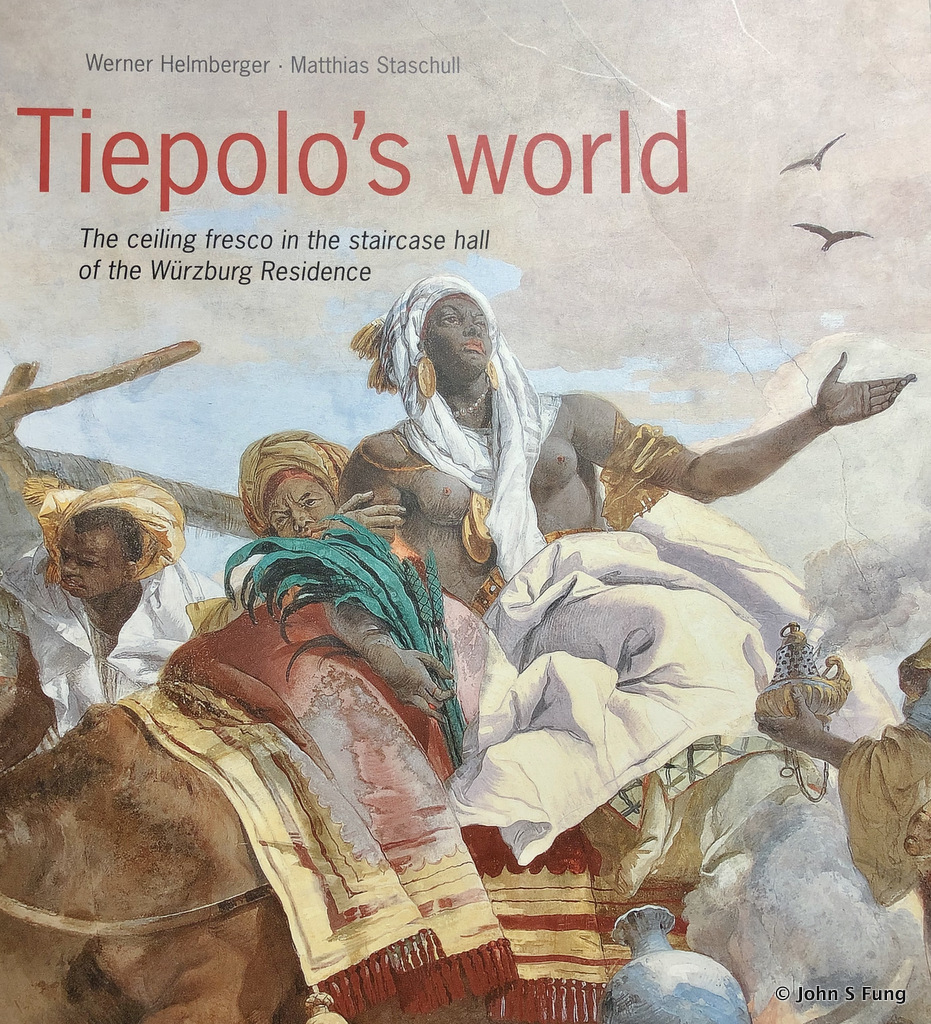
I knew I couldn’t remember a thing without taking pictures, so I looked for books about the Residenz and in particular about the fresco ceiling, I found them. For record sake, I am putting a few of photos from the book to finish the story here.
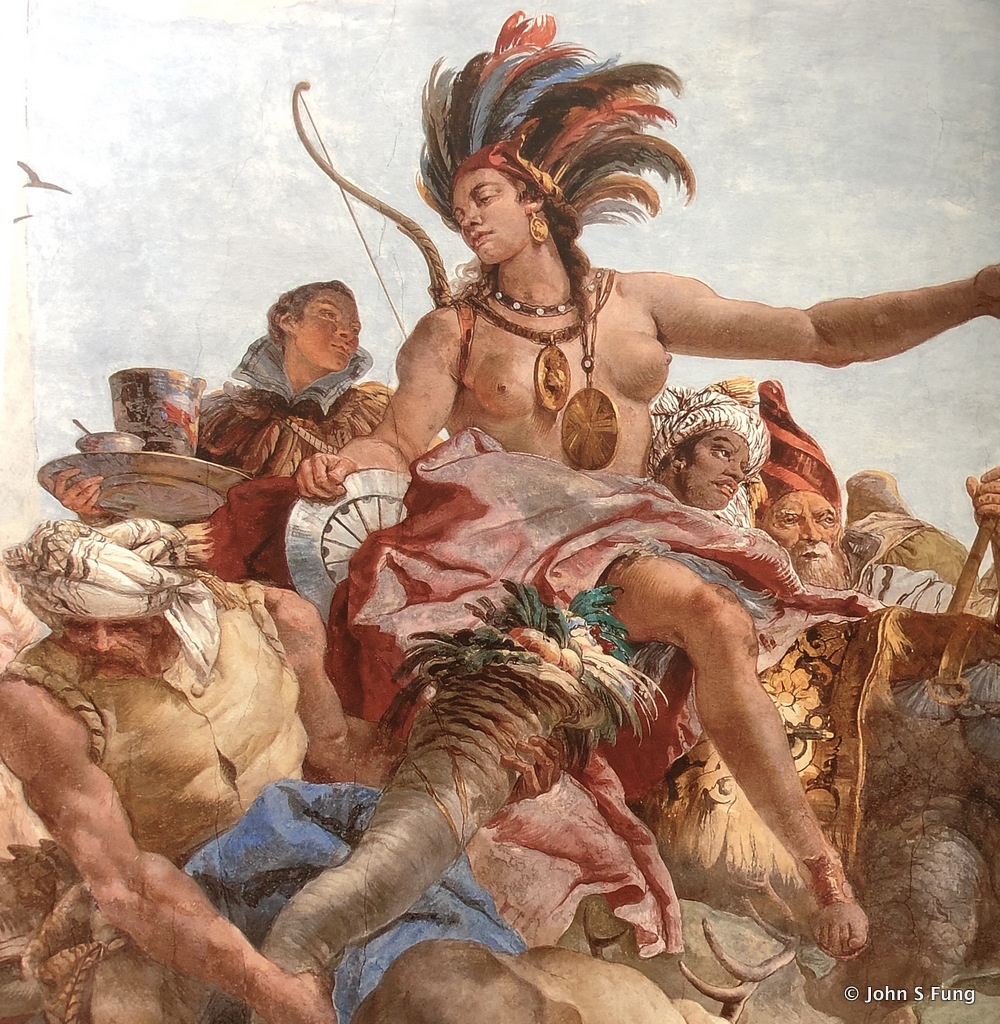
就是這本,Tiepolo 的世界。封面是代表非洲的女皇。
This is a beautiful book, and is surprisingly cheap. The cover shows the princess of Africa.
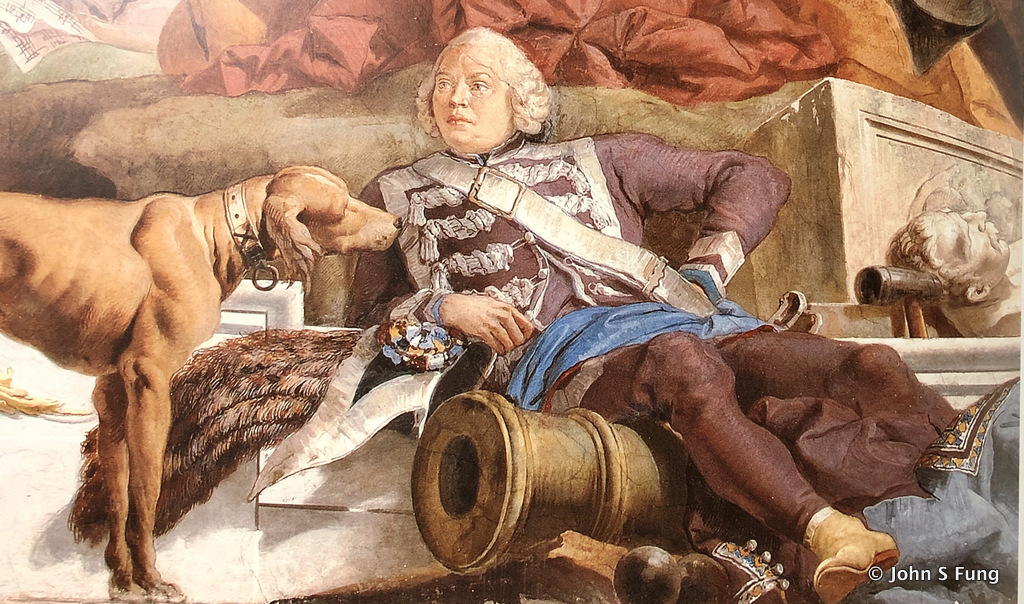
Balthasar Neumann, the architect of the Wurzburg Residenz, is portrayed as a colonel in the artillery seated on a canon at the the frieze of the Europe scene.
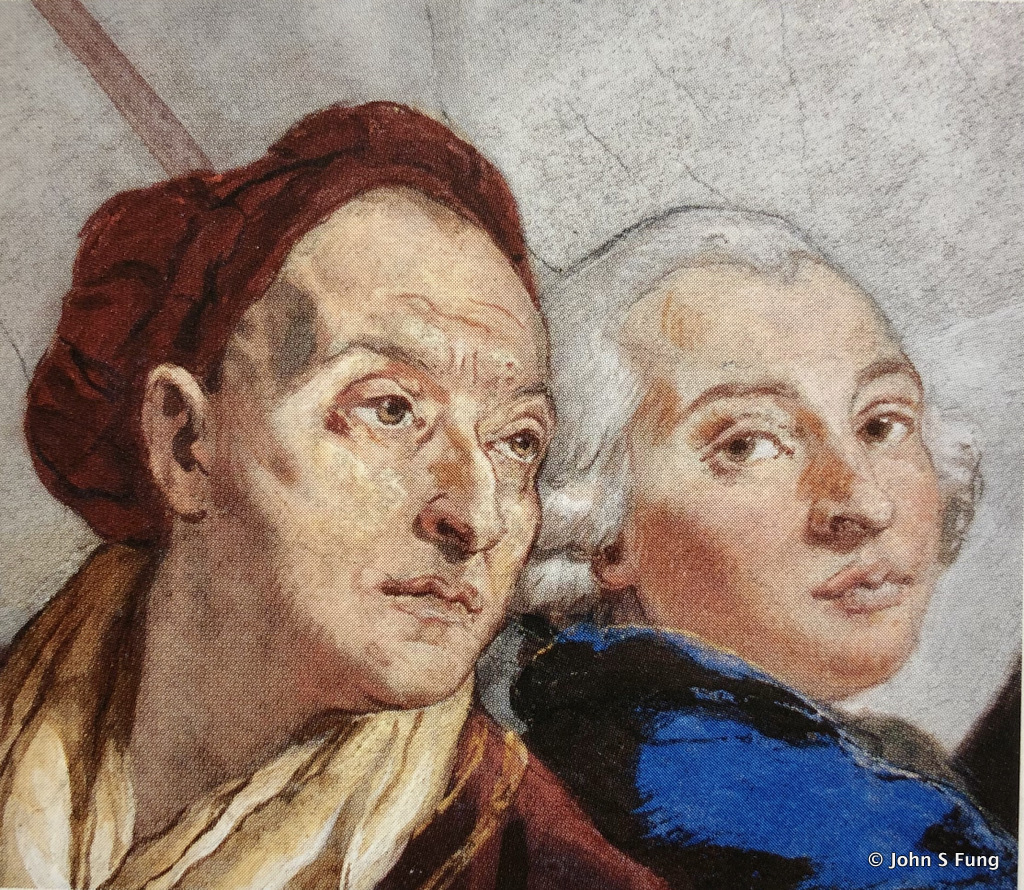
Giovanni Battista Tiepolo (left), the creator of the fresco and his son Giovanni Domenico Tiepolo, one of the painter in Tiepolo’s team, at the left-hand end of the Europe scene. “The heads are so different that it can be assumed here that the father painted the son and the son the father.”
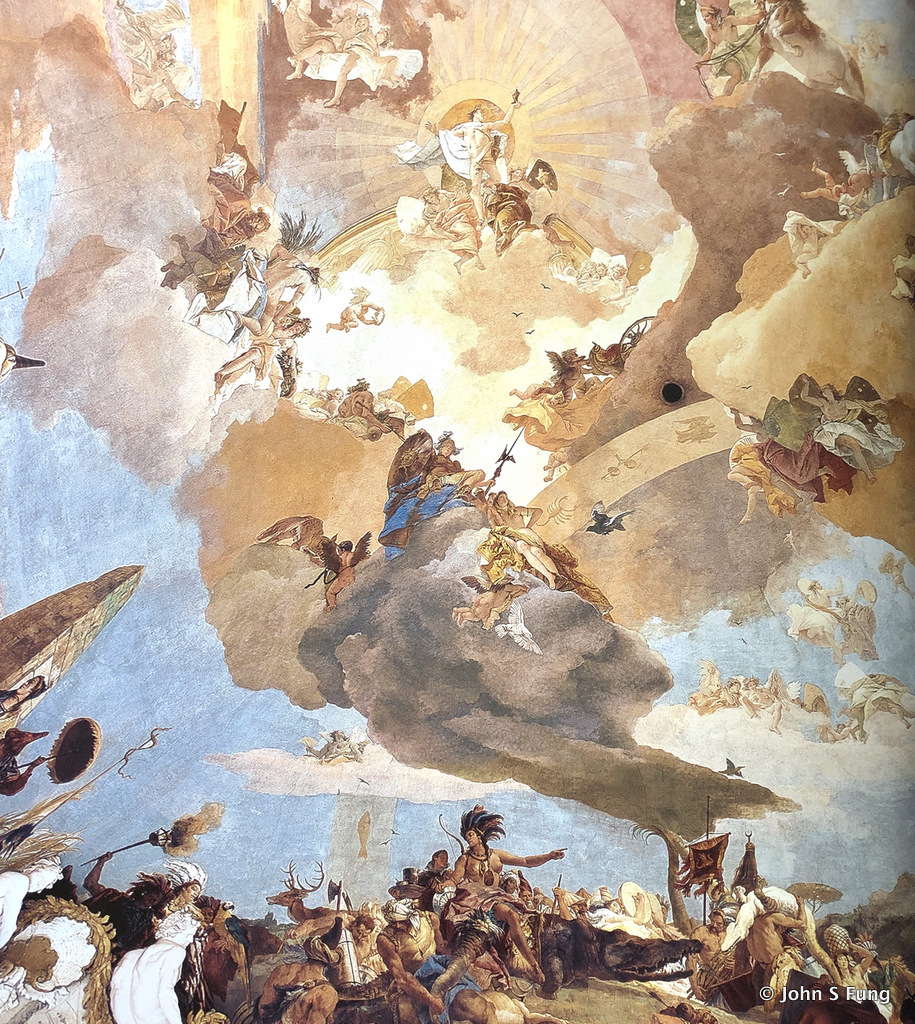
從美洲部分向上看。 Looking towards the America scene and the vault.
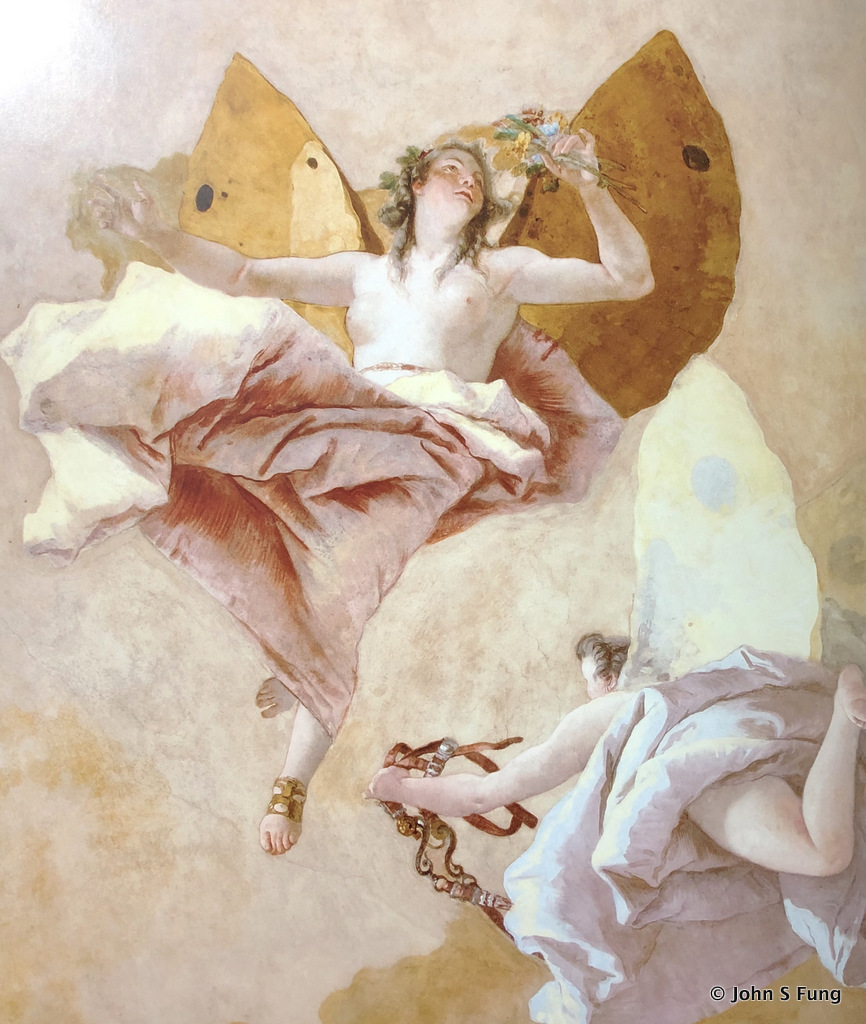
Two Hours with butterfly wings bearing a bouquet and the bridle for a sun stallion. Hours or Horae were the goddesses of the seasons and the natural portions of time in Greek mythology.
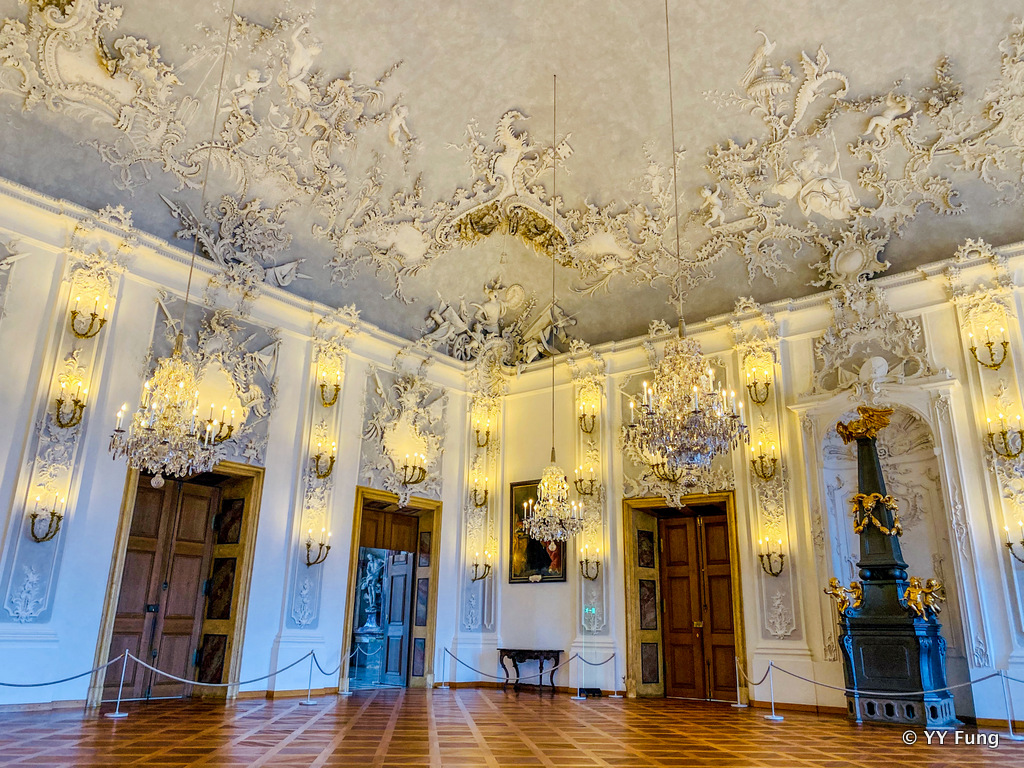
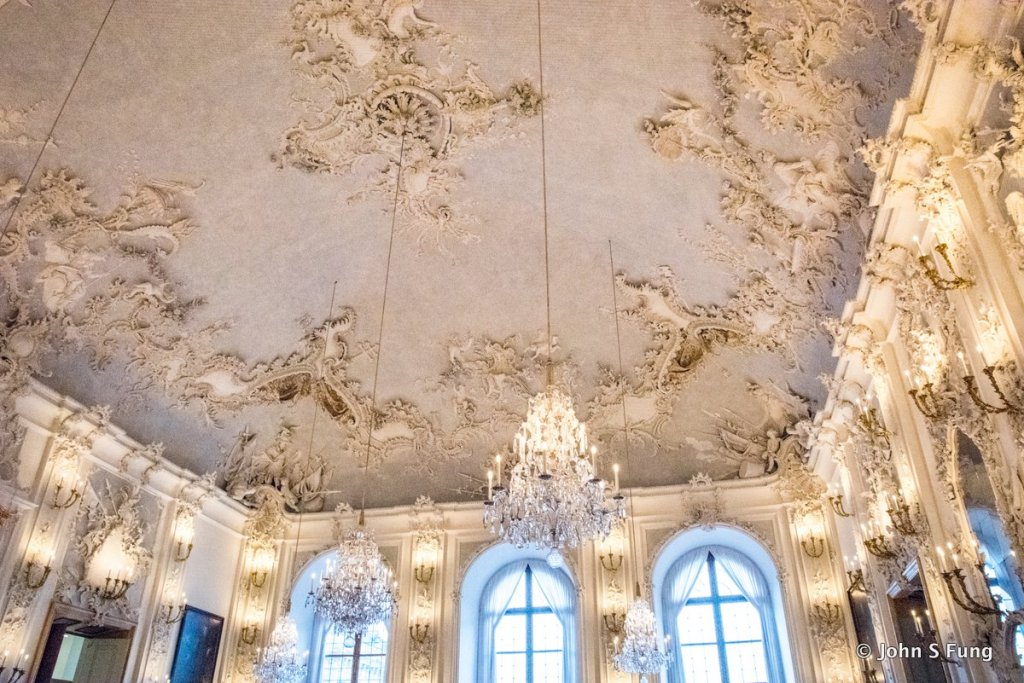
二樓南面的白室(White Hall) 。白室連接東面的皇室大㕔 Imperial Hall 和南面的居室。白室天花和牆上有 A. Bossi 在1744-45 所作的裝飾浮雕。為了彰顯皇室大廳的金碧輝煌,此室特意用上低調的白色。
The photo below shows the white Hall with elaborate stucco work by A Bossi in 1744-45.
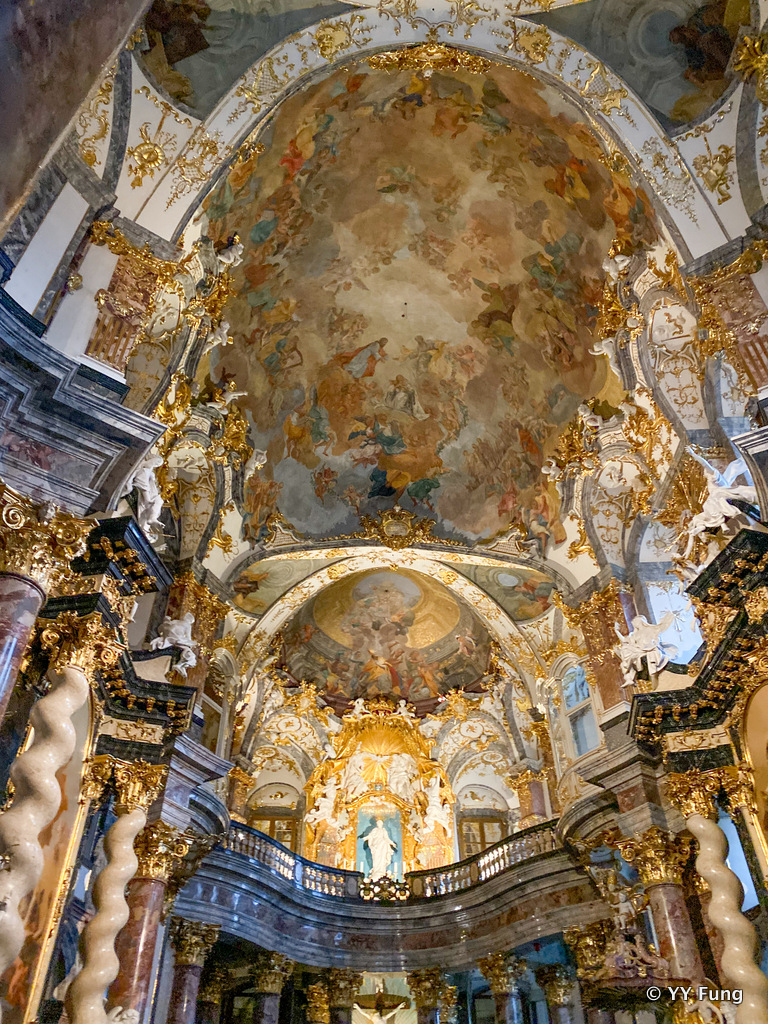
Court chapel, looking towards the vault. Balthasar Neumann (1687-1753), was a German architect developed a refined brand of Baroque architecture, inserted into what was actually a rectangular space three adjoining ovals one behind the other.
We toured through an array of lavishly decorated rooms, be it imperial apartment, guest room or special function room, I don’t remember a thing after the White Hall. My impression was that Prince-Bishop Johann Philipp Franz von Schonborn, who initiated the building of the Residence, as the Duke of Franconia, must have been very successful in running the state of Franconia. I’m not sure if his was a braggadocios who wanted to showoff his sumptuous taste in art and architecture.
維爾茨堡市內遊 City Walk
我們開始市內遊的時候已是下午四時,天色已暗。We began our city walk tour at around 4pm.
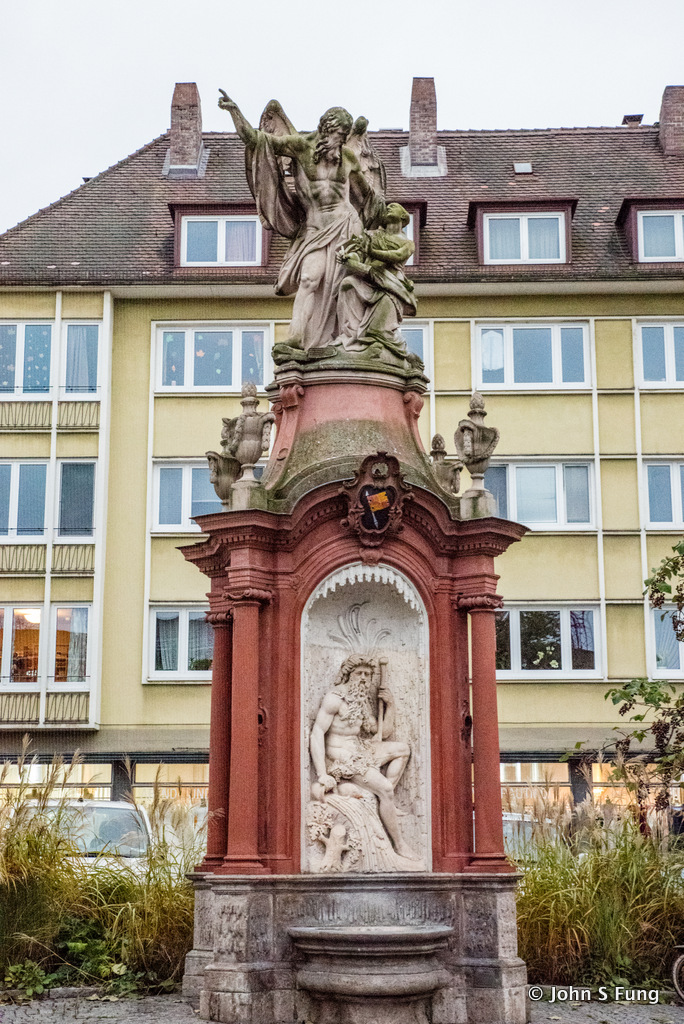
Chronobrunnen (Chrono fountain) or Moenusbrunnen (Moenus fountain), Chronos is the “god of time”, and Moenus is the Latin name for Main, also meant the river god, the “Father Main”. Above the fountain bowl is Moenus, the river god while on top is a man with wings (Chronos, the god of time) pointing to the residence.
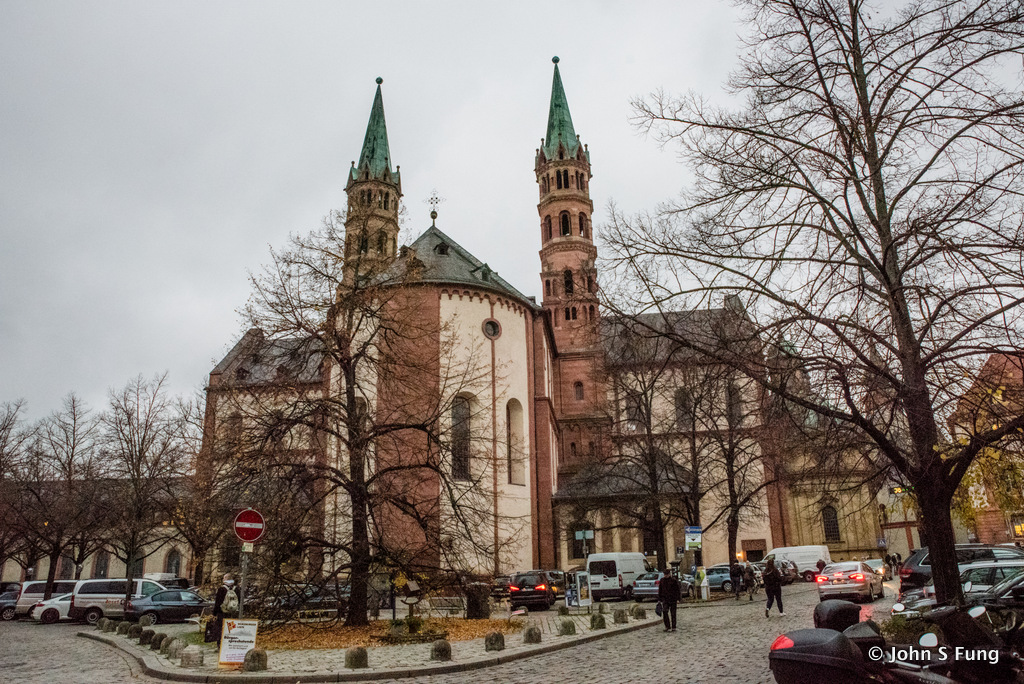
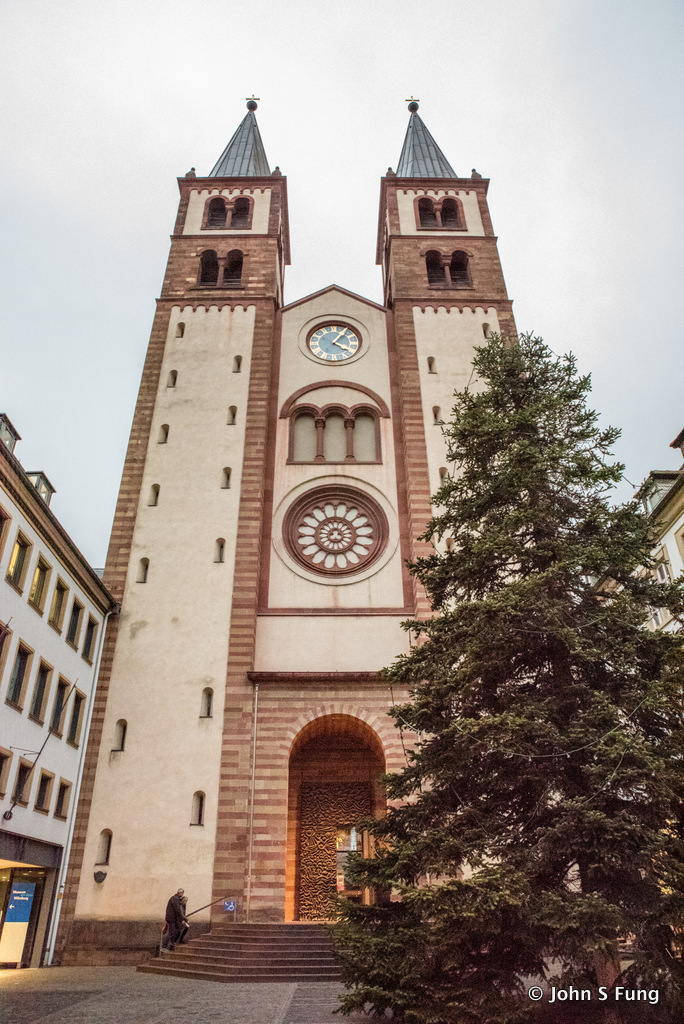
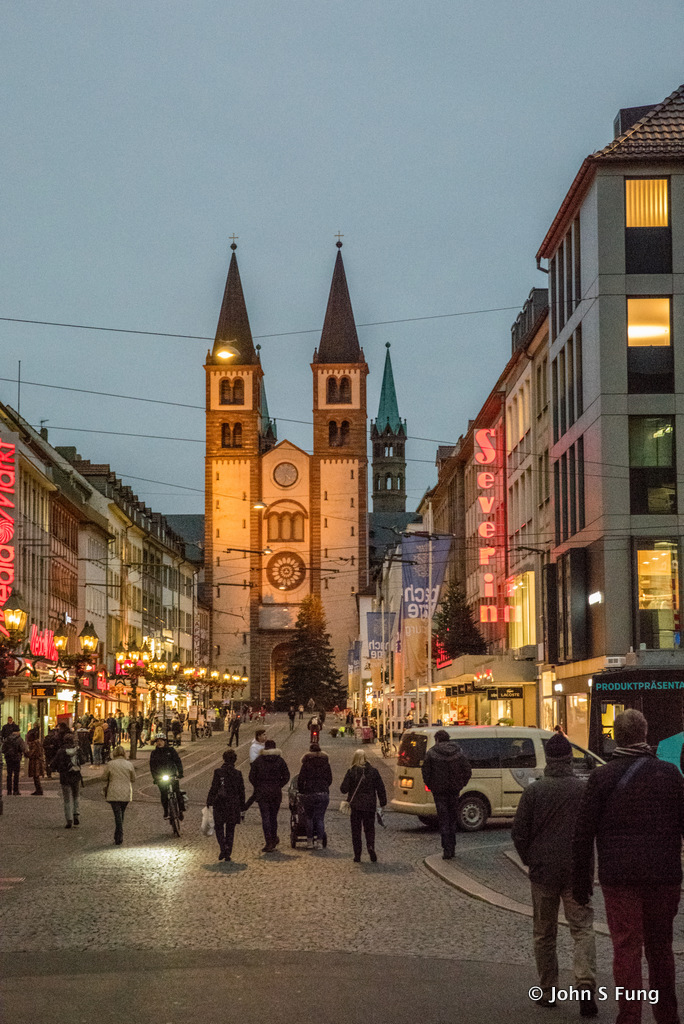
由水泉向下行,就見到維爾茨堡大教堂的雙塔和半圓祭壇/詩班外面。
The apse.choir and the towers of Wurzburg Cathedral.
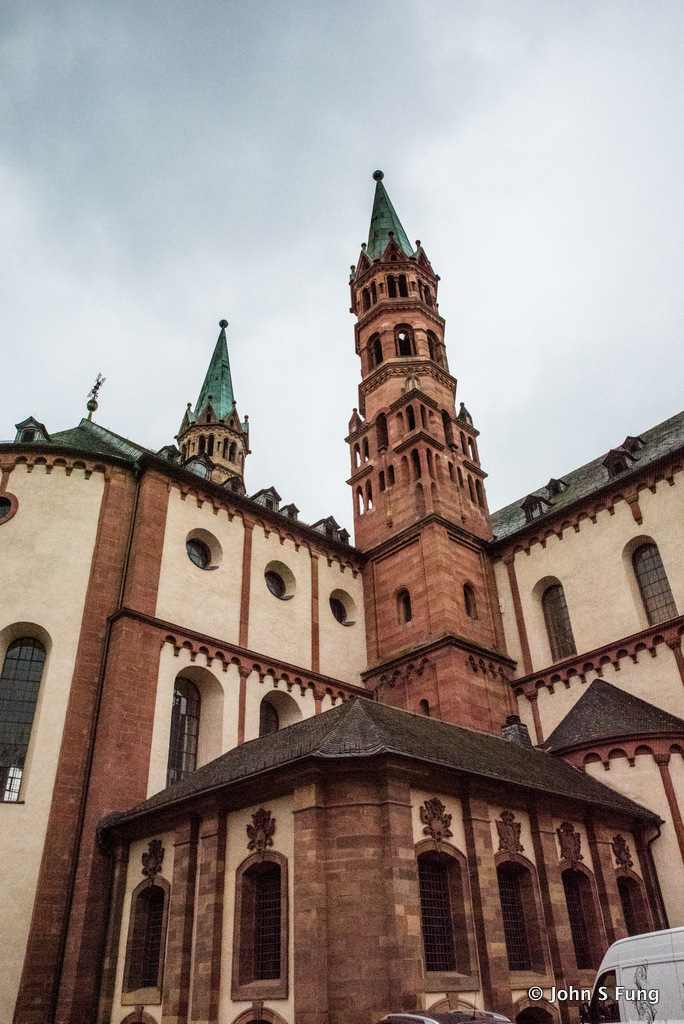
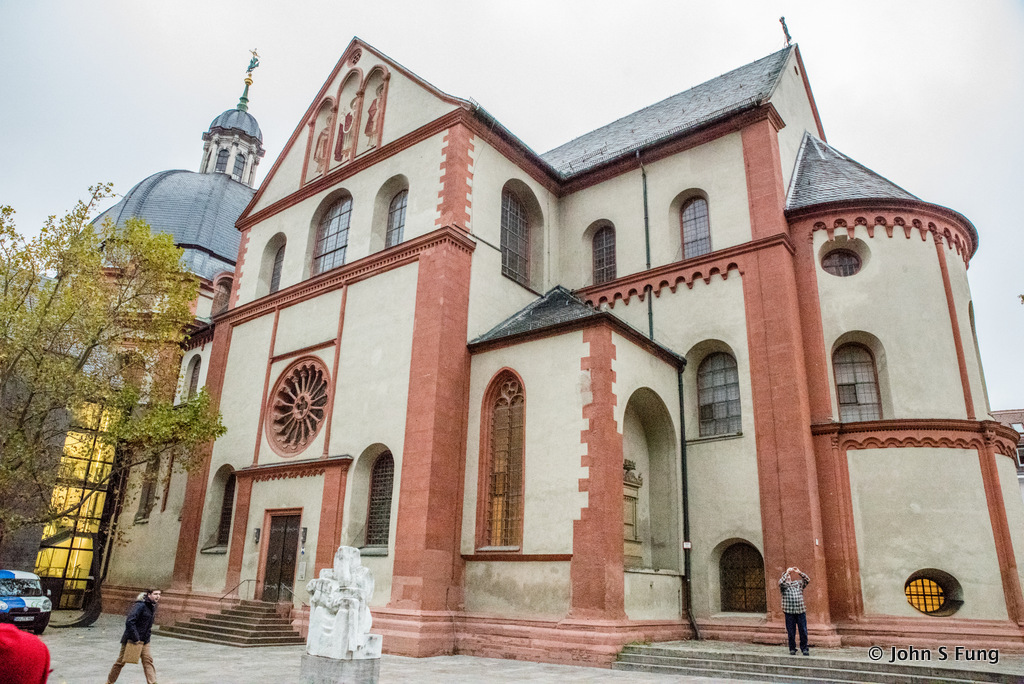
新教堂詩班位置外可見其羅馬式建築。
The eastern choir in Romanesque style of Neumünster Collegiate church.
The church dates back to 1065. The original church was built in Romanesque style, and later was renovated and expanded (1180-1250).
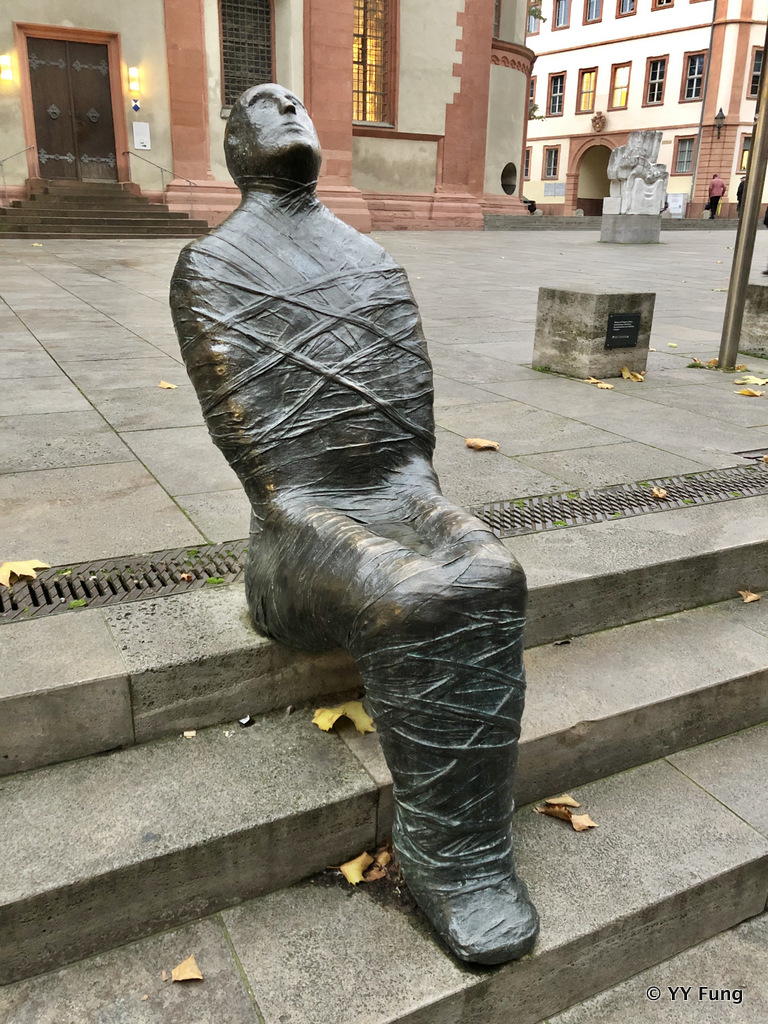
This statue, called “handrail”, is sitting in the open area between the Cathedral and the Newmunster Church. The statue, bound in red tape, is placed there in protest of a dictated handrail installation on the stairs.
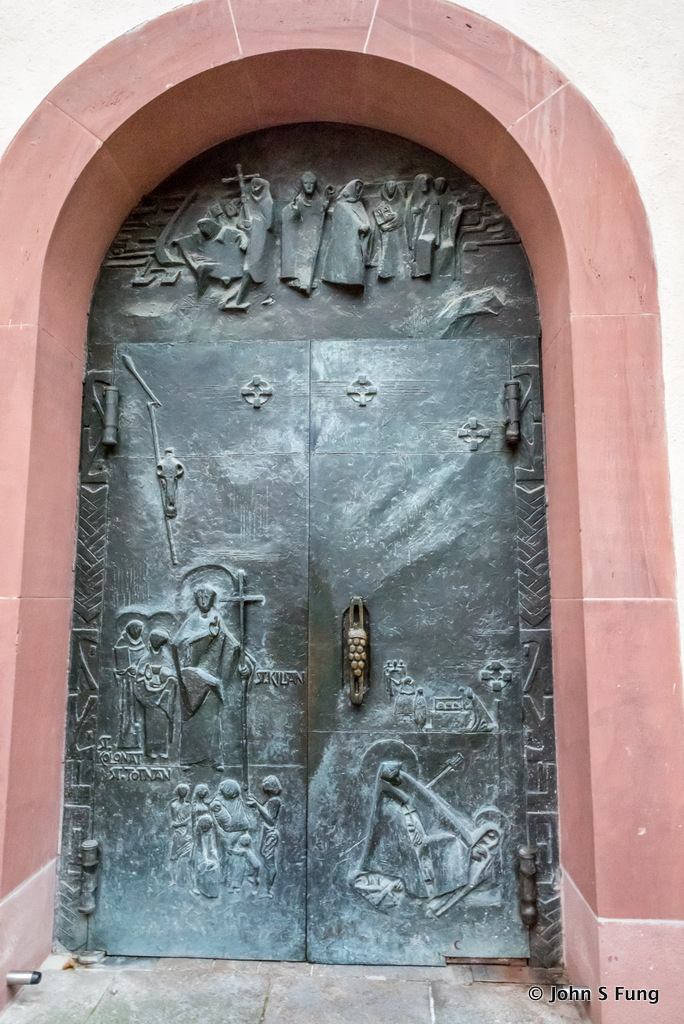
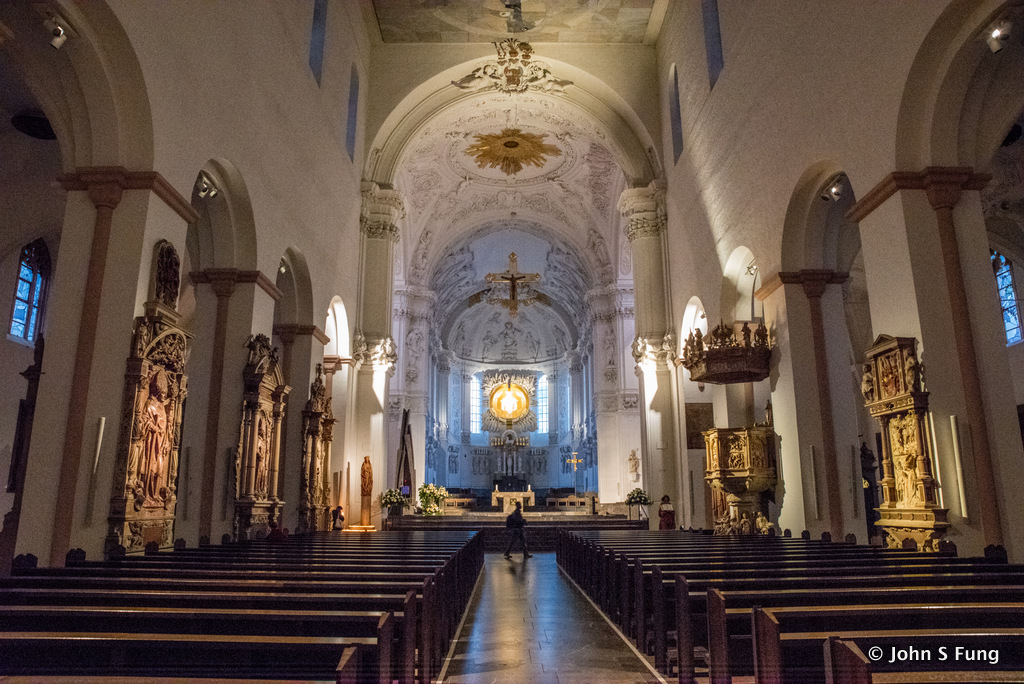
The gate to the nave of the Cathedral caught my eyes, I sneaked in and checked out the nave while our group was outside.
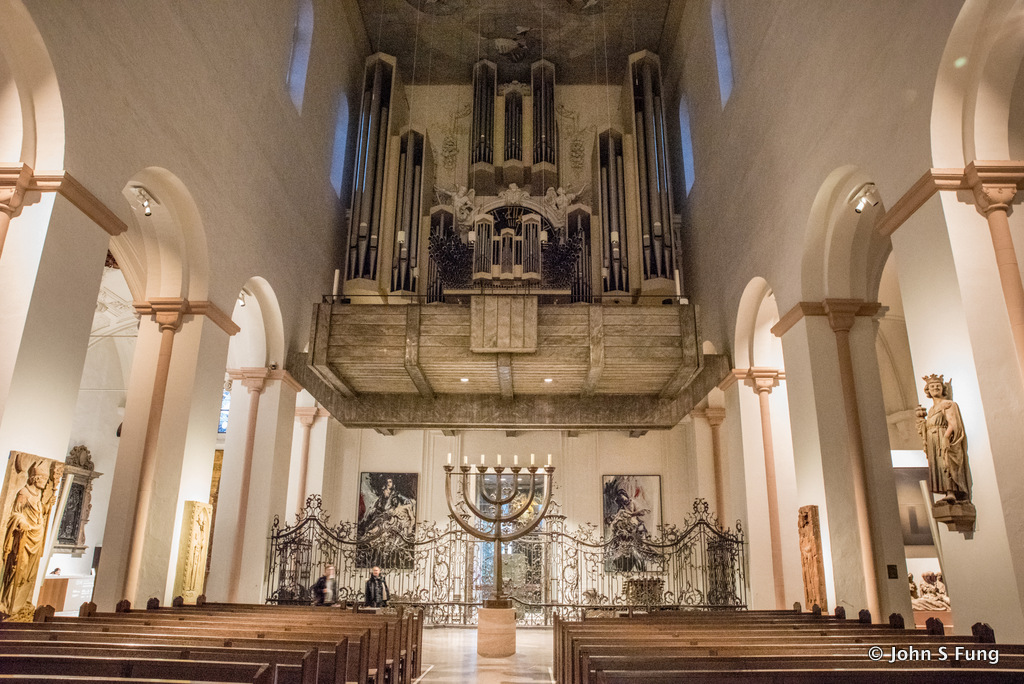
Standing in the nave looking to the apse and choir. The church suffered severe damage during Second World War, the current church was rebuilt in the ’50s.
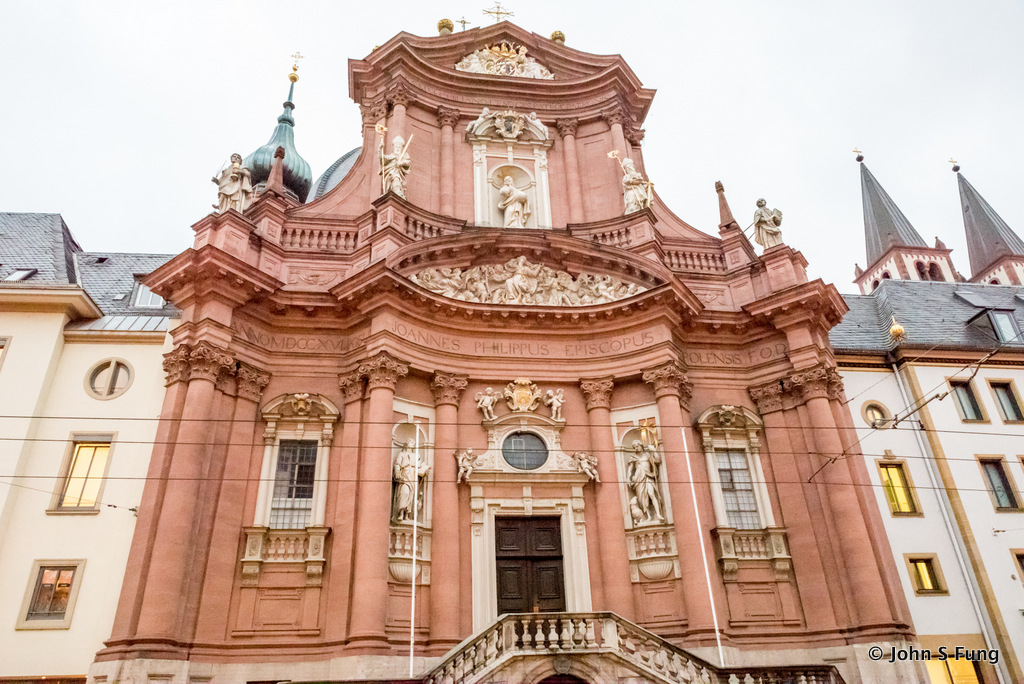
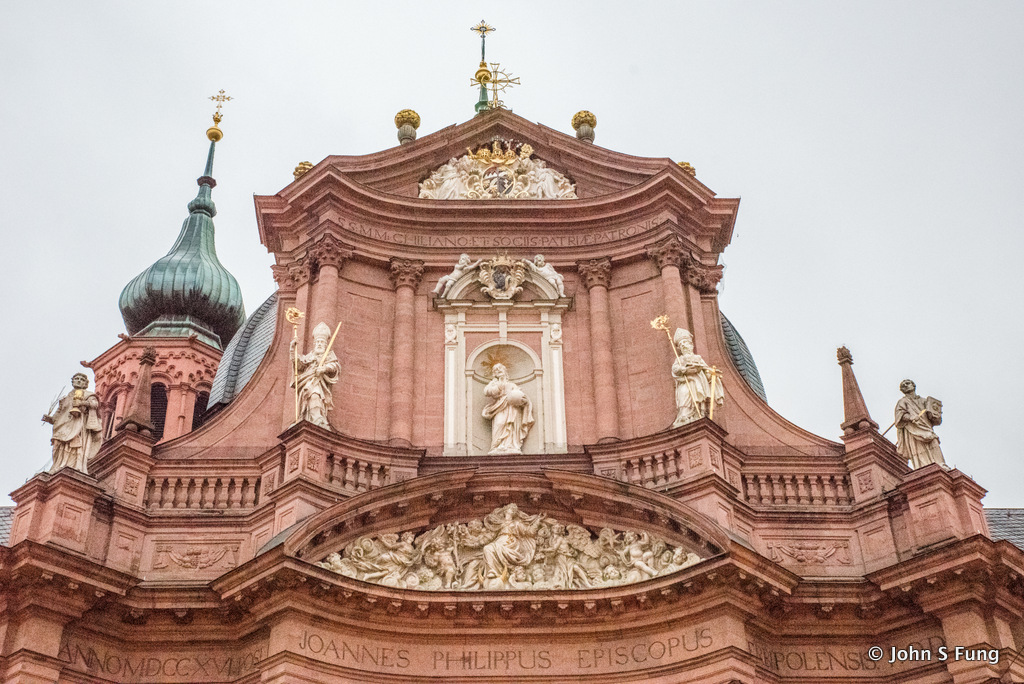
New Munster Church (Neumunster). The church dates back to 1065. The orginal church was built in Romanesque style, and later was renovated and expanded (1180-1250). The west facade of was built 1711 to 1716 by Josef Greising in Baroque style.
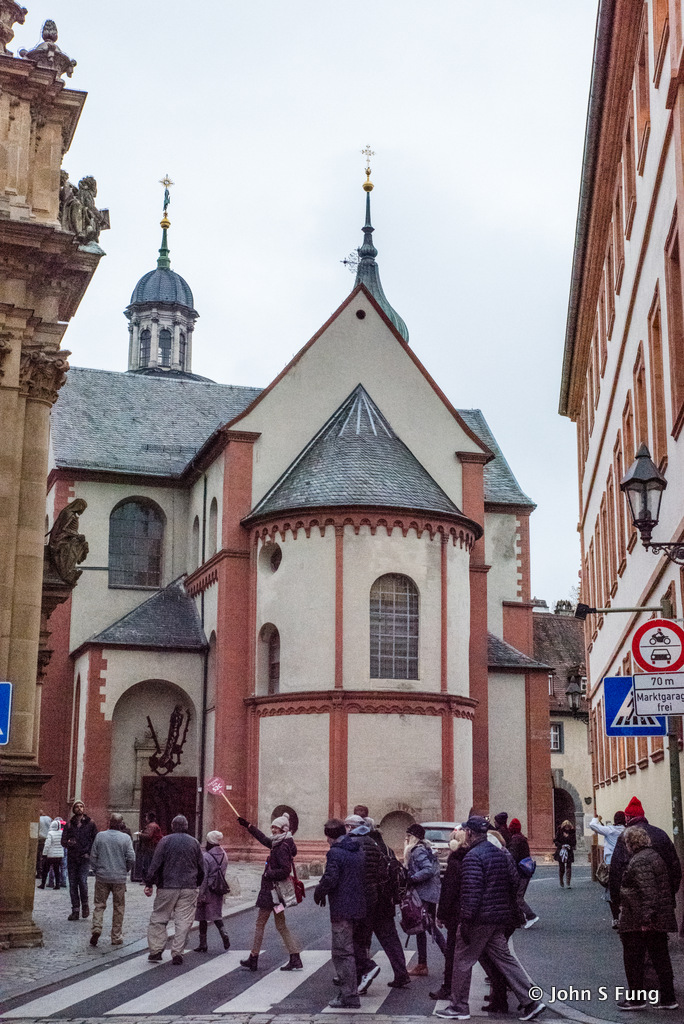
喜歡這些建築元素,資料在搜集中。
Love these architectural elements, I don’t know any history of them.
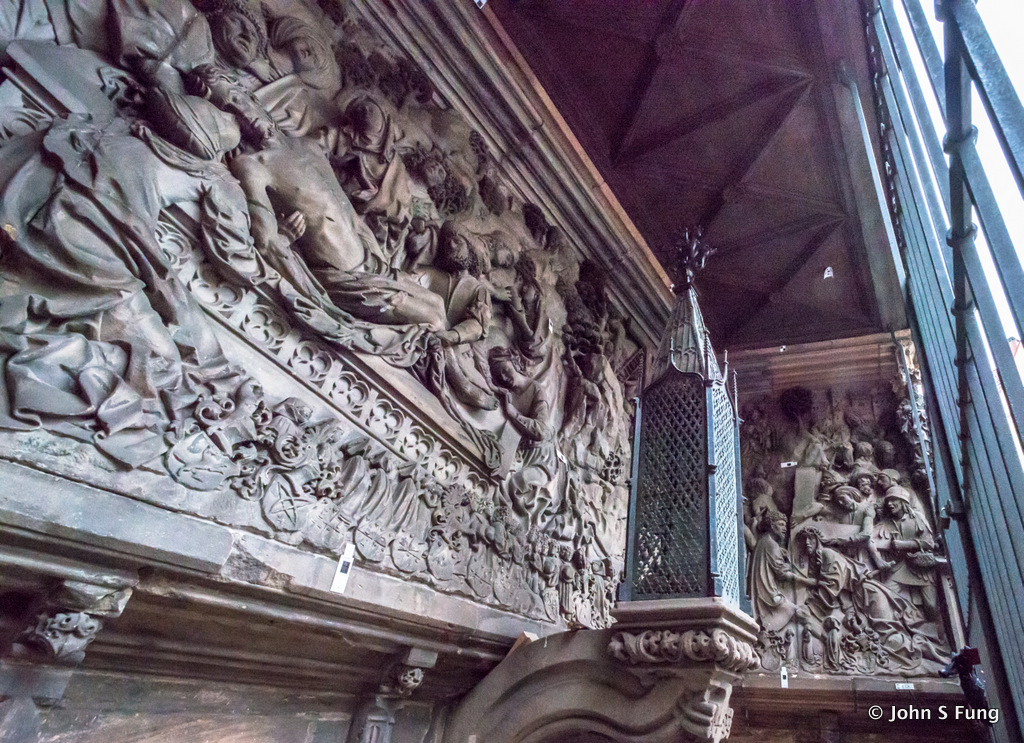
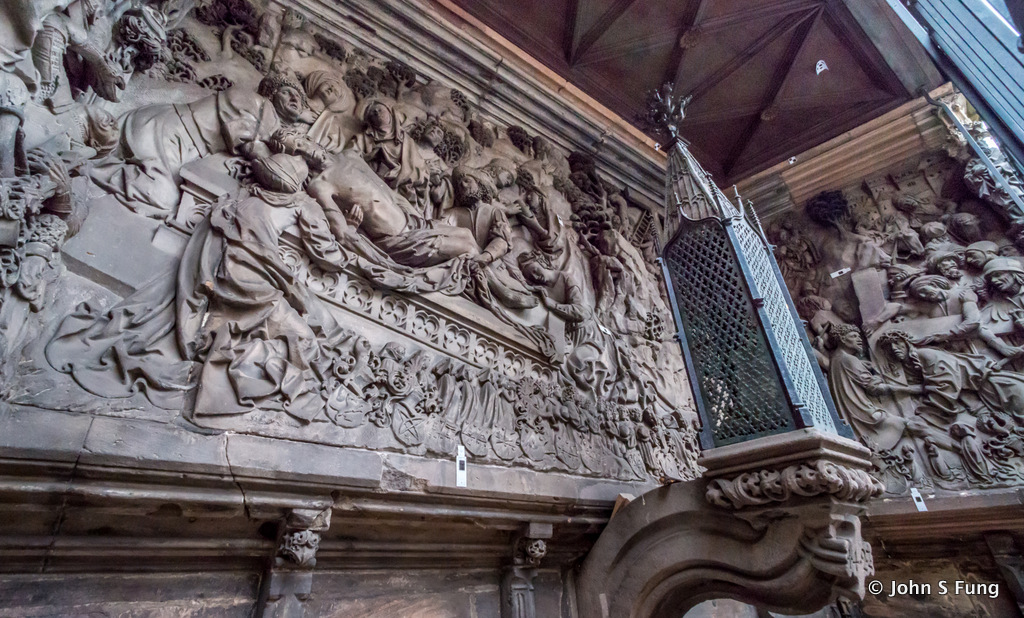
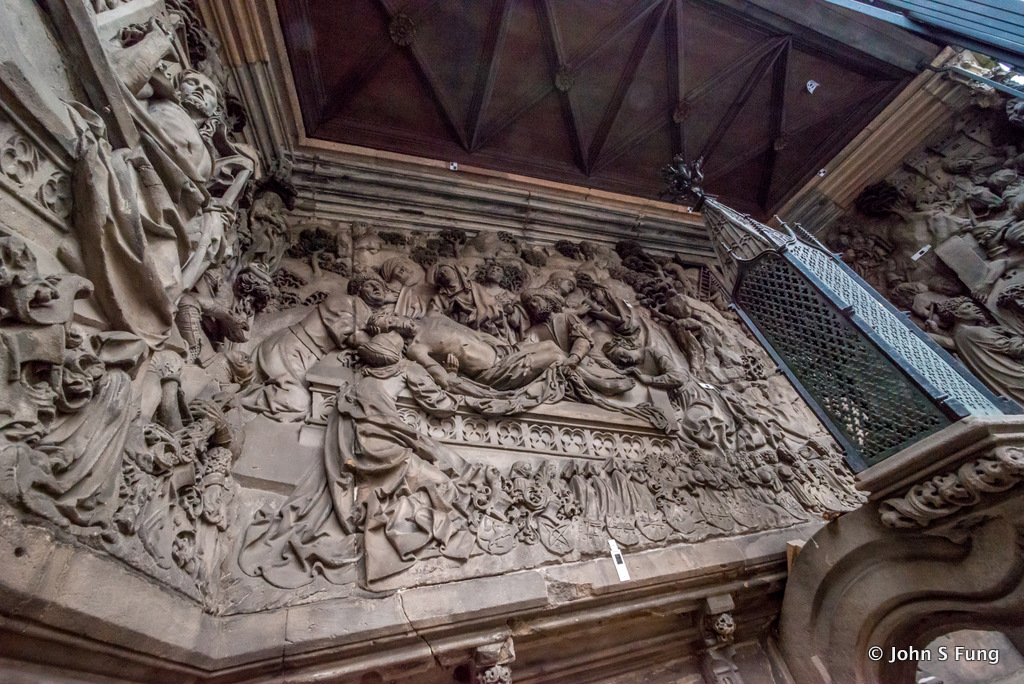
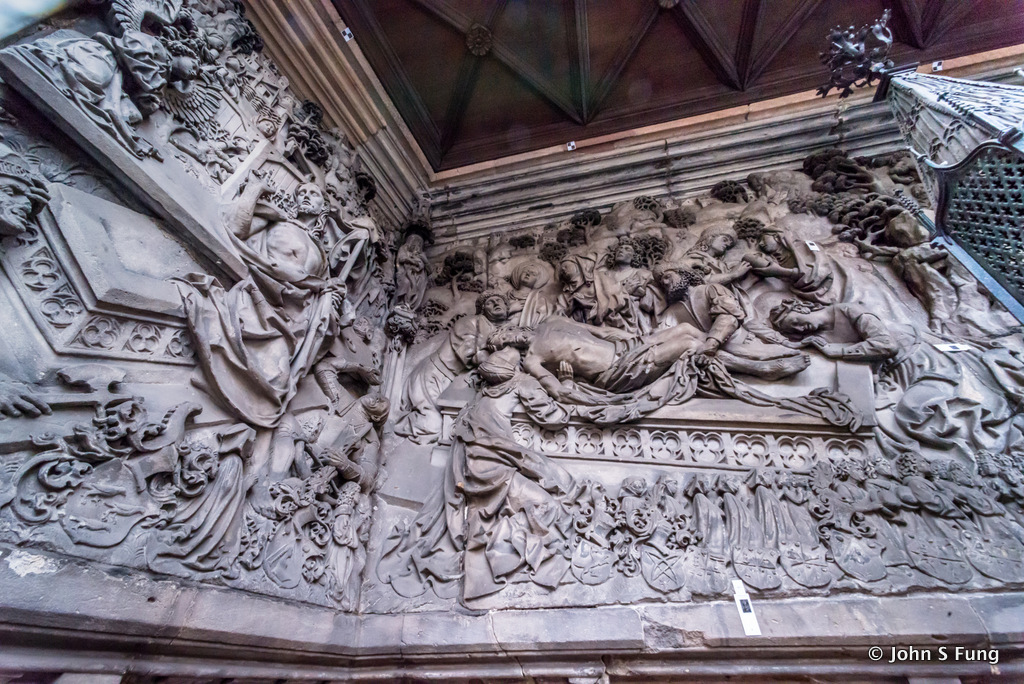
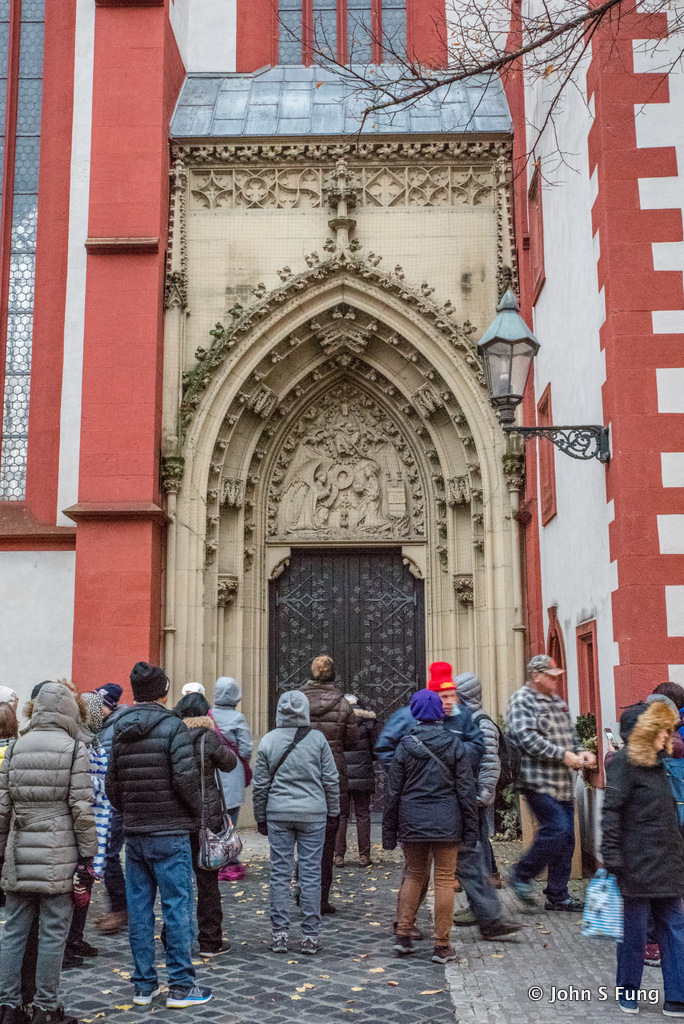
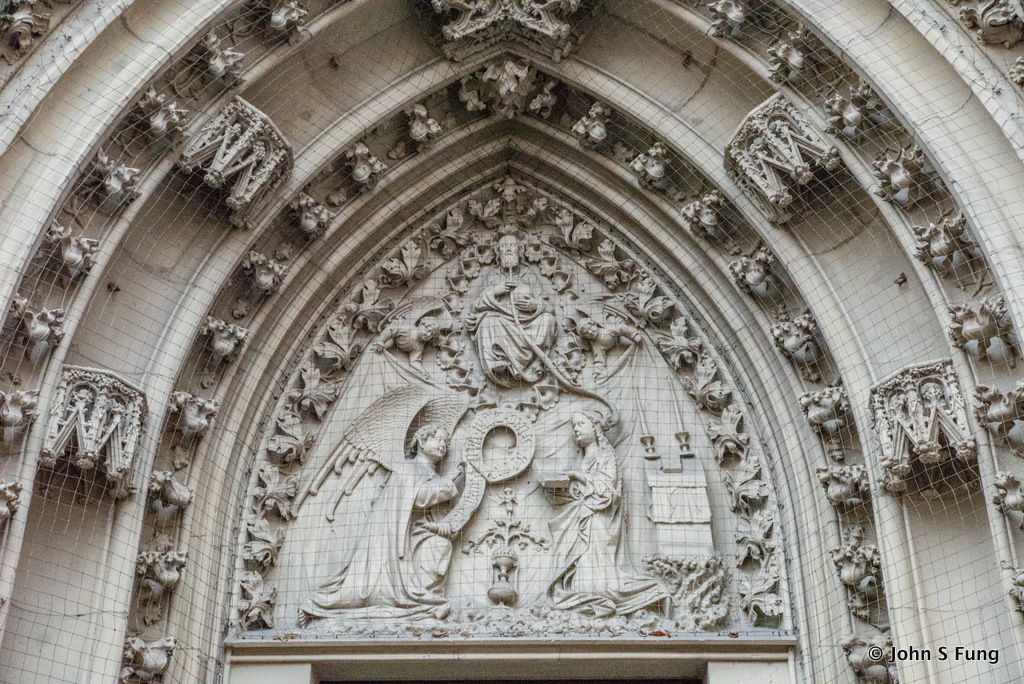
Our guide led us to the north door of Mary’s Chapel. She pointed to a famous relief on the tympanum , the triangular decorative wall above the door, known as “Adam and Eve”. This relief depicts Annunciation – “Concepio per aurem” in a graphic visual way.
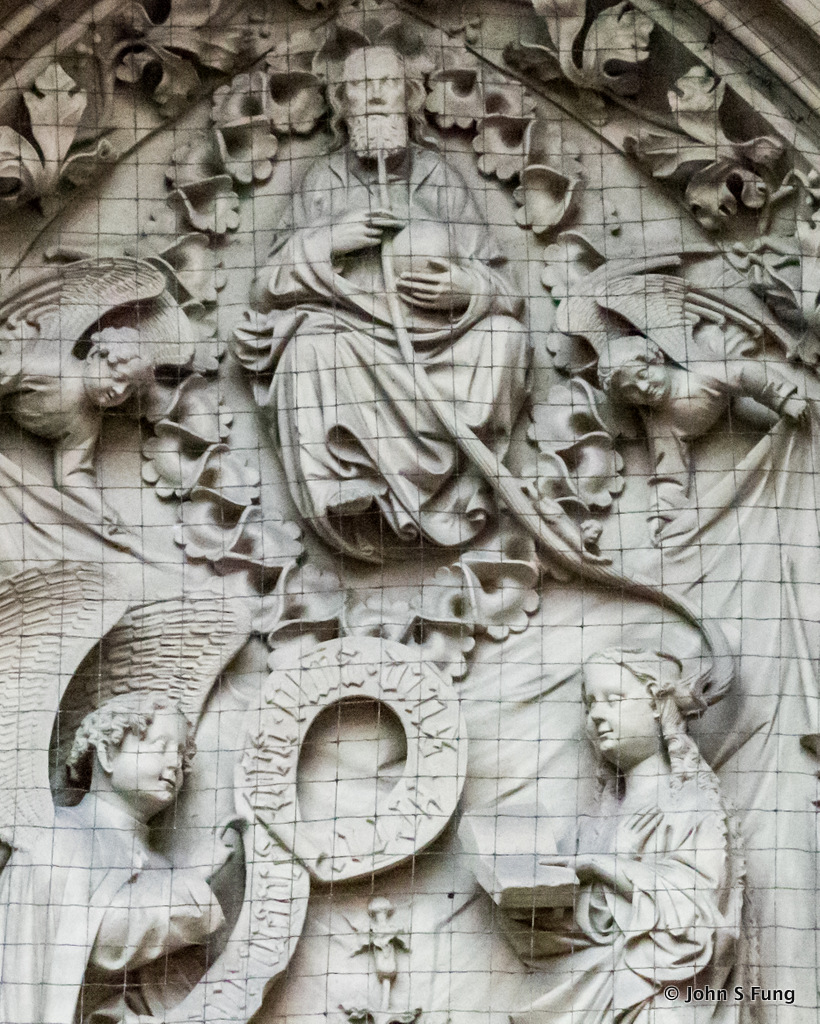
Mary is kneeling down in front of the angel Gabriel who announces that Mary was the chosen one, God the father, above them, is blowing the baby, Jesus, down a tube into Mary’s left ear. Mary was impregnated at the instant of hearing the angel’s heavenly message announcing her that she would be mother of the Son of God.
上帝用一支管將耶蘇送至聖瑪利左耳,完成不失童貞的受孕。
God is blowing the baby, Jesus, down a tube into Mary’s left ear. Note the baby Jesus at the middle of the tube.
我們沒有時間參觀聖瑪利禮拜堂。據說二次大戰戰火中破壞嚴重,現建築是上世紀五十年代重建的。
Mary’s Chapel, we didn’t have a chance to visit the inside of the chapel. However, it was said that they the chapel was destroyed during the air-raid in second world war and was rebuilt in the ’50s.
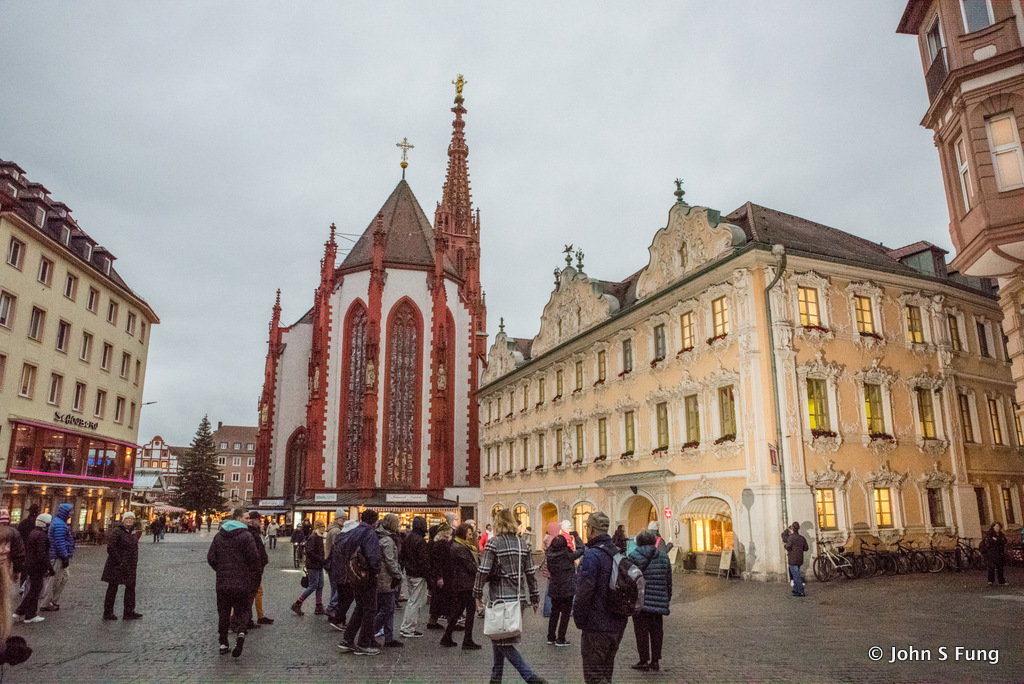
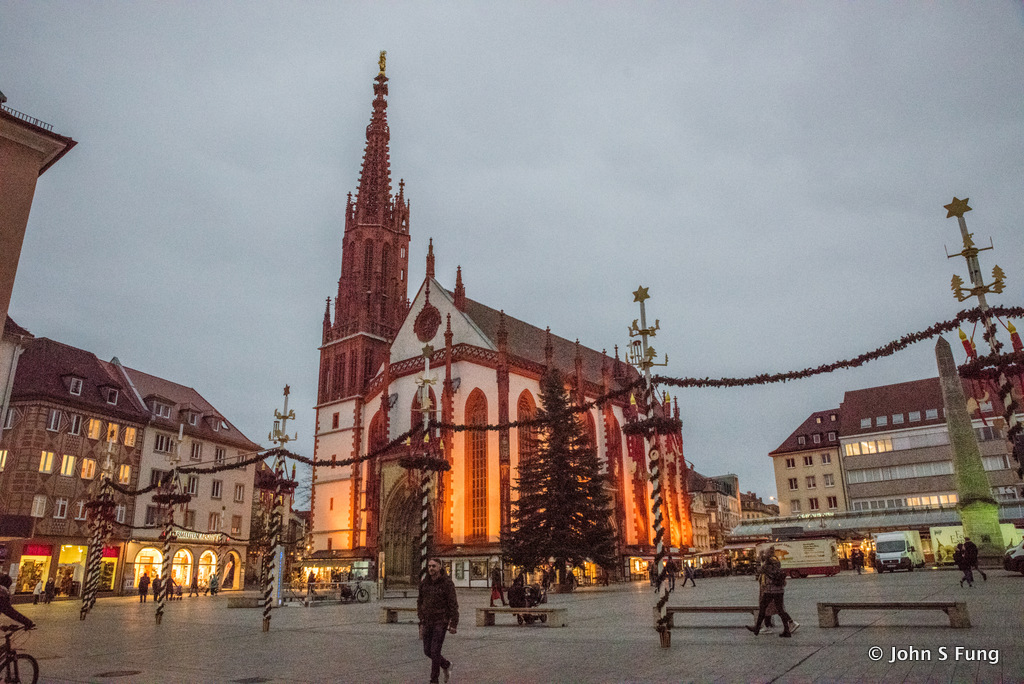
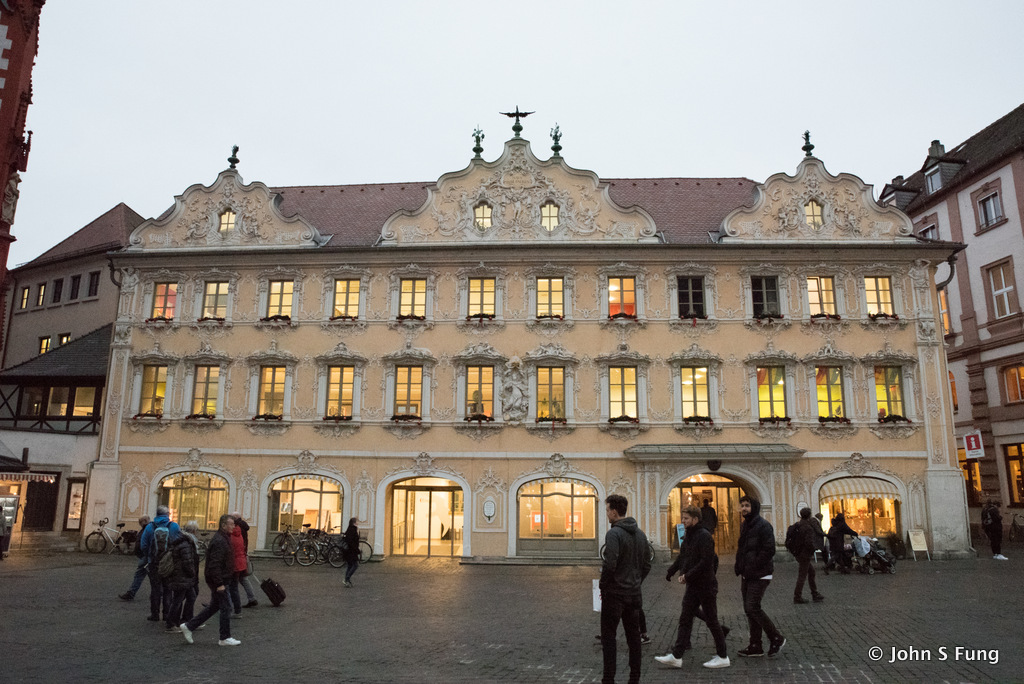
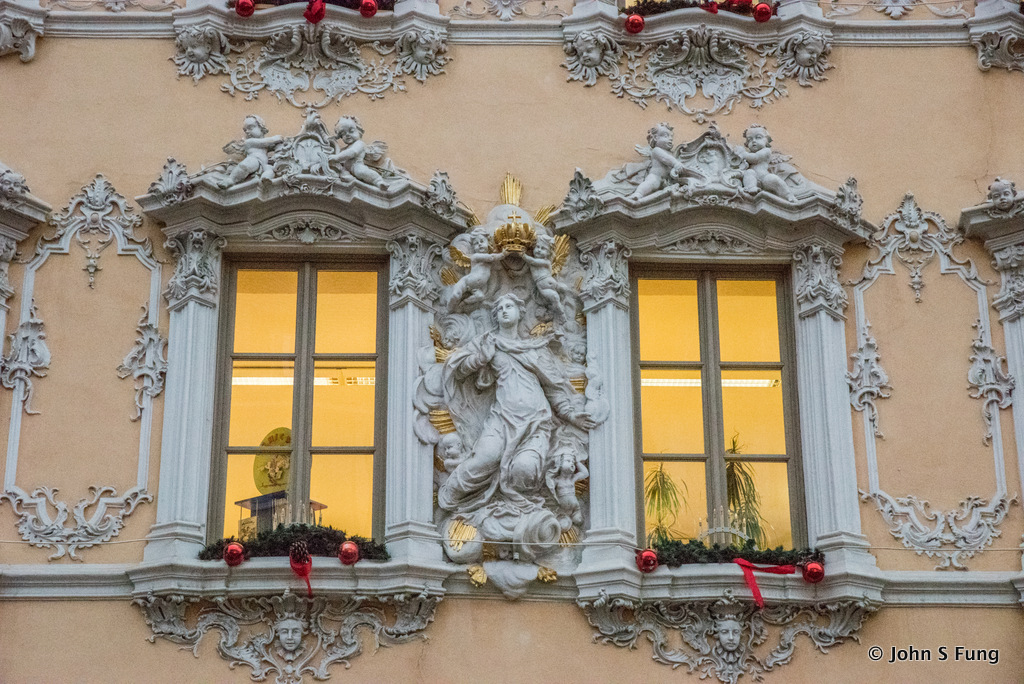
Next to the Mary’s Chapel, there is a beautiful Baroque building with lightly beige façade with exceptional stucco work, called Falcon House (Falkenhaus) . It is a library and a tourist information center.
It was getting dark, we missed a lot of little things on the way to the Main Bridge. However, the atmosphere with the lights on was romantic.
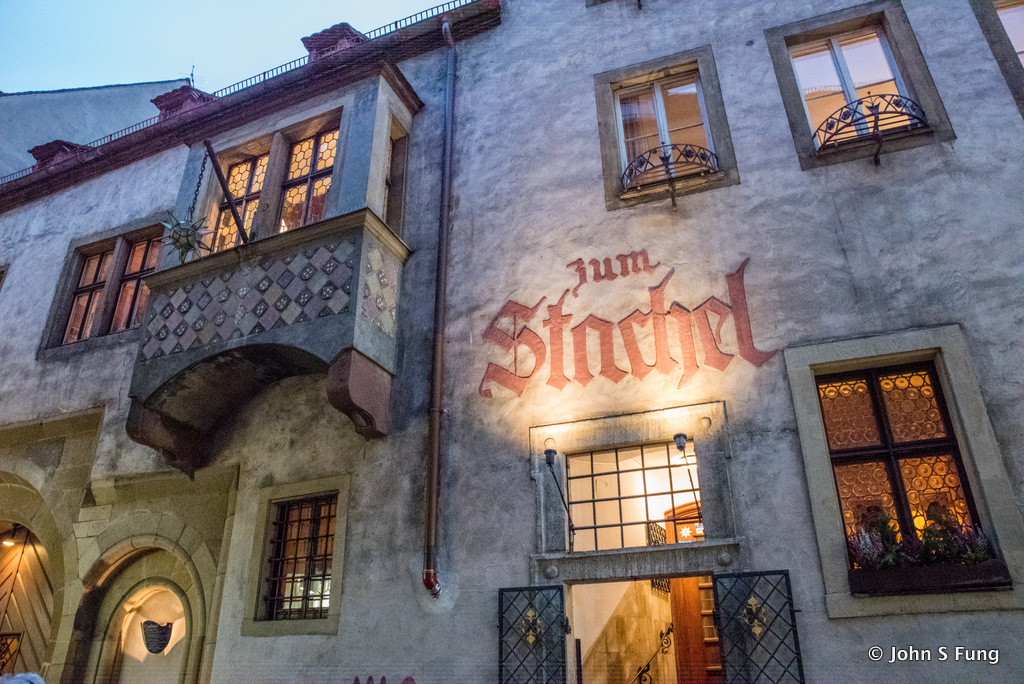
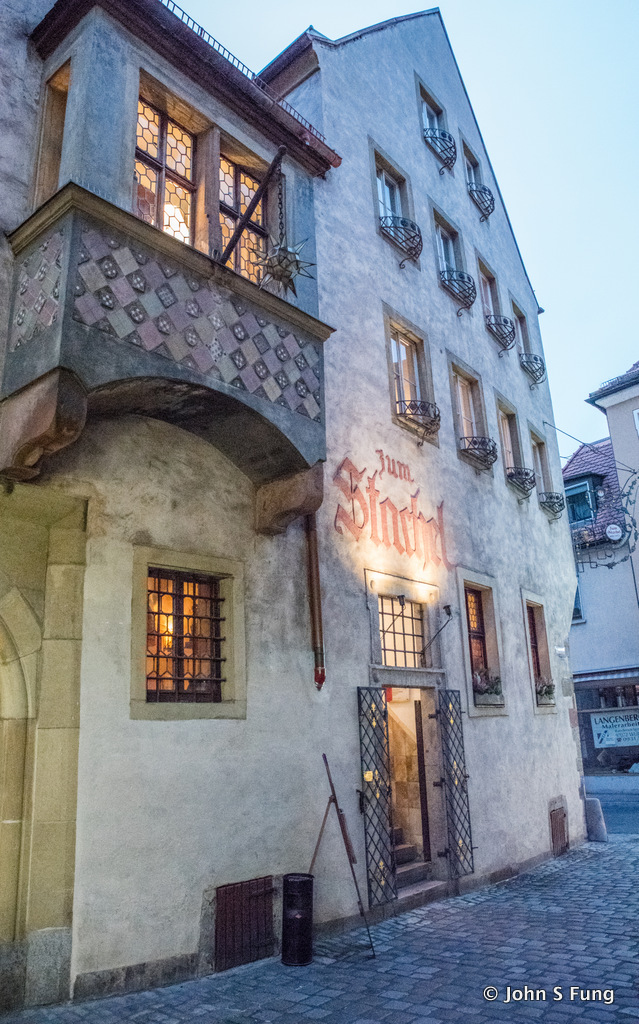
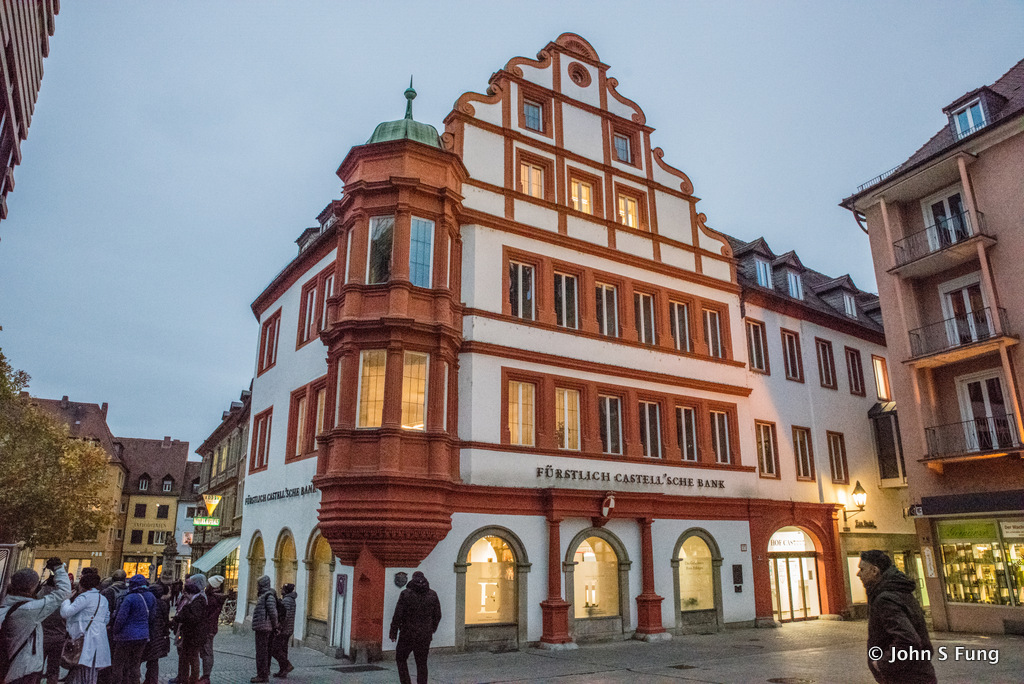
Stachel 酒家,是德國老牌客棧之一。1413年漢斯威連和妻子買下此店,改為餐廳。
Zum Stachel, Stachel Wine House is one of the oldest German inns in Würzburg. In 1413 the butcher Hanns Rehlein and his wife and landlady Margarete bought the “Gressenhof” for 200 guldens and founded a gastronomic tradition. (Wikipedia)
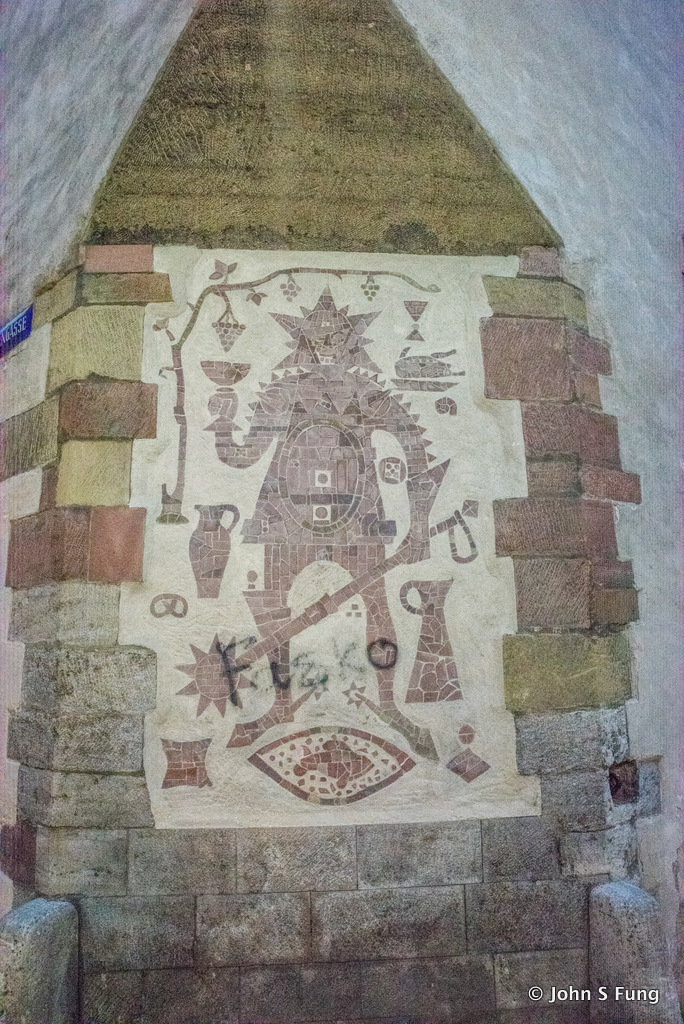
餐廳的轉角處,有此嵌畫。
At the corner of Zum Stachel, there is an interesting art work.
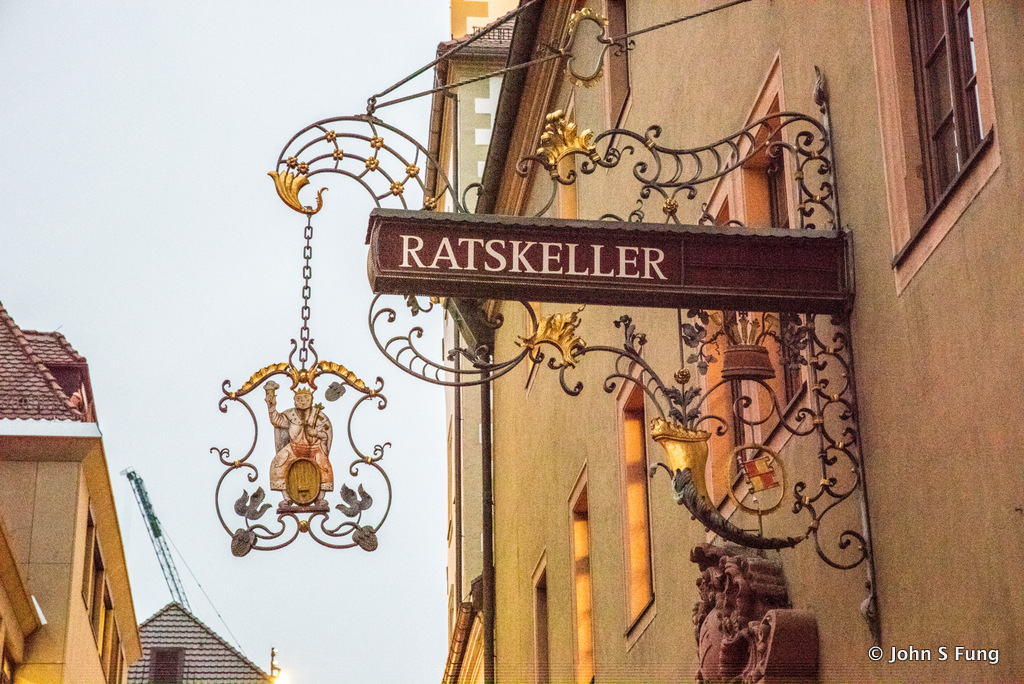
酒吧 Ratskeller 的招牌。名字原意指市政廳的地窖,通常是指市政廳地庫或附近的酒吧/餐廳。
The beautiful sign of Ratskeller (historically Rathskeller, in German, “council’s cellar”) which is a bar or restaurant located in the basement of a city hall or nearby.
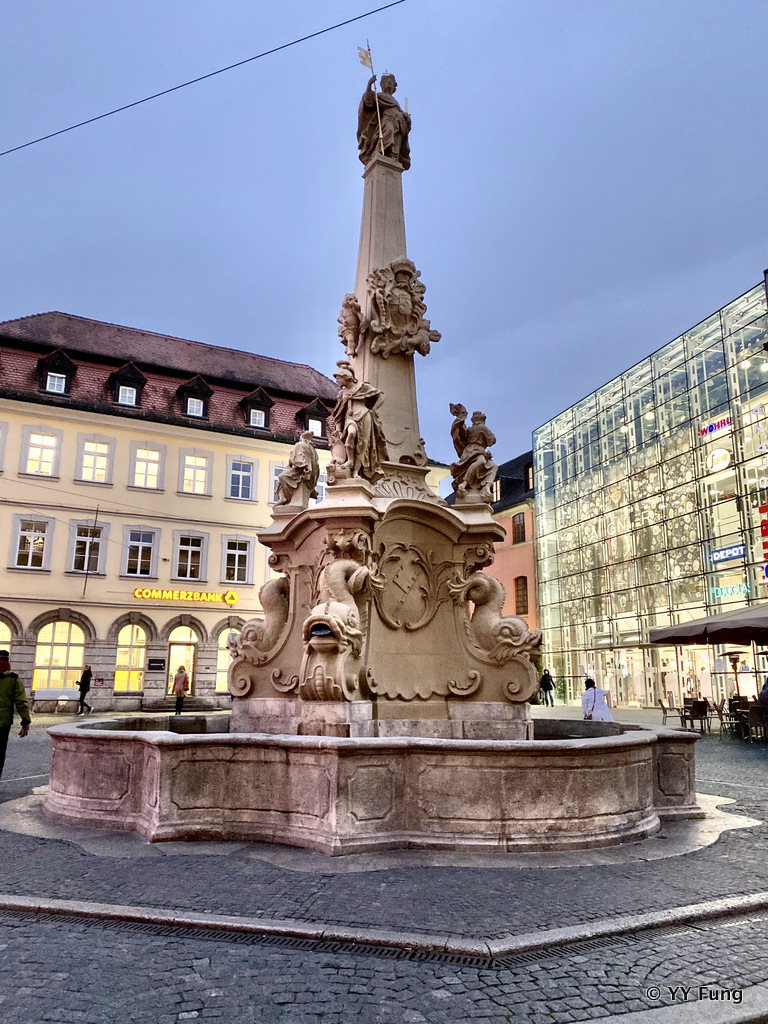
A historic fountain – Four Tubes Fountain, dates back to 1766. On top of the obelisk stands a statue of Franconia, holding the Frankish storm flag (Rennfähnlein)
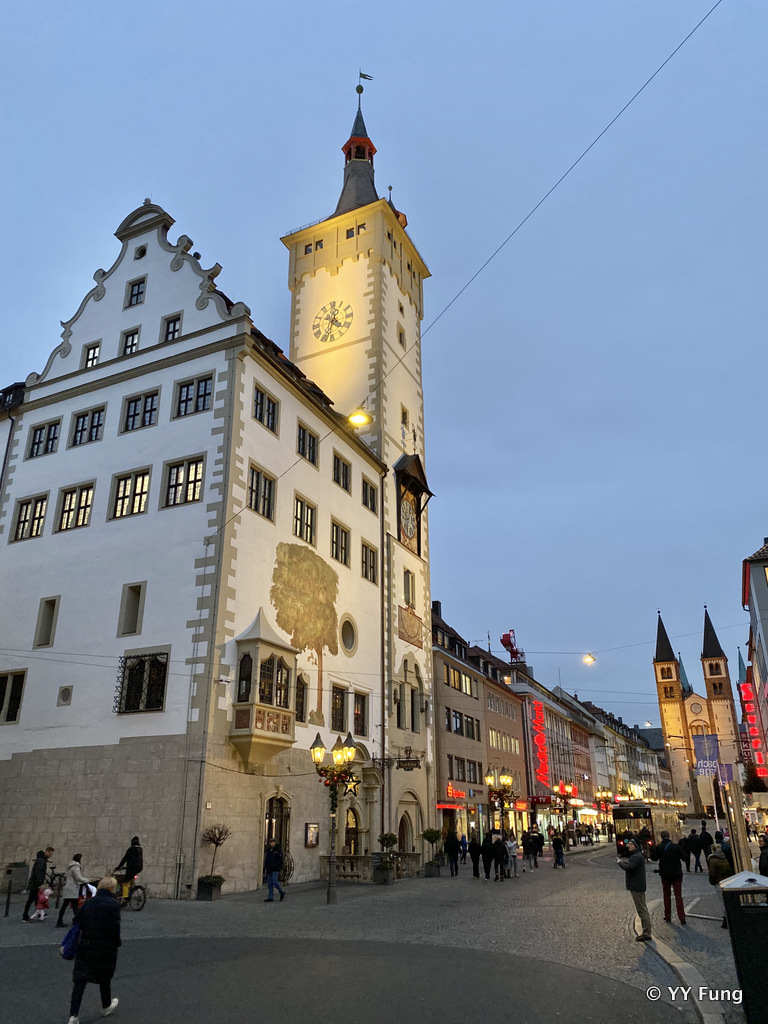
The Old City Hall.
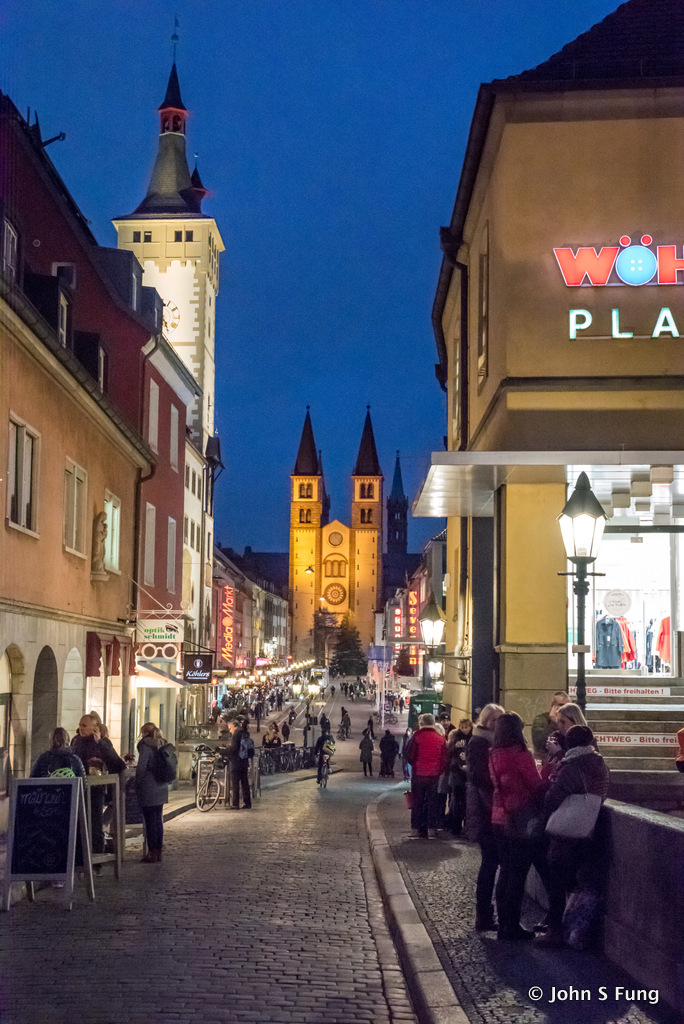
Domstraße (Cathedral street) of the old town, as seen from the Old Bridge. The tower of the Old City Hall is on the left.
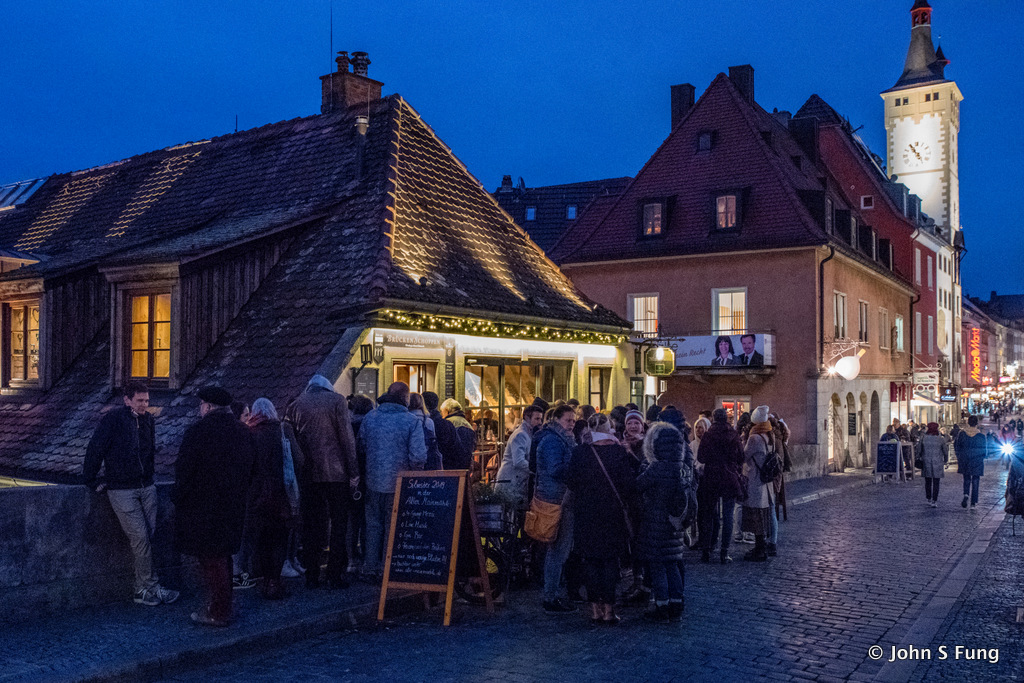
在老橋頭前「老水車餐廳」門前擠滿了顧客,據說常年都是如是。
Alte Mainmuhle, “Old Millwheel” in German, is an old mill-turn-restaurant on the Main. Its access on the bridge was crammed with guests, even in near freezing temperature.
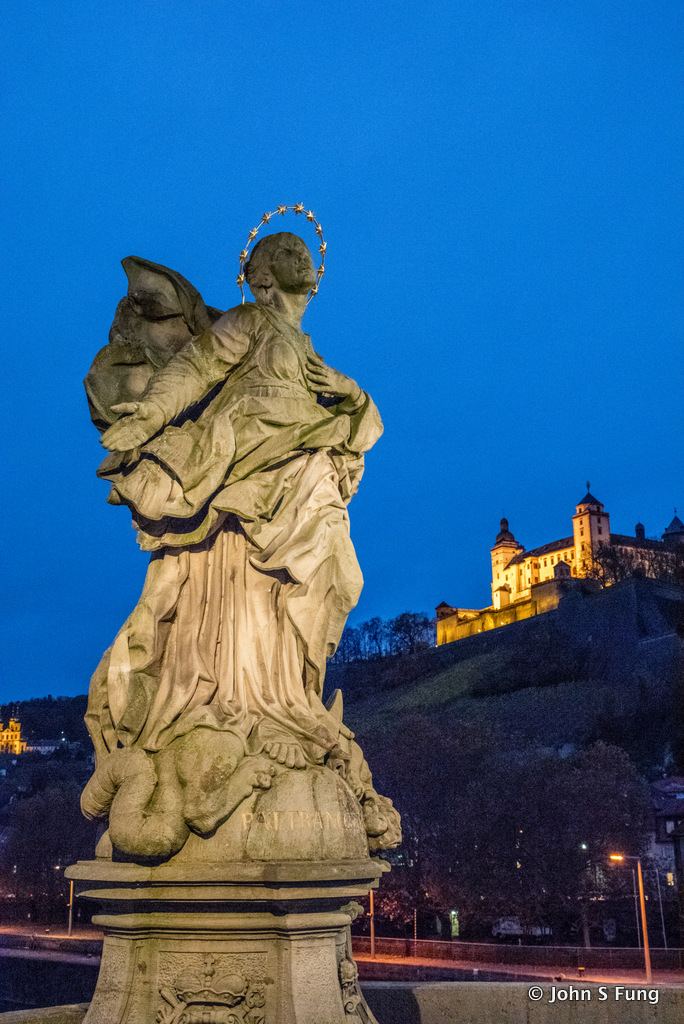
老橋上豎立有十二尊聖人像,這是聖瑪利站在一條龍上。
Twelve barocque statues are placed on the pier caps. This is St. Mary (Patroness of Franconia) and Marienberg Fortress in the backgound.
深秋歐陸上河圖之八: 米爾滕貝格 Viking Grand European Tour – 8: Miltenberg Day 5, Mon, N0v 18, 2019
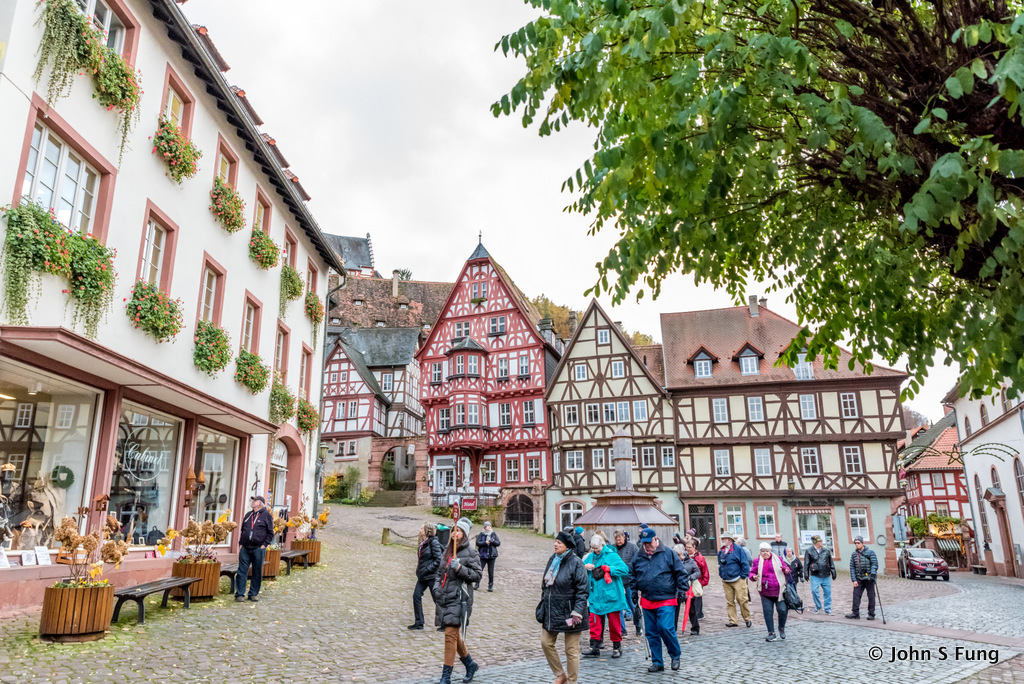
Miltenberg is a town in the Regierungsbezirk of Lower Franconia (Unterfranken) in Bavaria, Germany. It is the seat of the like-named district and has a population of over 9,000.
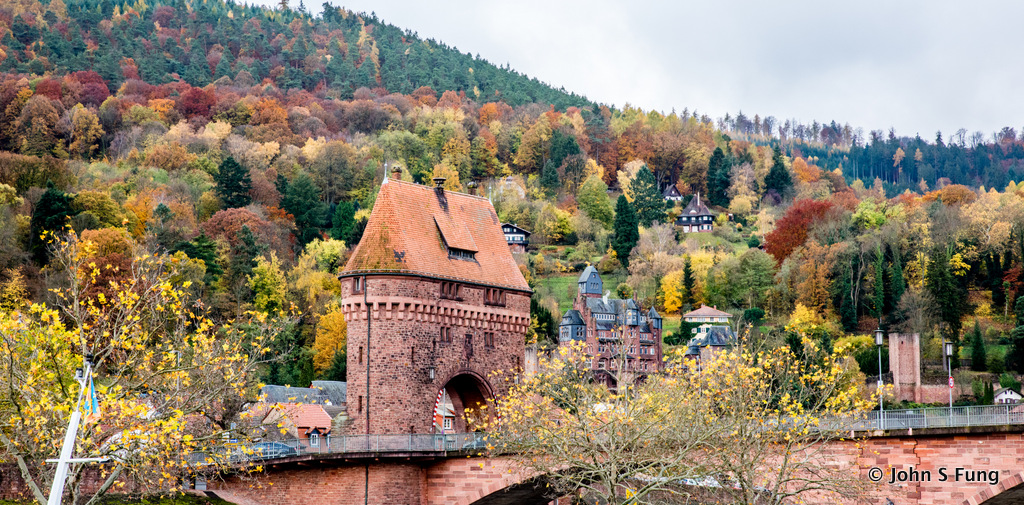
This is one of the beautiful bridge towers on Main Bridge of Miltenberg. We spent the morning learning German while passing through locks. On our schedule of the day, we were supposed to have a scenic cruising of Main River, Spessart. I’m not sure which part of the Main River they referred to, probably the section of Main before and after Miltenberg. We passed Miltenberg and moored in the town of Freeudenberg and shuttled back to Miltenberg. We arrived St. Jakobuskirche Church at about 3pm.
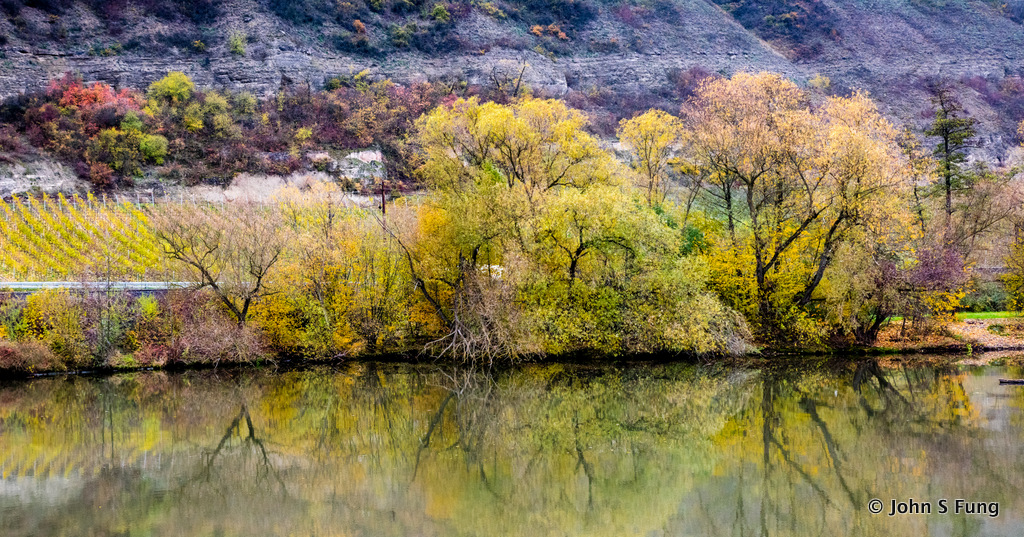
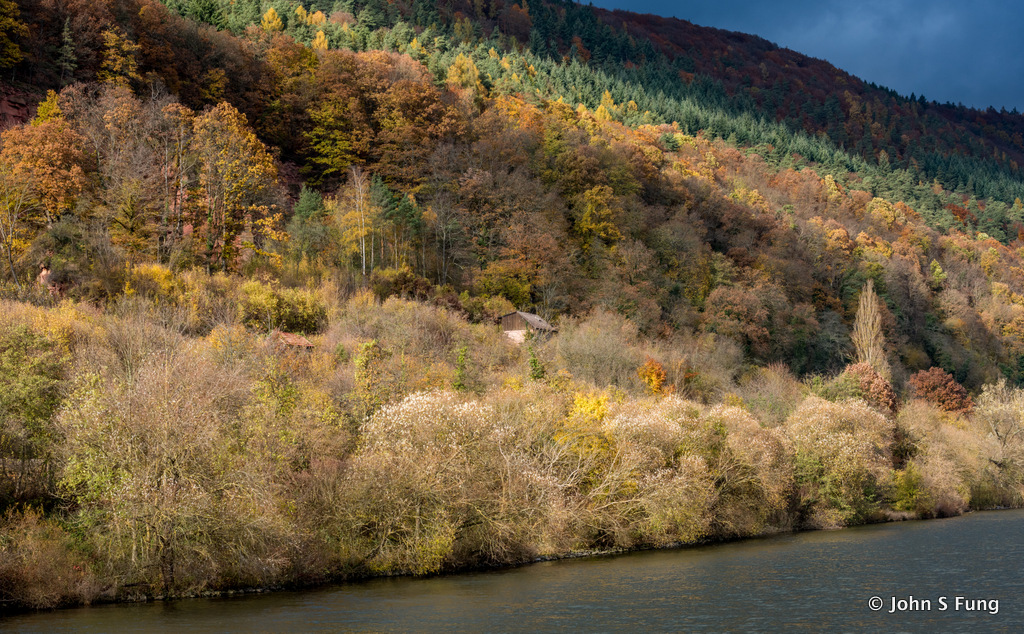
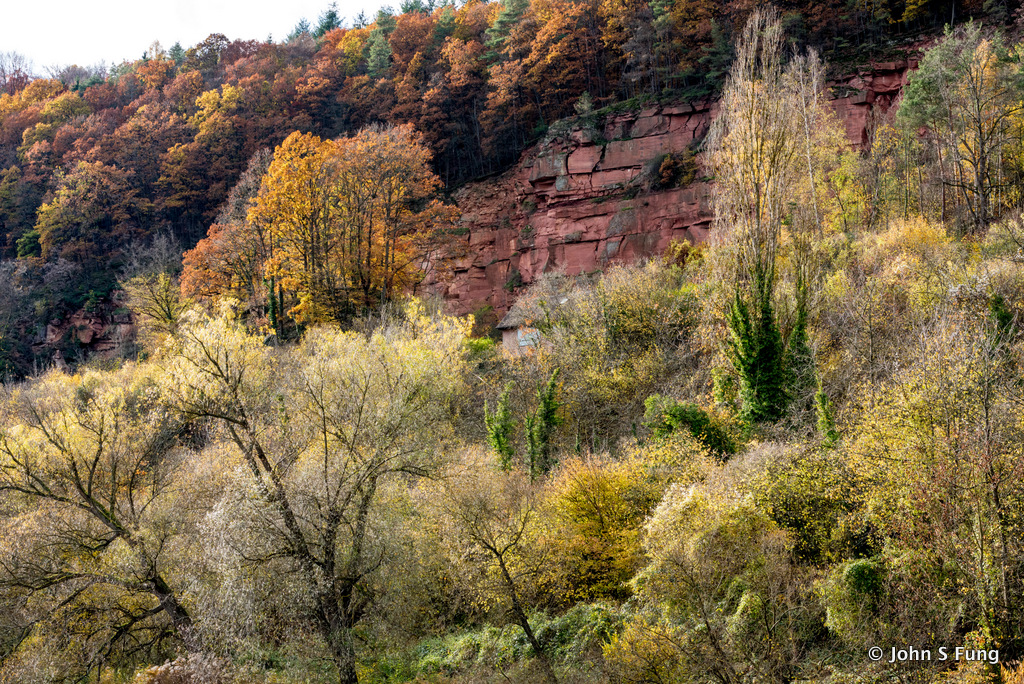
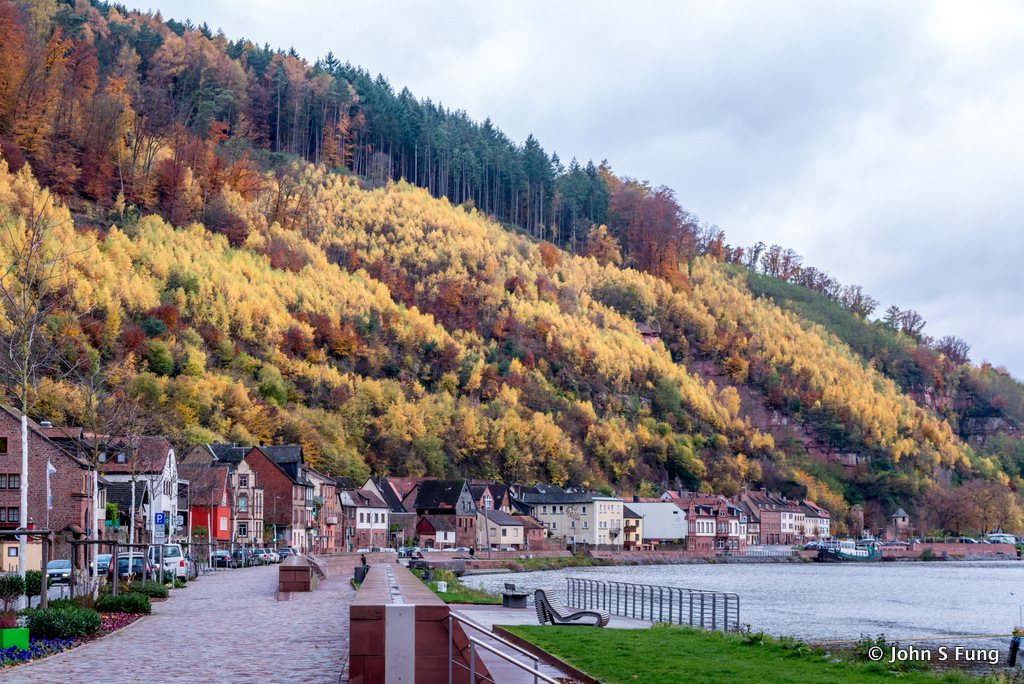
自米爾滕貝格至 Freudenberg 一段河段秋色正濃。
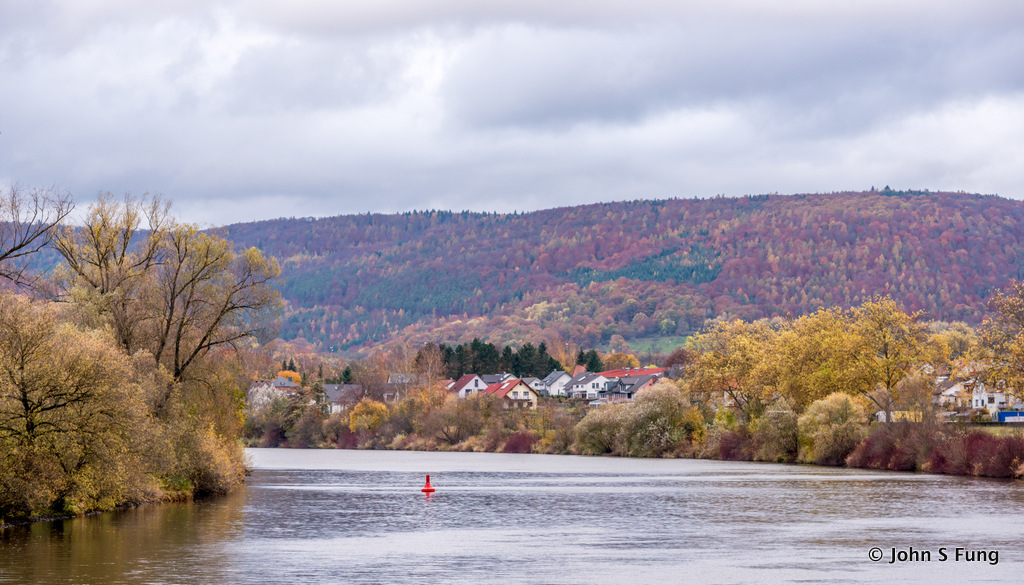
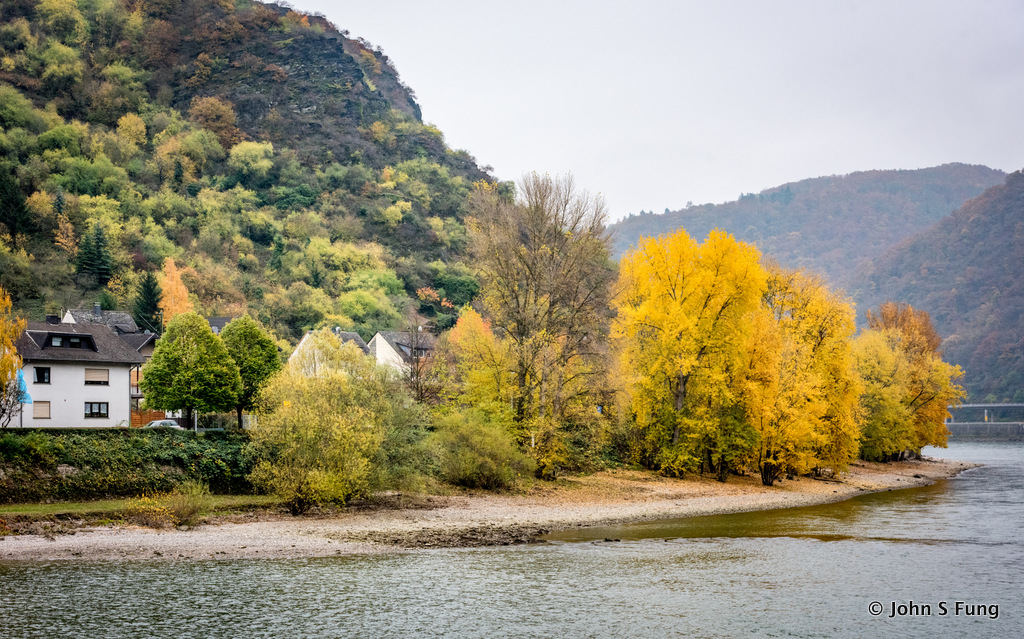
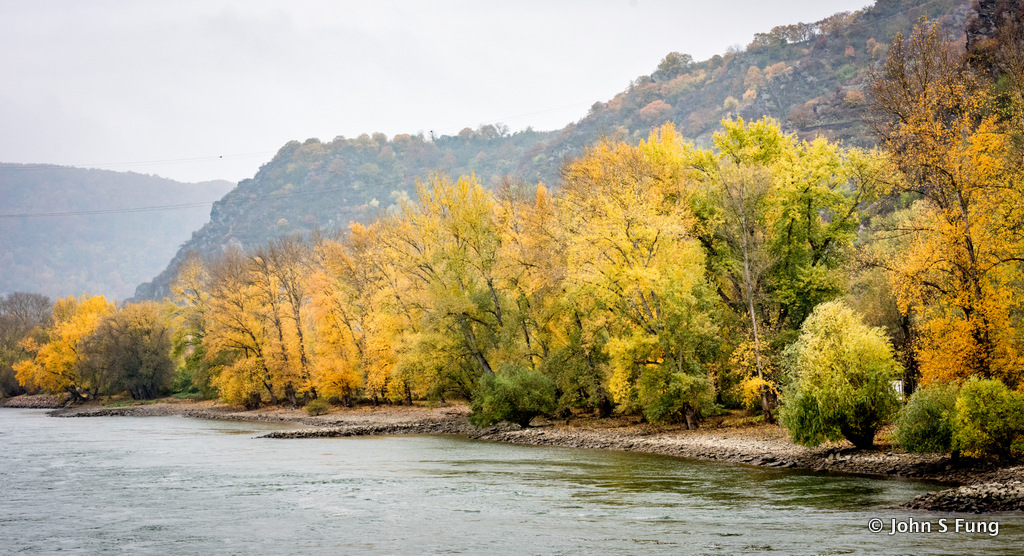
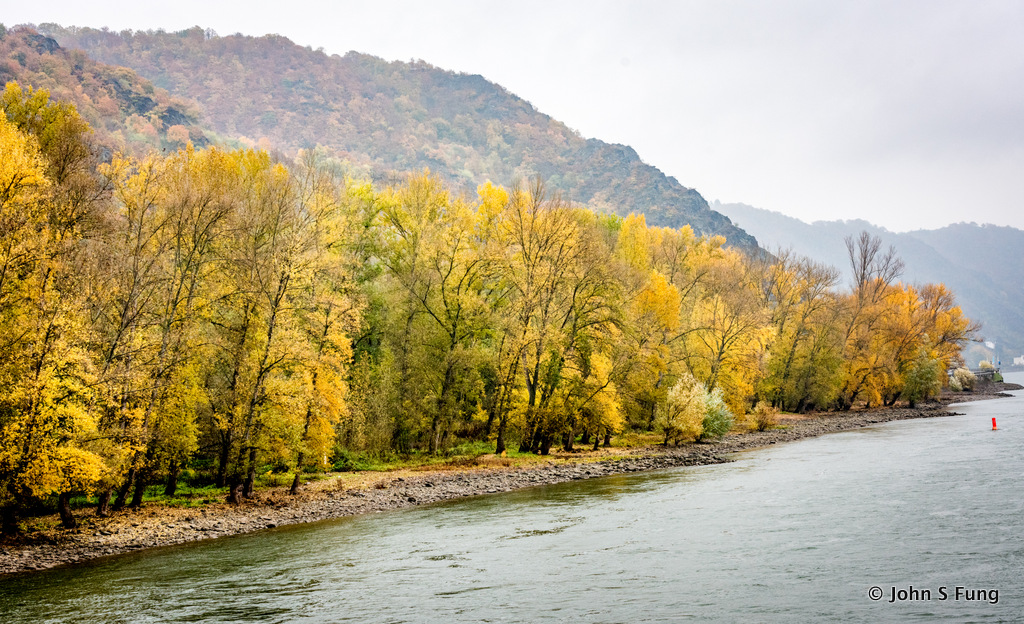
Fall colors on the way to Freudenberg.
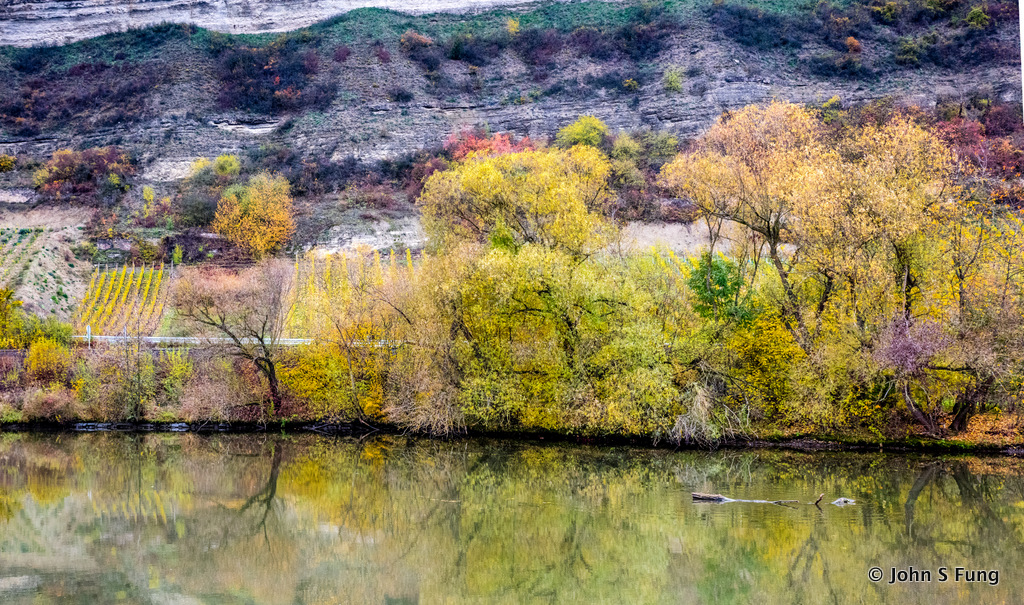
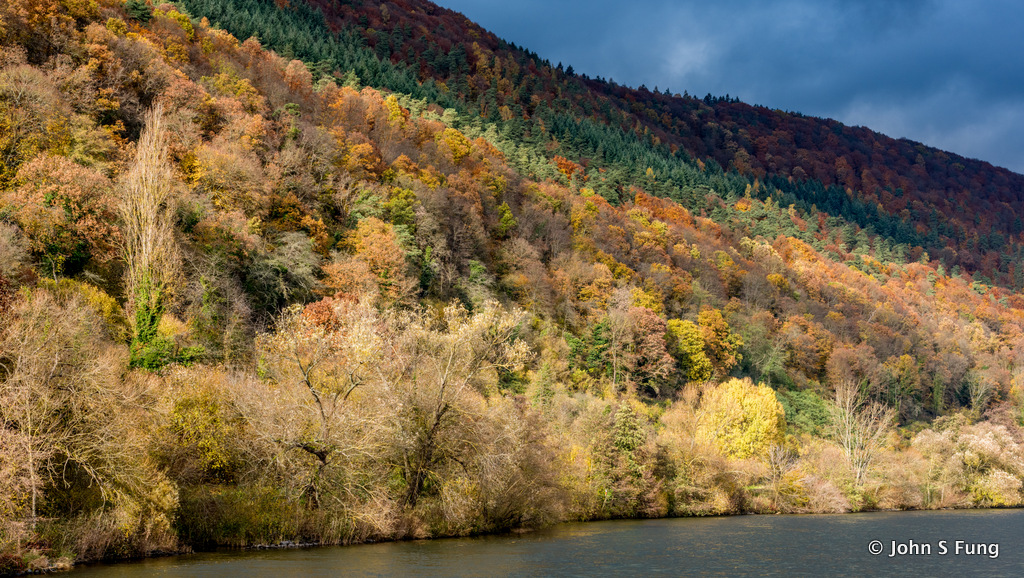
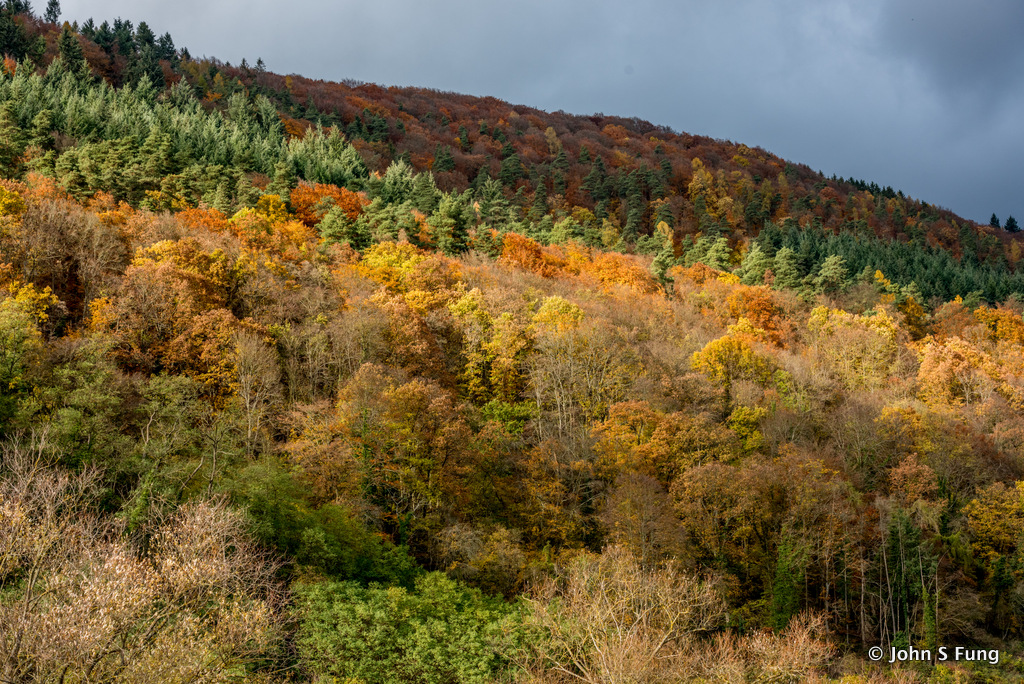
自米爾滕貝格至 Freudenberg 一段河段秋色正濃。
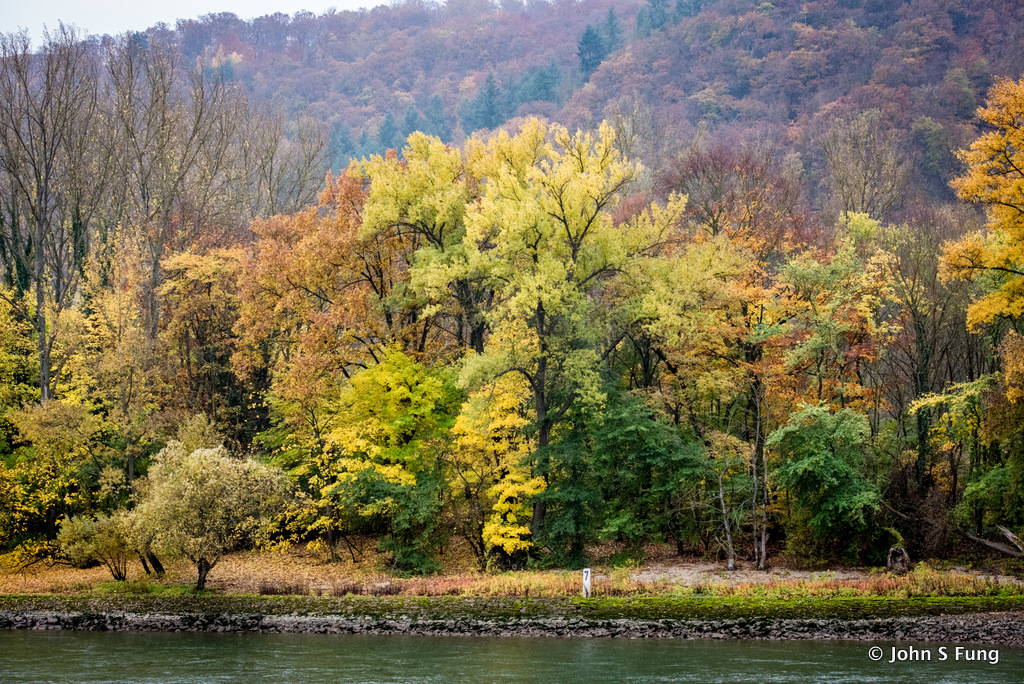
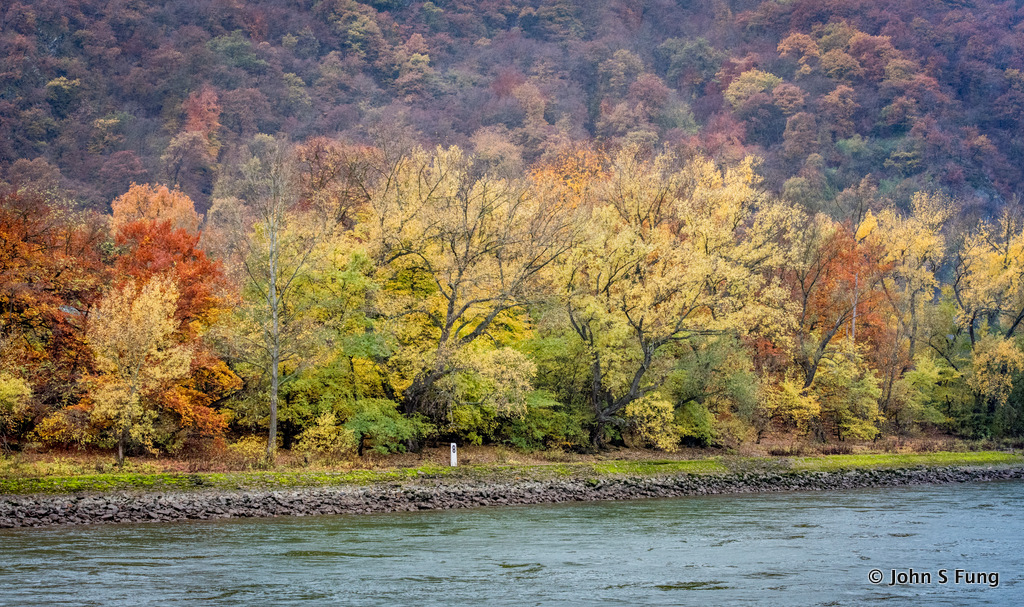
Fall colors on the way to Freeudenberg.
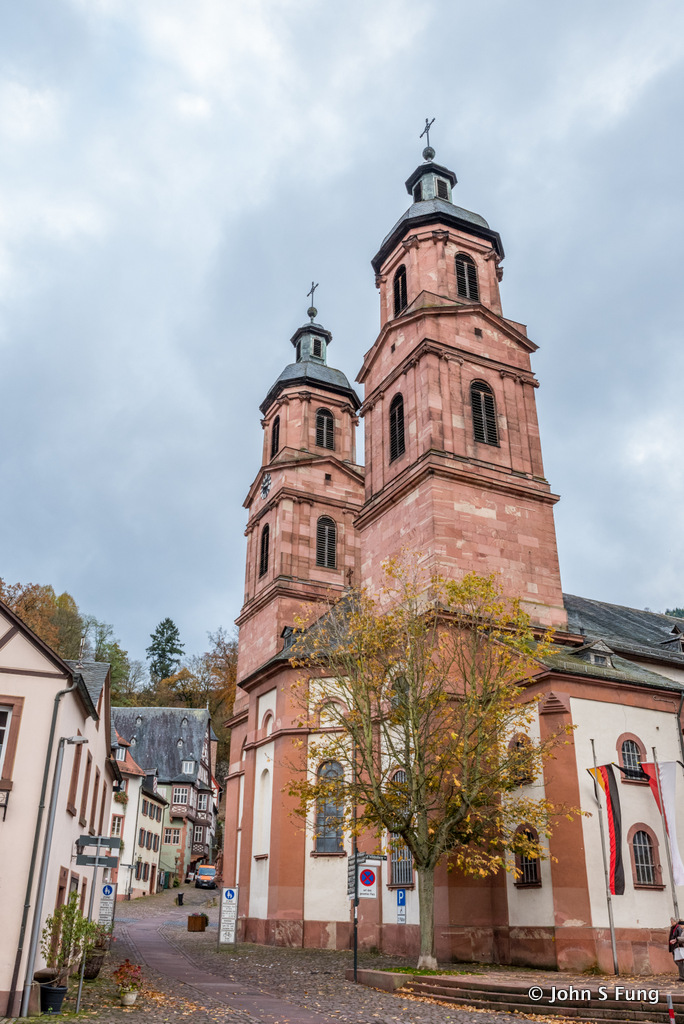
我們在聖 Jakobus 教堂旁下車,這兒距市集只有一箭之遙。
We got off the bus at St. Jakobuskirche Church, outside the Alter Marktplatz (Old Marketplace).
A historic “wayside cross” outside St. Jakobuskirche Church. A “Wayside Cross” is any cross that has been erected by the side of a road. It’s pretty common in Europe. Such a cross was set up to serve as a marker for a pilgrimage route, a mark of the parish or an indication of a sanctified area.
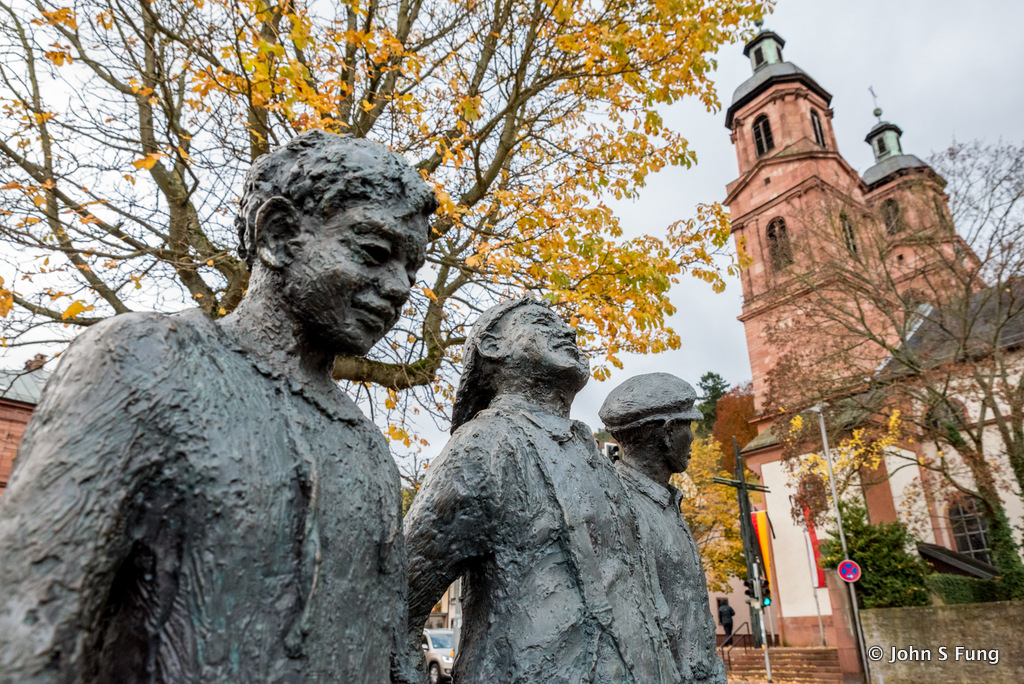
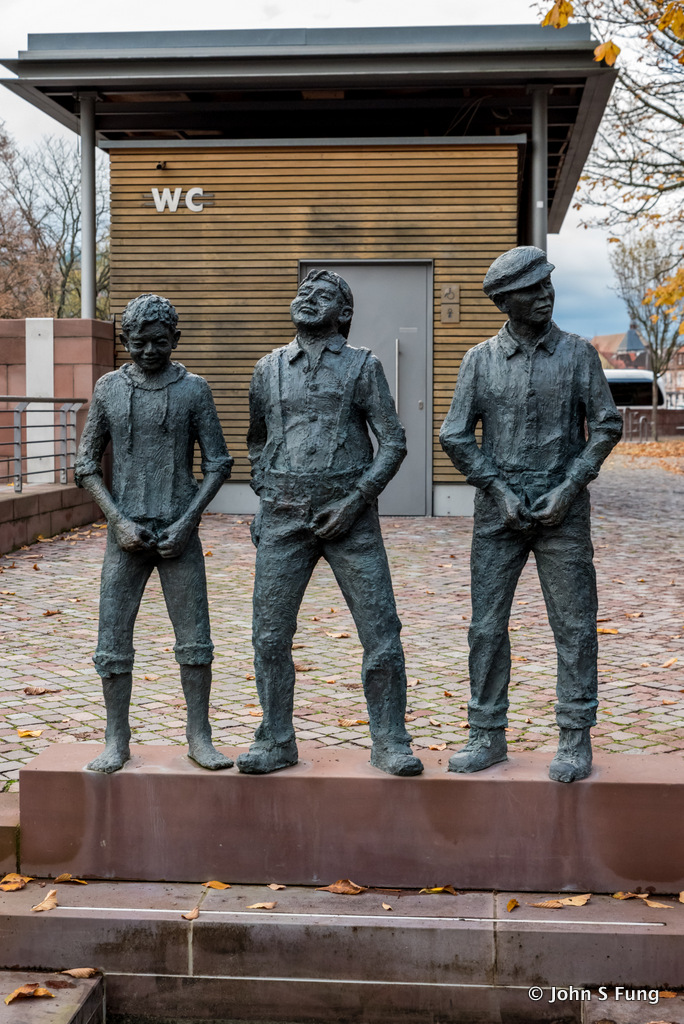
Peeing Boys Statue, Miltenberg. The water was not on, probably due to winterizing.
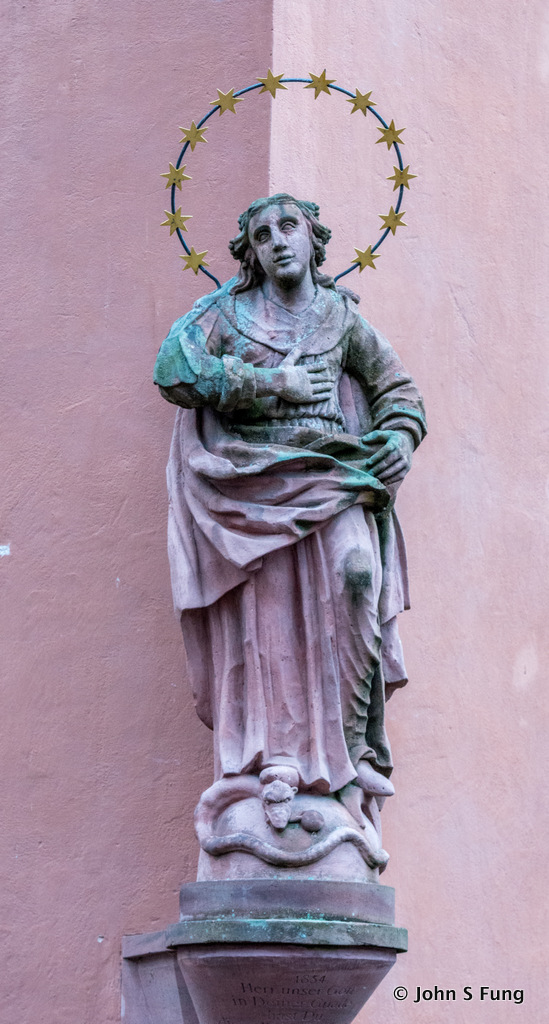
教堂外牆角的聖像。 Statue at the corner of the church.
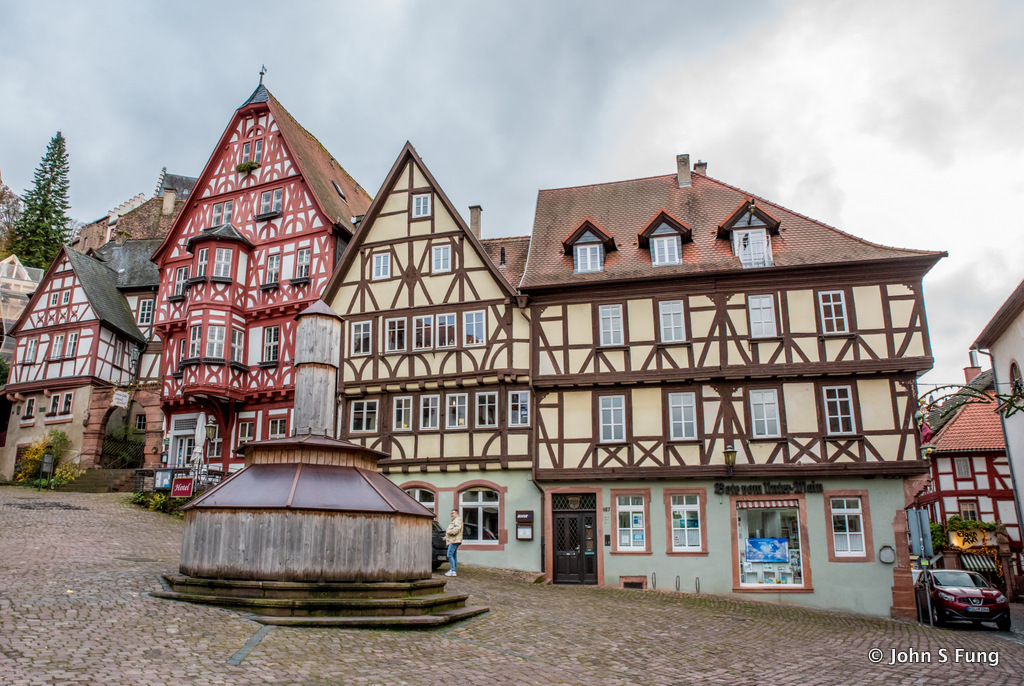
著名的歴史老城區,中央文藝復興式的噴水池已被蓋起來,準備過冬了。
“Schnatterloch” – Historical Marketplace. They have already winterized (covered) the fountain.
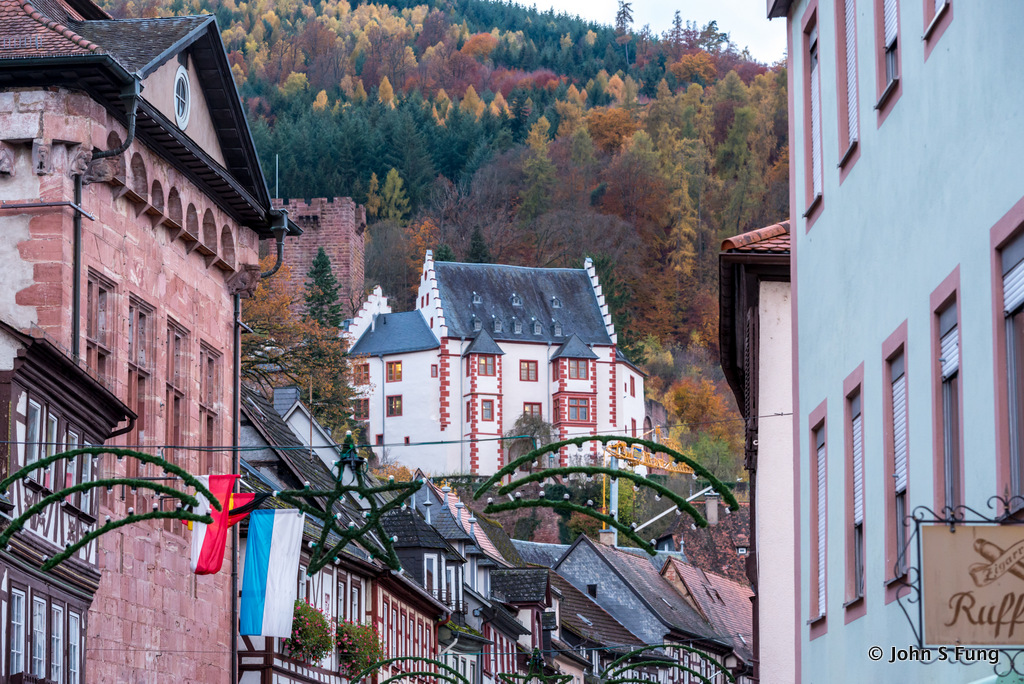
老街上方是米登堡,米爾貝騰格的堡壘。 Castle Midenburg, above the market place.
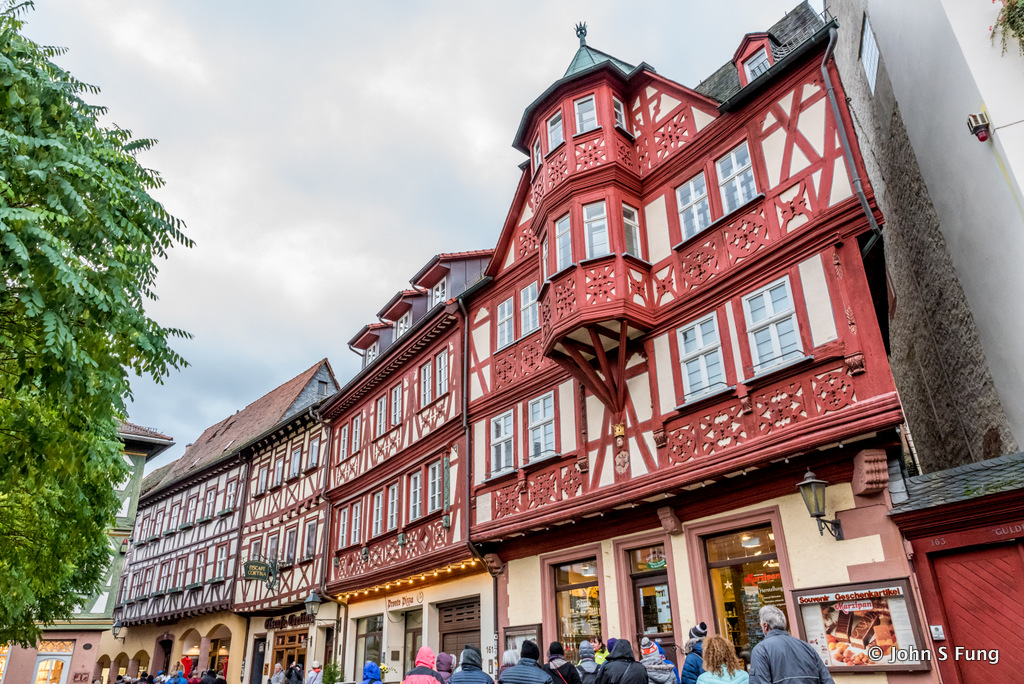
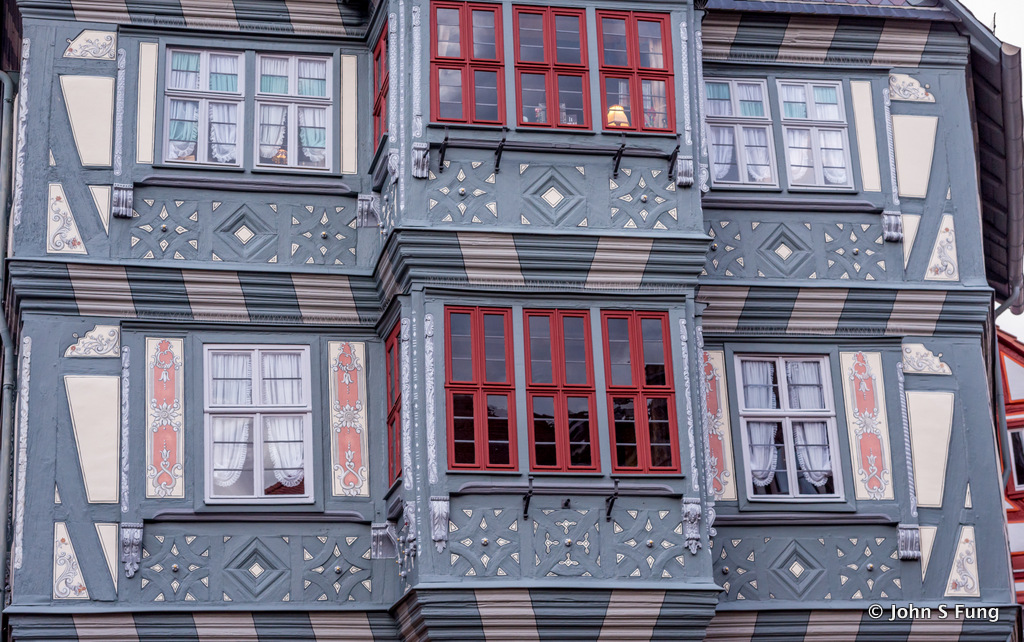
米爾騰貝格 以 Half-timbered house 聞名,鎮上有上百所這些老屋。這種老房子為何叫 half-timber? 有多種說法,最直接解釋就是建屋時為節省建材,將一條圓木剖成兩半,濶、平的一面向外,半圓的一面向內,樑檁之間以填充建材封之,並上灰著色,而平木面露於外,僅上色。此種架構就稱為半木之屋。
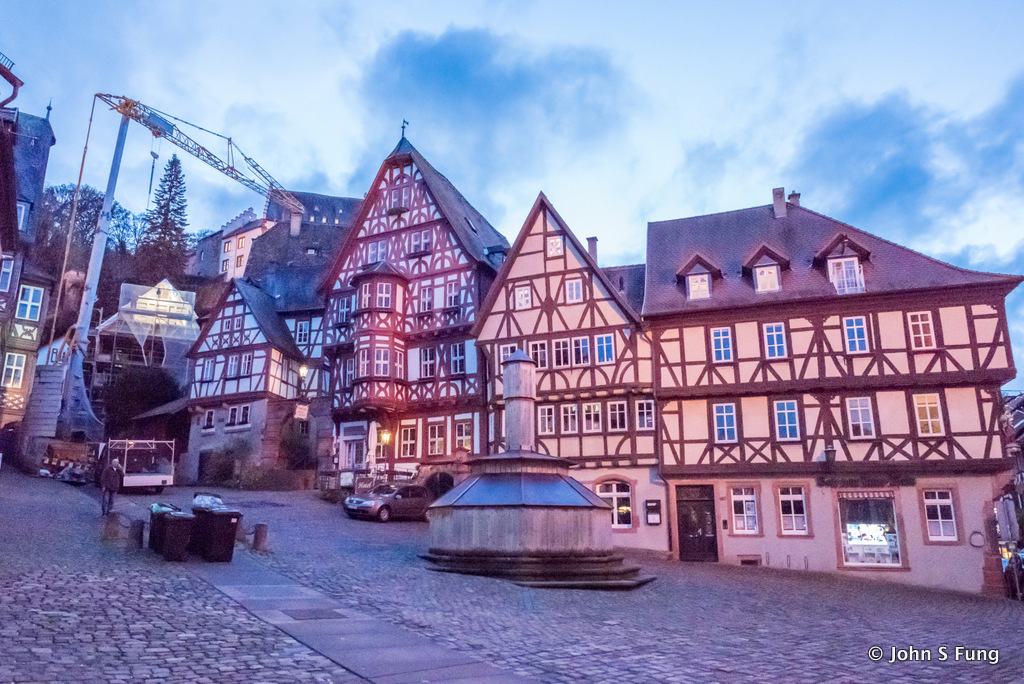
Miltenberg are well known for Half-timbered houses. There are more than a hundred of them listed. Half-timbered houses are houses built with half-timbering technique. Wikipedia – Half-timbering refers to a structure with a frame of load-bearing timber, creating spaces between the timbers called panels (in German Gefach or Fächer), which are then filled-in with some kind of nonstructural material known as infill. The frame is often left exposed on the exterior of the building.
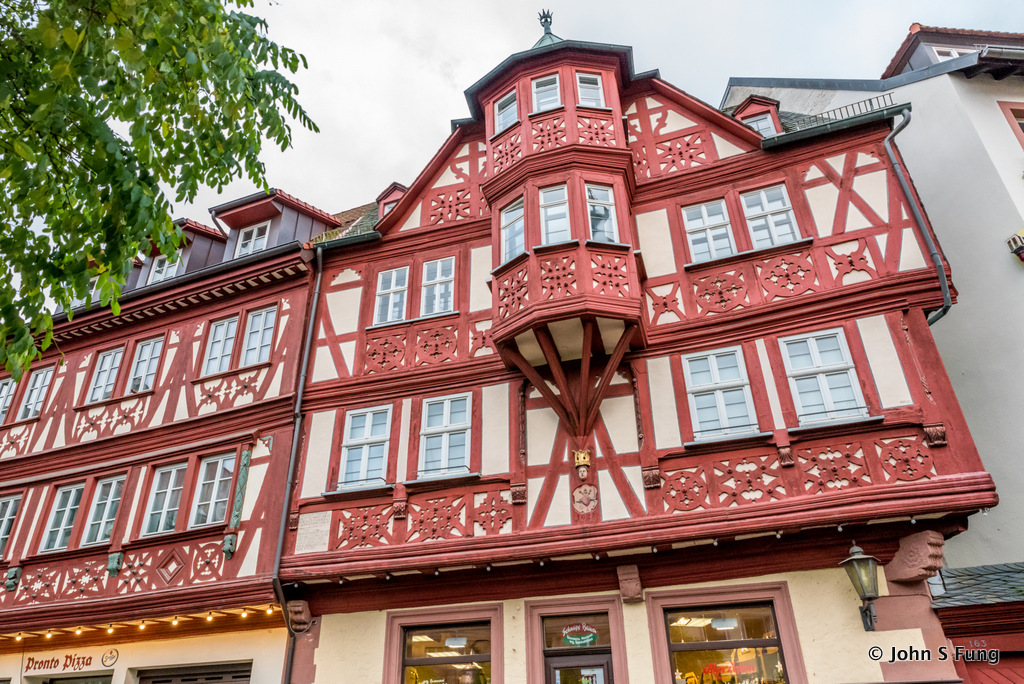
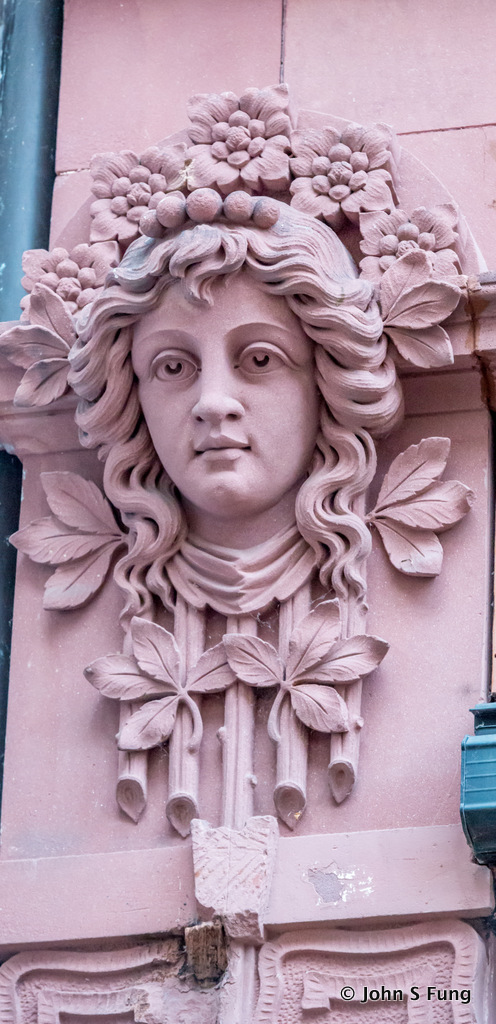
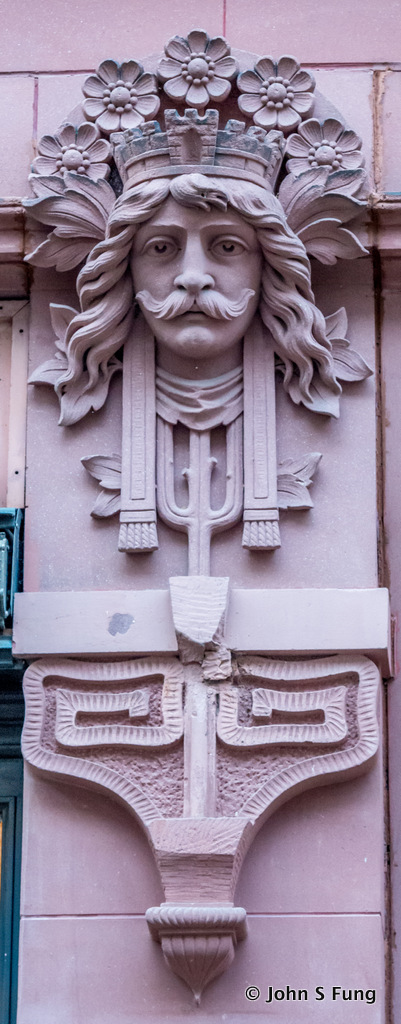
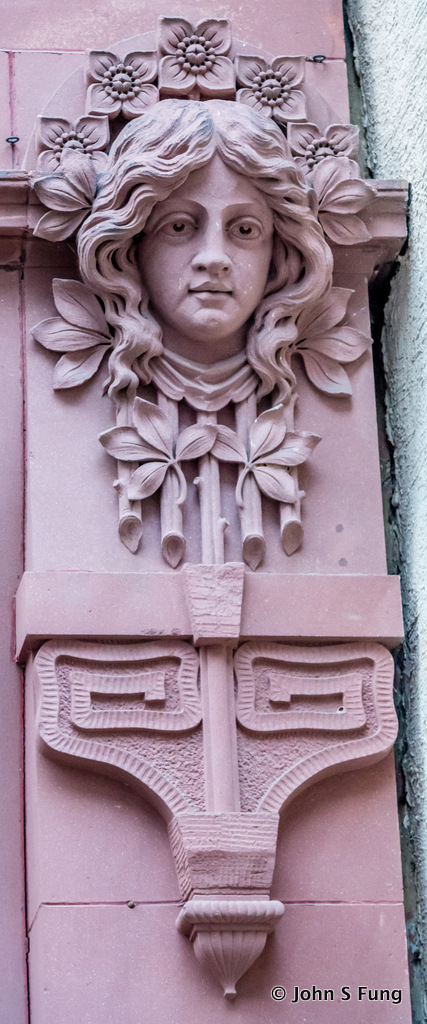
I believe this is the red sandstone Rokokohaus (1750) near the Marketplace. It is said a rare sample of Rococo in this town. I was not paying too much attention to the house except the three relief carvings on the pillars. The three faces were of the family who once owned this house. In the middle was the husband, with his two wives on the sides. What’s interesting is the resemblance. For they were cousins, to be precise, it was a polygyny, cousin marriage which was not uncommon in those days.
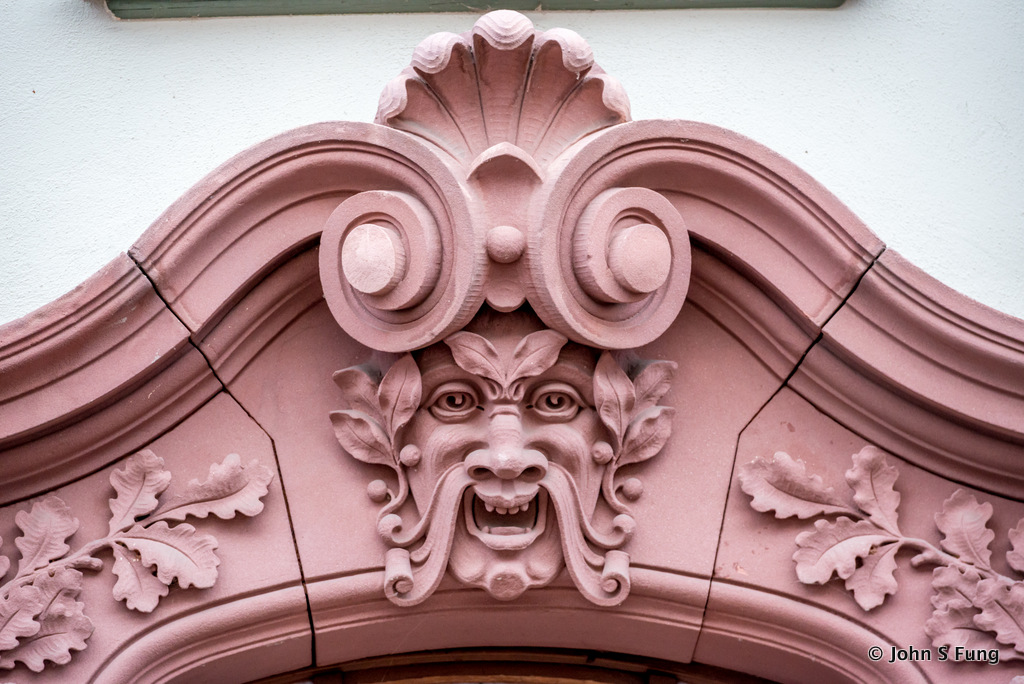
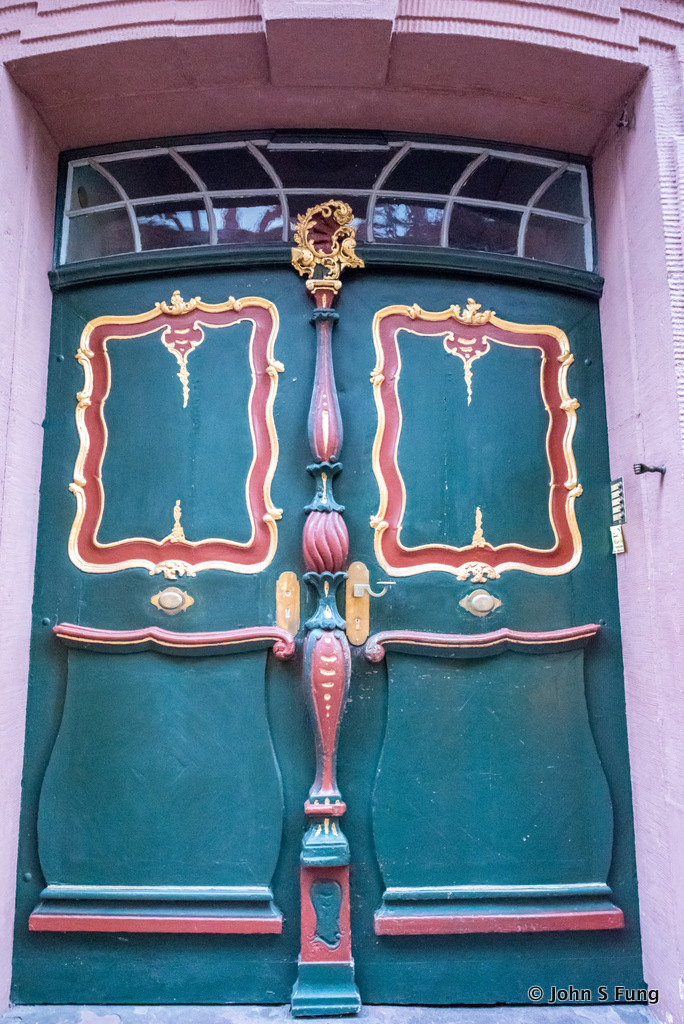
Rococo (?) decorations and door.
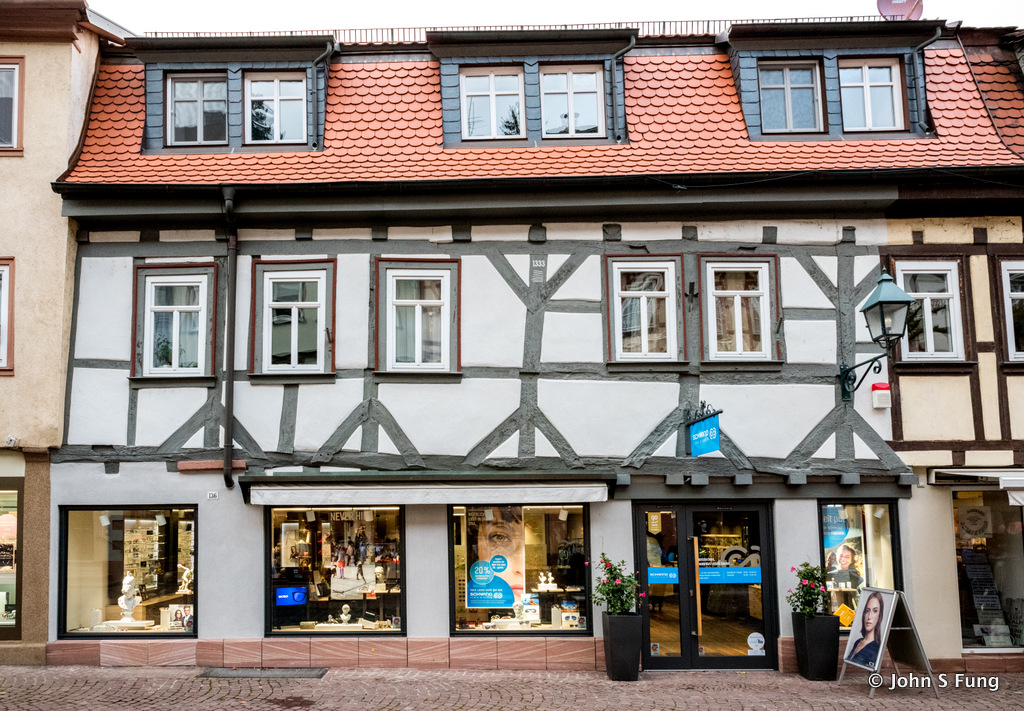
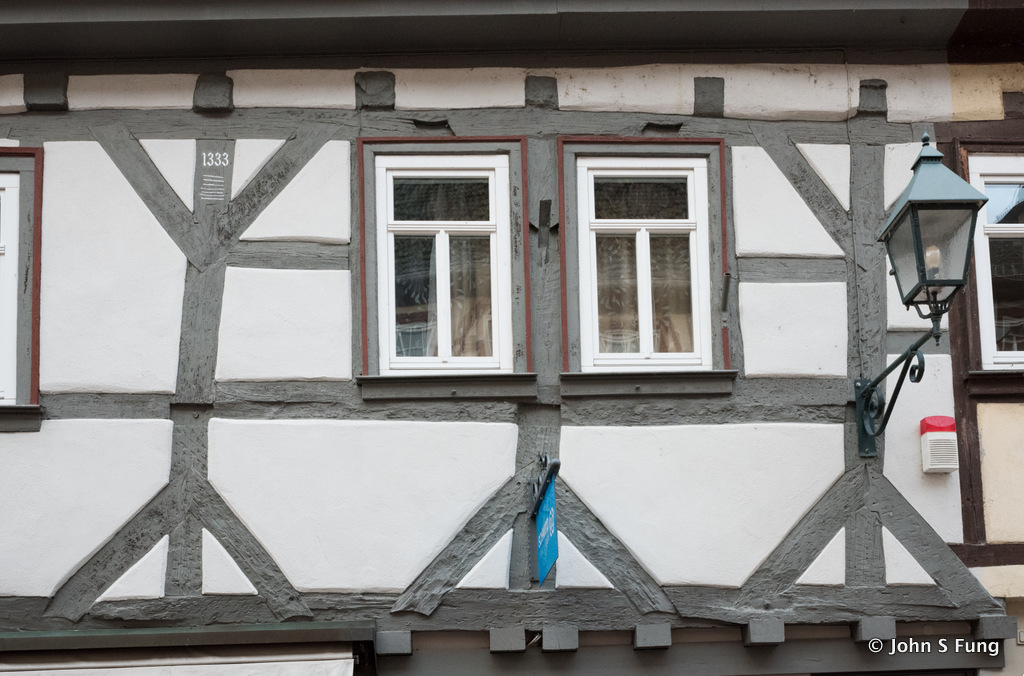
如果沒記錯的話,這房子應該是米爾滕貝格最老的房子,下圖所見牆外的半木上寫有1333的字樣。
If my memory serves me well, this is the oldest house in town, as written on the timber outside, it was built in 1333.
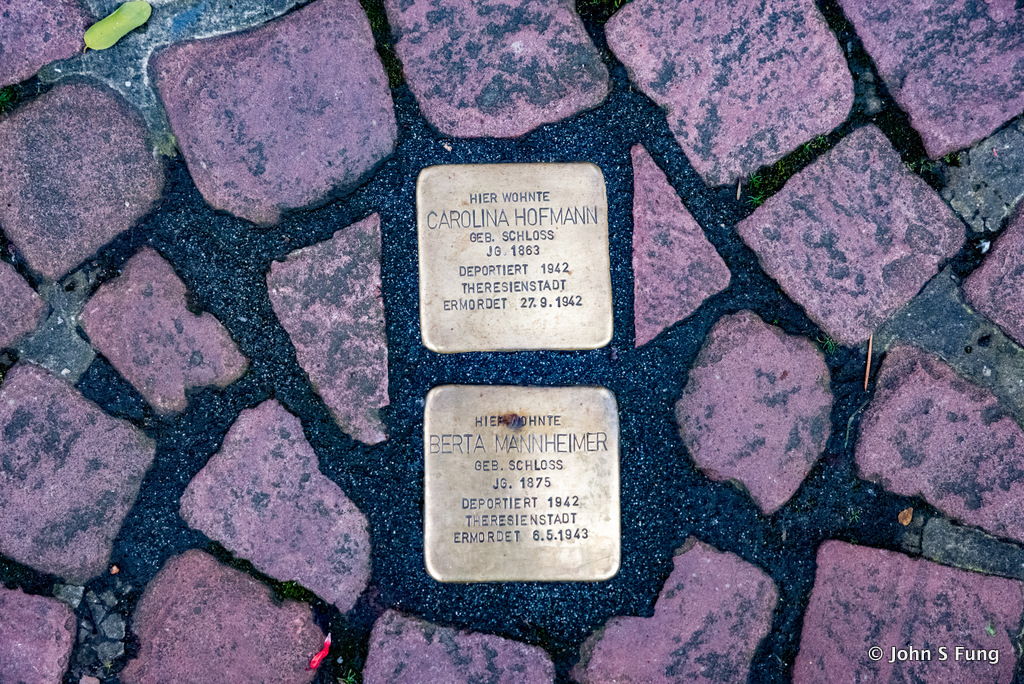
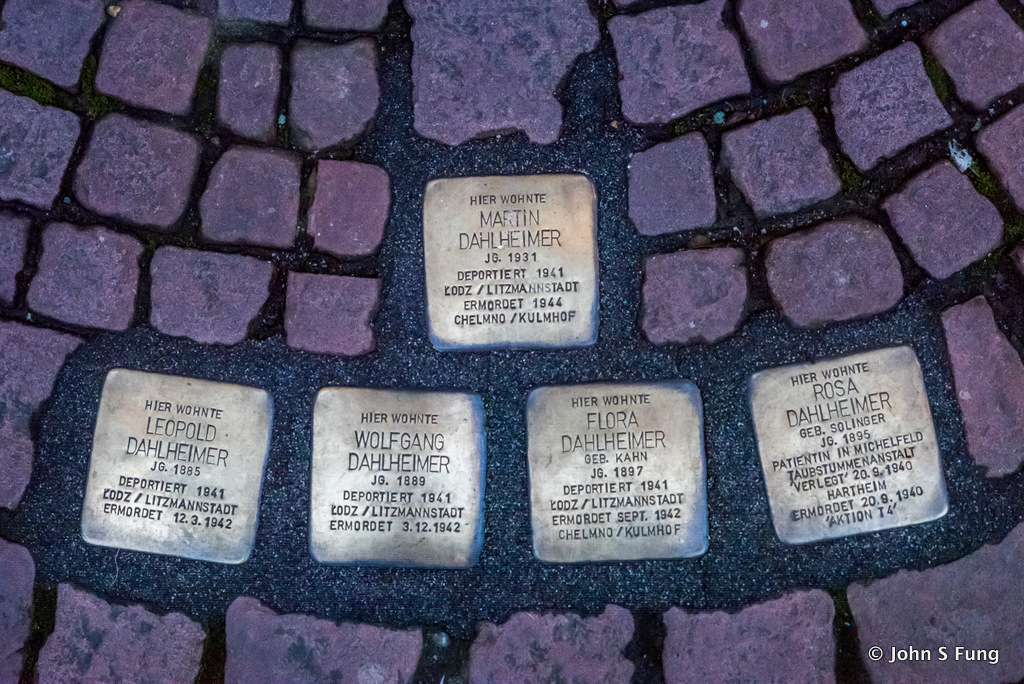
Stolpersteine, literally “stumbling stone” or “stumbling block”, is a 10 by 10 centimetres (3.9 in × 3.9 in) concrete cube bearing a brass plate inscribed with the name and life dates of victims of Nazi extermination or persecution (Wikipedia).
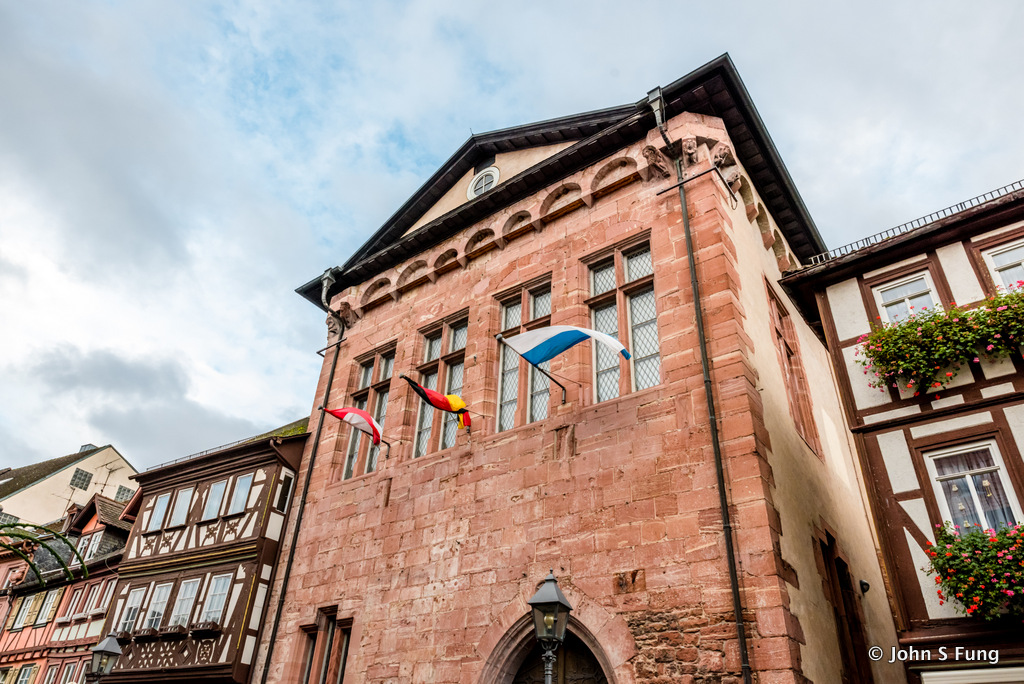
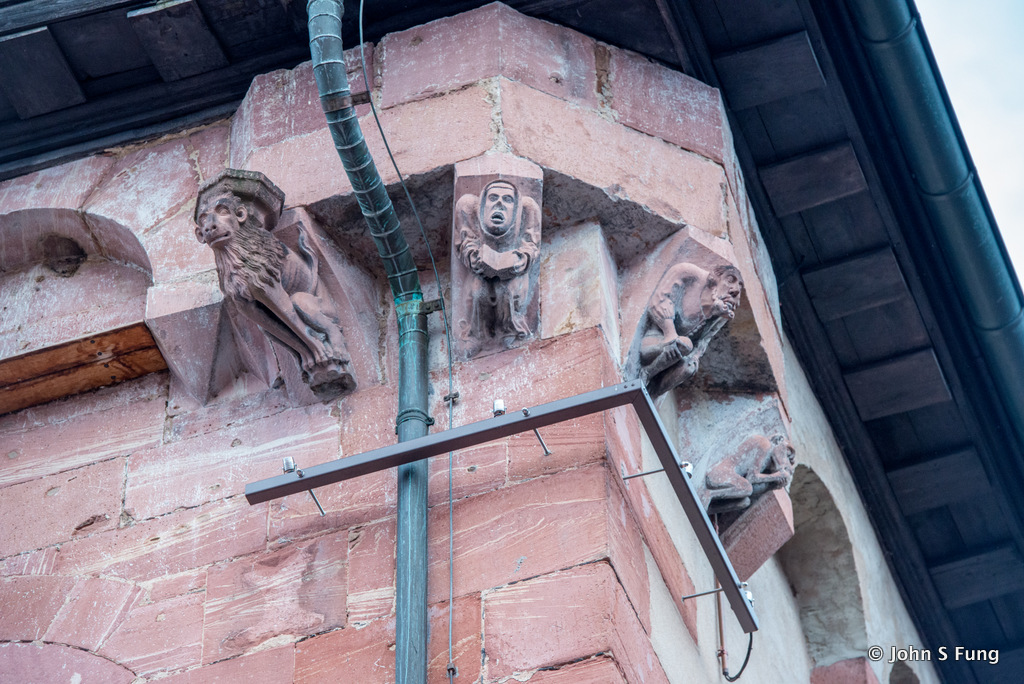
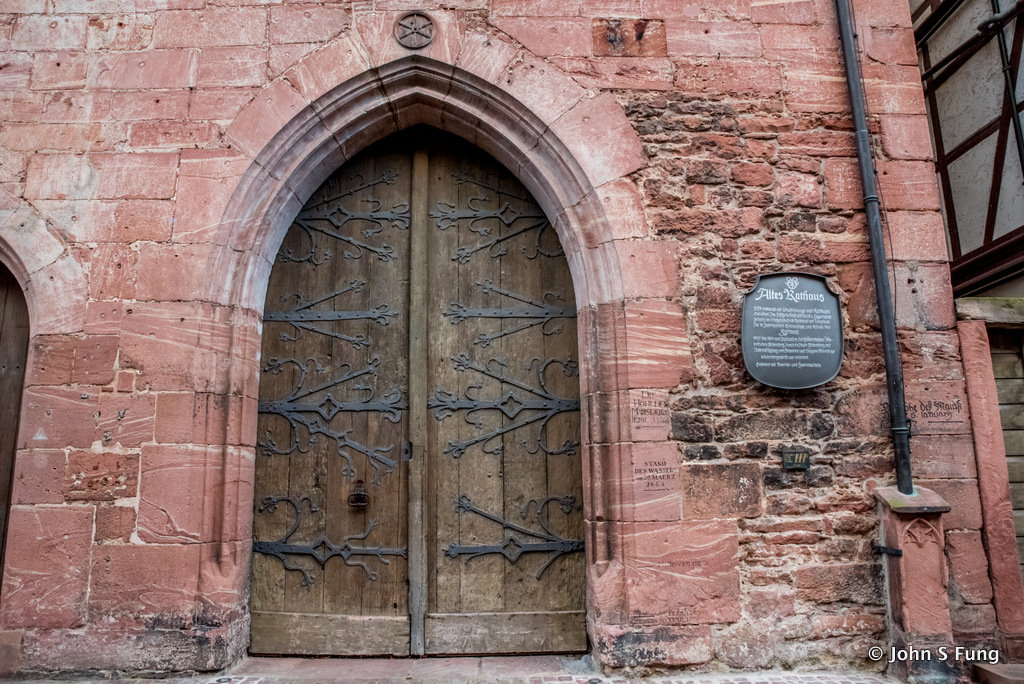
Altes Rathaus, the Old Townhouse, dates back to 1379. In those days, it also served as a warehouse and store for merchants doing business along the Main River.
Flood marks on the door frame of the old town hall.
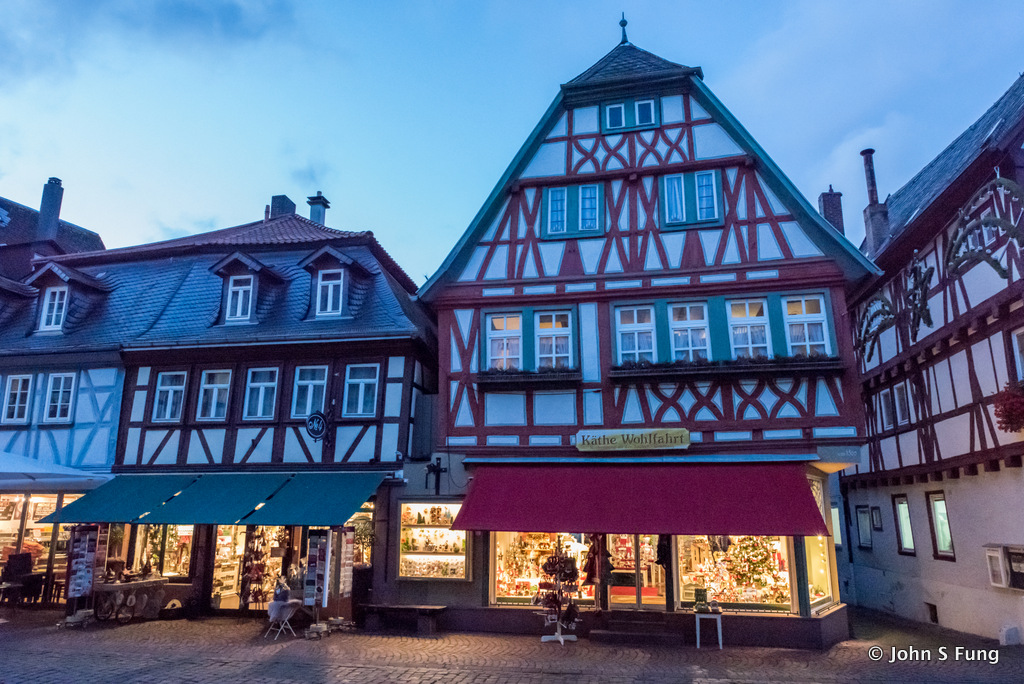
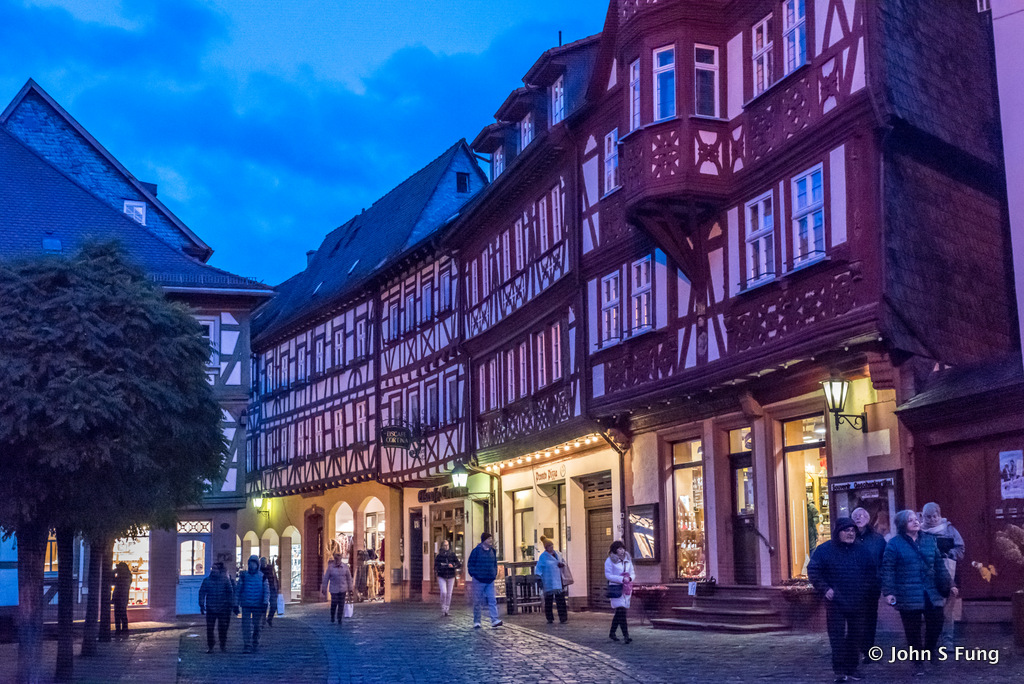
Beautiful half-timbered house,
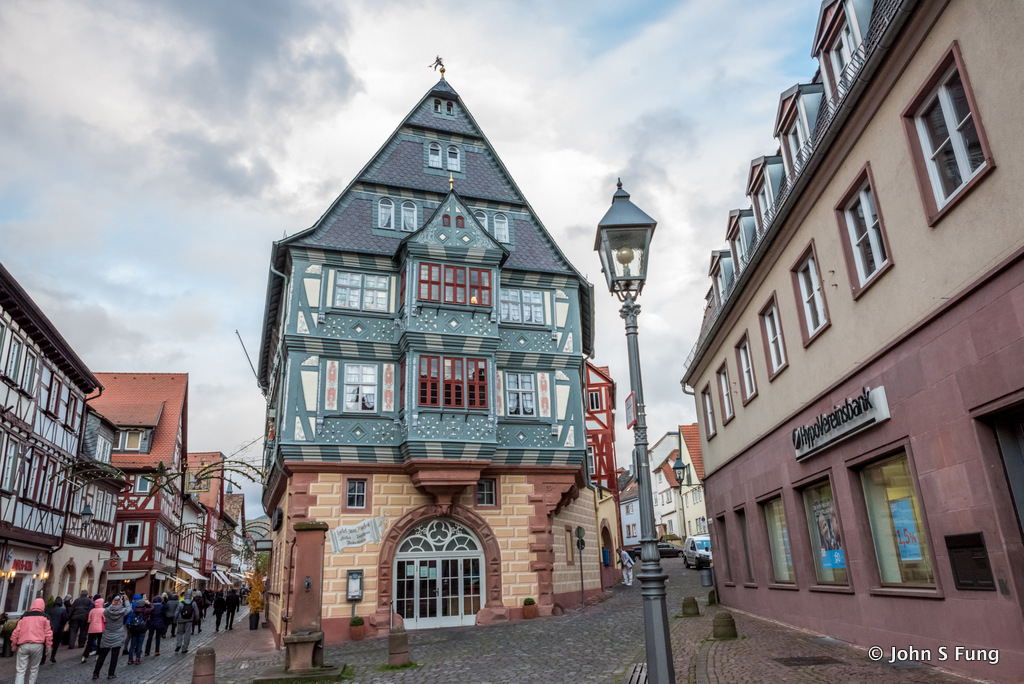
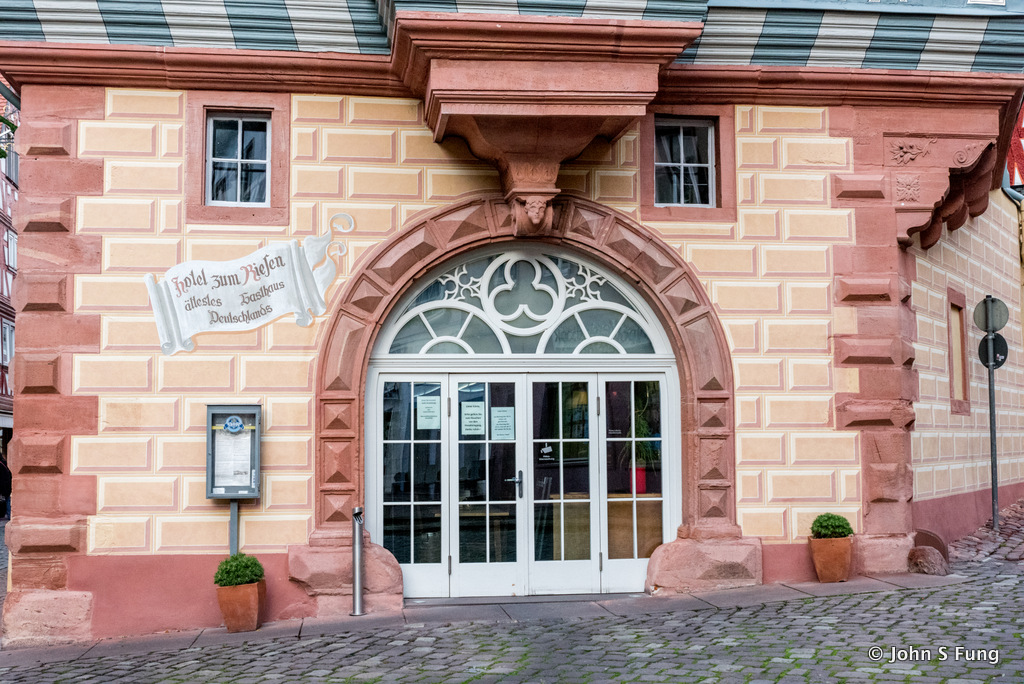
鎮上 Zum Riesen 是世上最老而仍在營運的旅店之一。600年來,接待過很多歷史人物,包括拿破侖,羅馬皇Frederick 一世…. 和美國歌王皮禮士利。
Zum Riesen – This is one of the oldest hotels, if not the oldest, in the world. It is said that the roster includes Napoleon, Holy Roman Emperors Frederick I and … Elvis Presley.
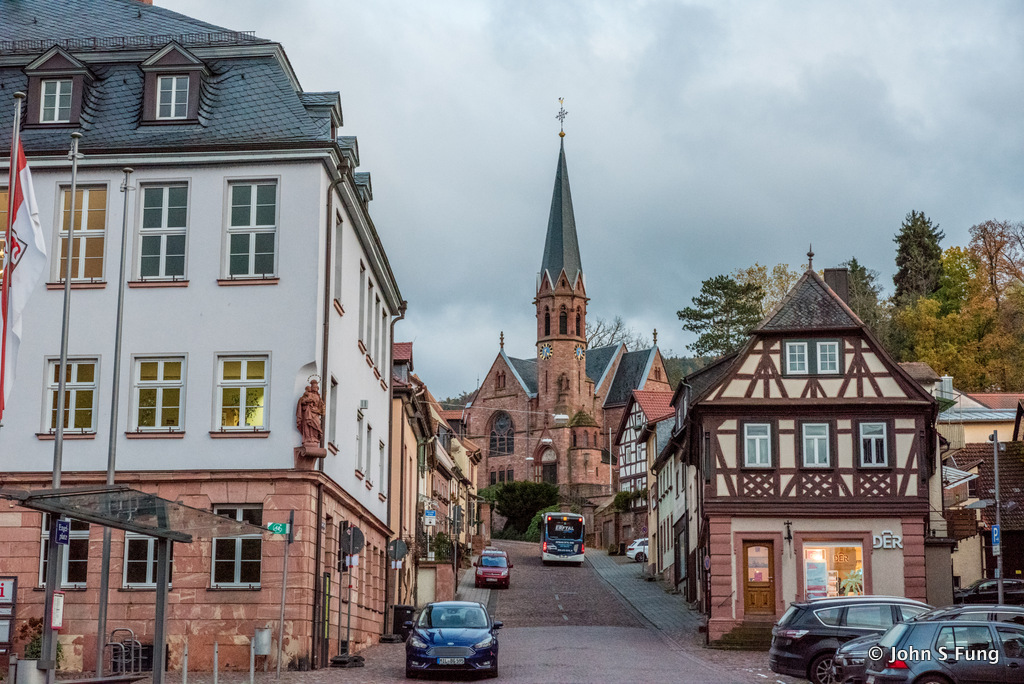
聖 Johannes 教堂,左邊大樓是現在的市政廳。
Johanneskirche Church, the building on the left is the City Hall.
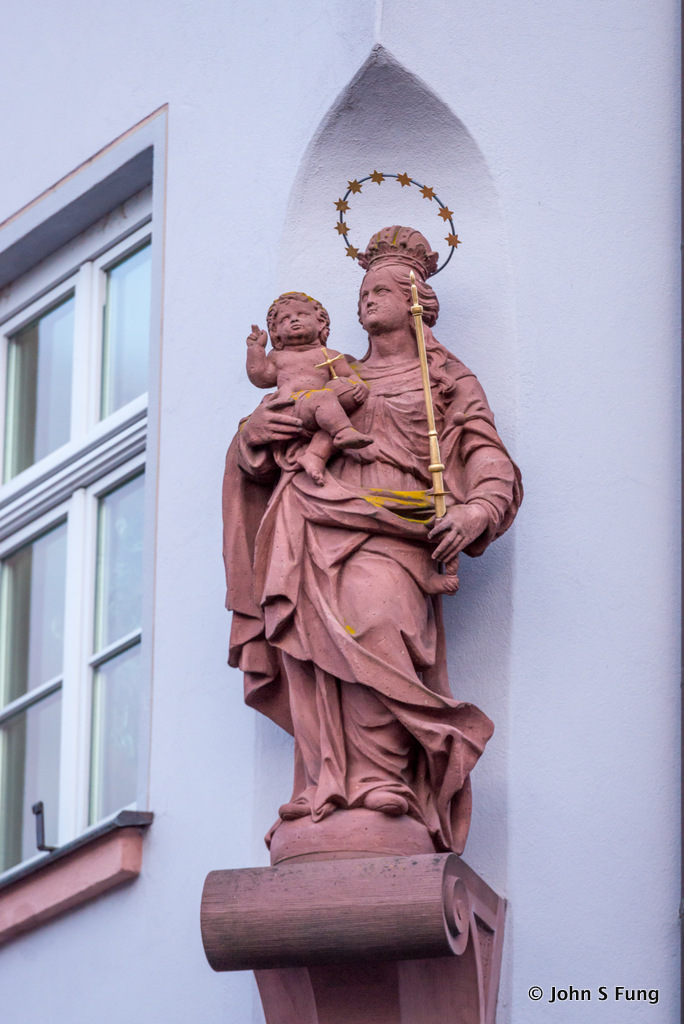
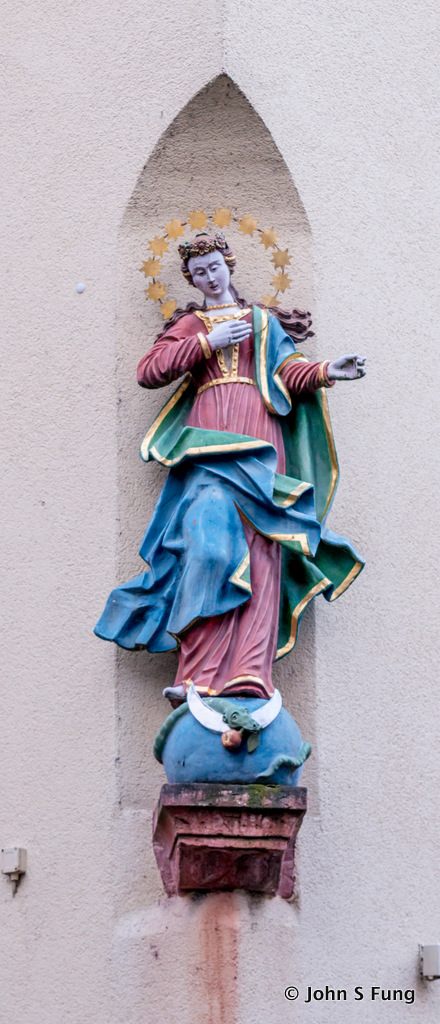
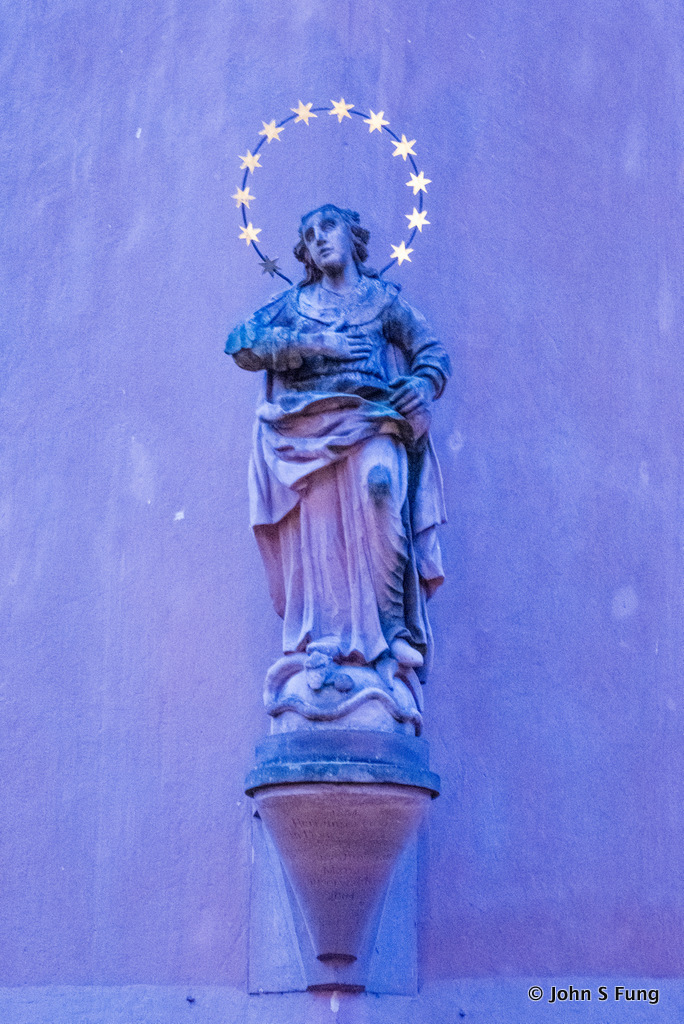
市政廳牆角上的聖母像。
The statue of Virgin Mary at the corner of City Hall.
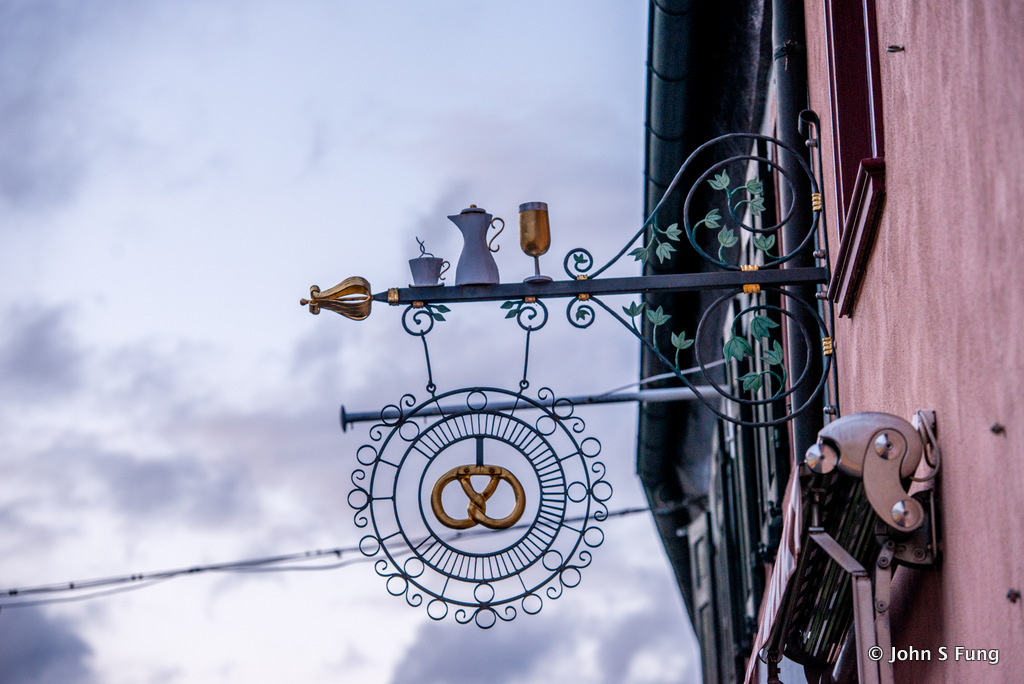
街上餅店/咖啡店的招牌。
The sign of a pastry and coffee shop.
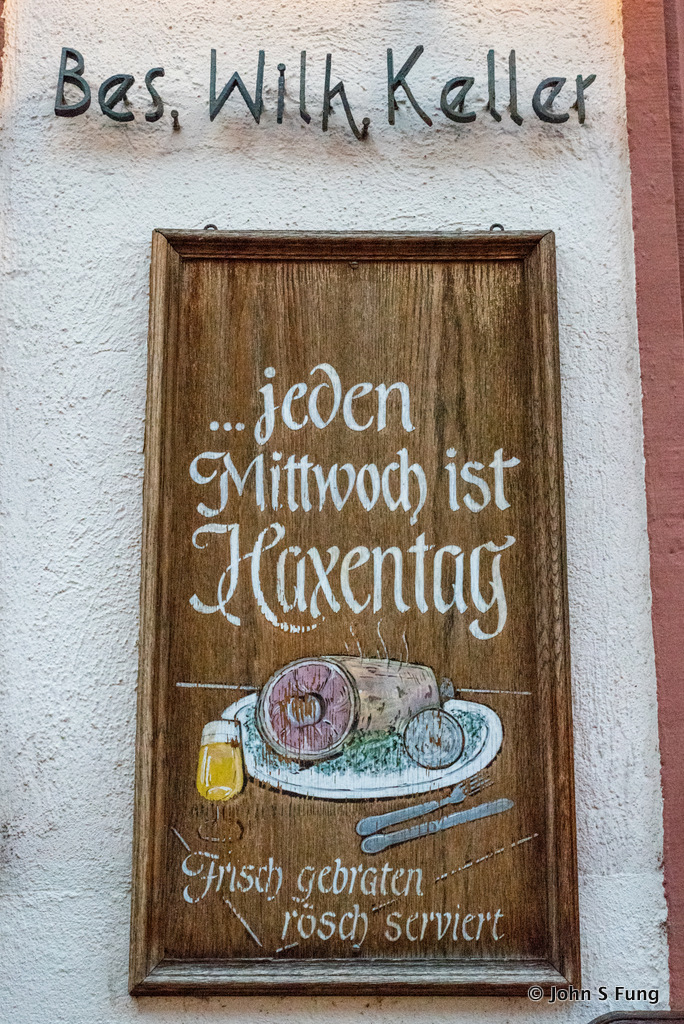
Bes Wilh Keller 餐㕔的牌子 – 「逢星期三肘子日,新鮮酥炸紅燒肘子奉客」
Sign of a restaurant – “…jeden Mittwoch ist Haxentag Frisch gebraten rosch serviert ” = ” …every Wednesday is knuckle day, served freshly fried in rosé color”
走到這裡,天色已黑,是時間往回走了。
It’s getting dark, we walked back to the bus pick up point near St. Jakobus Pfarrkirche Church.
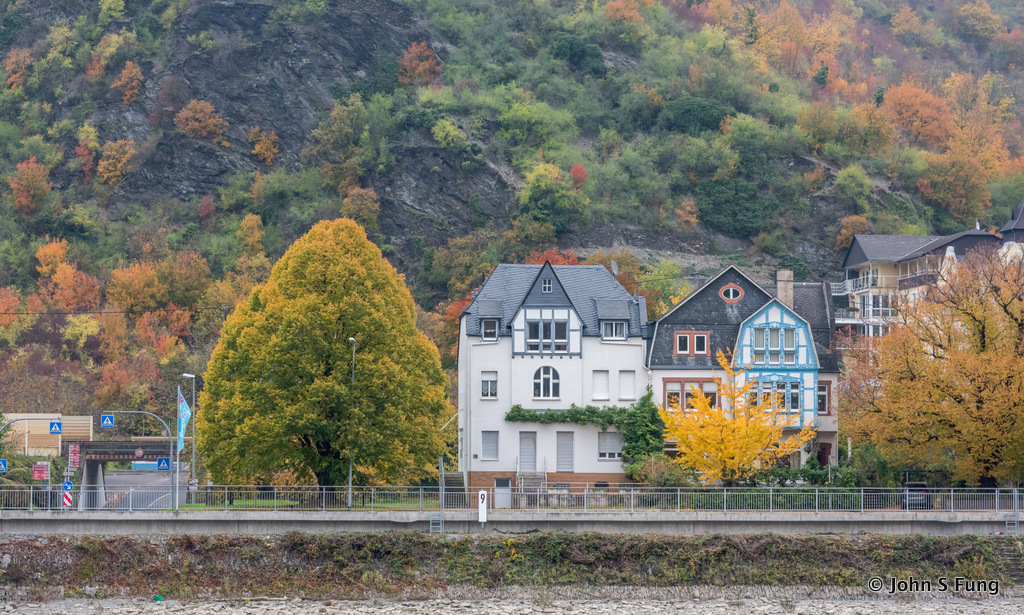
We were bused to Braubach to board our ship after the Marksburg Castle tour. The scheduled program that afternoon was “Scenic Cruising of the Upper Middle Rhine”, popularly known as the Romantic Rhine.
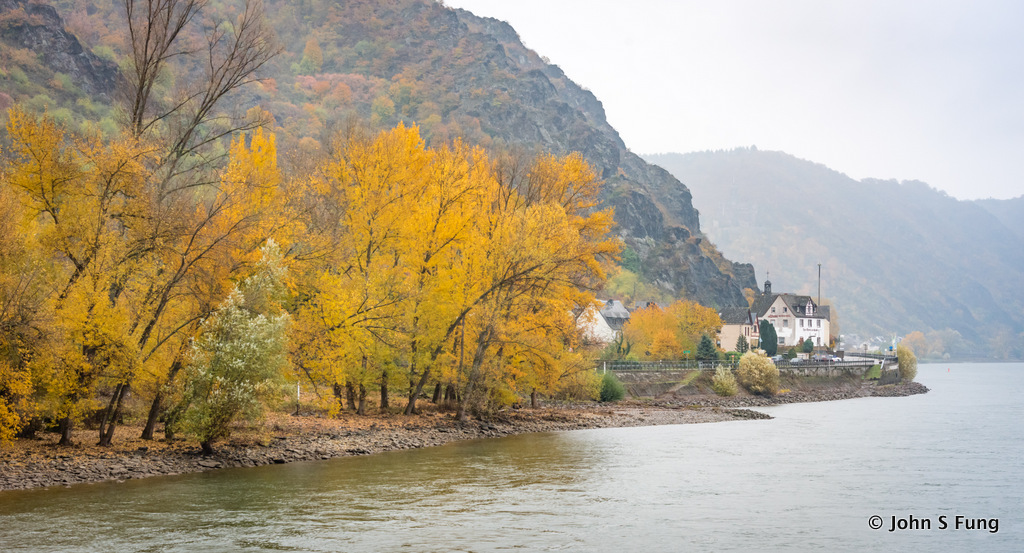
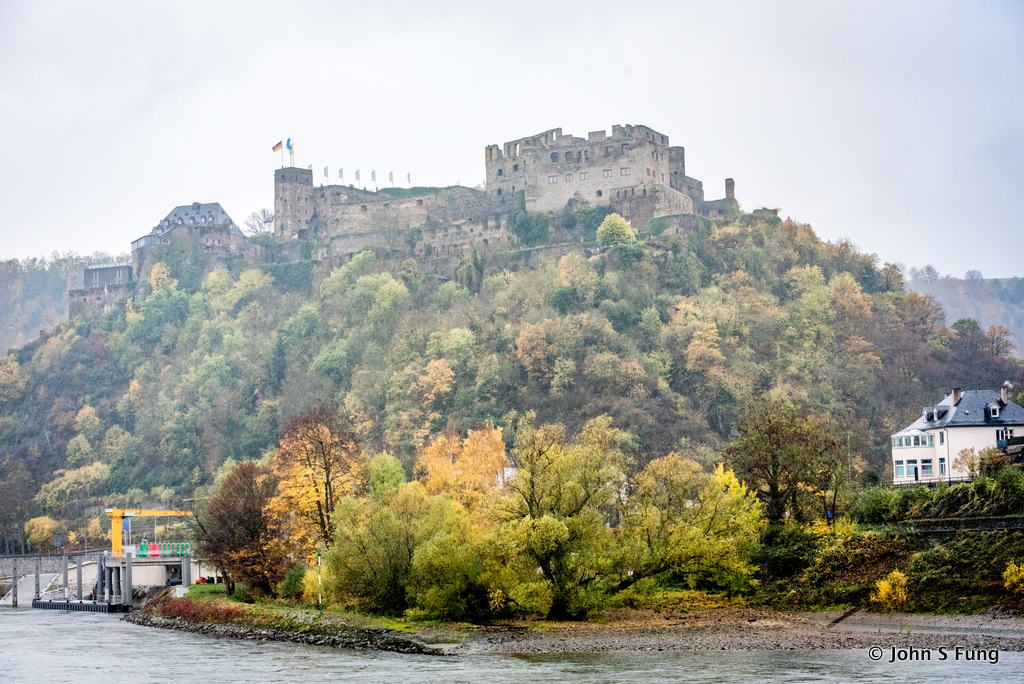
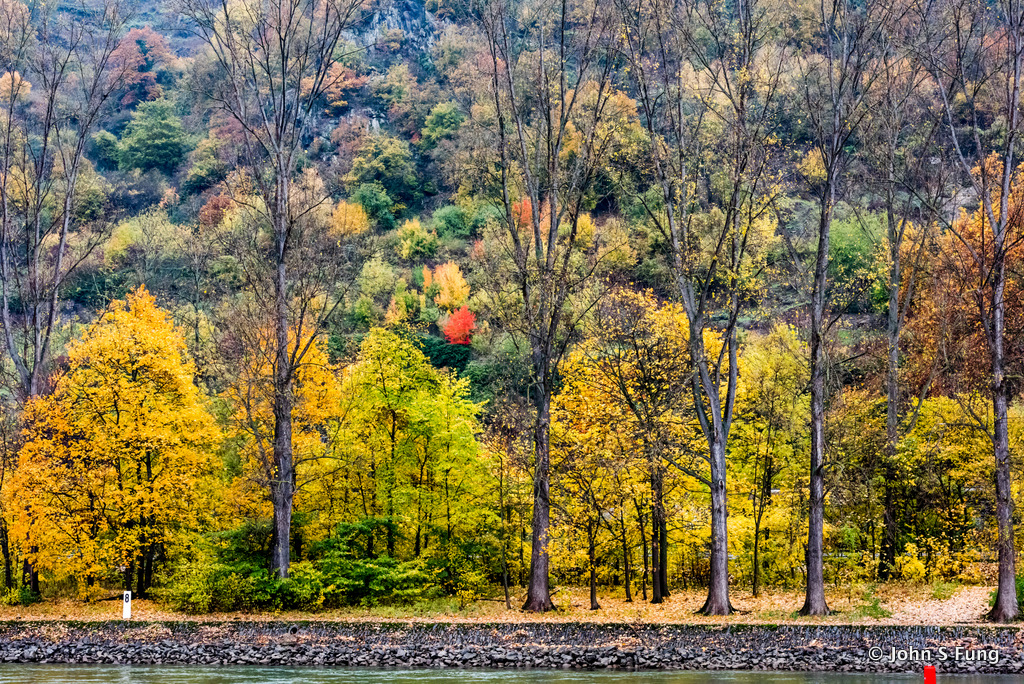
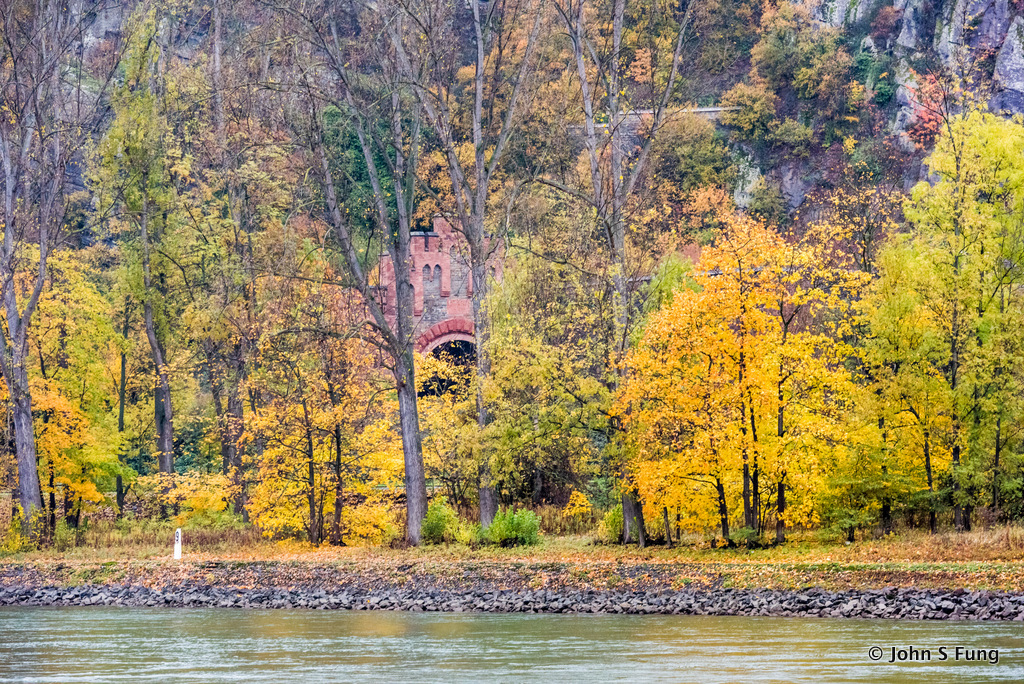
This section of Rhine is also known as “Rhine Gorge” referring to its gorge-like terrain that the river is contained within steep walls 100-150 m high, the most famous example being the Loreley. The river has been important trade route and a stage for cultural converge, and it was also at the center of wars. A string of small medieval towns along the banks provide visitors historic feel of medieval romanticism. The Upper Middle Rhine Valley is designated as an UNESCO World Heritage site in 2002.
UNESCO World Heritage Website: Upper Middle Rhine Valley
The 65km-stretch of the Middle Rhine Valley, with its castles, historic towns and vineyards, graphically illustrates the long history of human involvement with a dramatic and varied natural landscape. It is intimately associated with history and legend and for centuries has exercised a powerful influence on writers, artists and composers.
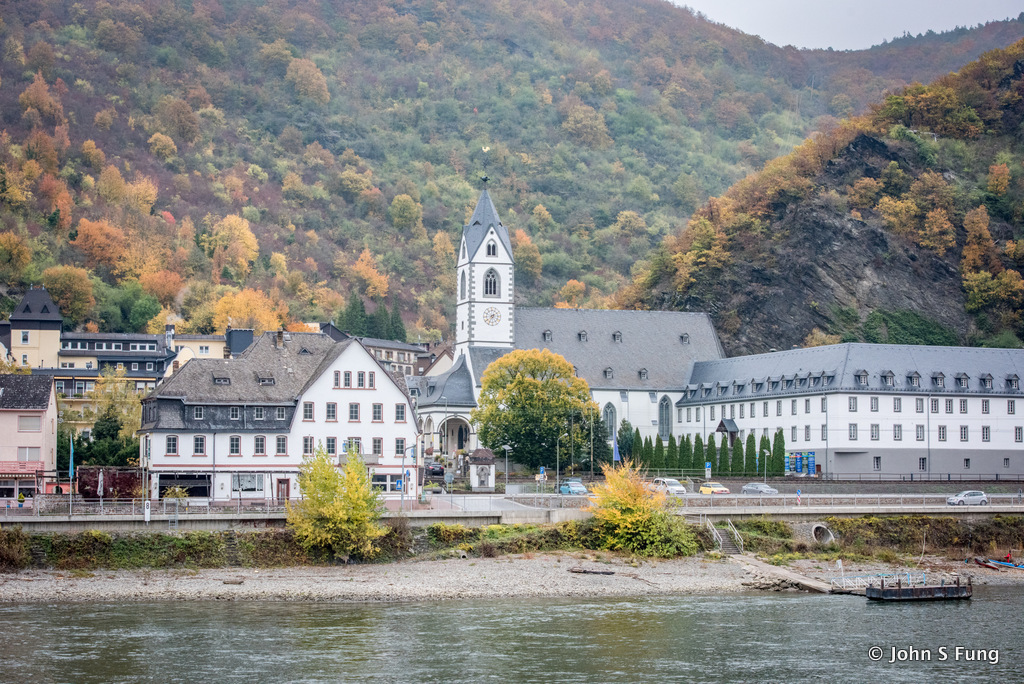
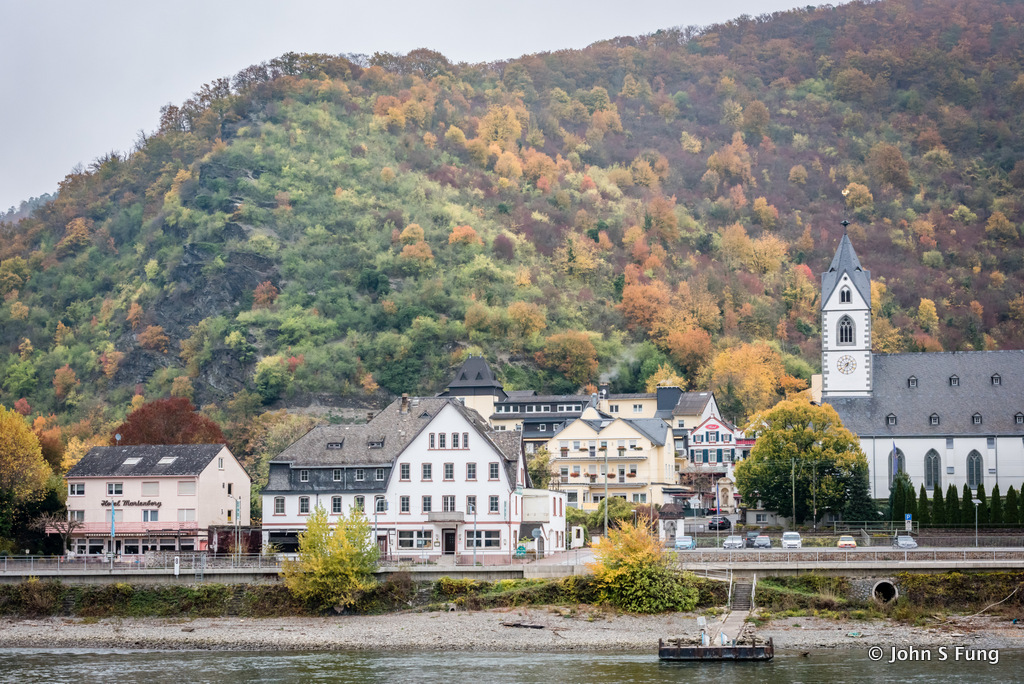
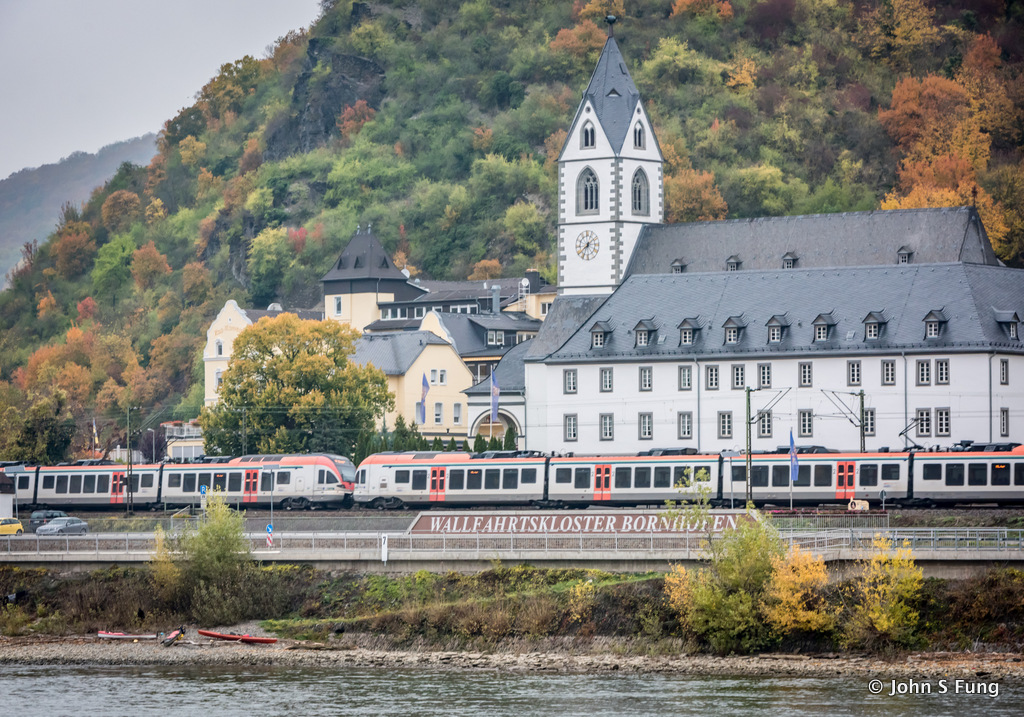
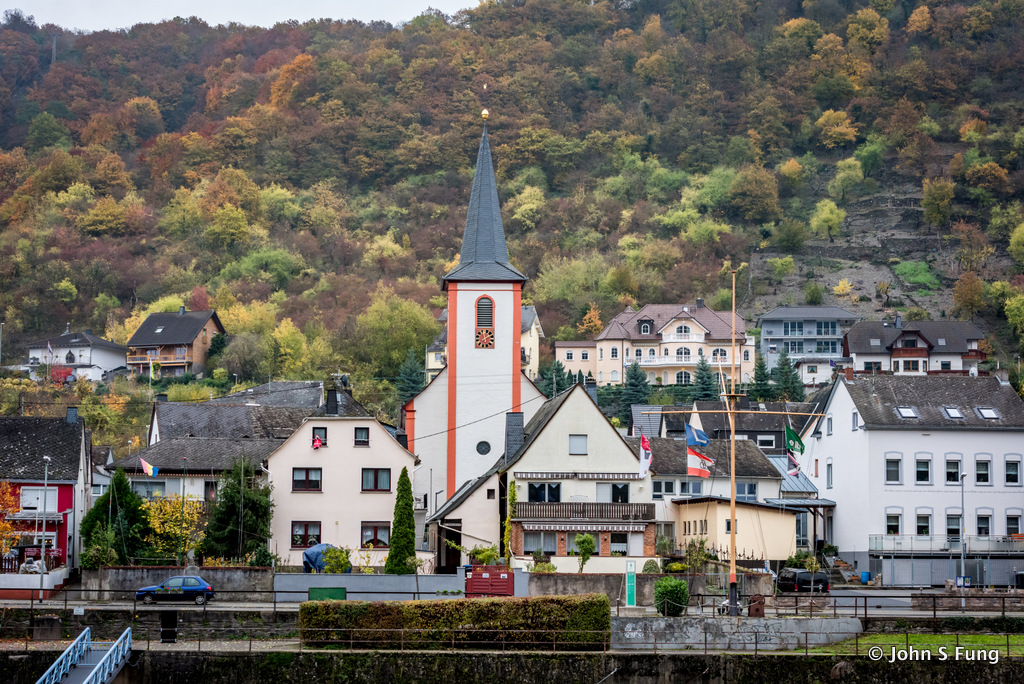
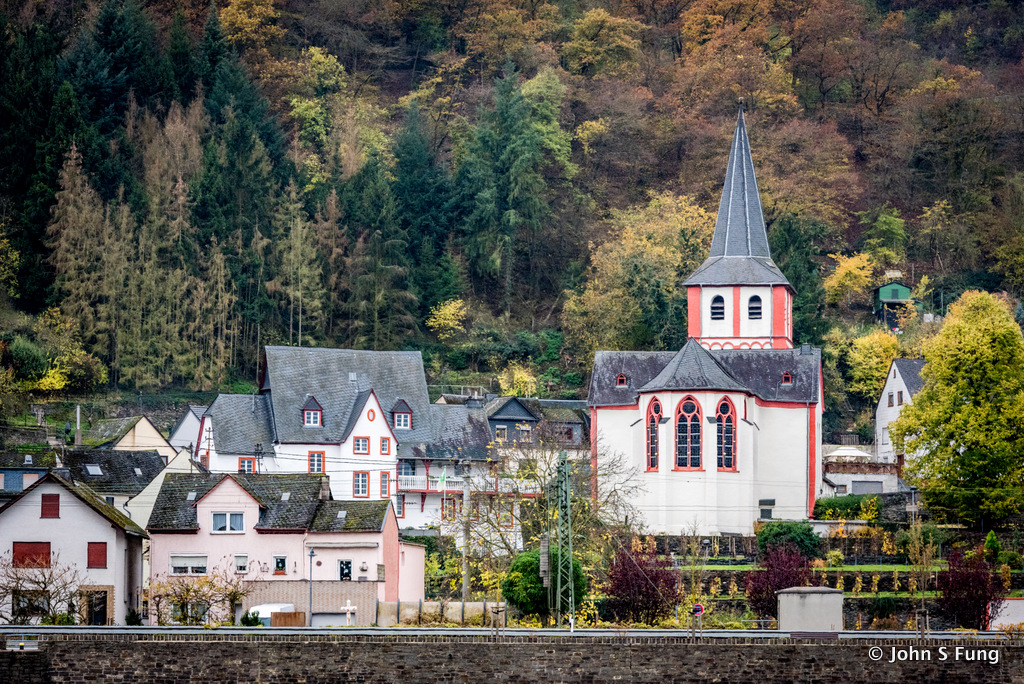
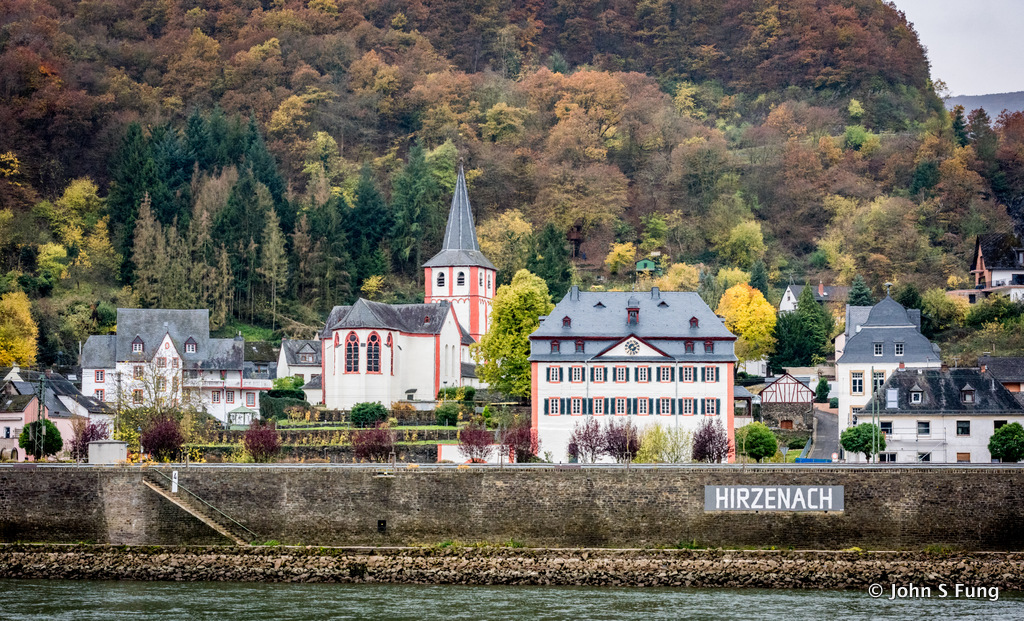
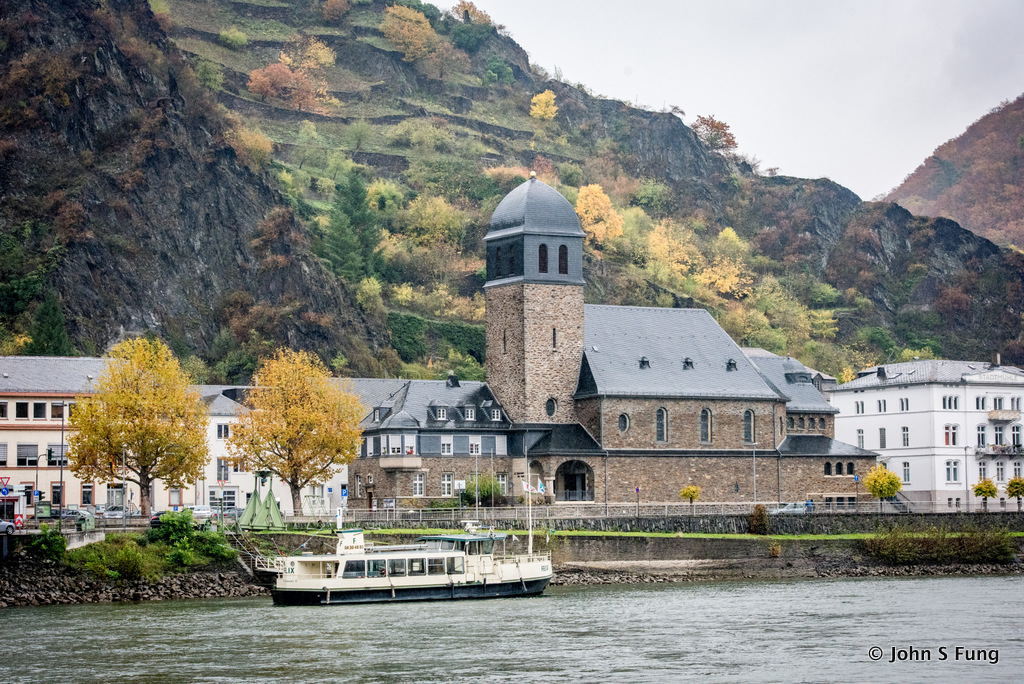
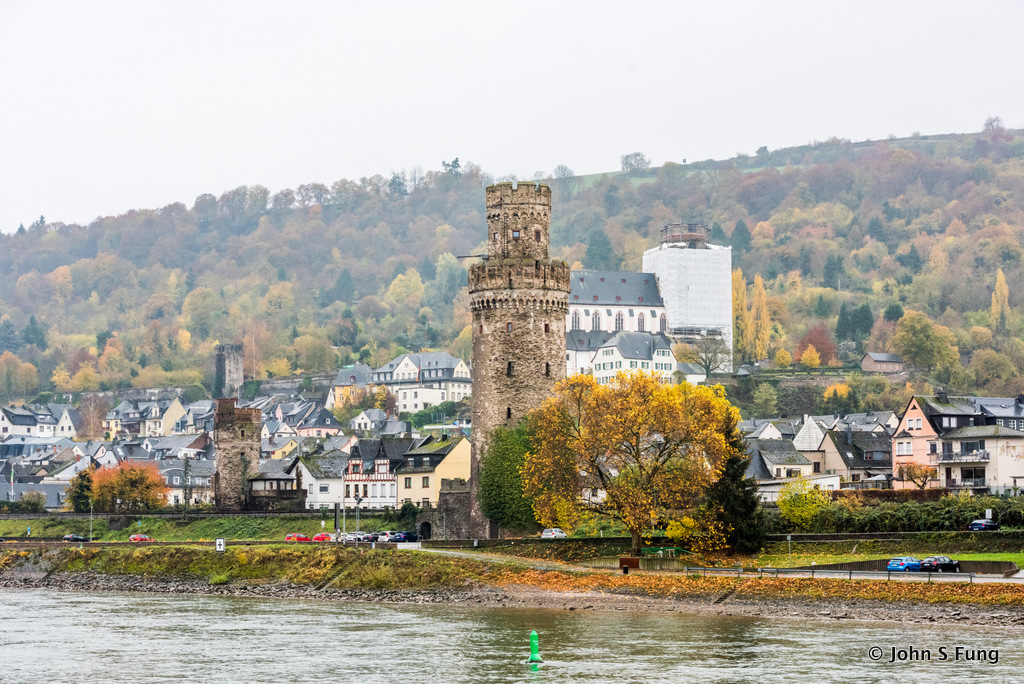
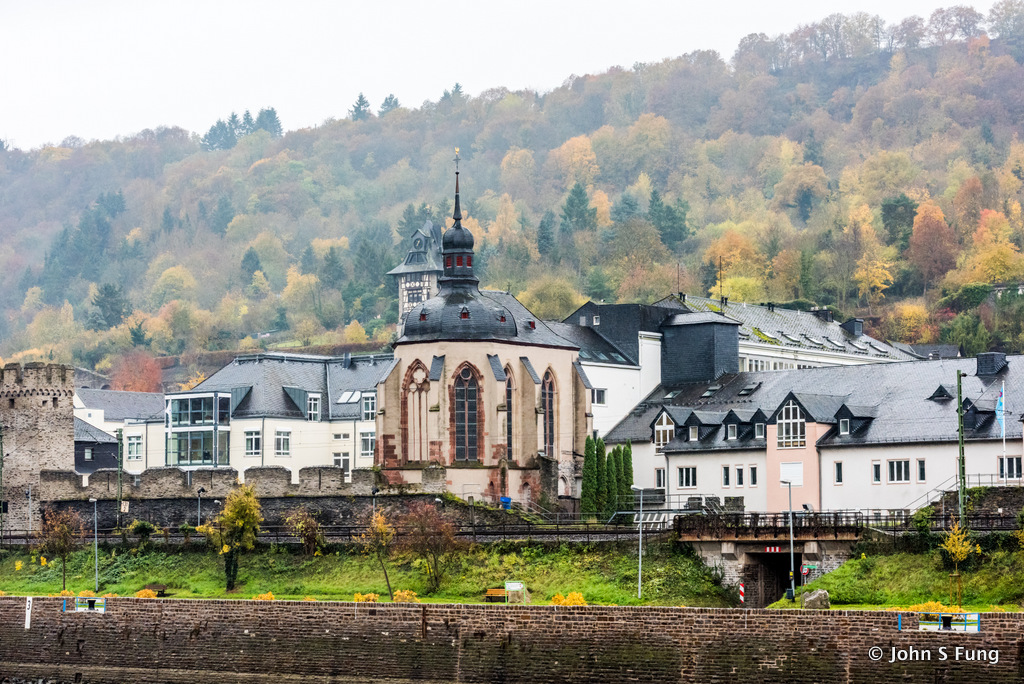
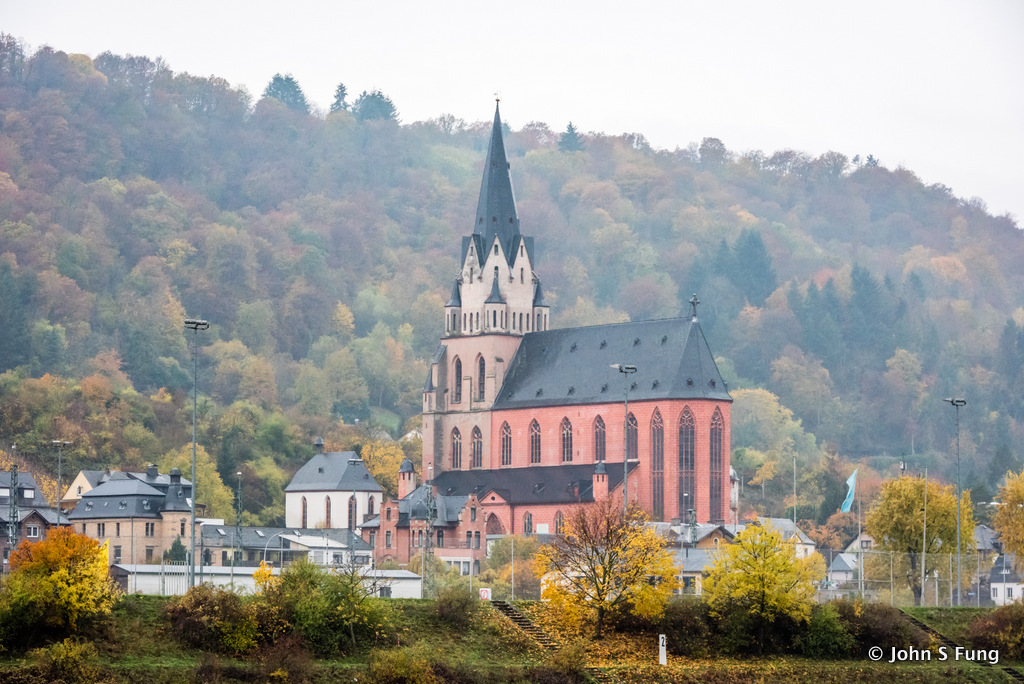
St. Bartholomew Church, Hirzenach (left). Today the lovely stained glass windows can be admired in the Louvre in Paris. Propsteig building (right)
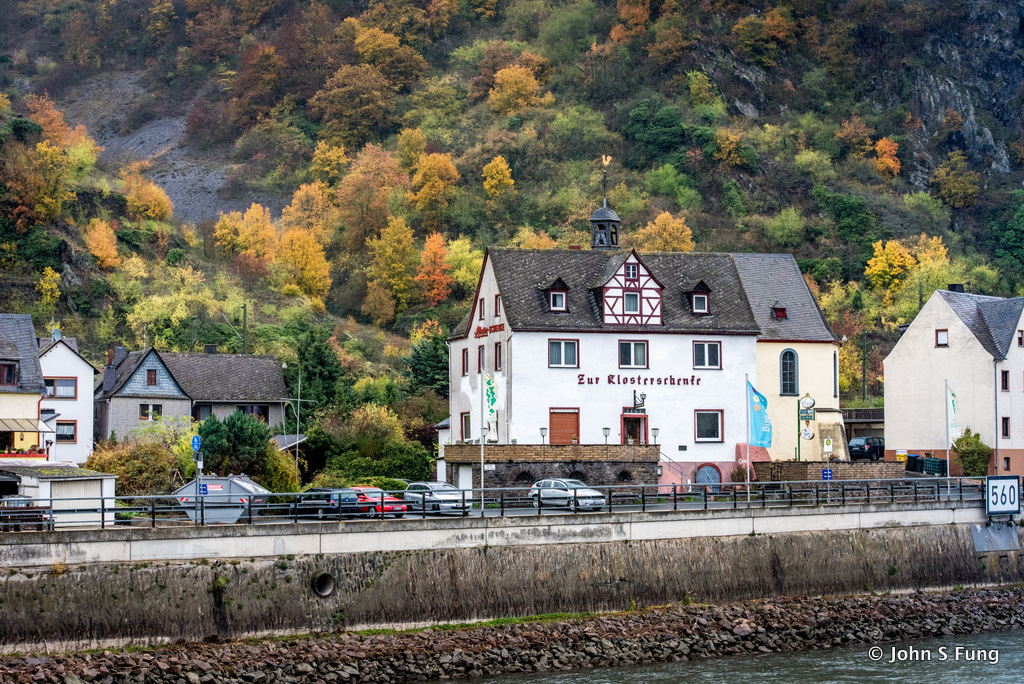
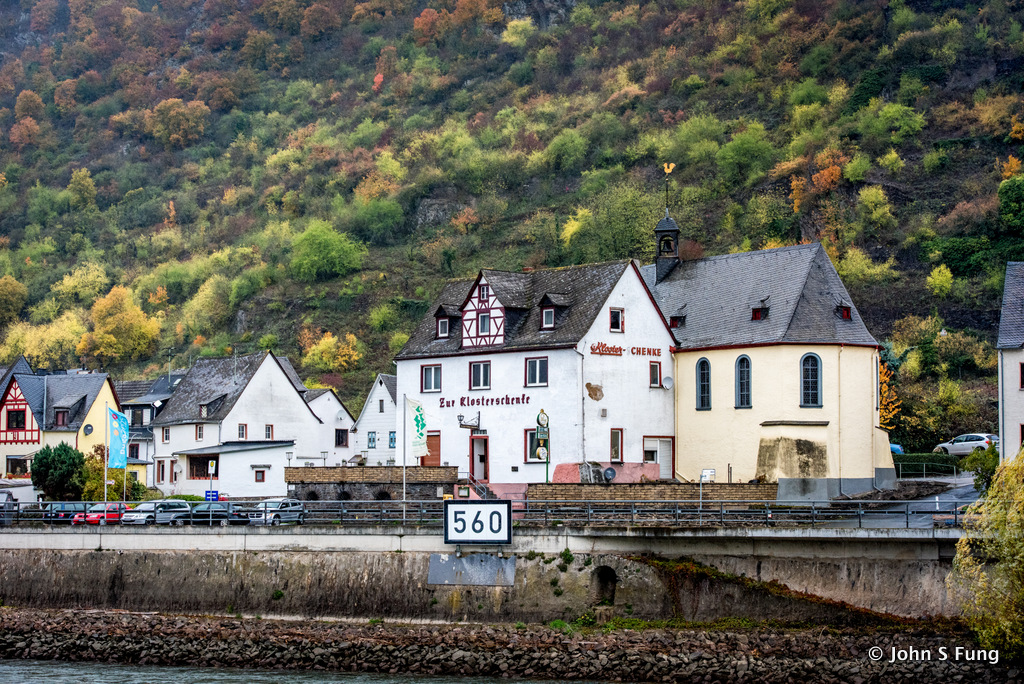
聖思天教堂 – 在萊恩560公里處,有此非常特別的一景。此處有一白色建築物,寫著 Zur Klostschenke, 意即「進教堂處」,原來此屋後有黃色的建築物,是聖思天教堂,惟教堂外無出入口,進出只能經過酒吧。更妙的是,網上有人說,教堂裡的修士/神父如果不太忙的時候,還會在吧枱幫忙呢。
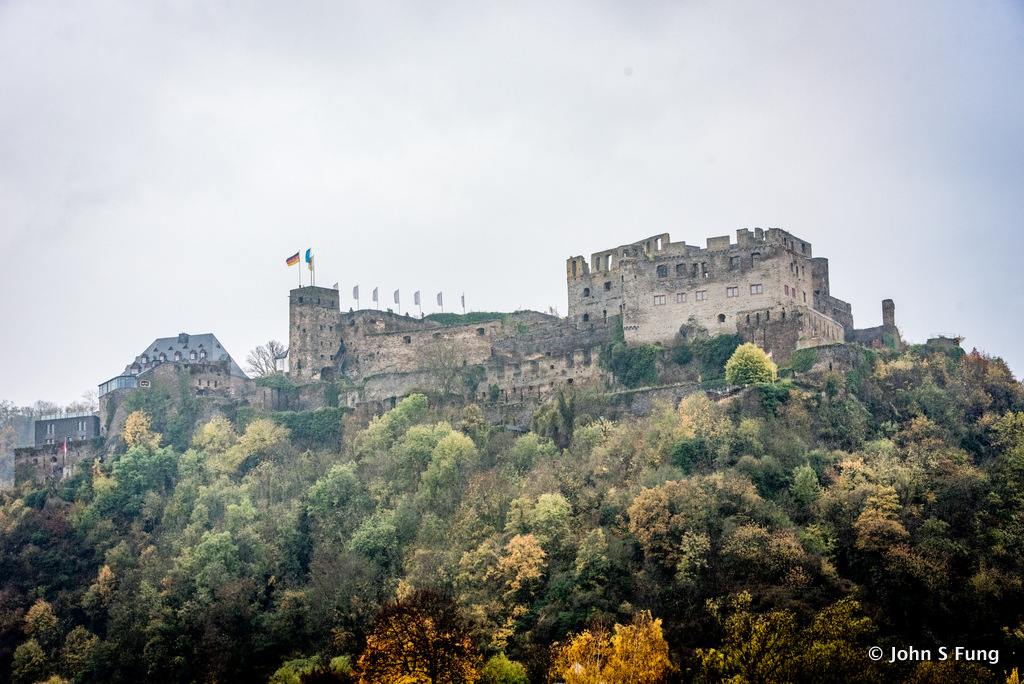
Kath. Pfarrkirche St. Sebastian – At 560 km of the Rhine (counting from the Old Rhine Bridge at Constance, Switzerland), there is a very interesting building. It is called Zur Klostschenke (literally means “to the Monastery/ Church”). The white building is a tavern and has a church, the yellow building, attached to its back. There is no entrance to the church. To enter, parishioners have to go through the tavern. It is mentioned somewhere online that when the priest is not that busy in the church, he works behind the bar counter.
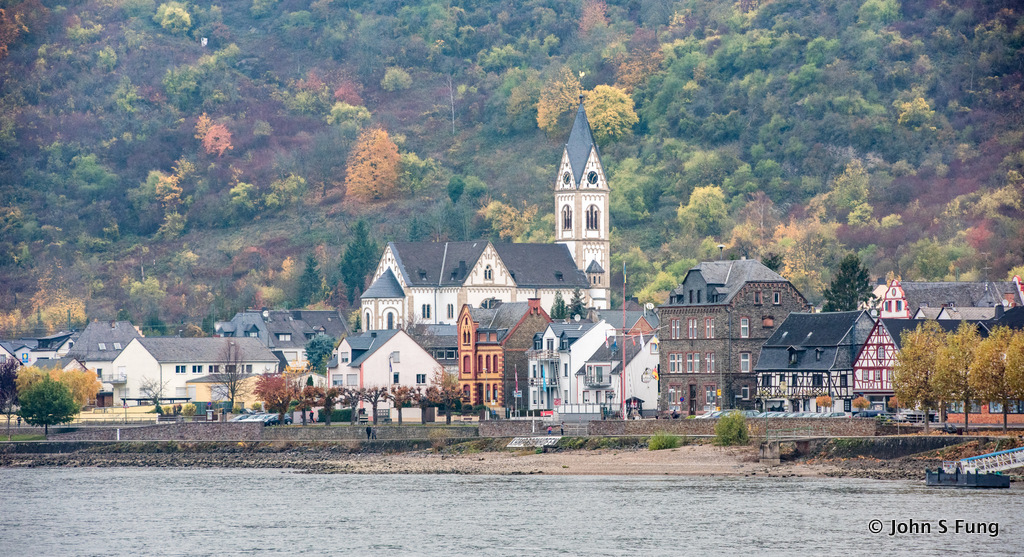
Rheinfels 堡。 Rheinfels Castle, Sankt Goar.
聖若望天主教堂。St. Goarshausen 鎮。 Kath. Kirche St. Johannes, St. Goarshausen.
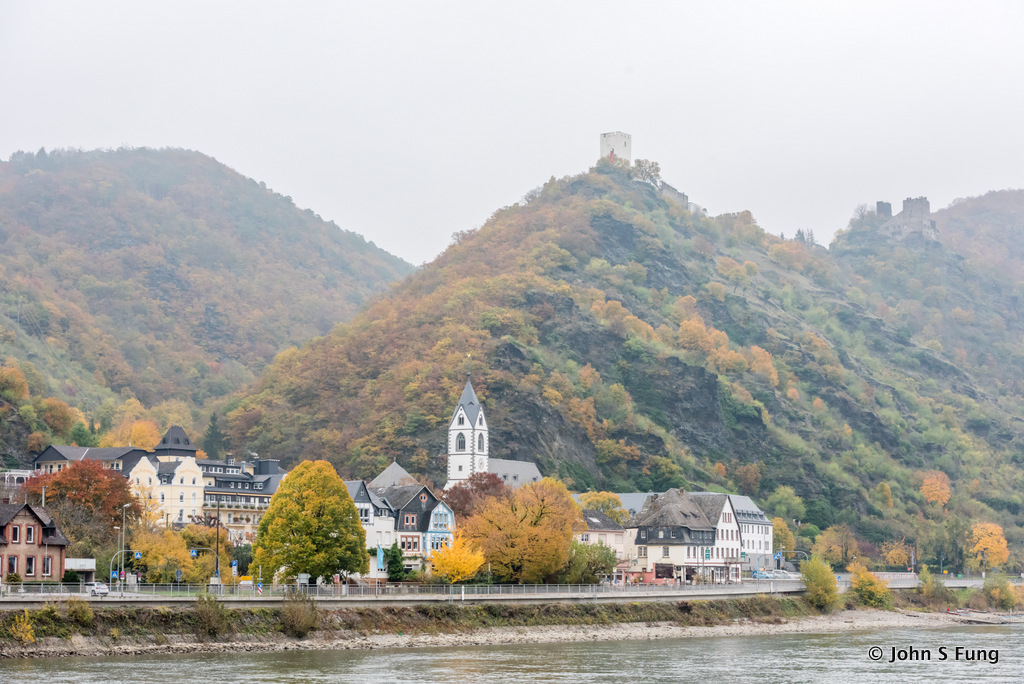
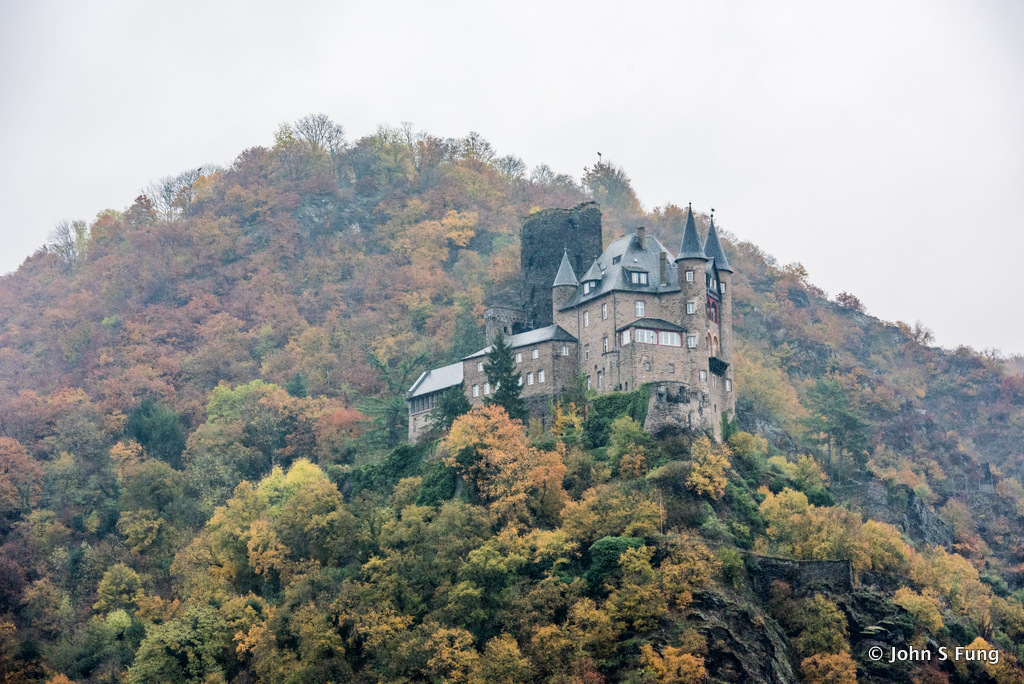
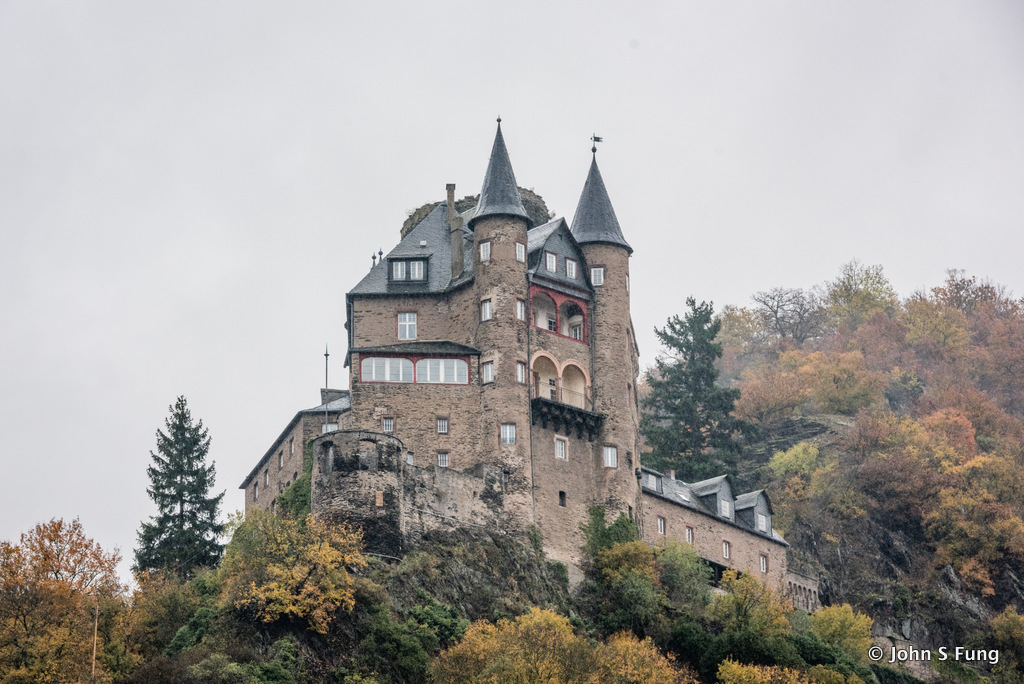
貓堡 – 在 Burg Katz 鎮上山頂上有一名Katz Castle 的古堡。 初建於1371 年。1806年被拿破倫炮轟,至18096-98重修。後被日本人購入,現在不對外開放。
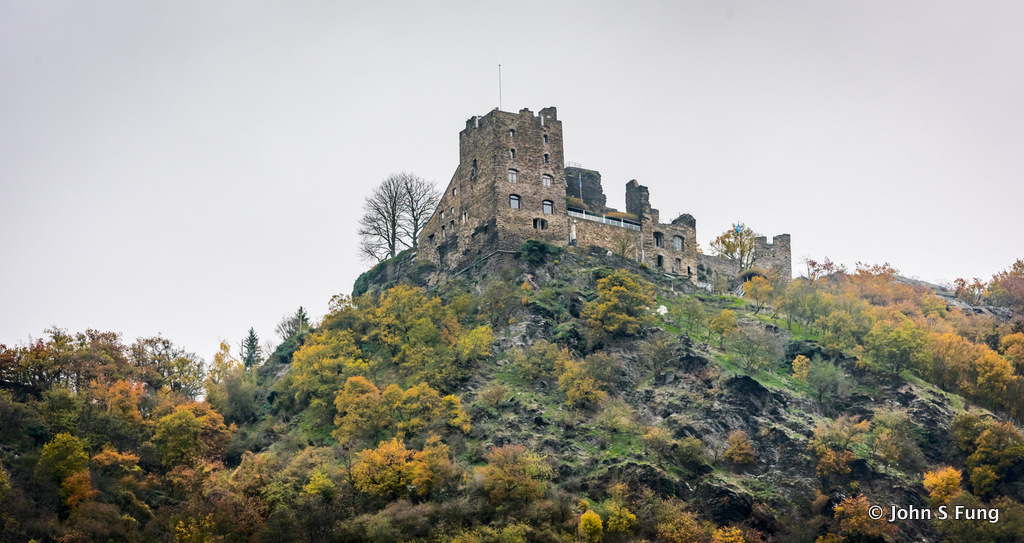
Burg Katz = Cat Castle is a castle stands on a ledge looking downstream from the riverside at St. Goarshausen. It was first built around 1371. The castle was bombarded in 1806 by Napoleon and rebuilt in 1896–98. It is now privately owned (by Japanese, 日本人所有の古城), and not open for visitors.
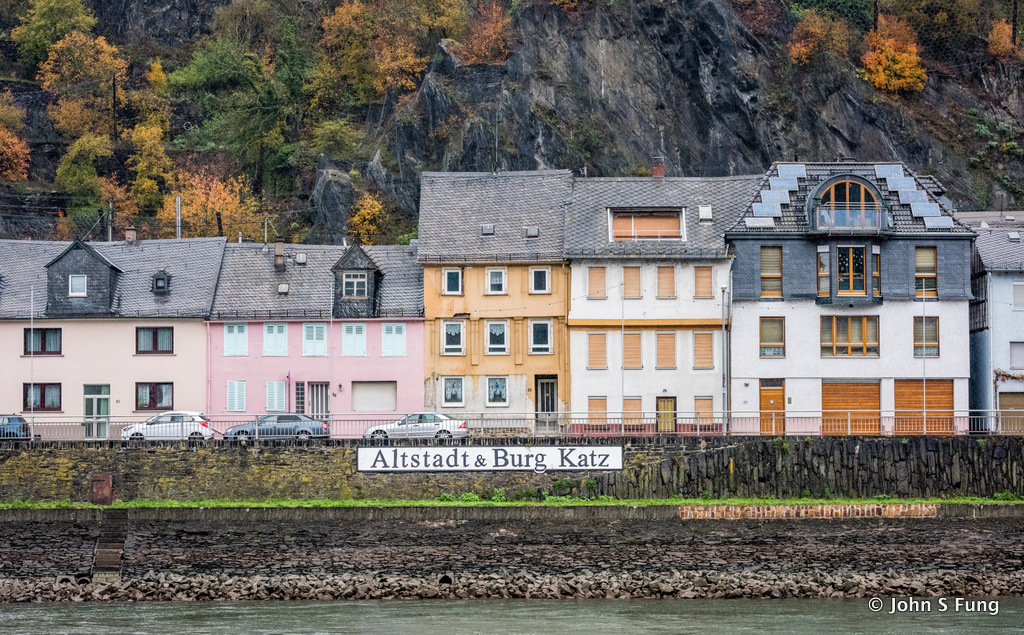
貓堡鎮上的漂亮老房子。
Beautiful houses in the town of Altstadt & Burg Katz, below the castle.
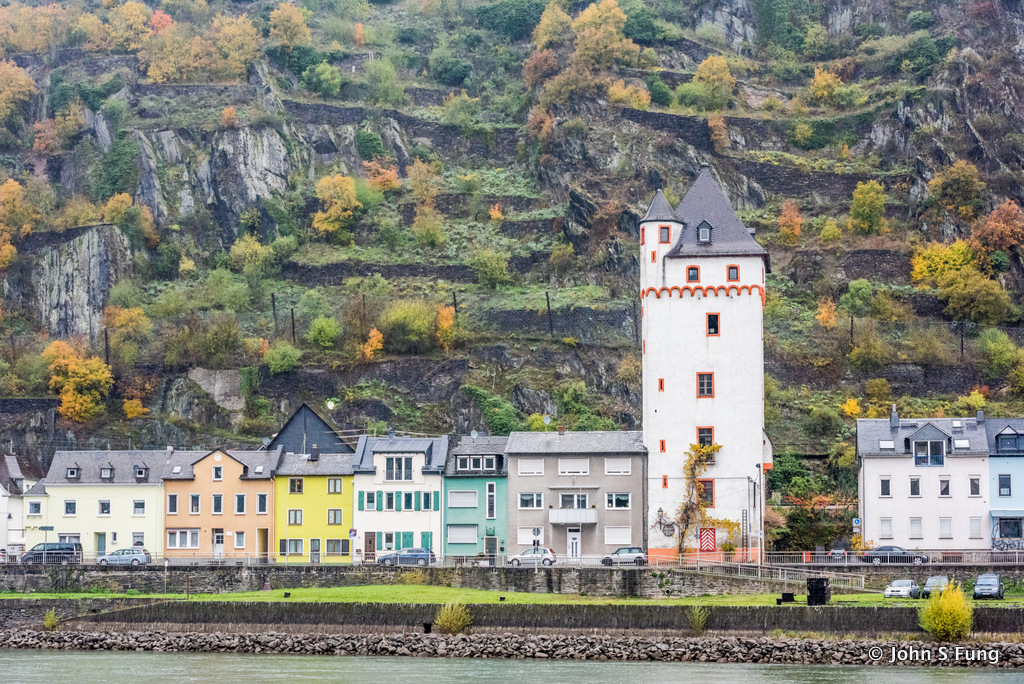
貓堡的舊市塔和蘿蕾莉博物館。
Historischer Stadtturm (Historic City Town) & Loreley-Museum
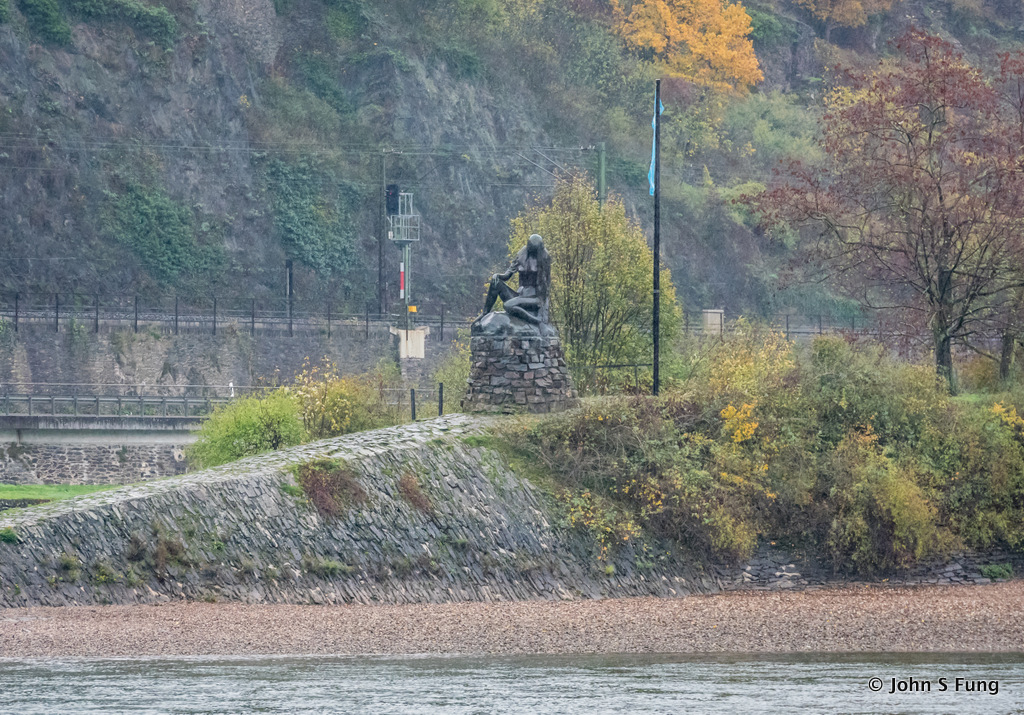
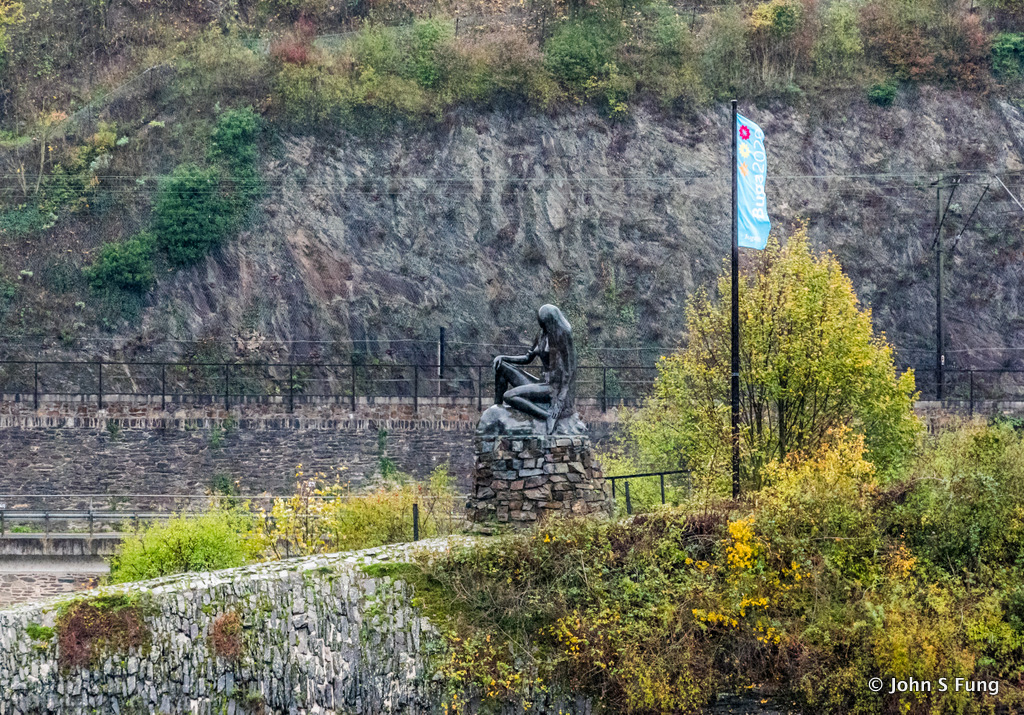
Loreley statue – In 1824, Heinrich Heine adapted Brentano’s theme in one of his most famous poems, “Die Lorelei”. It describes the eponymous female as a sort of siren who, sitting on the cliff above the Rhine and combing her golden hair, unwittingly distracted shipmen with her beauty and song, causing them to crash on the rocks. https://en.wikipedia.org/wiki/Lorelei
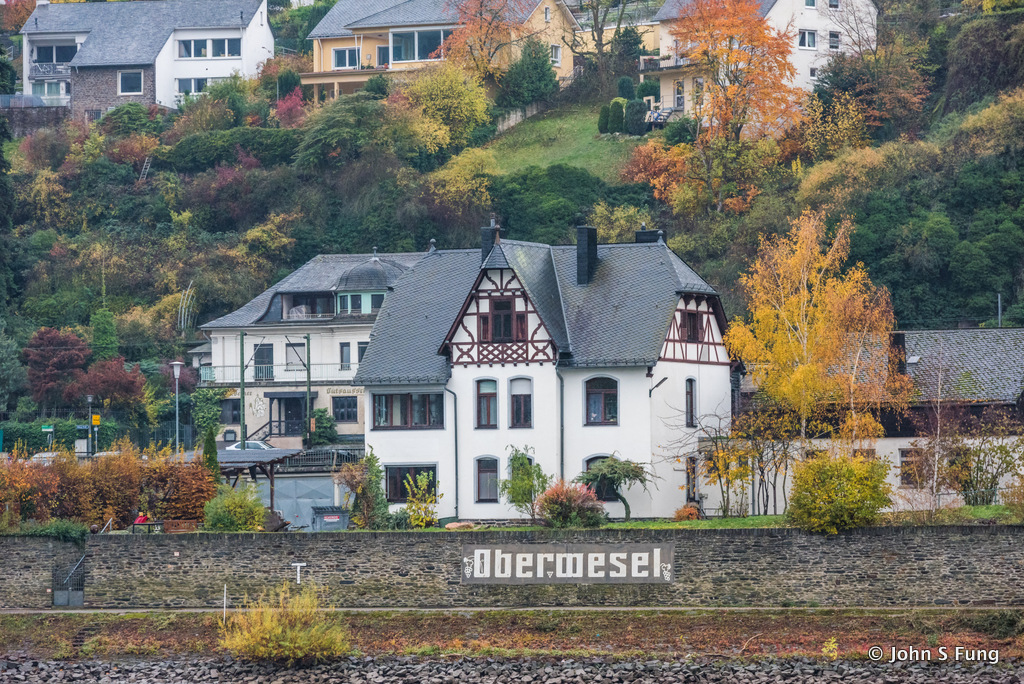
Oberwesel 鎮中古味道甚濃,城堡、塔、老教堂和老房子樣樣俱全。
岳臣塔,可追溯至羅馬帝國。
Oxen Tower (Ochsenturm) , medieval tower that dates back to Roman period.
聖華納禮拜堂,旁有附屬醫院。
“Saint” Werner’s Chapel, with a hospital.
Schönburg 堡壘酒店。
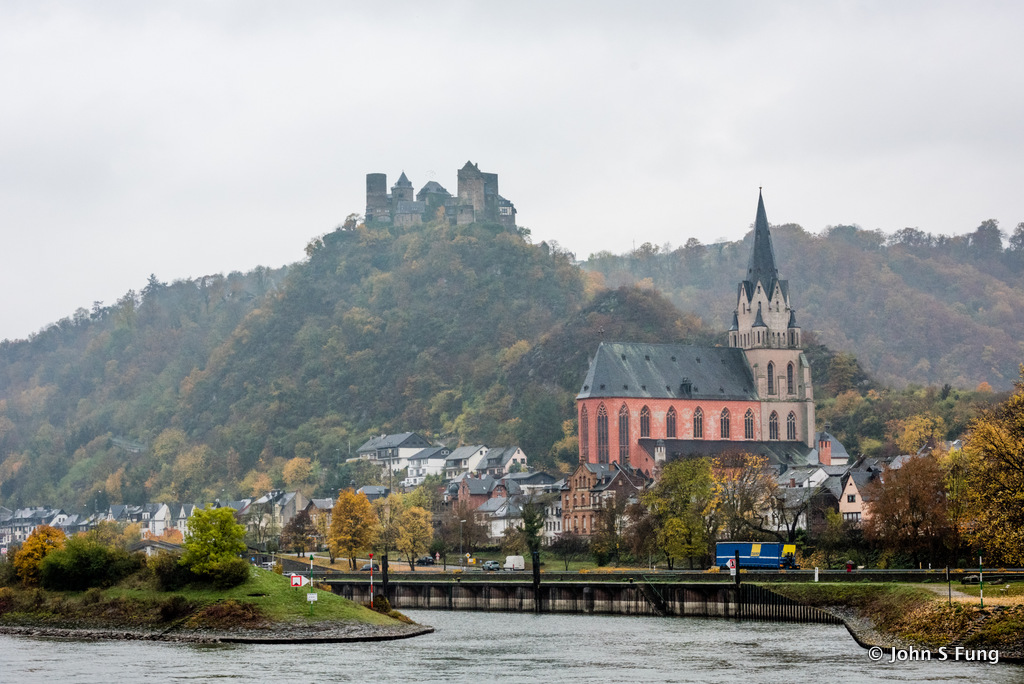
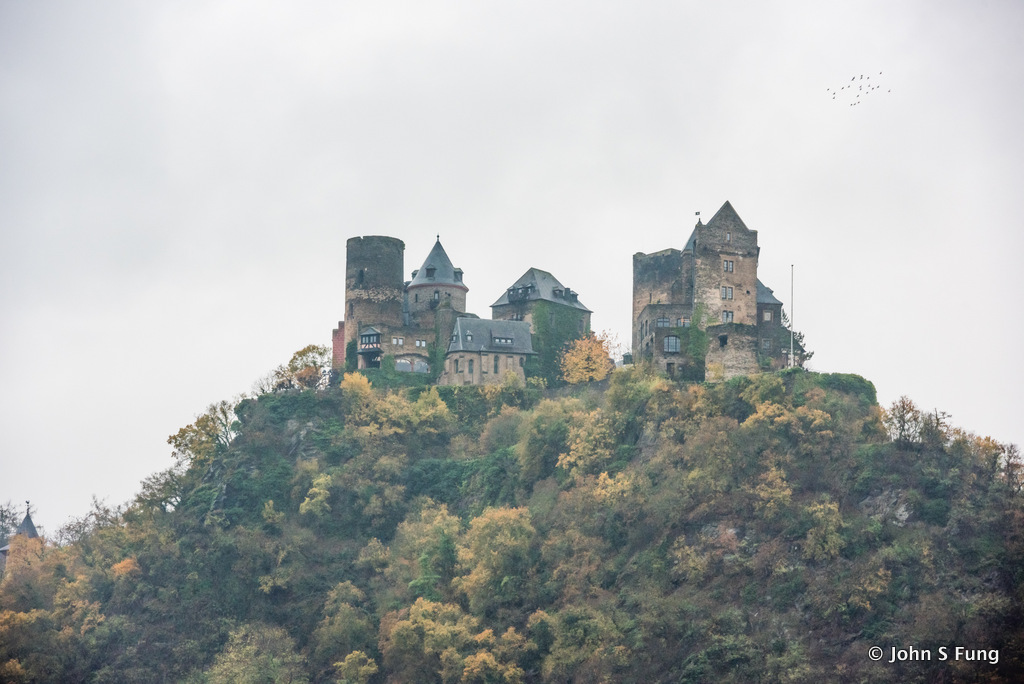
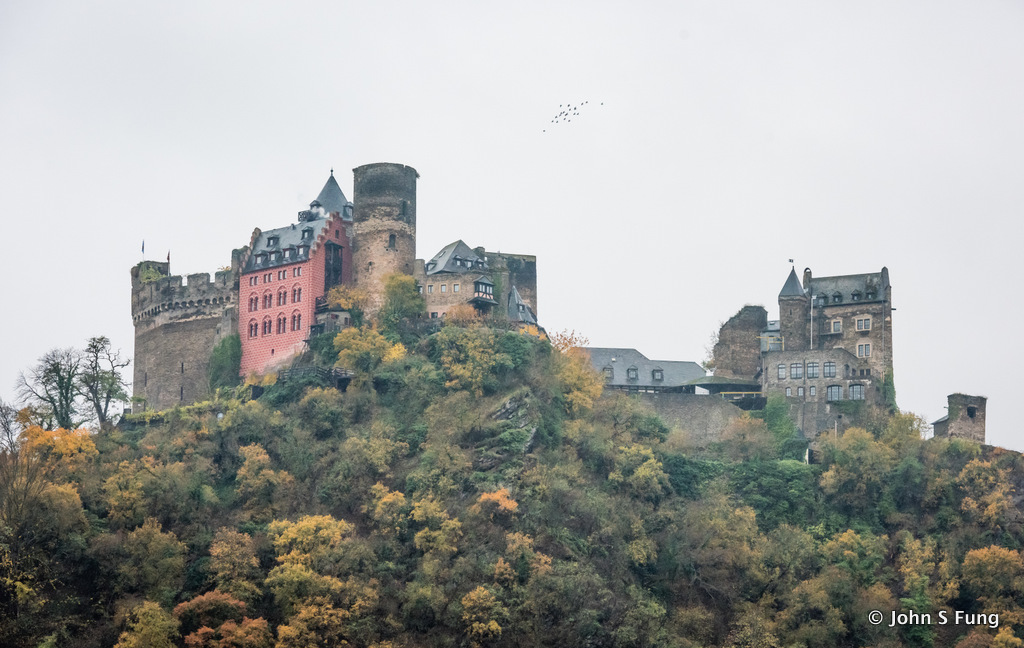
Schönburg Castle in Oberwesel, one of the beautiful castle hotels in Germany.
Medieval towers.
Church of Our Lady, one-naved aisleless church, dates back to latter half of the 14th century.
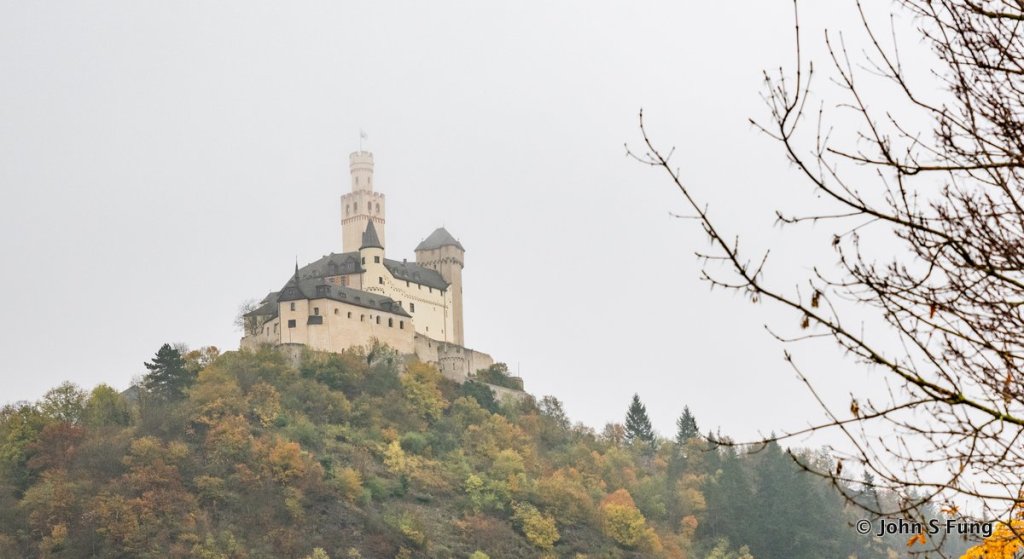
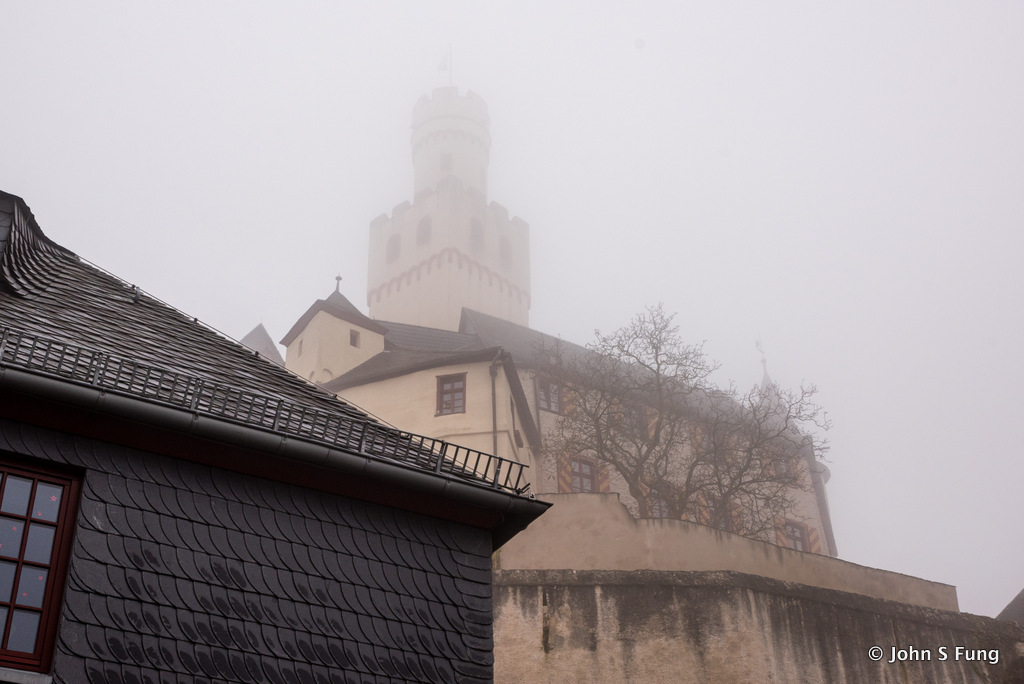
Marksburg Castle – It is said to be the only castle in the Rhine Valley to have never been destroyed by enemies.The castle is located at Braubach which is about 12 km south of Koblenz.
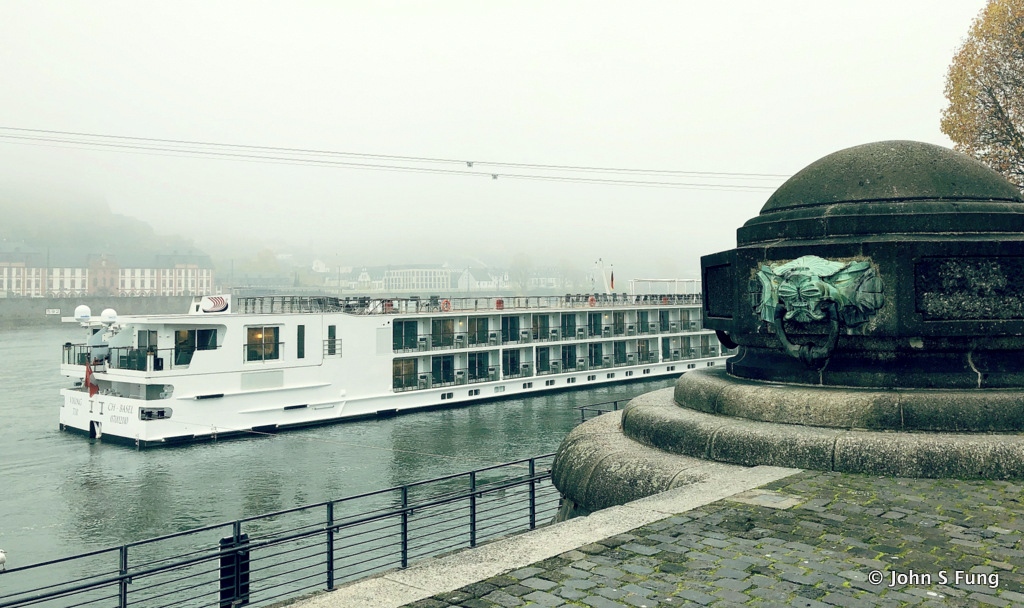
A misty morning, our ship docked at Koblenz at the confluence of the Rhine and Moselle Rivers. Koblenz has a lot to offer, it is a beautiful medieval town with long, rich cultural heritage.
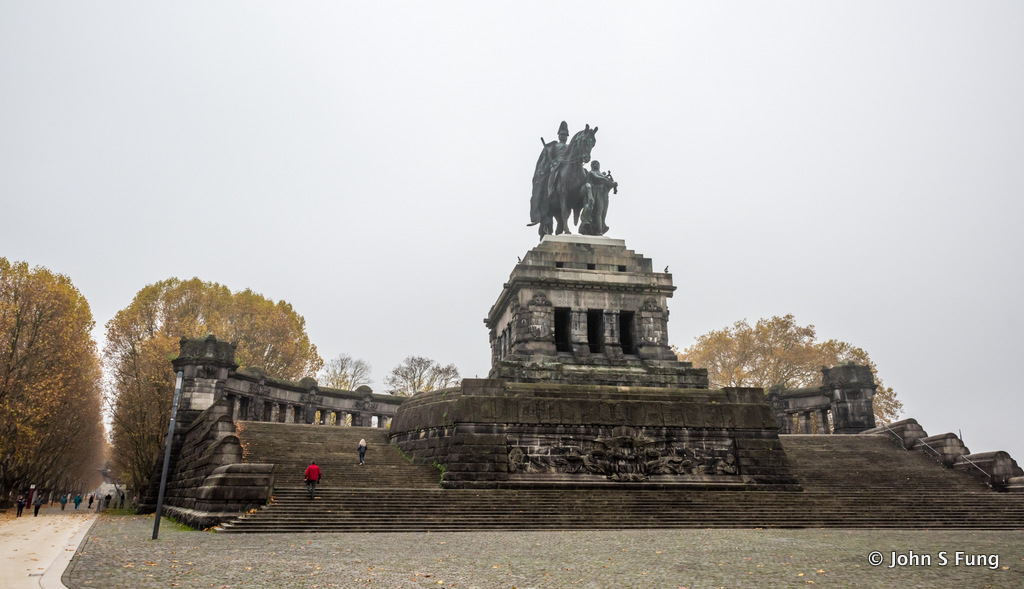
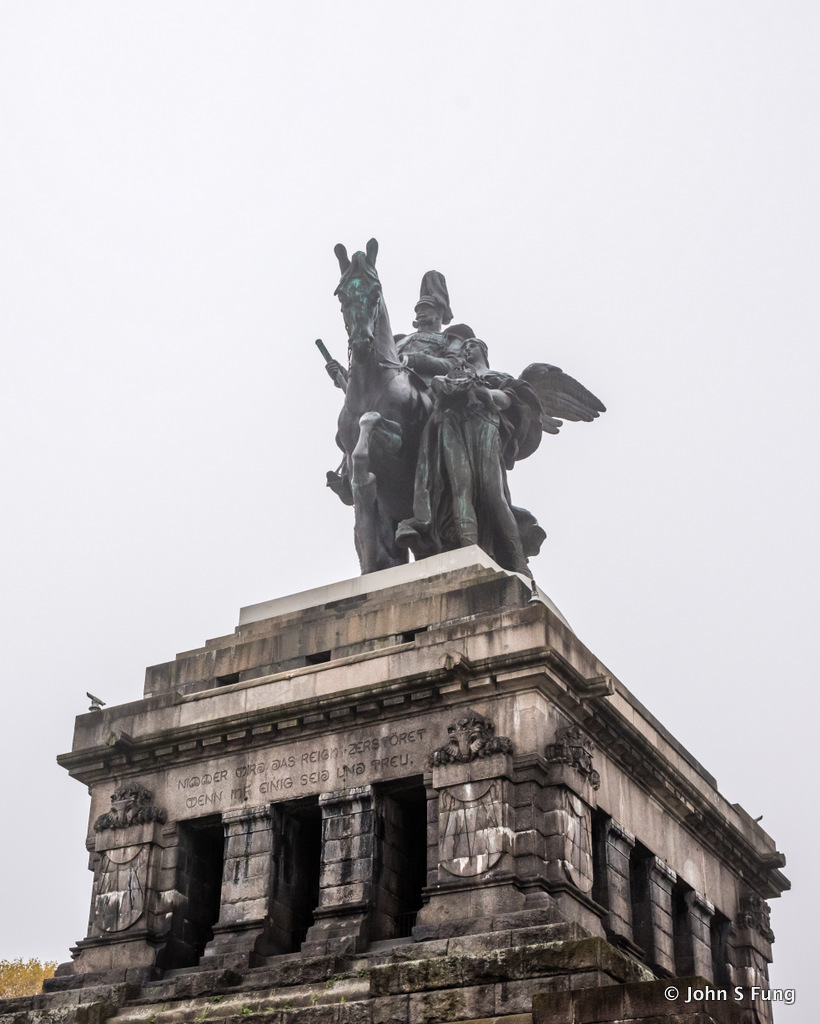
We got off the ship at the port next to the “German Corner” where the Rhine and Moselle Rivers converge. There is a Statue of Prince William I.
We joined the majority to tour the Marksburg Castle in the morning. the afternoon was scheduled for the Middle Rhine Scenic Cruising. Upper Middle Rhine valley is an UNESCO World Heritage site.
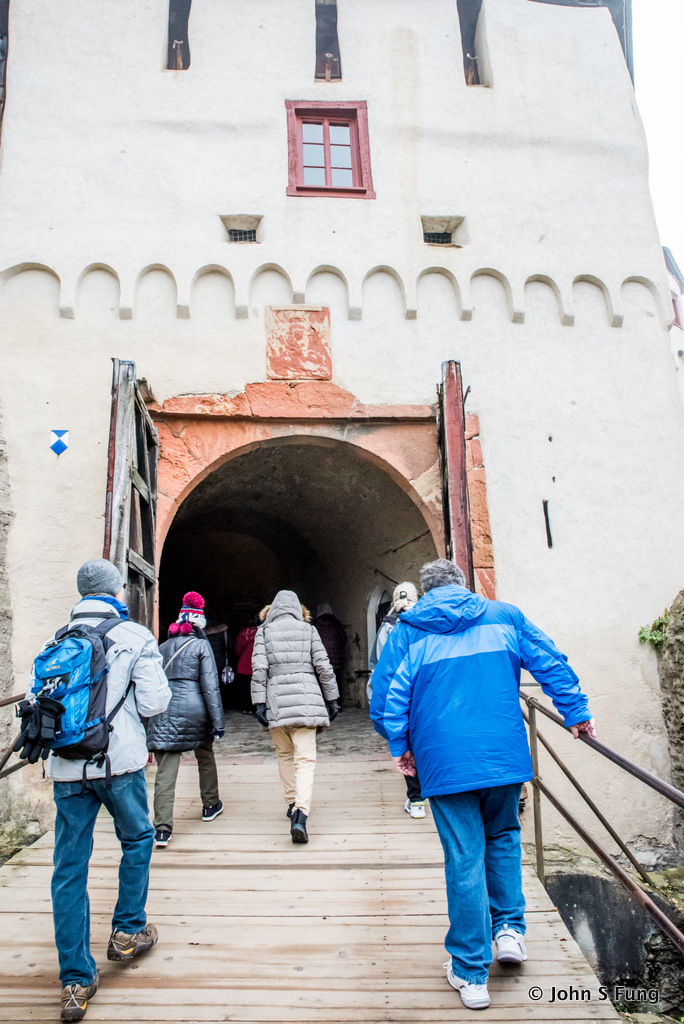
進入古堡的第一道門 – 吊橋門。
Drawbridge Gate – entering the first gate of the castle.
站在禮品部上望向古堡,禮品部和小吃部是原來管事人員的住宿處。
The medieval tower, as seen from the gift shop which was used as servant’s quarters.
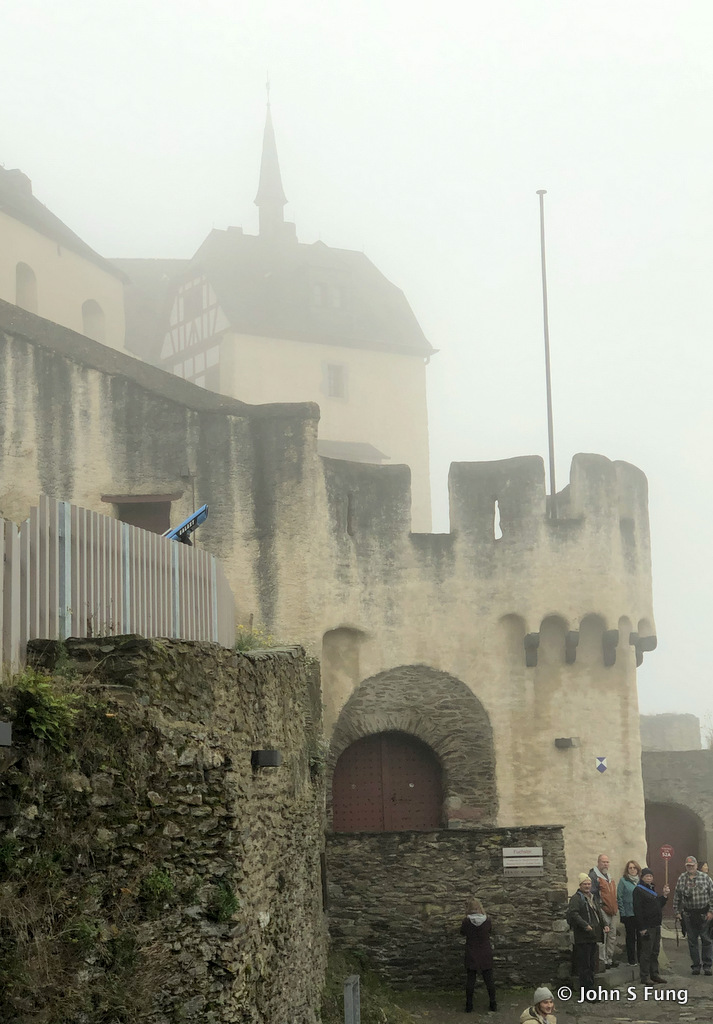
狐狸門 – 這是進入古堡的第二度門 。Fox Gate – The second gate of the castle.
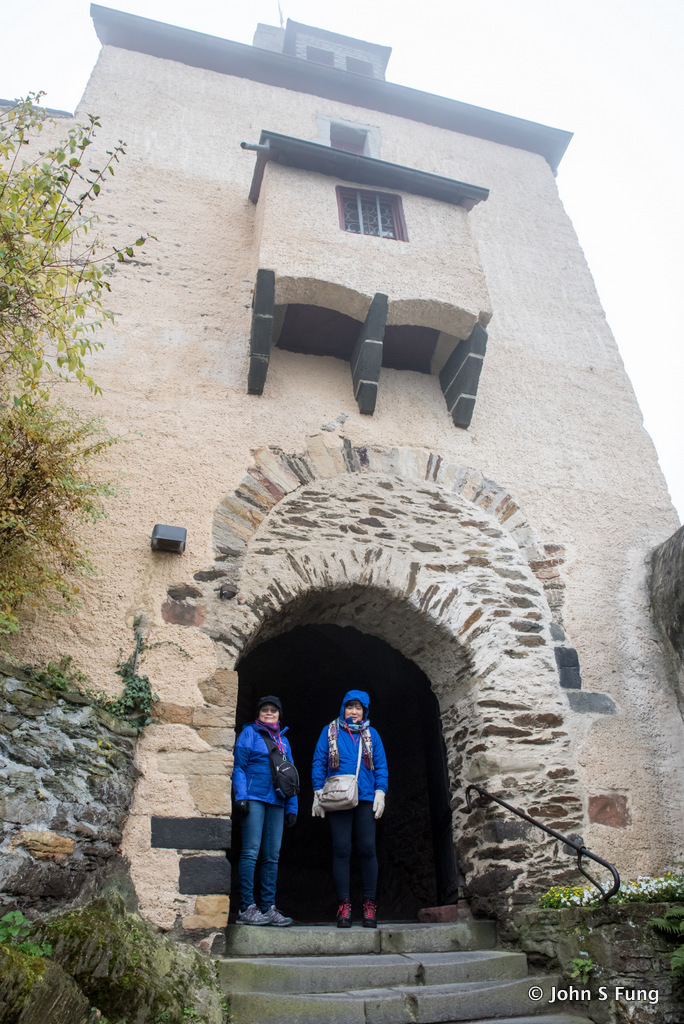
Arrow Slit Gate – The third gate of the castle. Above the gate there is a machicolation with oriel from which the defenders would use hot oil or stones to attack enemies.
進門騎士騎士通道的上蓋。下圖為通道牆上掛有各時期城主的徽章,
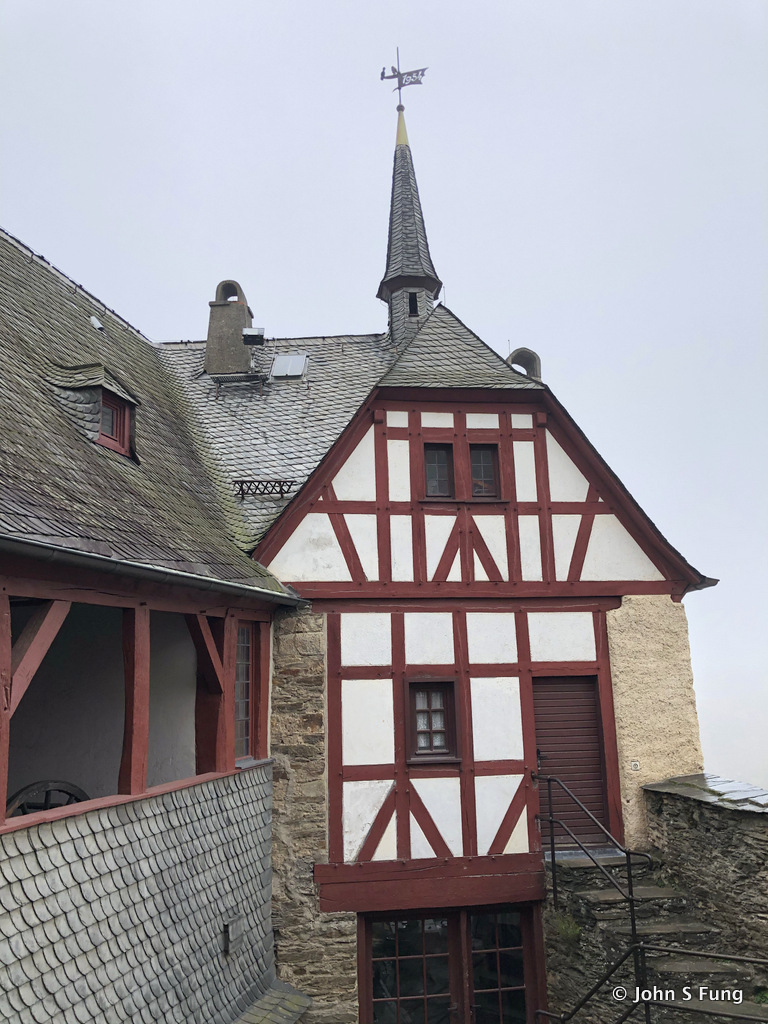
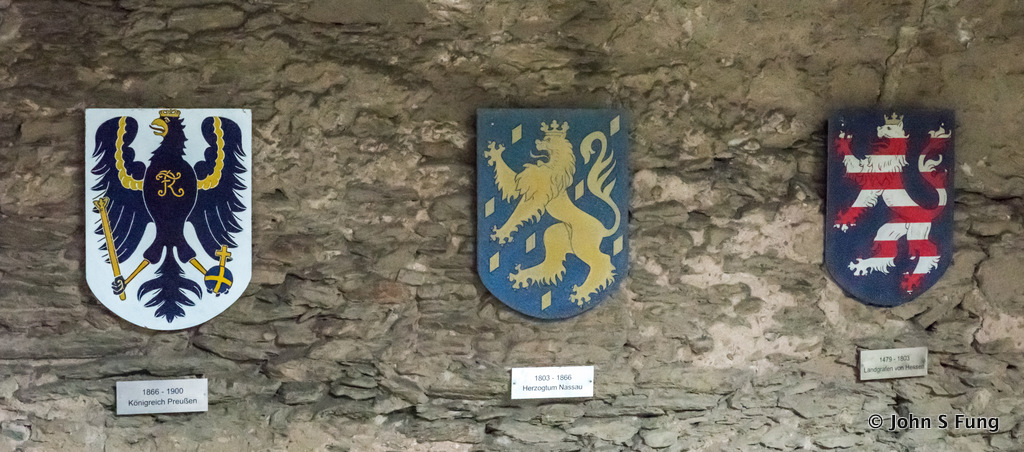
The half-timbered gate building above the third gate. The photo below shows the coats of arms representing the past owners of Marksburg Castle.
不同時代堡主的徽章. Coats of arms of the past owners.
左 Left: 1866-1900 Konigreich PreuBen (1866年奧普戰爭的結果,Nassau 和馬士堡歸普魯士所有。As a result of the Austro-Prussian War of 1866. Nassau as well as Marksburg Castle was taken over by Prussia.). 中 Middle: 1803-1866 Herzogtum Nassau. 右 Right: 1479-1803 Landgrafen van Hessen.
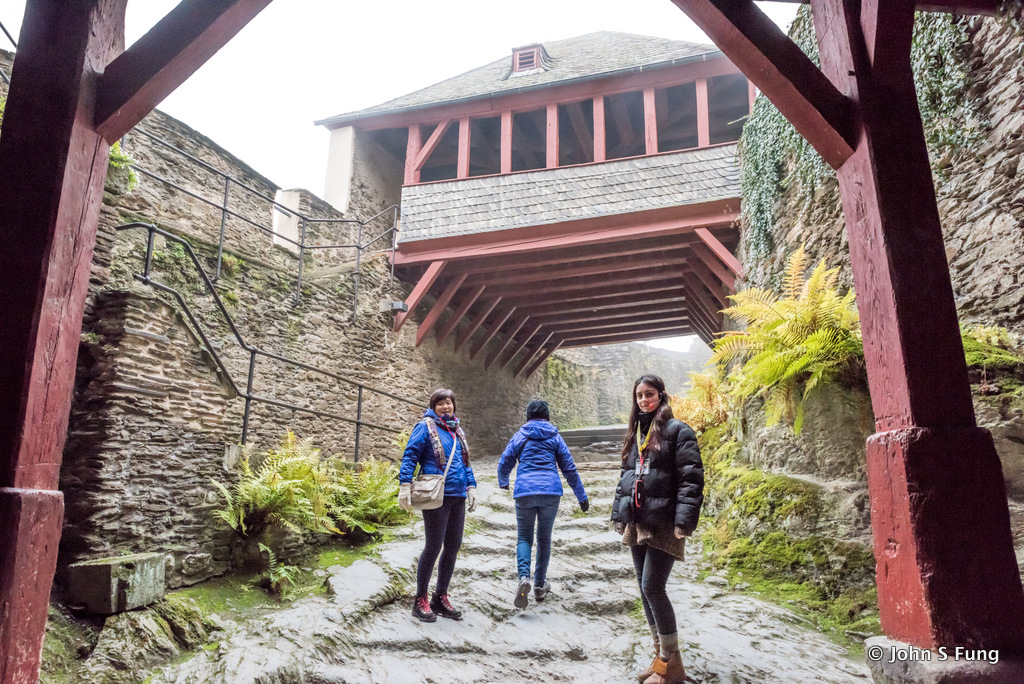
自進門後,拐上一個彎道,樓面高挑,似是為騎士而設的馬道,在大塊山岩上鑿出淺淺的階梯。上圖是後一段。
After entering the arrow slit gate, we climbed a steep stairway, the Riders Stairway or equestrian stairs, carved out of the bedrock centuries ago. This is the upper part of the stairway from the wall with coats of arms.
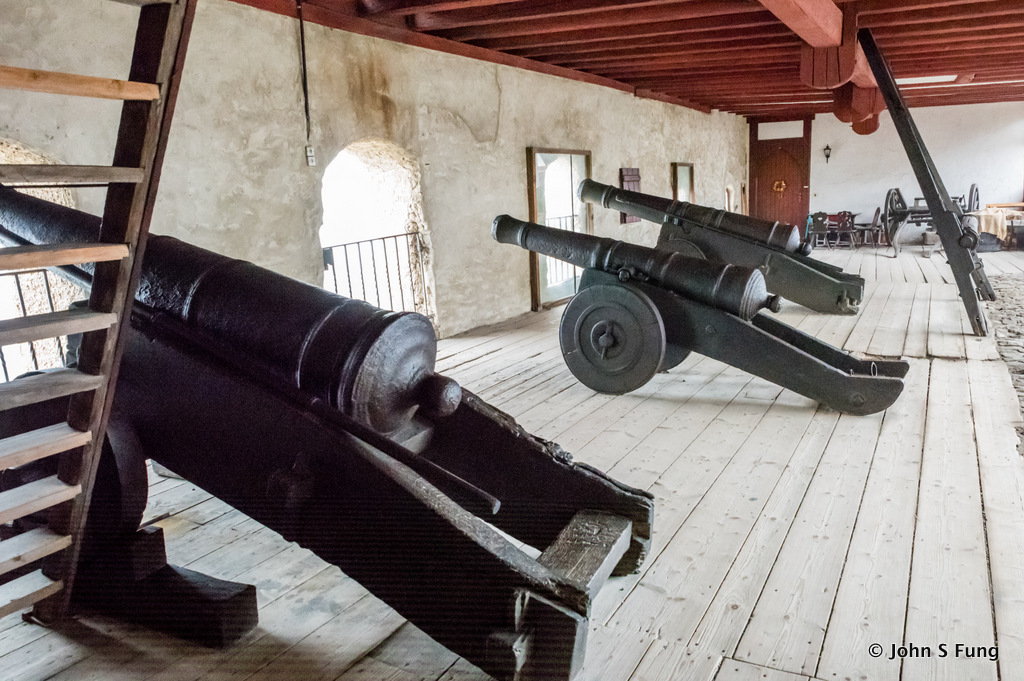
The Great Artillery Battery, this battery was first constructed in 1589, the latter half was added in 1711. The coverage of these cannons were about 1000m.
在炮台的左方,有小路環繞城堡下方,拐兩個彎就到城堡的入口
炮台面對河道,導遊説風景極佳,可惜煙雨濛濛,隱約只可見河岸。
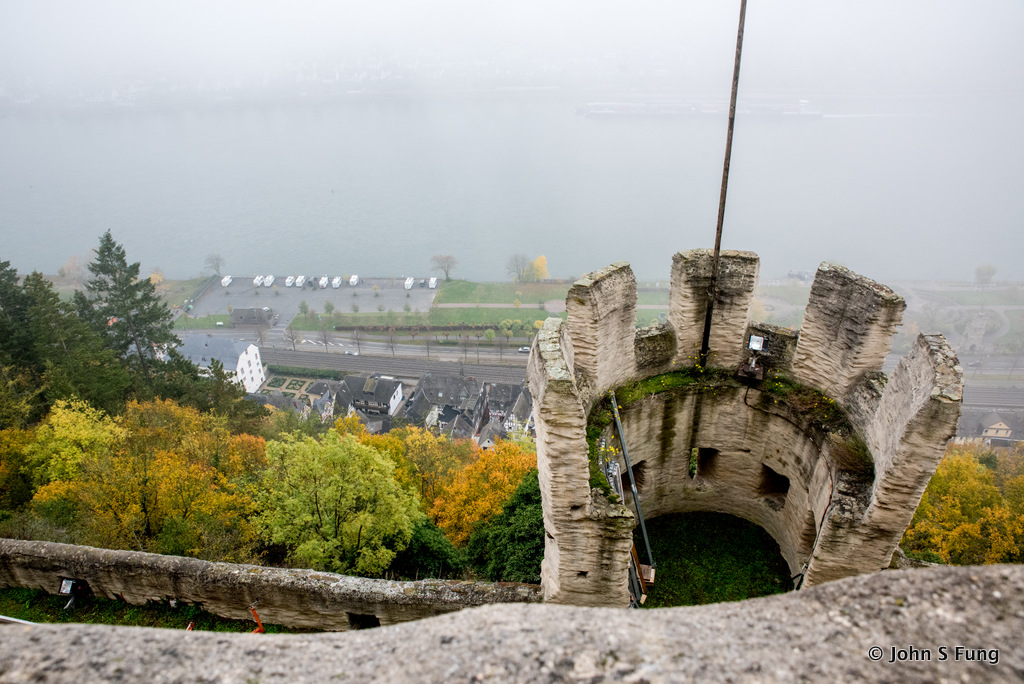
It is said that the castle offers a wonderful view of the Rhine, we barely could see the river from the battery level.
The toilet on the second floor, as seen outside. The design is simple, a wooden box attached to the opening on the wall; under the toilet seat, there is only a hole, no plumbing on the outside.
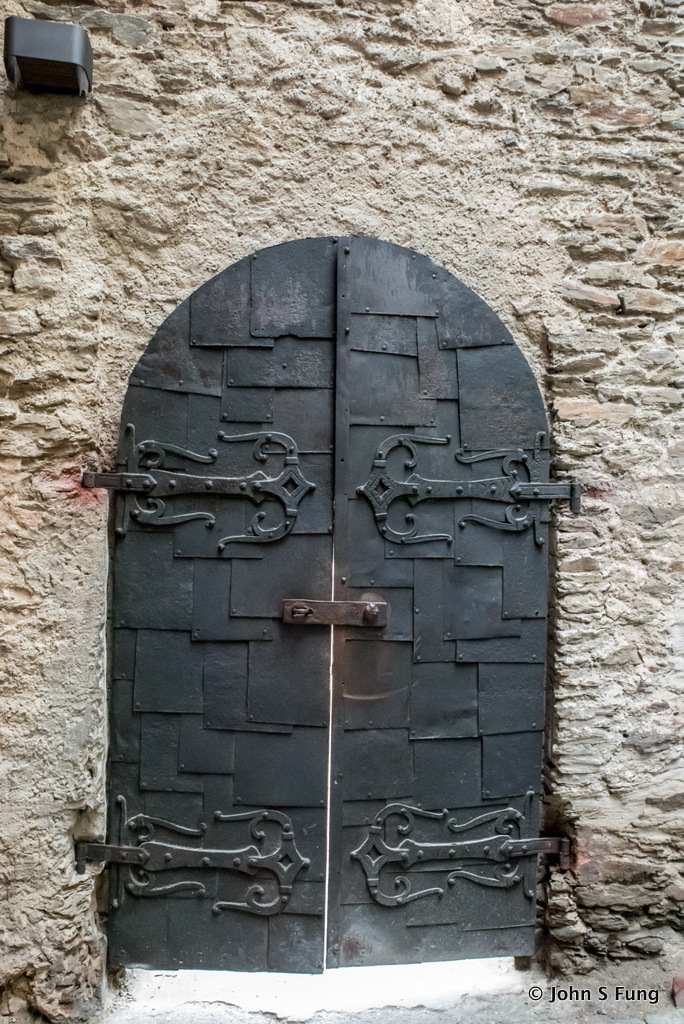
這就是我們進入城堡的大門。The metal-plated door to the inside of the castle.
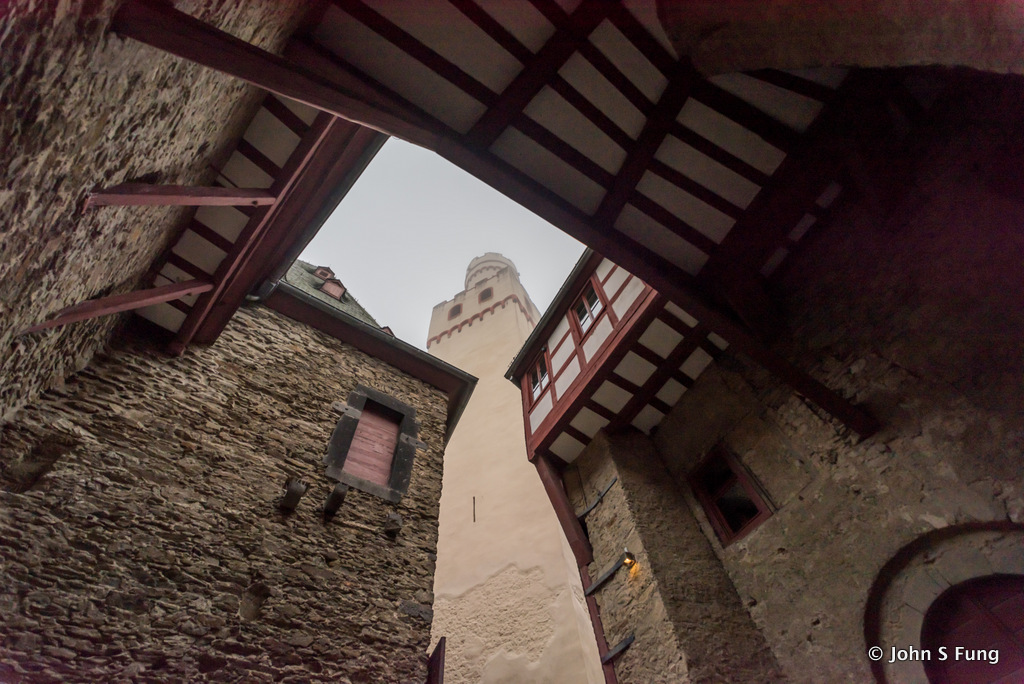
After climbing a wooden staircase, we reached the center of the castle: the courtyard with the impressive central tower.
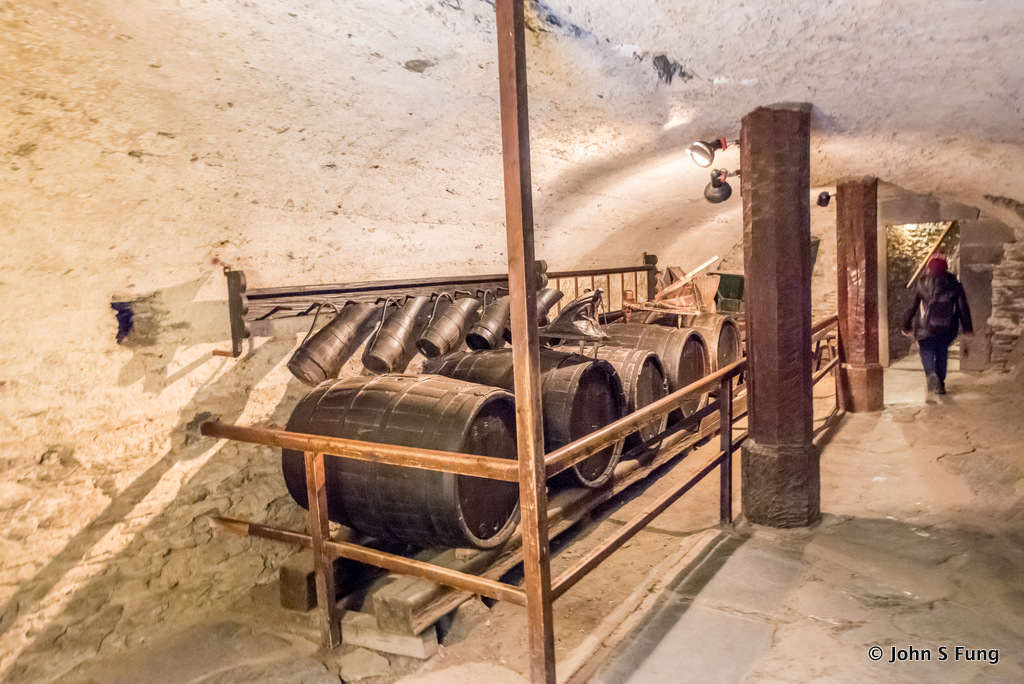
首先經過走廊旁的酒窖。The wine cellar with its 17th century interior.
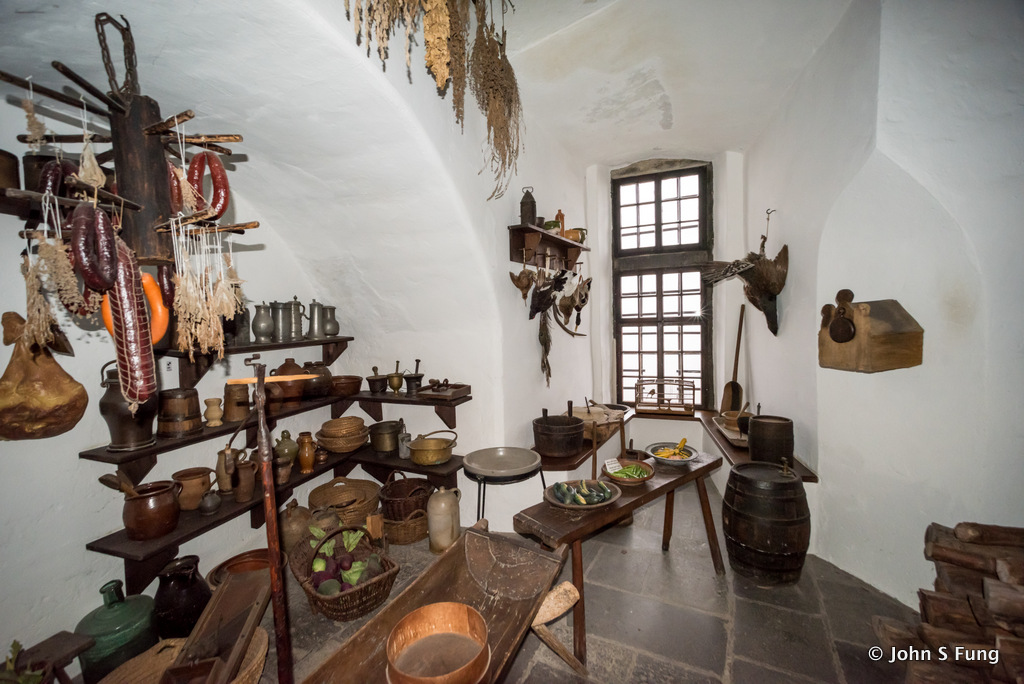
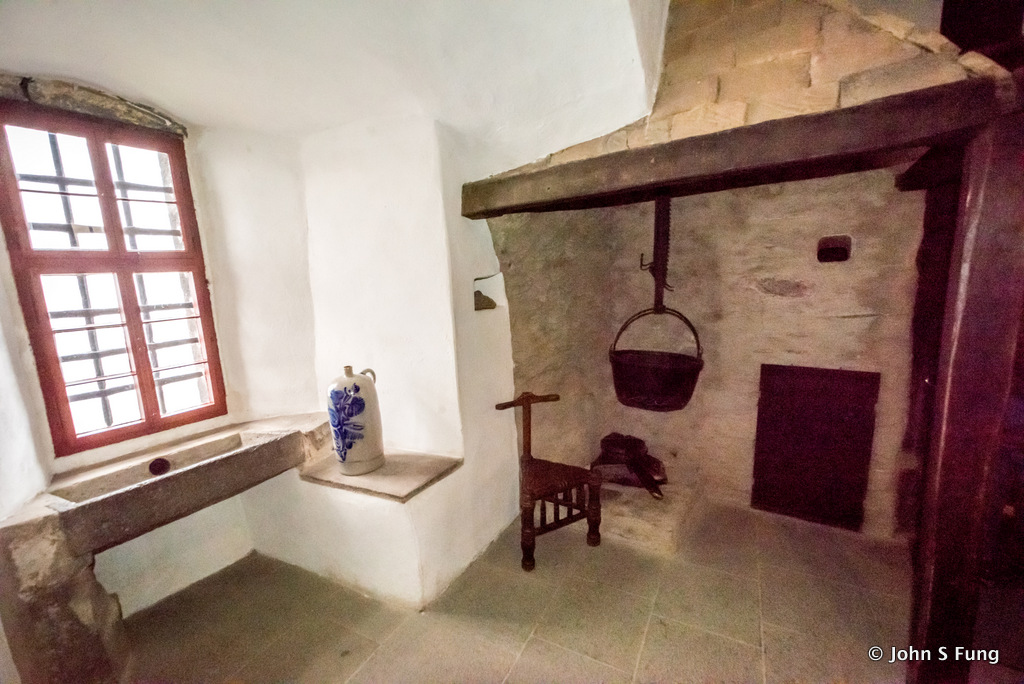
The Kitchen – On the ground floor of the building is the castle kitchen which was built in 1435. This kitchen is big, takes up the whole ground floor, with a huge cooking area and equipped with a chimney. The well preserved old utensils and vessels give an idea to visitors as how food was prepared in medieval time.
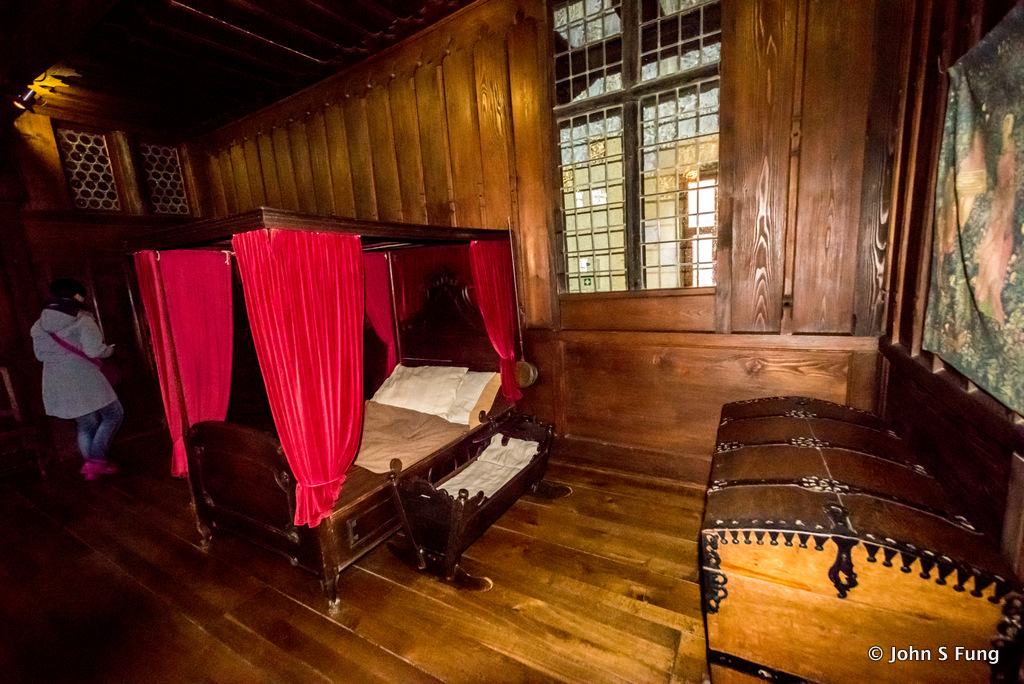
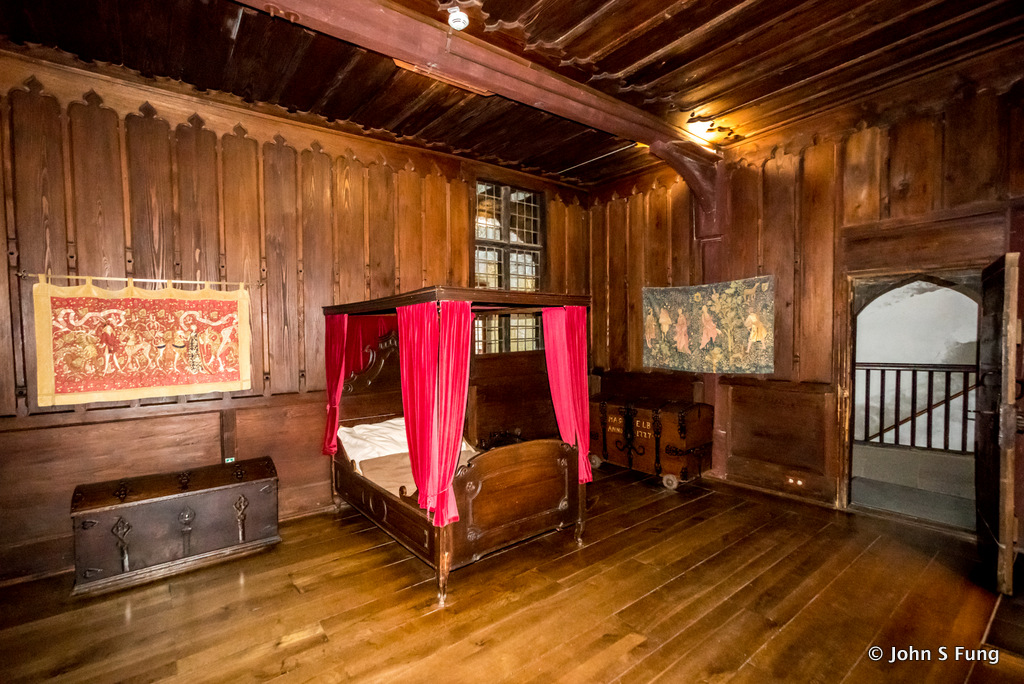
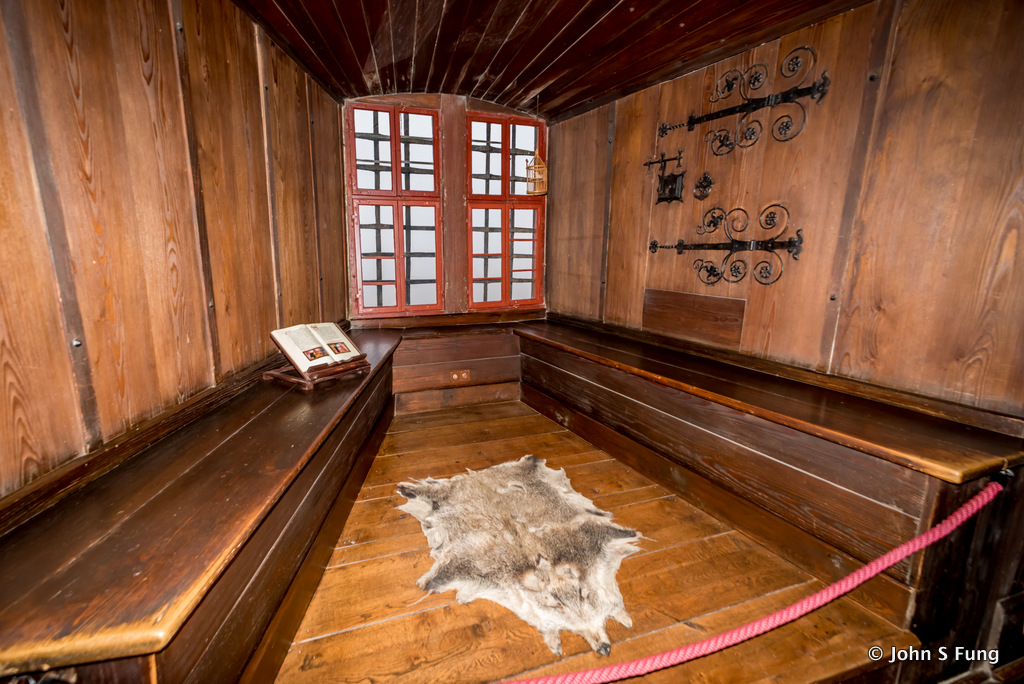
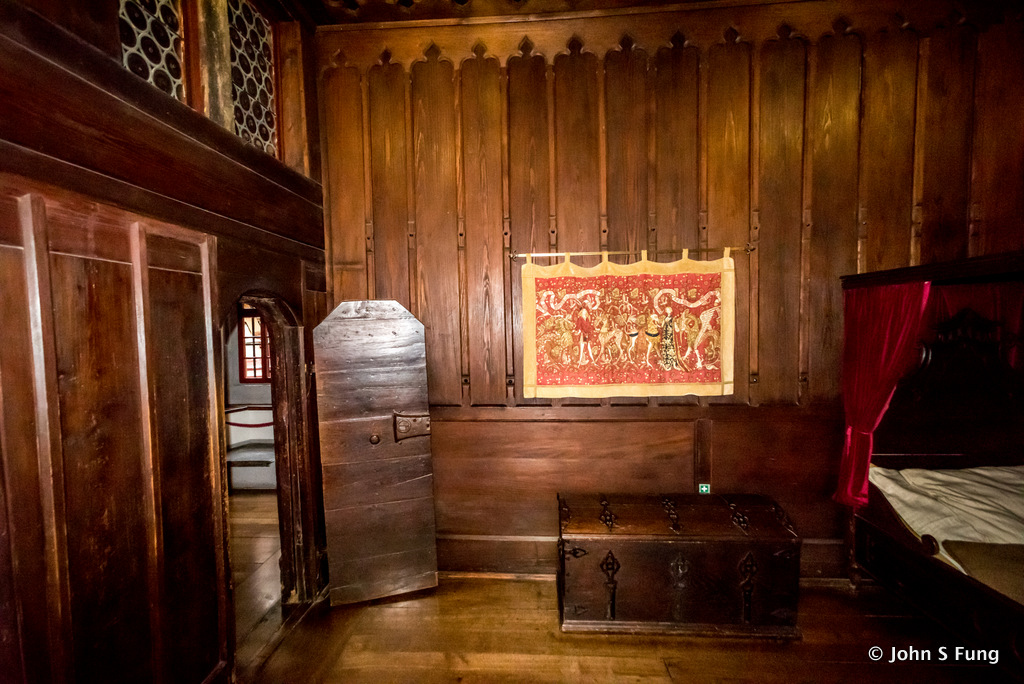
Bed Chamber – The first room on the second floor (above the kitchen ) is the noble family’s bedchamber, furnished with wood panelling, a canopied four poster bed, a cradle and a seating and reading area in the window niche.
古堡採光不易,所以睡房窗前僻作坐臥處。 The reading/sitting area near the windows.
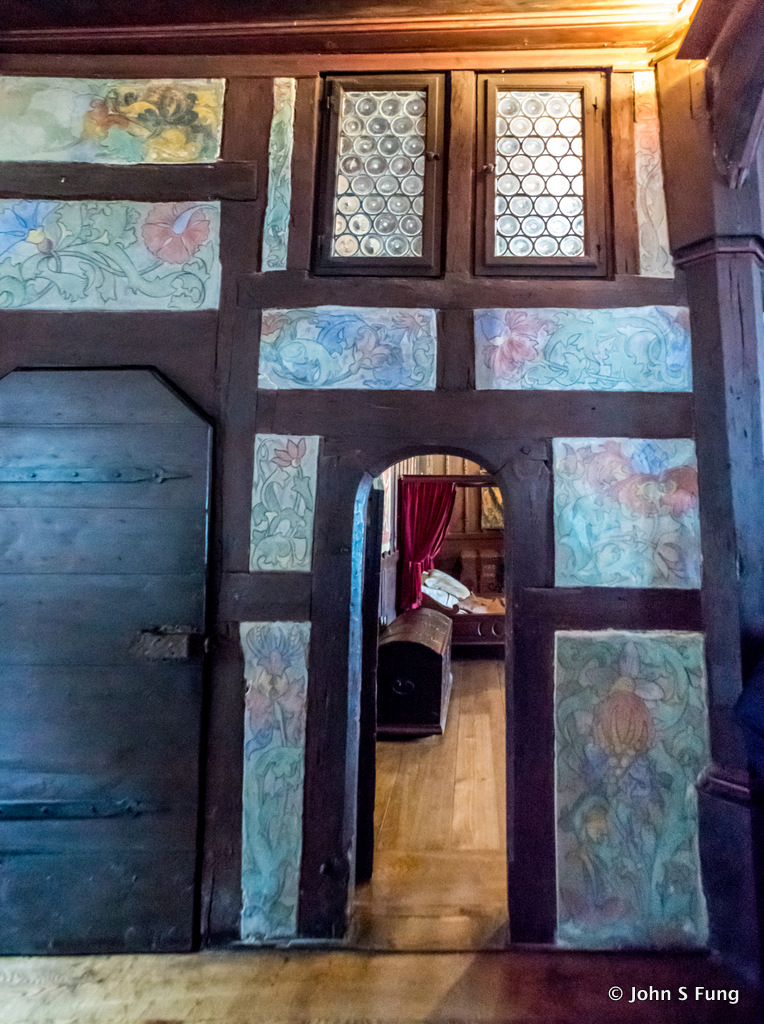
Decorative medieval painting on the wall. The door on the left appears to be a passage used by servants to bring cooked food from first floor to the Great Hall (or living/dinning room).
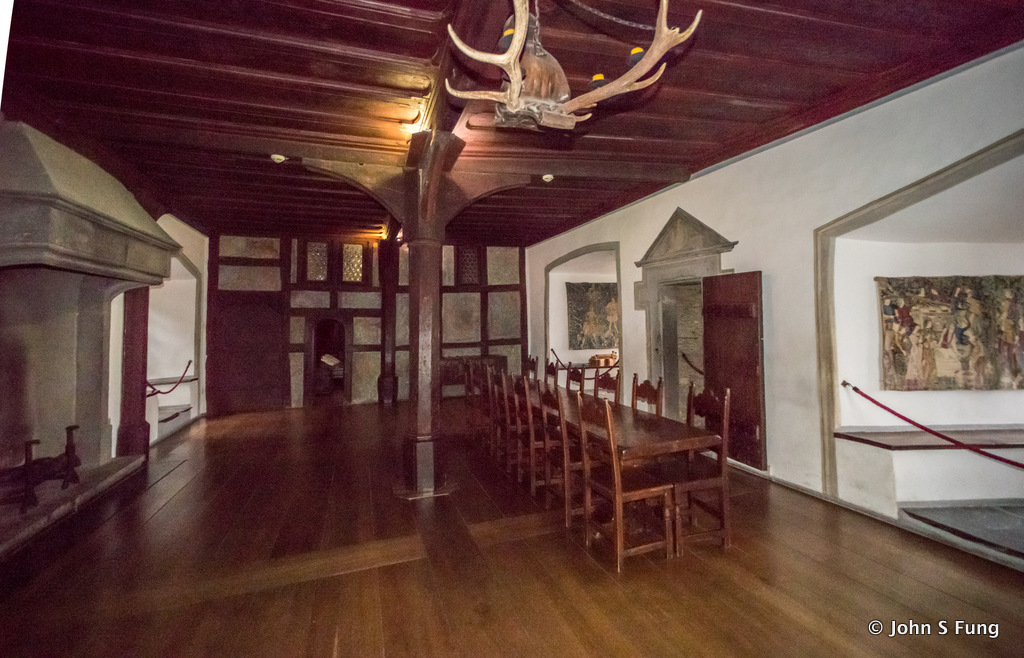
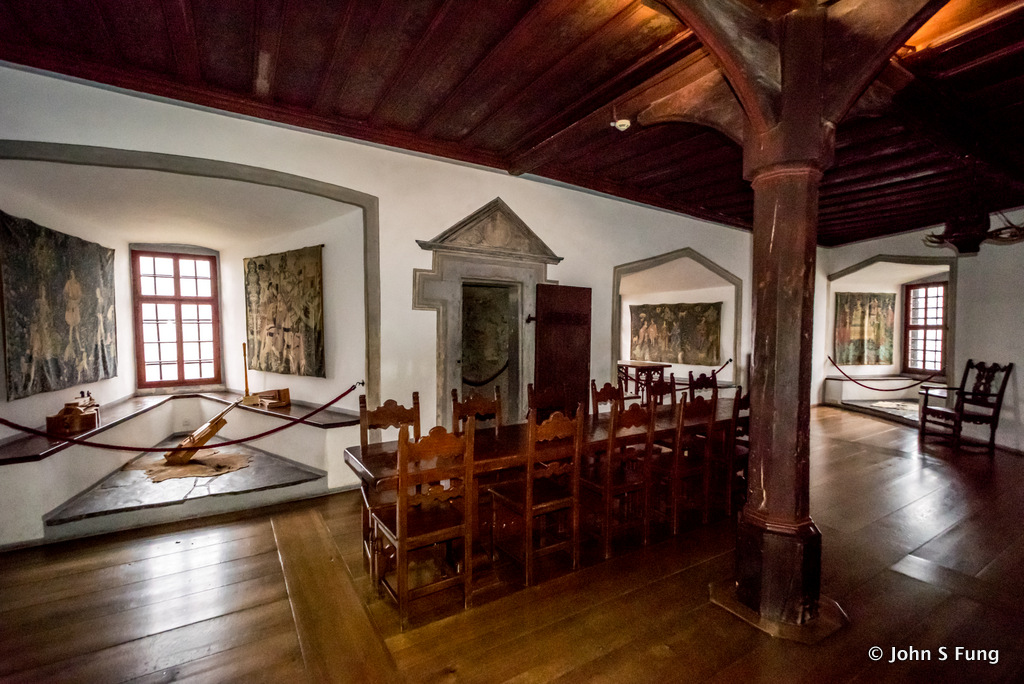
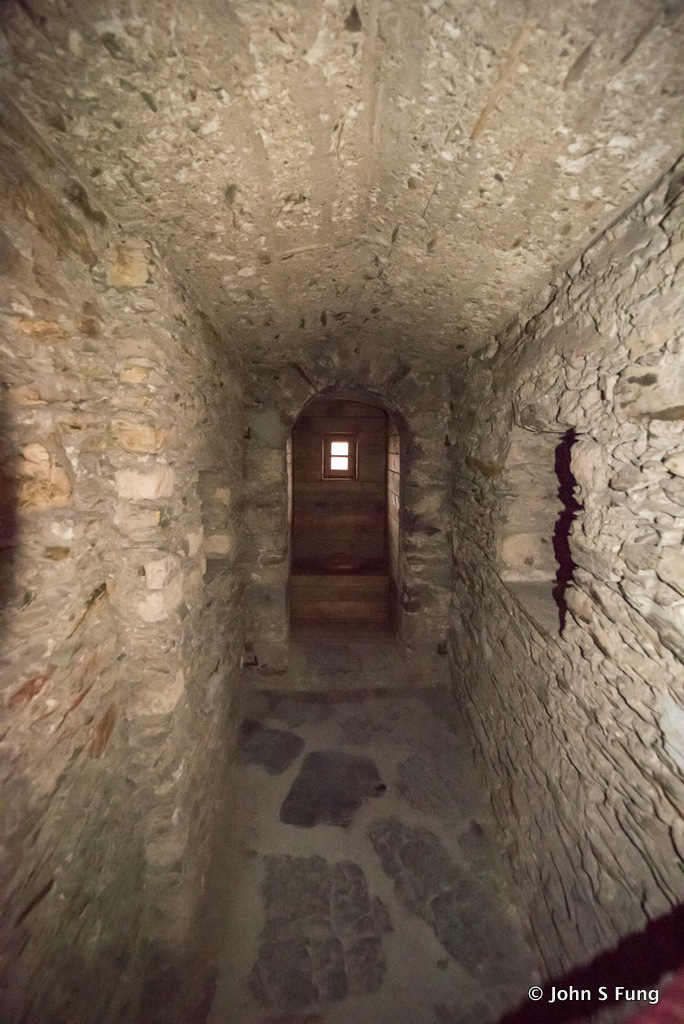
Knight’s hall – The adjoining room to the Bed Chamber is the impressive Great Hall, the center of courtly life in the castle. This is the living room and main dining hall of the castle. This is the place where the master and his family eat, read, play music instrument, entertain guests. As shown in the photo above, the door in the middle leads to a small passage through the outer wall which is a medieval toilet.
厠所,有點奇怪牆壁如此素淨。 At the end of this small passage, there is a medieval toilet.
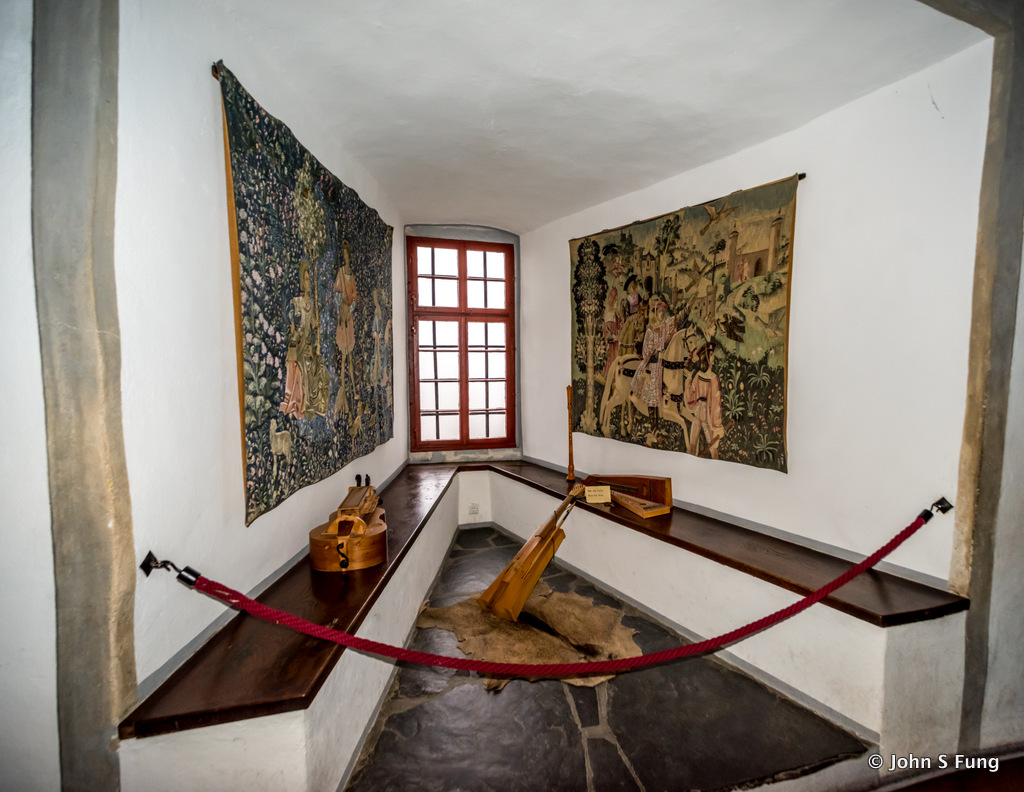
其中一個窗旁坐臥處。這裡也是招呼客人的地方。One of the sitting areas in the Knight’s Hall.
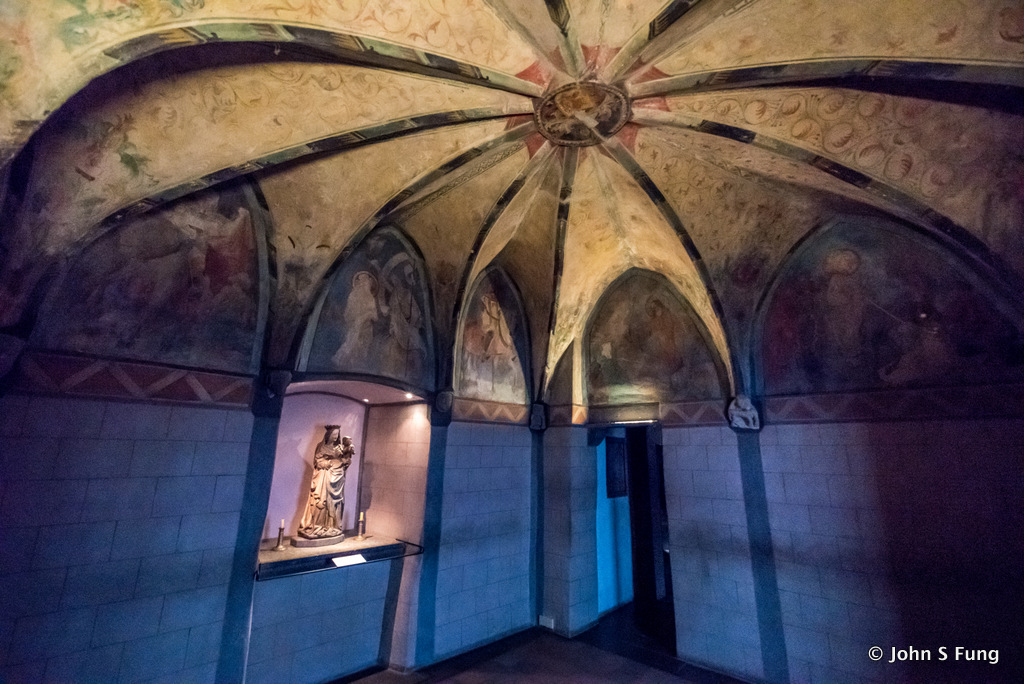
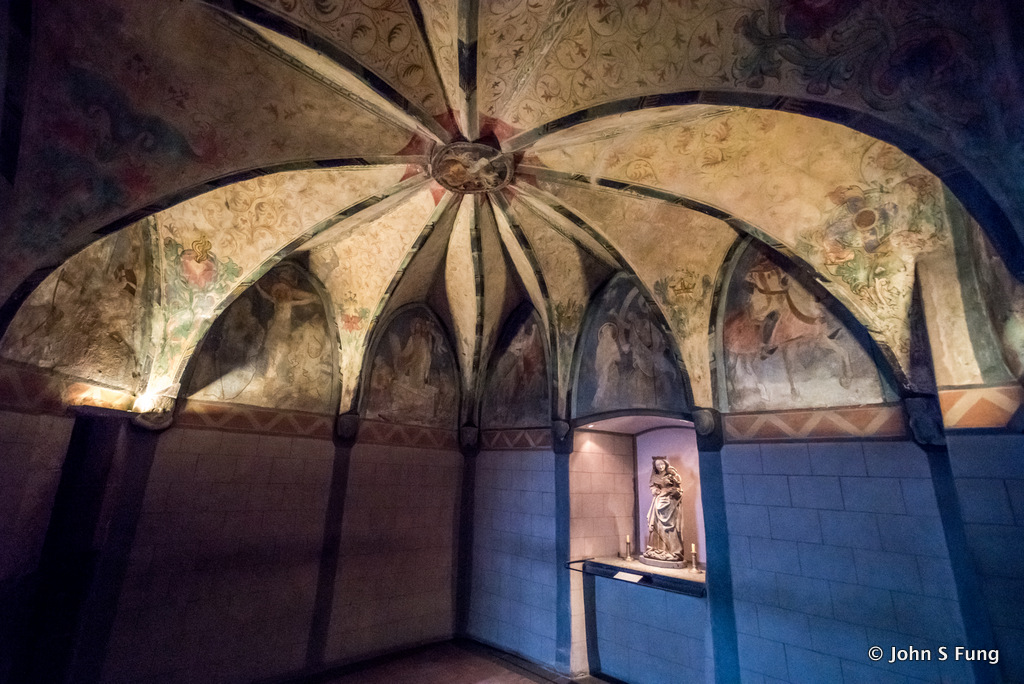
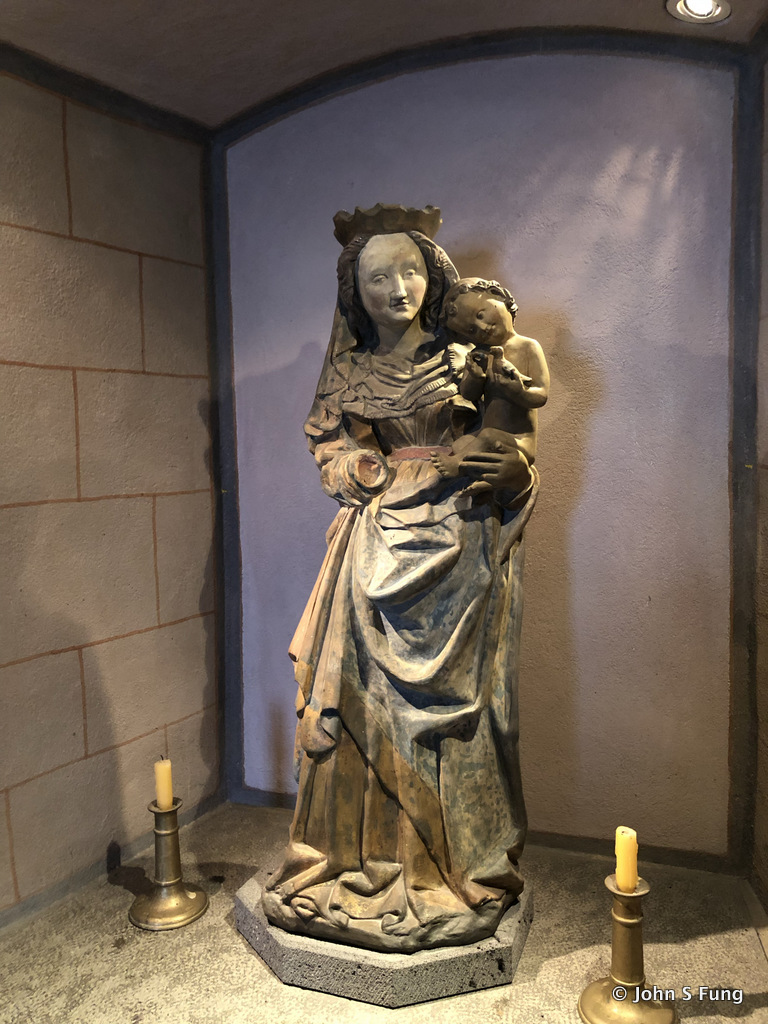
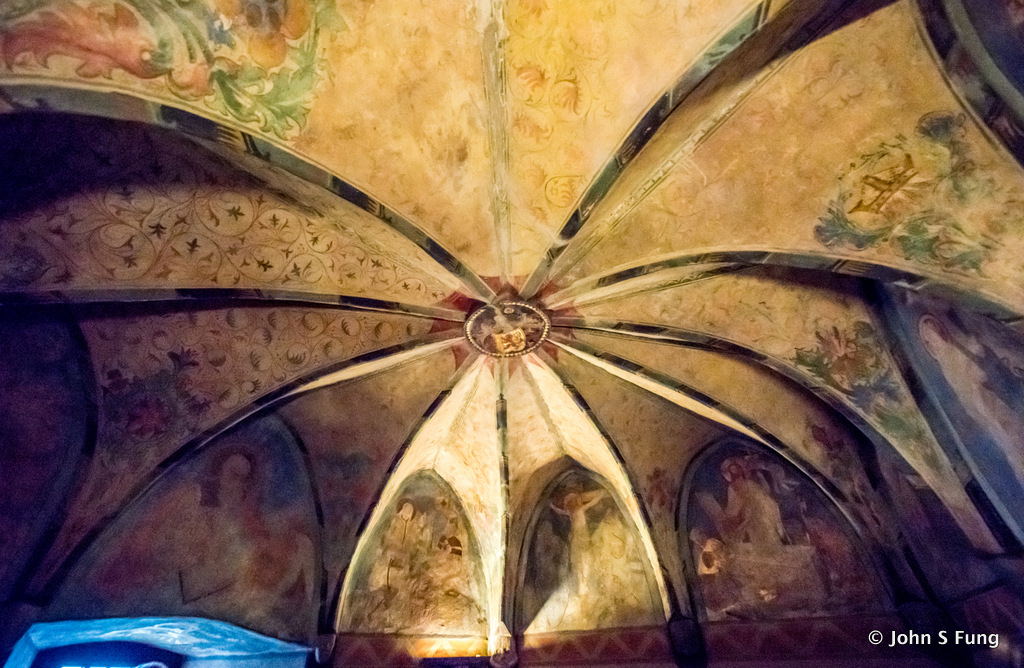
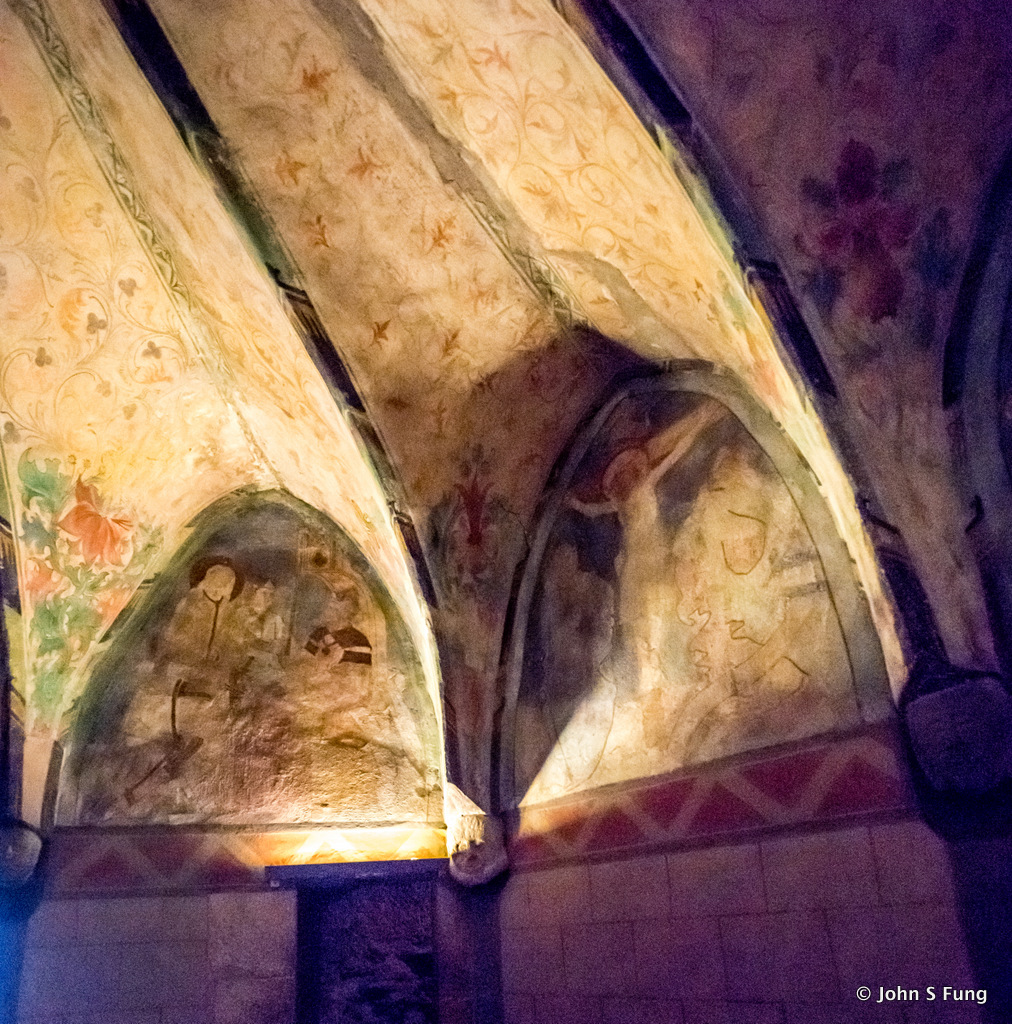
The 14th century chapel is next to Knight’s hall, it is elaborately painted with a ten-part late Gothic rib vault ceiling. A copy of a 15th century Rhenish Virgin Mary statue takes center stage in the niche.
神龕內供有聖母像(15世紀萊恩河風格的複製品)。
A copy of a 15th century Rhenish Virgin Mary
一條在建在牆內的樓梯帶我們離開禮拜堂,經過神父/修士的書房而回到當初進入主棟的位置。
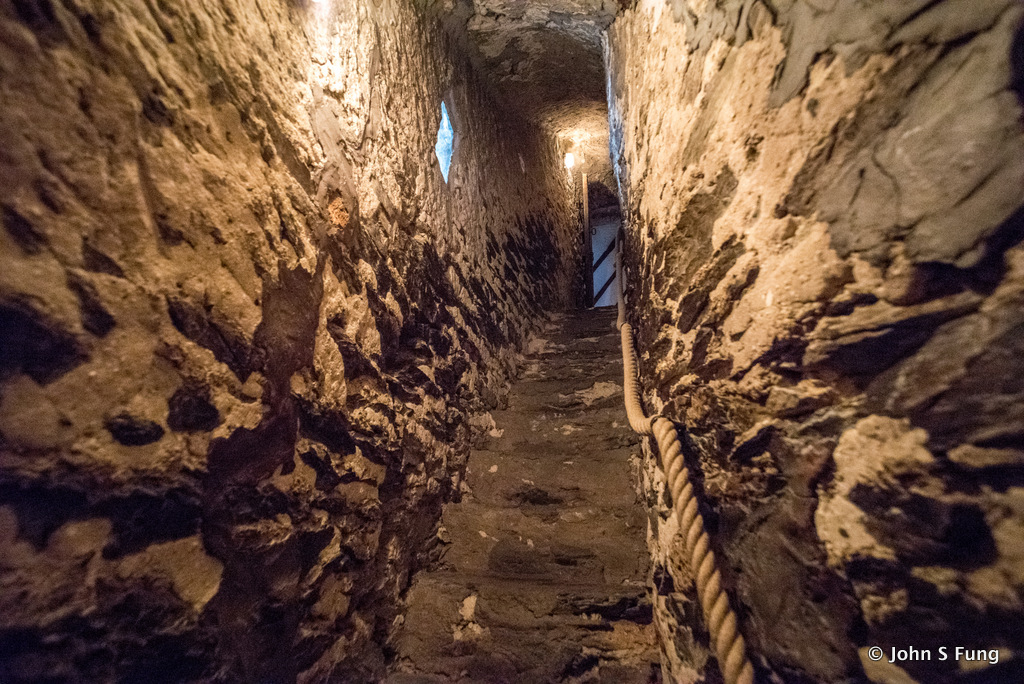
A narrow staircase, built into the wall passing the chaplain’s study, leads to the next floor and reached the entrance where we stepped in the main building.
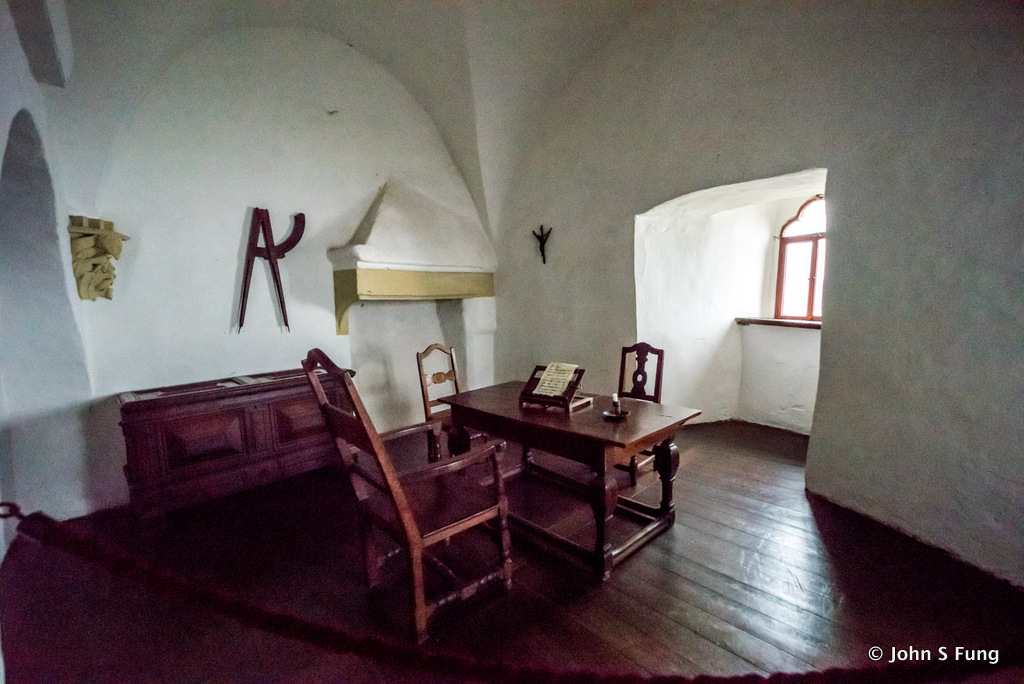
禮拜堂神父/修士的書房。The chaplain’s study (Kaplansstube?).
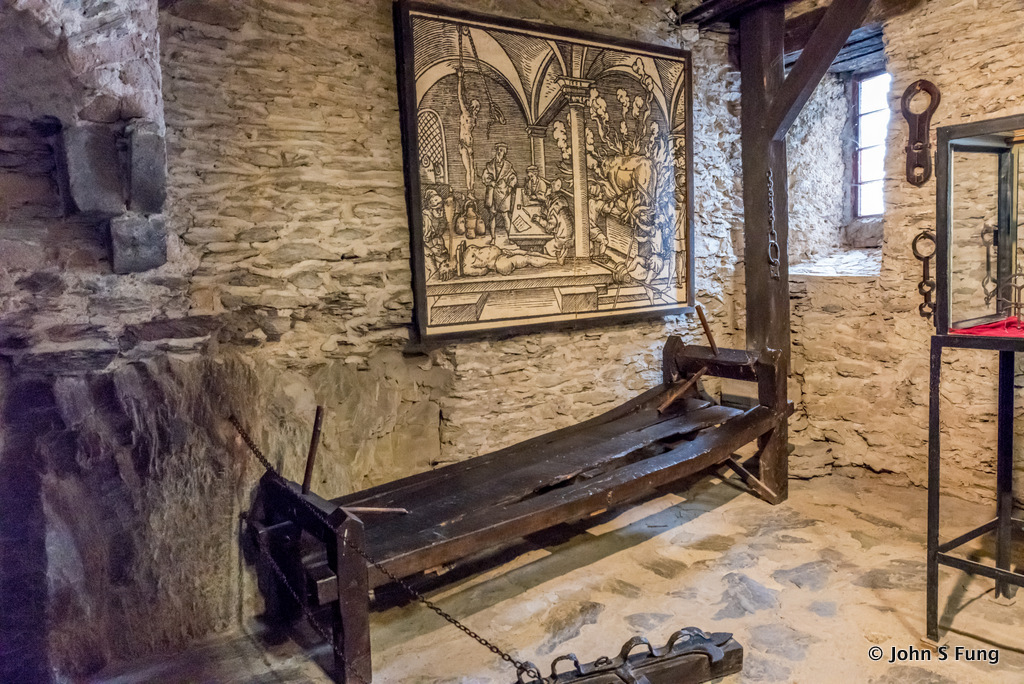
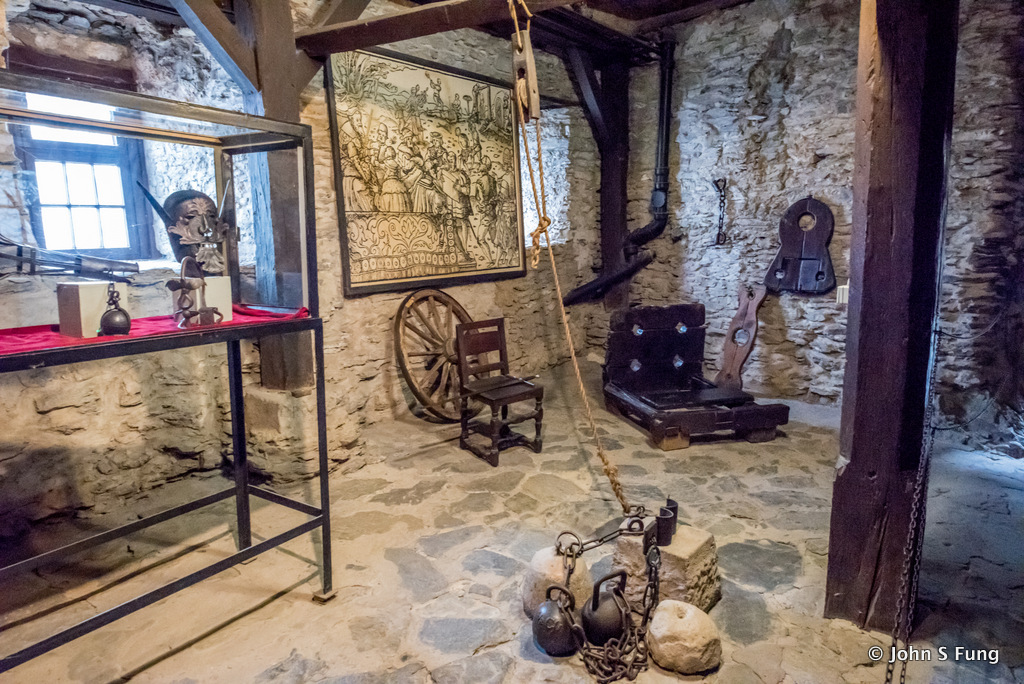
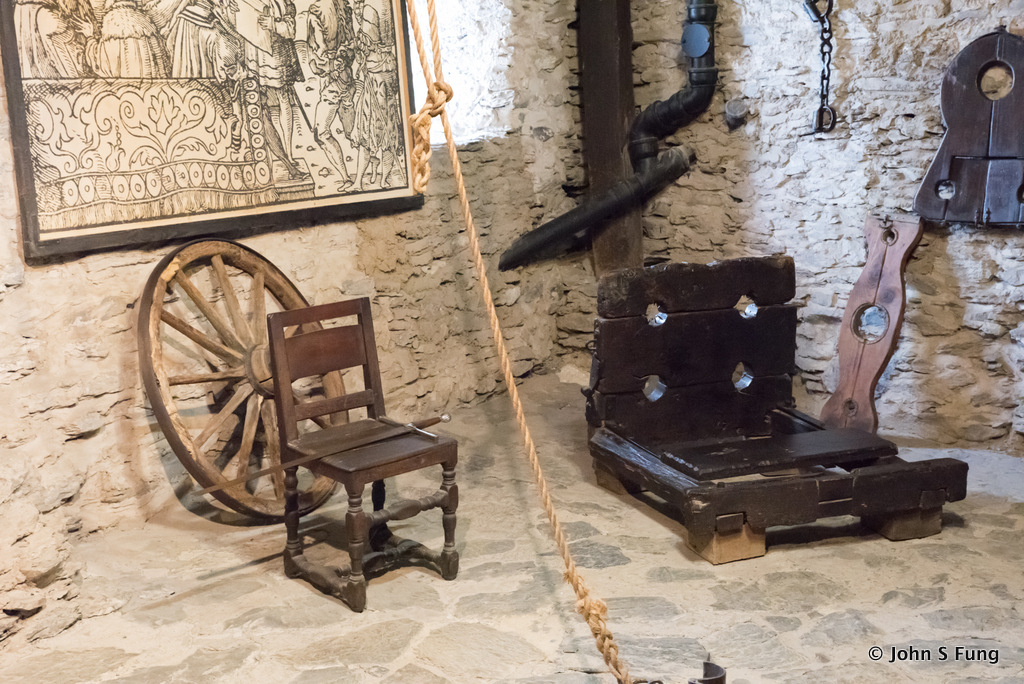
主棟入口處旁,院子那一層,是以前的馬廐,現在改為「烤問」展覽室,展出各種中古時使用之烤問工具。
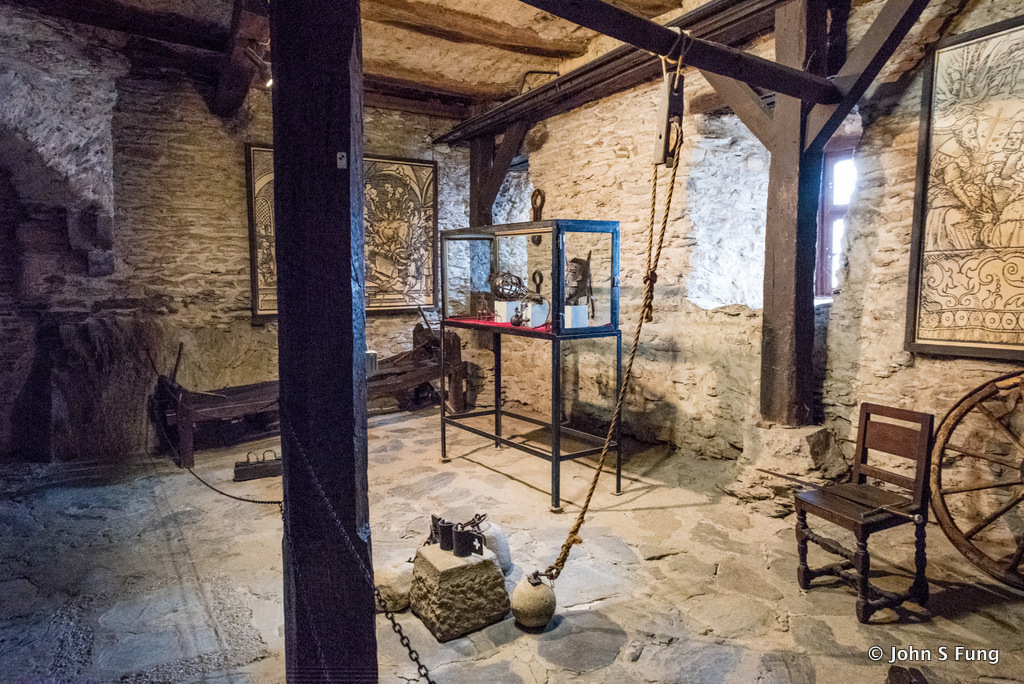
Former Stables, now used as Torture Exhibition – The oldest part of the castle, the basement of the Romanesque Palas (a palas is prestigious building of a medieval Pfalz or castle that contained the great hall), is now an exhibition hall for torture and punishment in the Medieval age.
參觀完「烤問室」,我們轉入展覽廳,這裡展出重修古堡時的考古發現。
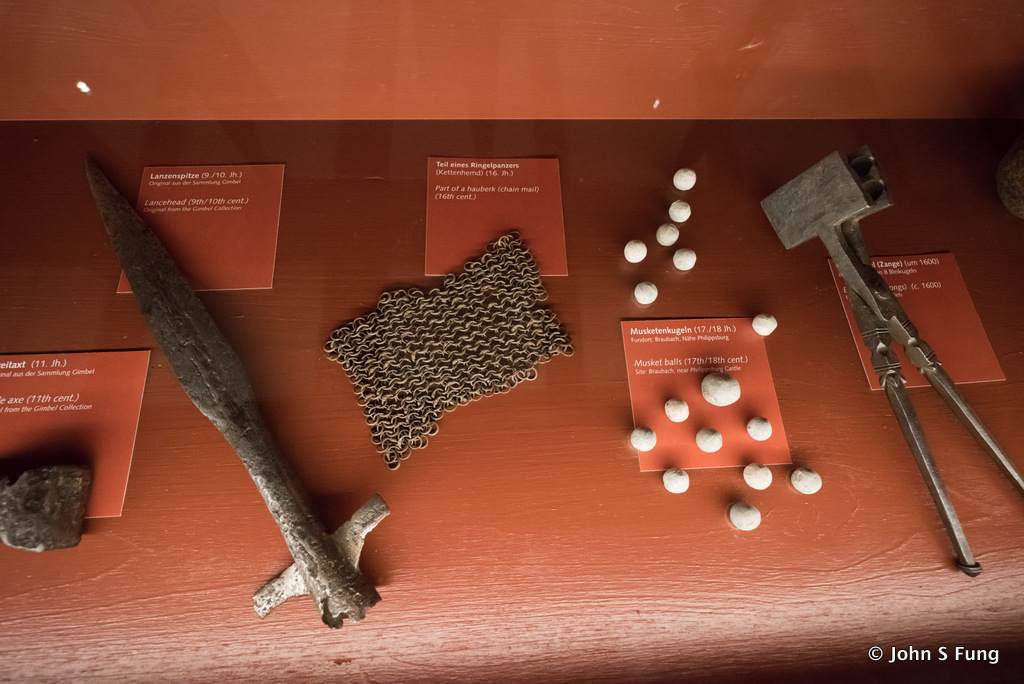
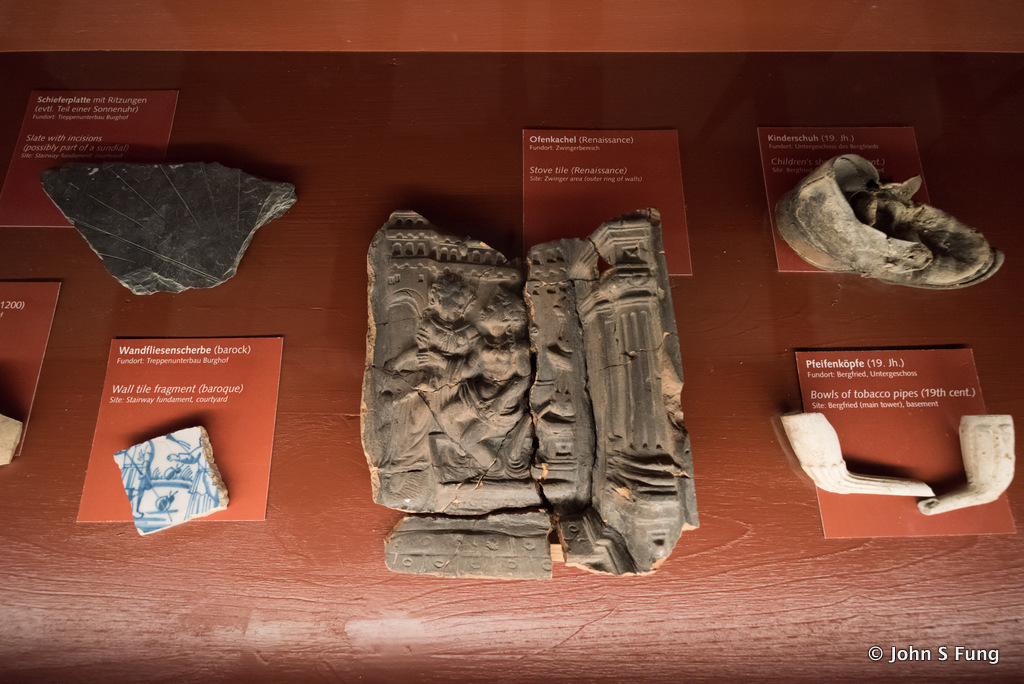
Recovery from excavation work carried out in and around the castle grounds – coins, glass, arrow heads, dice – are on display in a glass cabinet.
隔壁展廰展出各式武器,以戟為多。
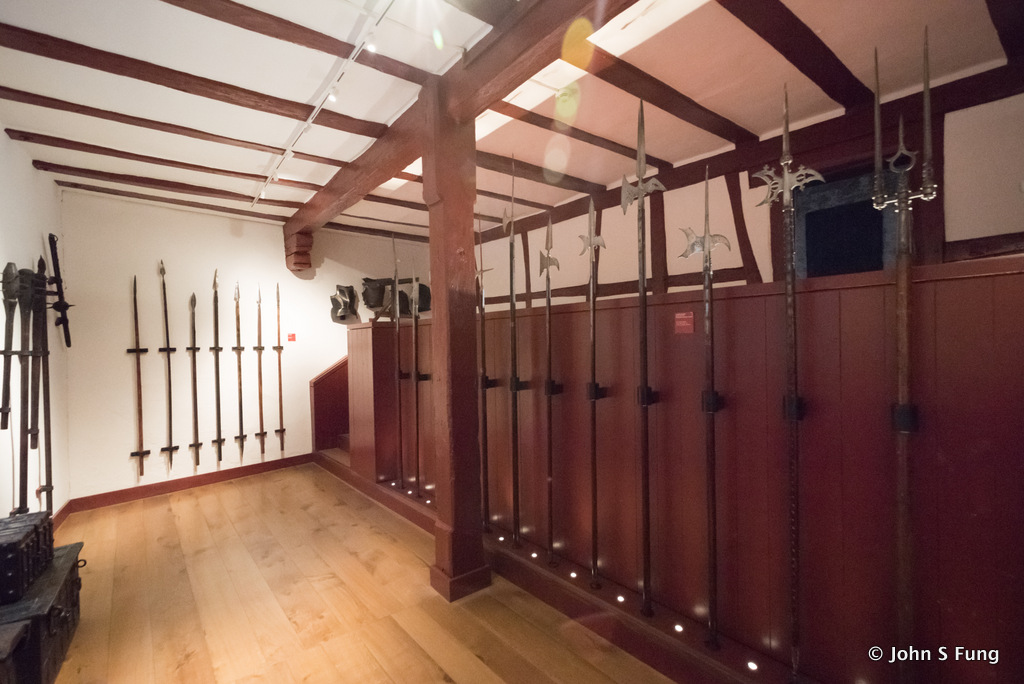
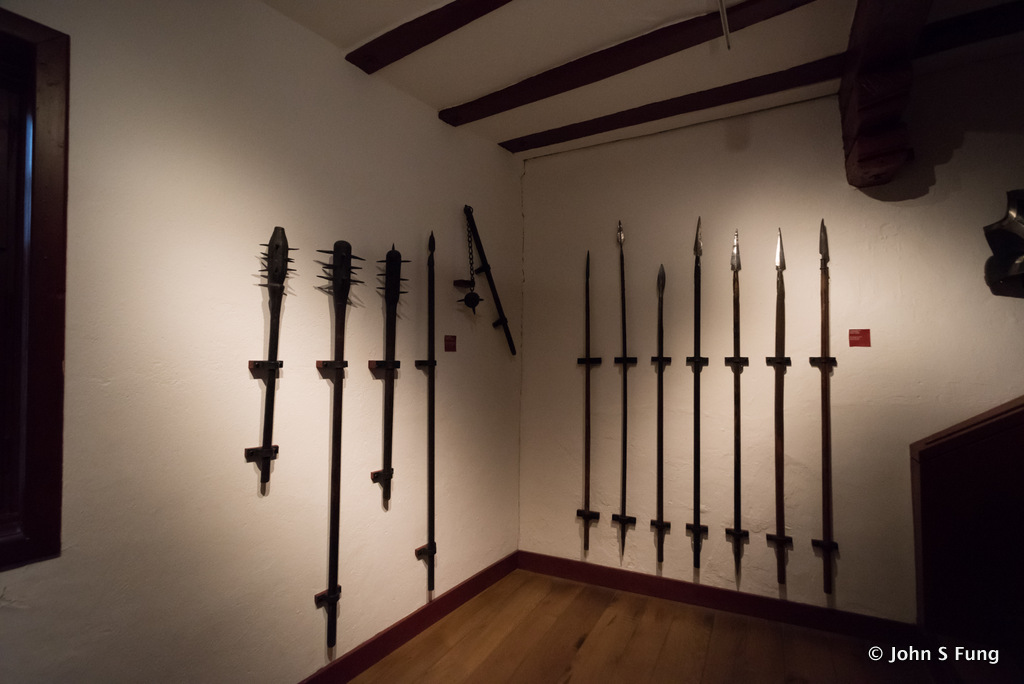
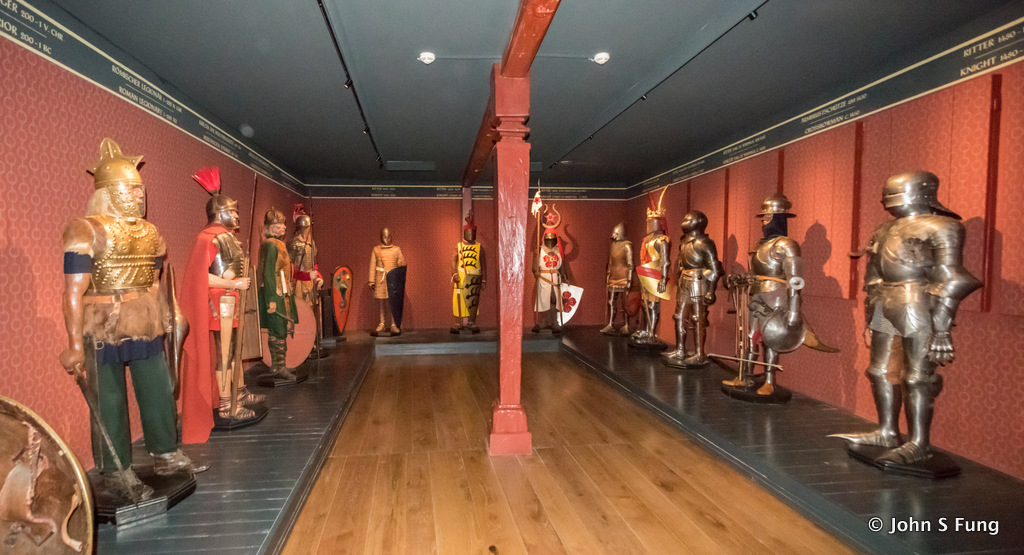
Various pieces of armor and weapons are displayed on the walls.
最後一個展㕔,展出十九世紀以來的武士甲胄,包括古物和複製品。
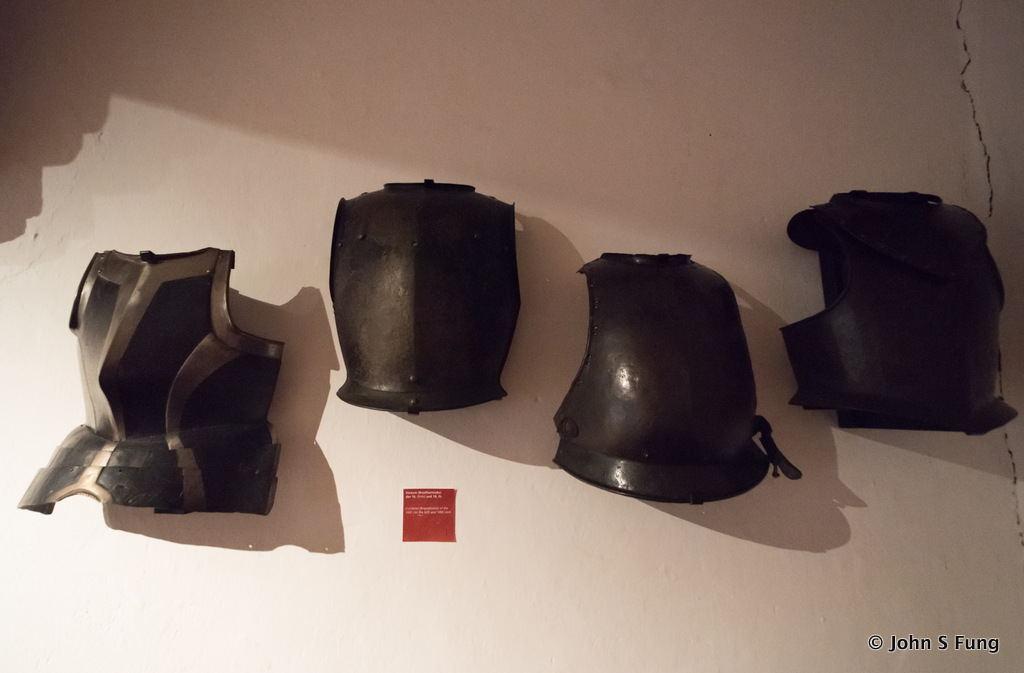
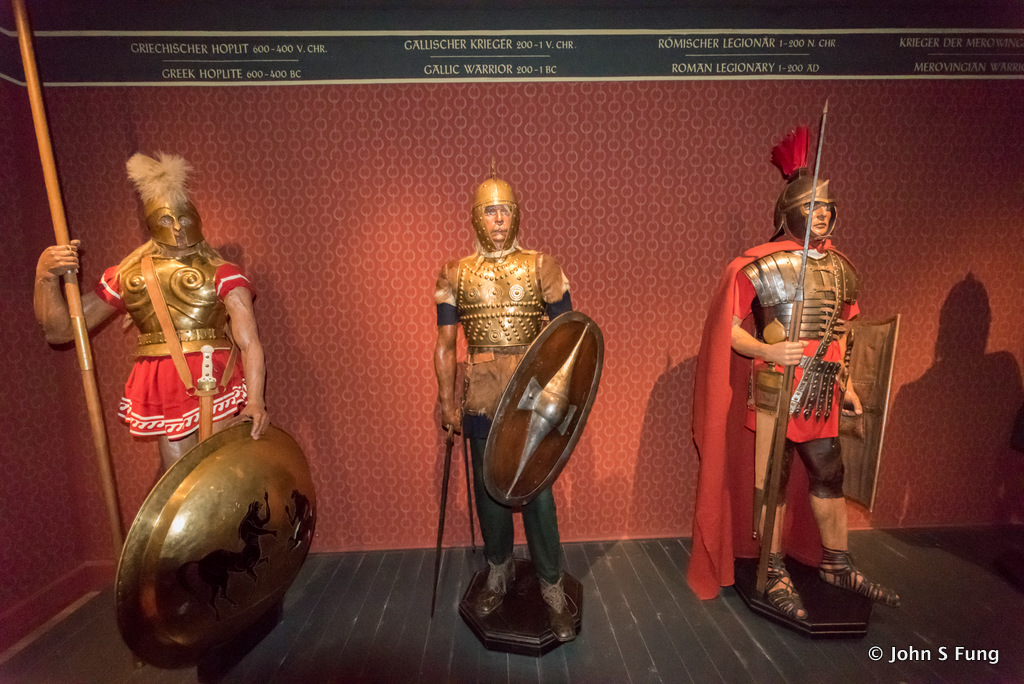
Armory – the “Gimbel Collection”, a display of twelve life-sized figurines from 1880 which demonstrates the changes made to armor and weaponry from ancient to early modern times. The armor on display consists of extremely detailed replicas as well as original pieces.
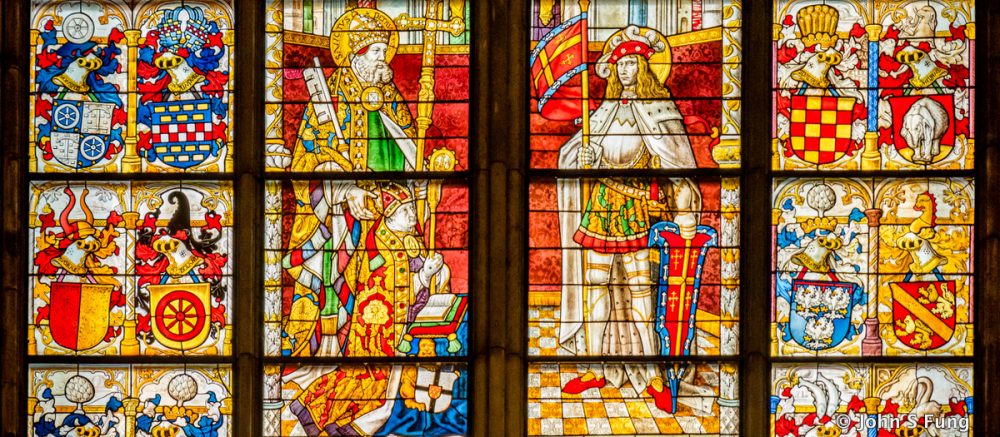
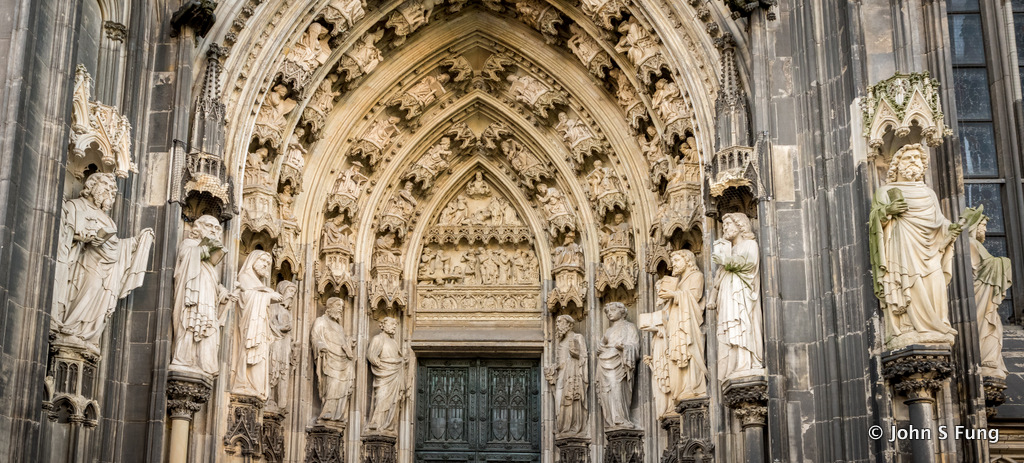
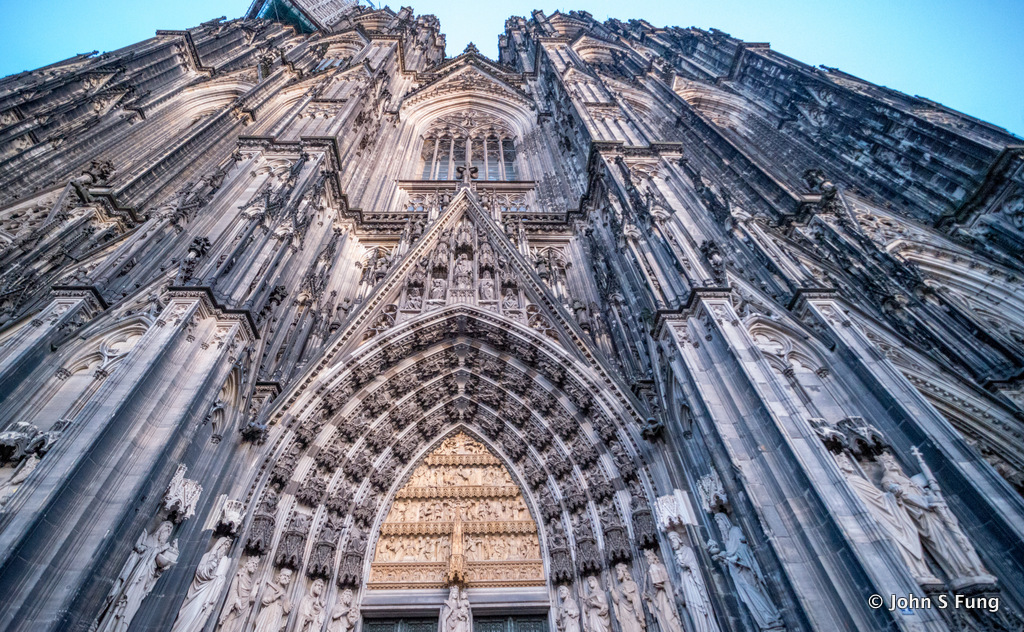
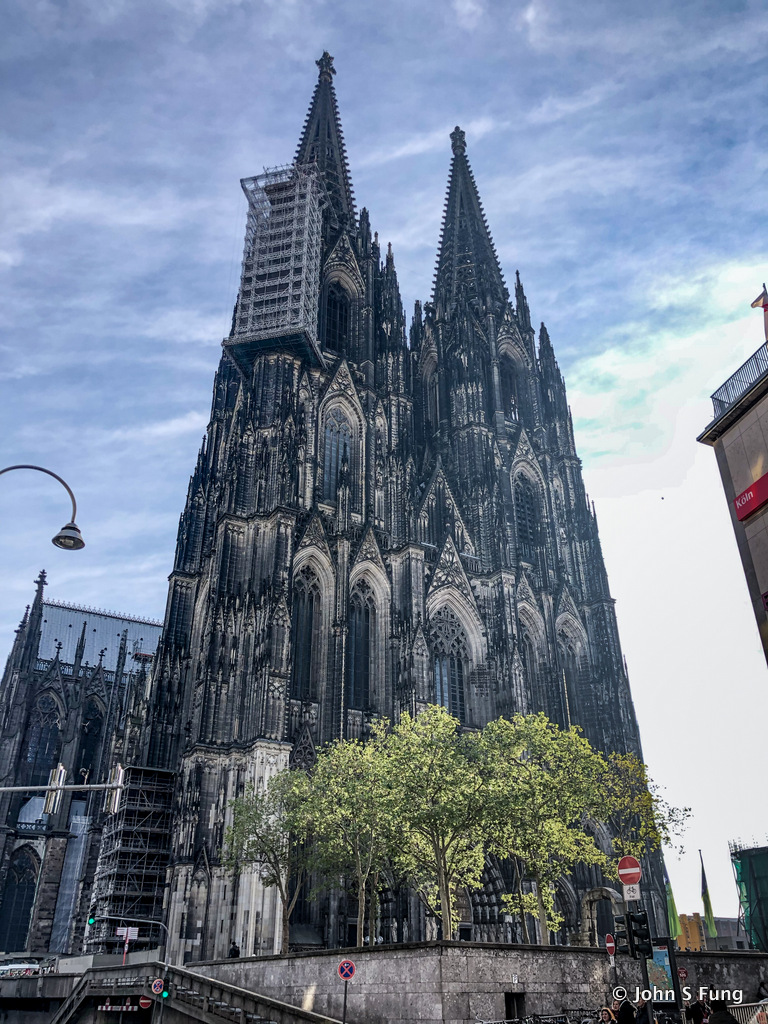
聖彼得門 – 科隆大教堂的十二座門中,以聖彼得門最有代表性,因為它至少部分是中古時代(1370-2380)的遺跡,而其他的門都是以它為範本在十九世紀建造的。Peter portal. The Petersportal is the only one of the twelve portals of the cathedral that was at least partially completed in the Middle Ages (1370-1380). The other portals were designed according to his model in the 19th century.
維基百科 – 科隆主教座堂(Kölner Dom,全名Hohe Domkirche St. Peter und Maria),也稱科隆大教堂,位於德國科隆的一座天主教主教座堂,它是科隆市的標誌性建築物。157公尺高的鐘樓使得它成為德國第二(僅次於烏爾姆市的烏爾姆主教座堂)、世界第三高的教堂,另外也是世界上第三大的哥德式教堂(前兩位是塞維亞主教座堂和米蘭主教座堂),它以法國蘭斯主教堂和亞眠主教座堂為範本,是德國第一座完全按照法國哥特盛期樣式建造的教堂。它從13世紀中起建,工程時斷時續,至1880年才由德皇威廉一世宣告完工,耗時超過600年,直到今日仍然修繕工程不斷。
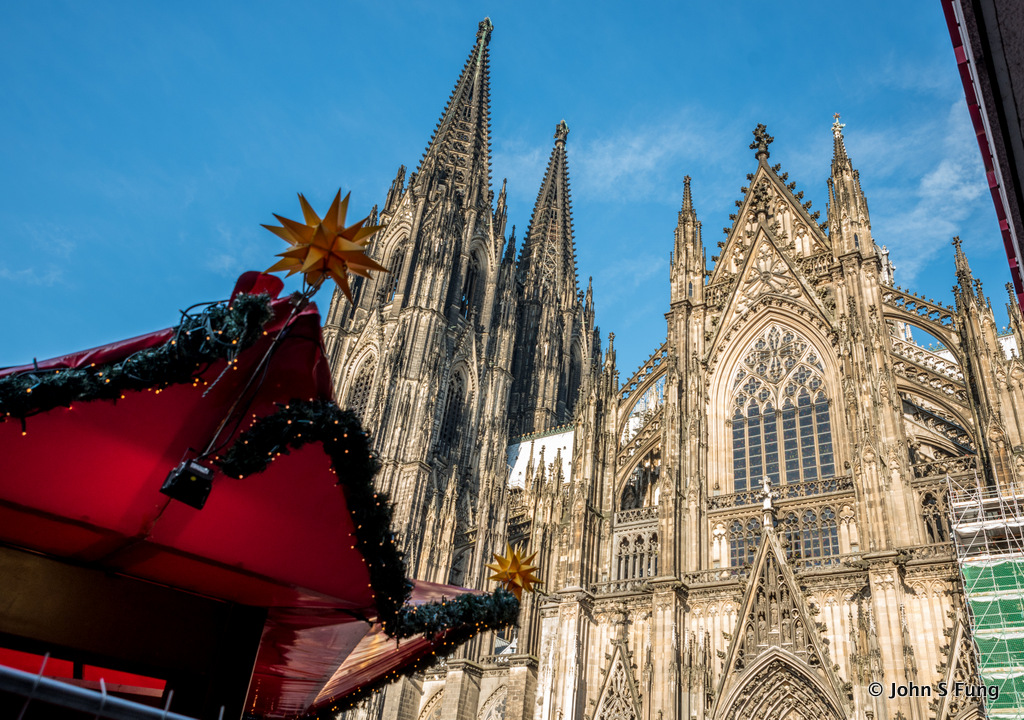
Wikipedia – Cologne Cathedral (German: Kölner Dom, officially Hohe Domkirche Sankt Petrus, English: Cathedral Church of Saint Peter) is a Catholic cathedral in Cologne, North Rhine-Westphalia, Germany. It is the seat of the Archbishop of Cologne and of the administration of the Archdiocese of Cologne. It is a renowned monument of German Catholicism and Gothic architecture and was declared a World Heritage Site in 1996. It is Germany’s most visited landmark, attracting an average of 20,000 people a day. At 157 m (515 ft), the cathedral is currently the tallest twin-spired church in the world, the second tallest church in Europe after Ulm Minster, and the third tallest church in the world.
It is the largest Gothic church in Northern Europe and has the second-tallest spires. The towers for its two huge spires give the cathedral the largest façade of any church in the world. The choir has the largest height to width ratio, 3.6:1, of any medieval church.
Construction of Cologne Cathedral began in 1248 but was halted in 1473, unfinished. Work did not restart until the 1840s, and the edifice was completed to its original Medieval plan in 1880.
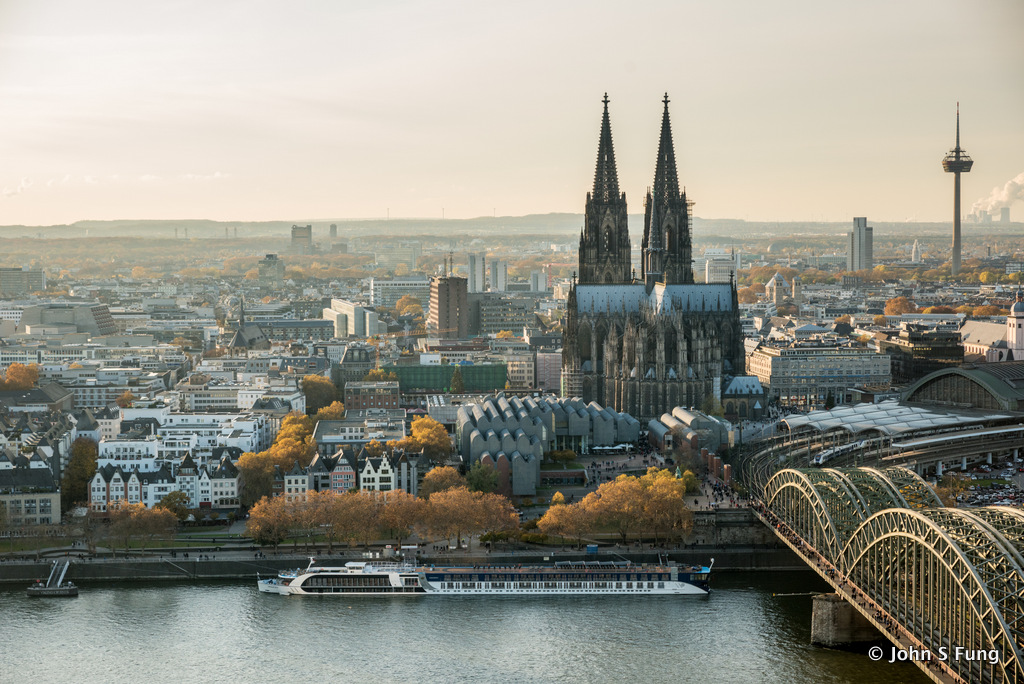
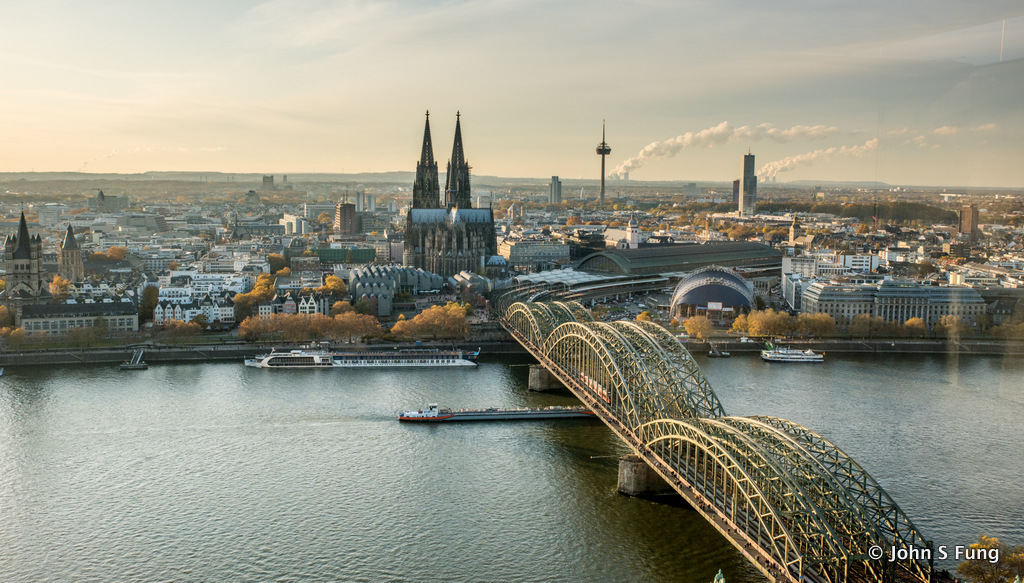
從萊恩河東岸的科隆三角大廈頂樓瞭望台望向科隆大教堂。
Cologne Cathedral, as seen from the observation deck of Cologne Triangle.
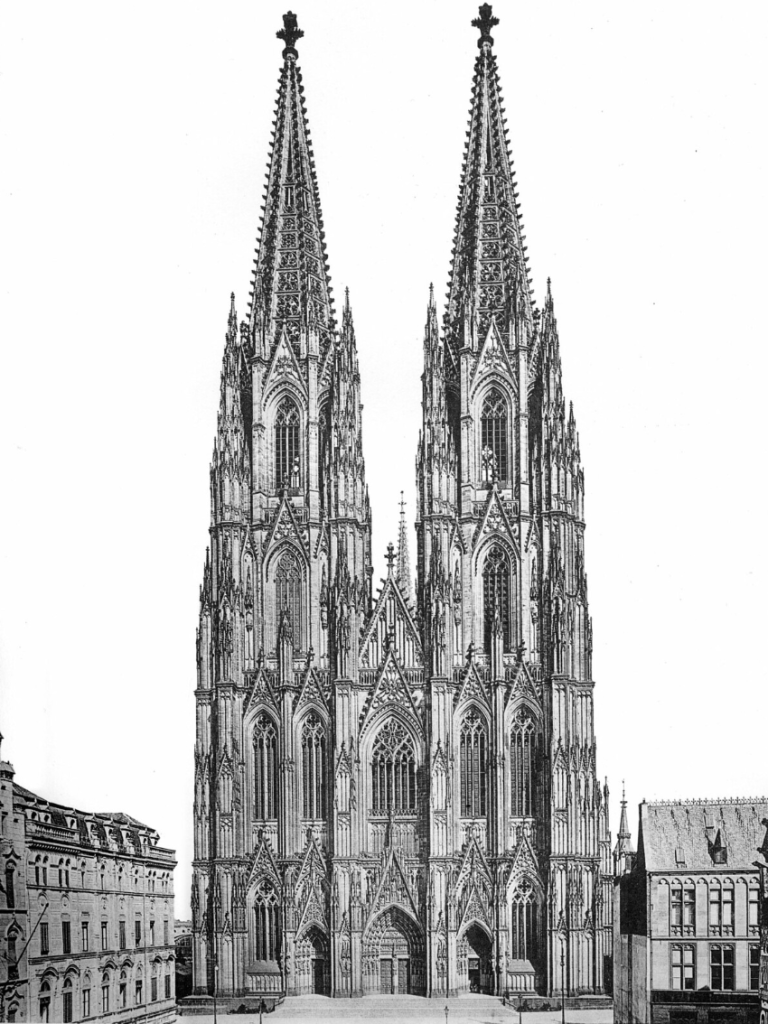
受時、地所限,未能拍得好的大教堂正門立面圖,只能借用網上此照,1911年Hasak。The west facade of Cologne Cathedral. This picture was taken by Max Hasak in 1911.
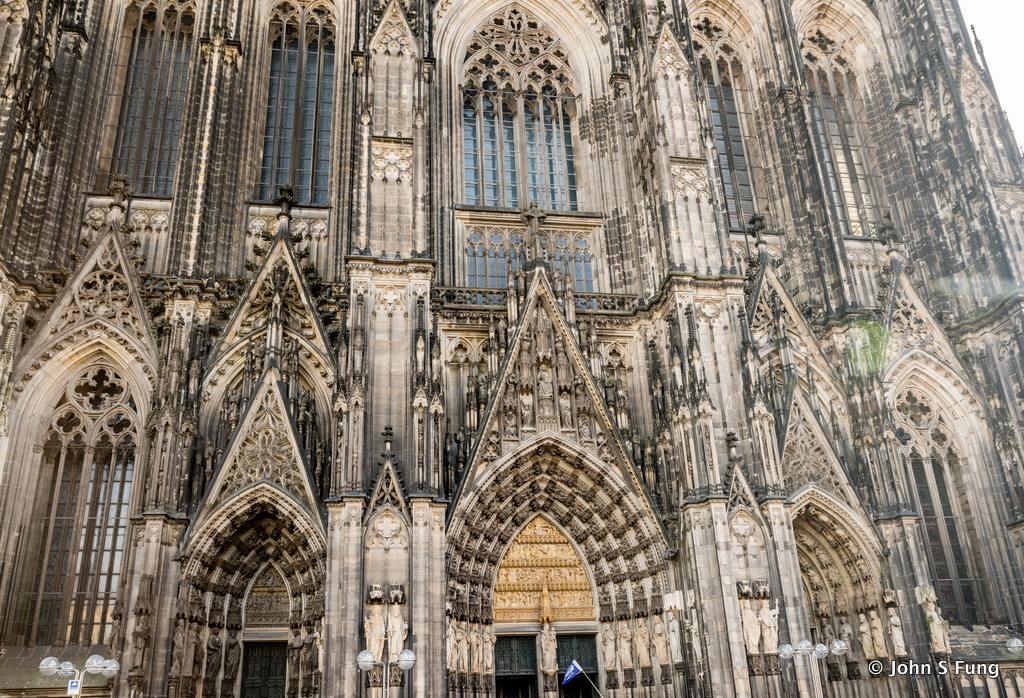
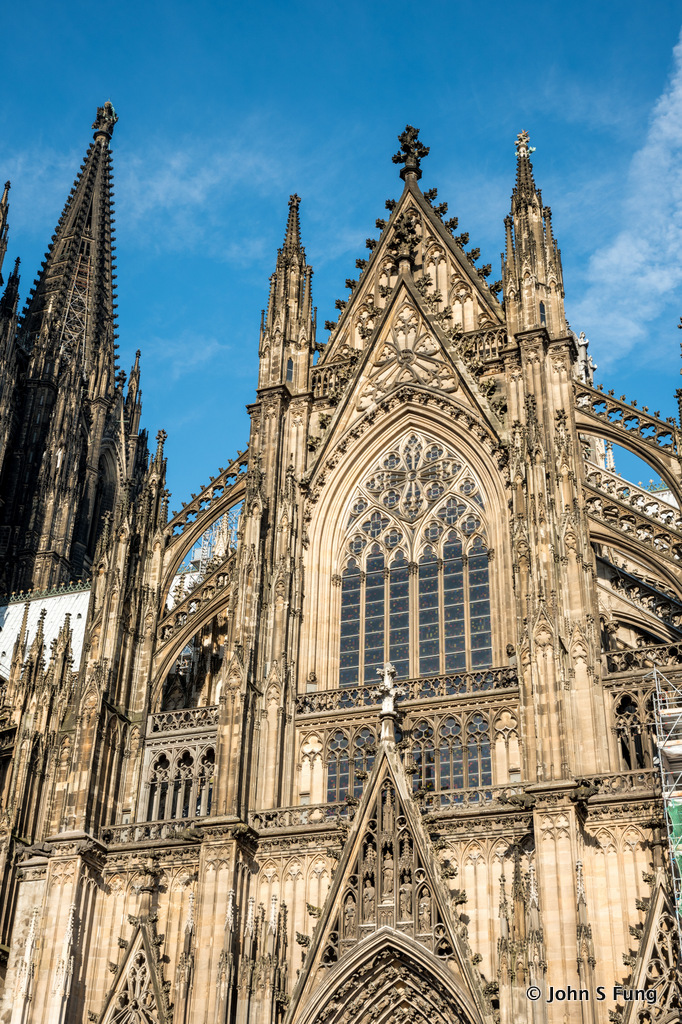
The flying buttress is visible from the south facade of Cologne Cathedral. The flying buttress outside the church is one of Gothic architecture’s most prominent features. It allows the weight of the roof to be counterbalanced, enabling greater height for windows.
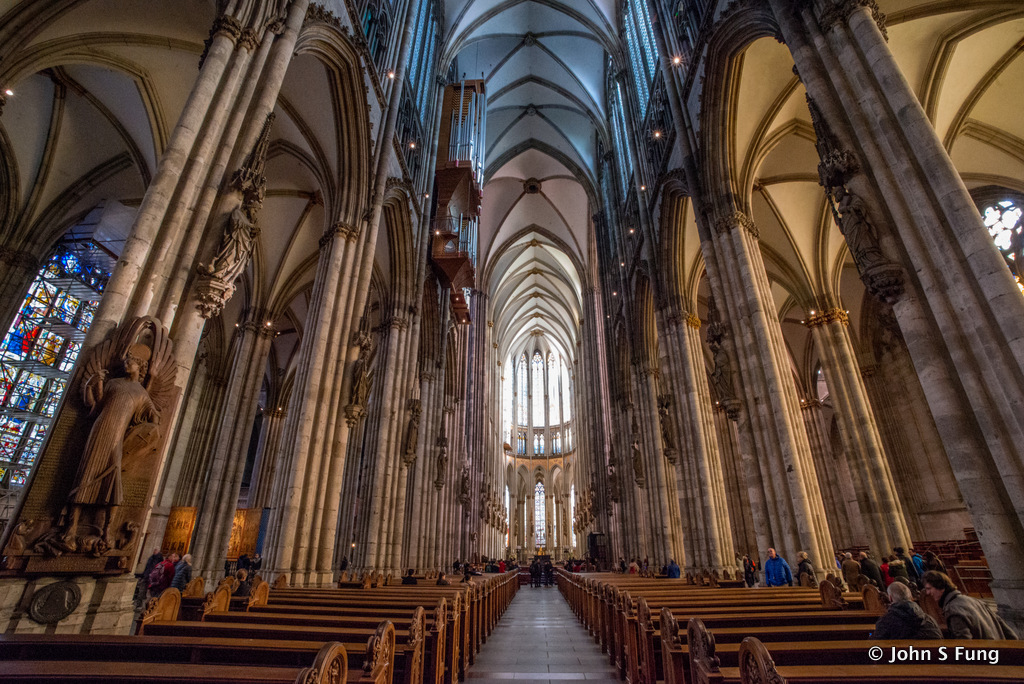
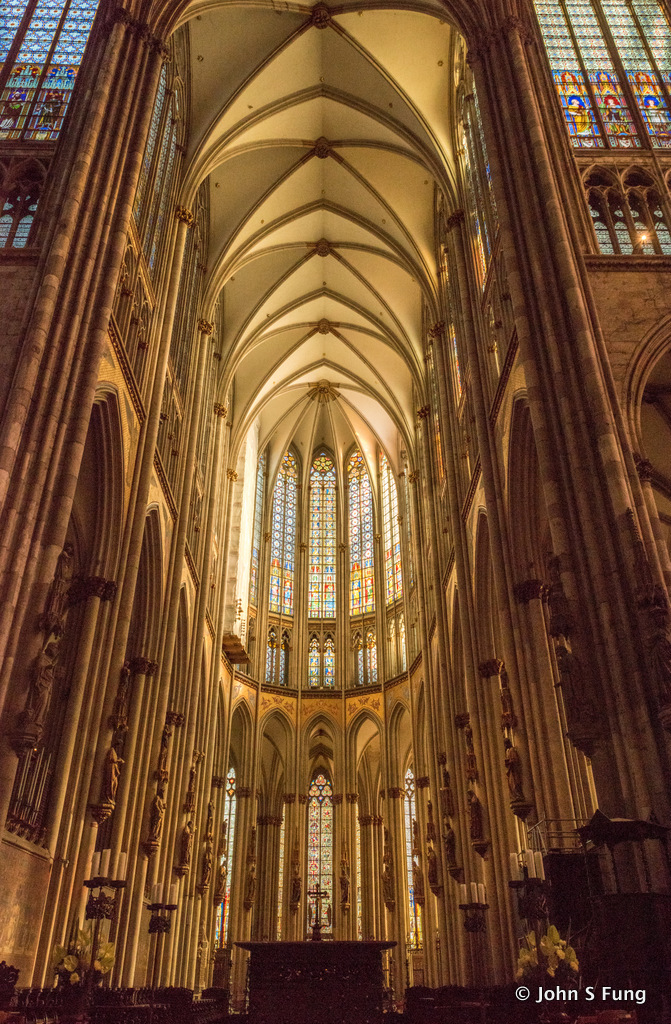
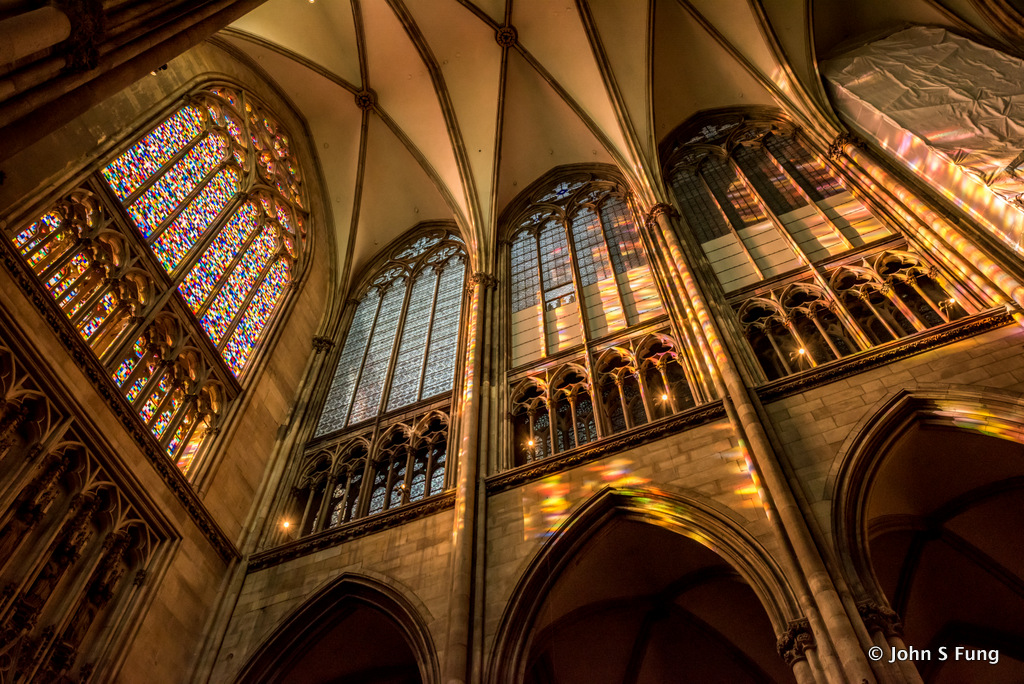
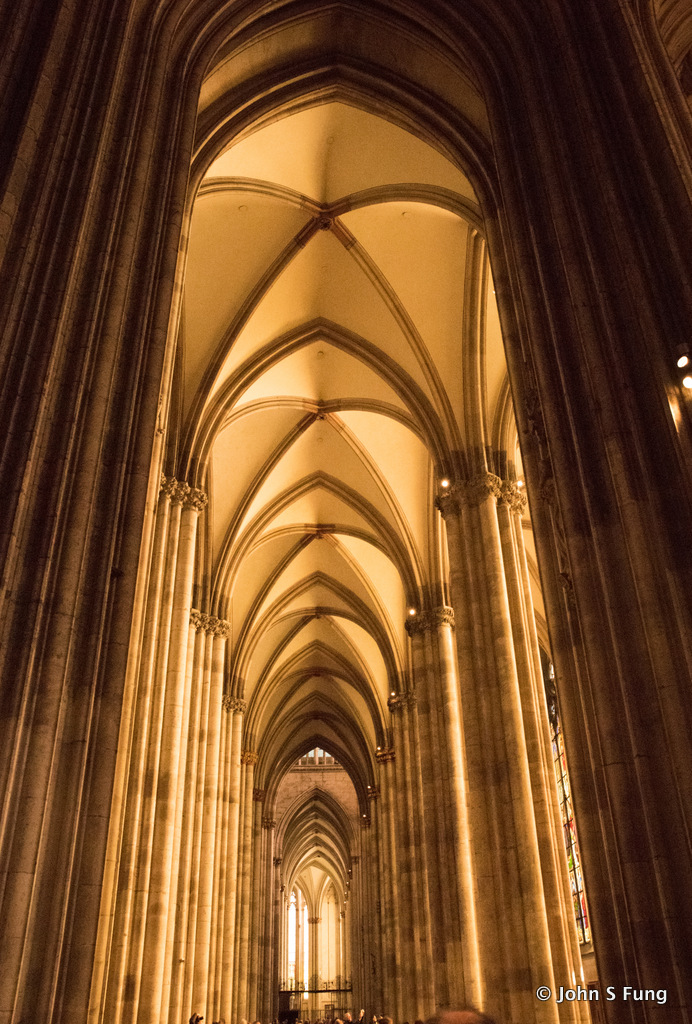
The apse and choir of the cathedral, as seen in front of the Volksaltar (the Cross at the lower part of the photo). Two prominent features of Gothic architecture can be seen here, the rib vault and the extensive use of stained glass.
三王祭壇- 網上照片。Photo obtained online.
科隆大教堂寶物甚多,但最有名的就是三王祭壇和三王的骨植金棺(亦稱 Shrine of Magi )。此兩物皆置於教堂半圓壁龕(apse) 處,無法靠近,緣慳一面,只能在網上查看照片。上圖為三王祭壇。
Among other treasures, the most famous possession of Cologne Cathedral is the golden Shrine of the Three Kings and the Shrine of Magi (made 1190-1220 for the bones of the kings brought to Cologne from Milan). These two artifacts are located in the apse where access was denied for the general public on the day of our visit.
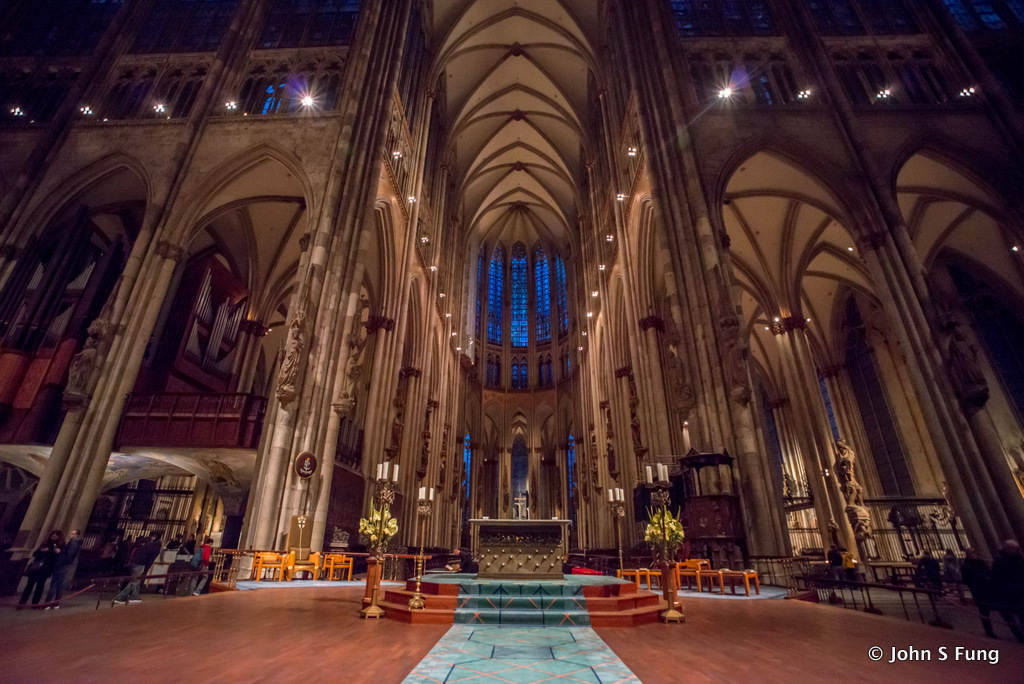
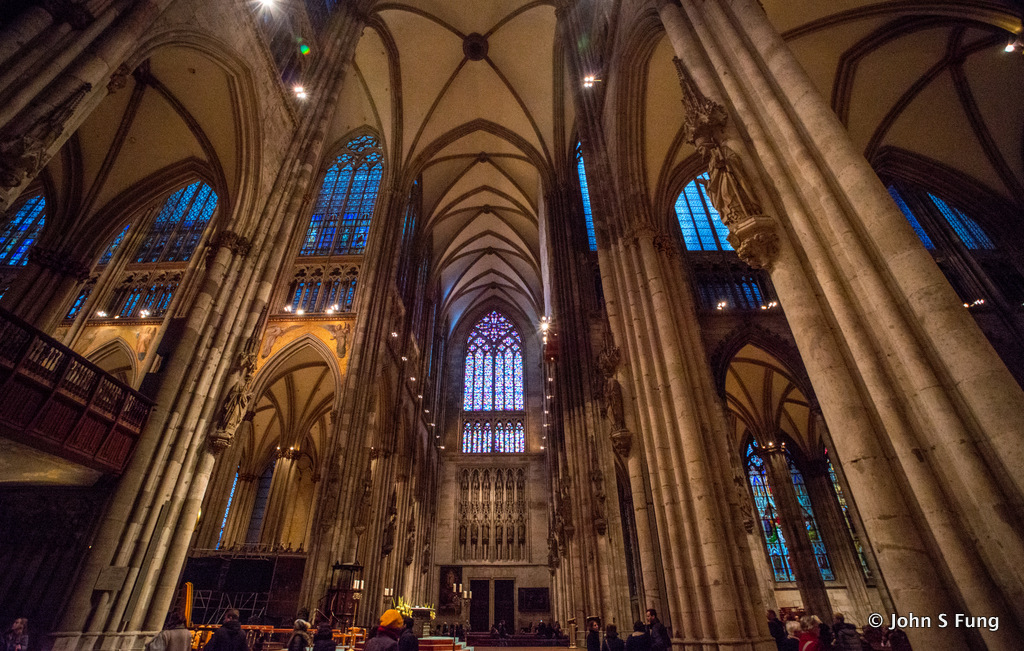
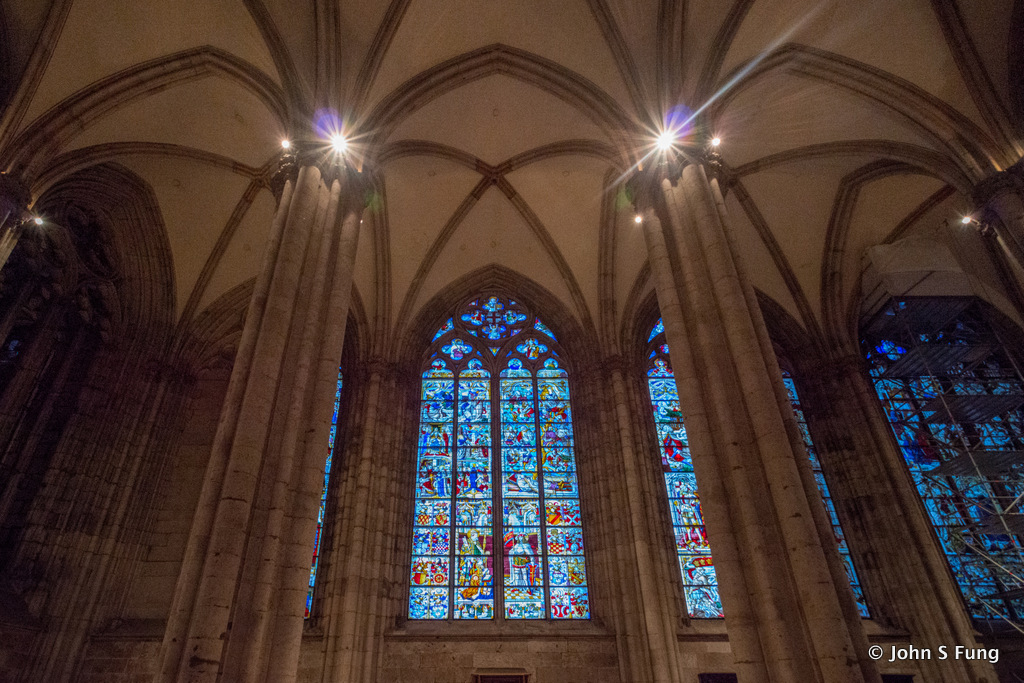
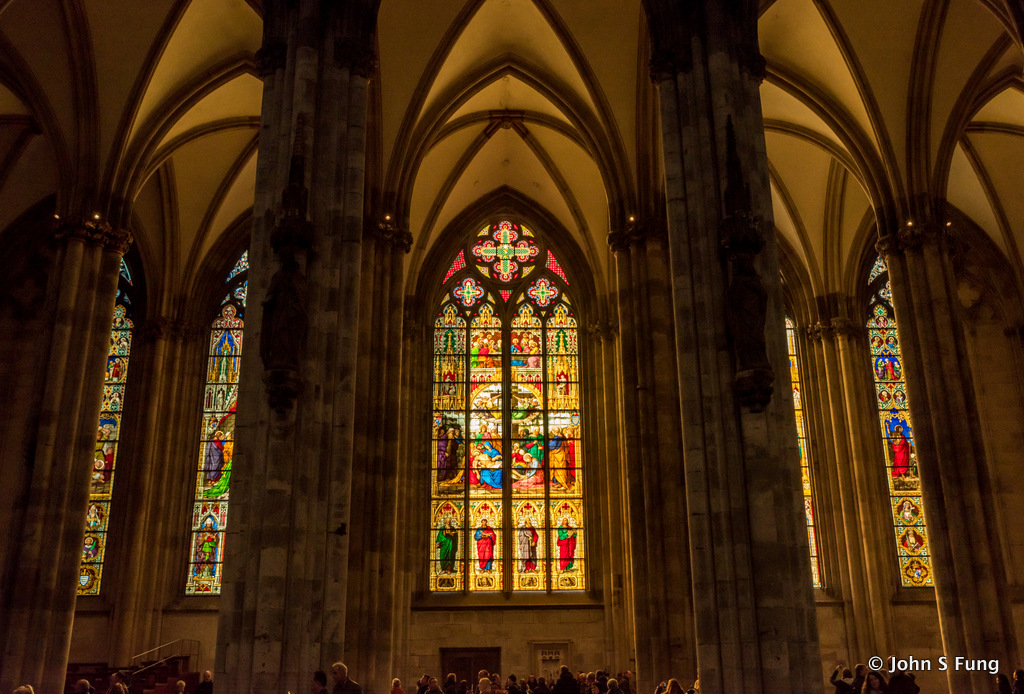
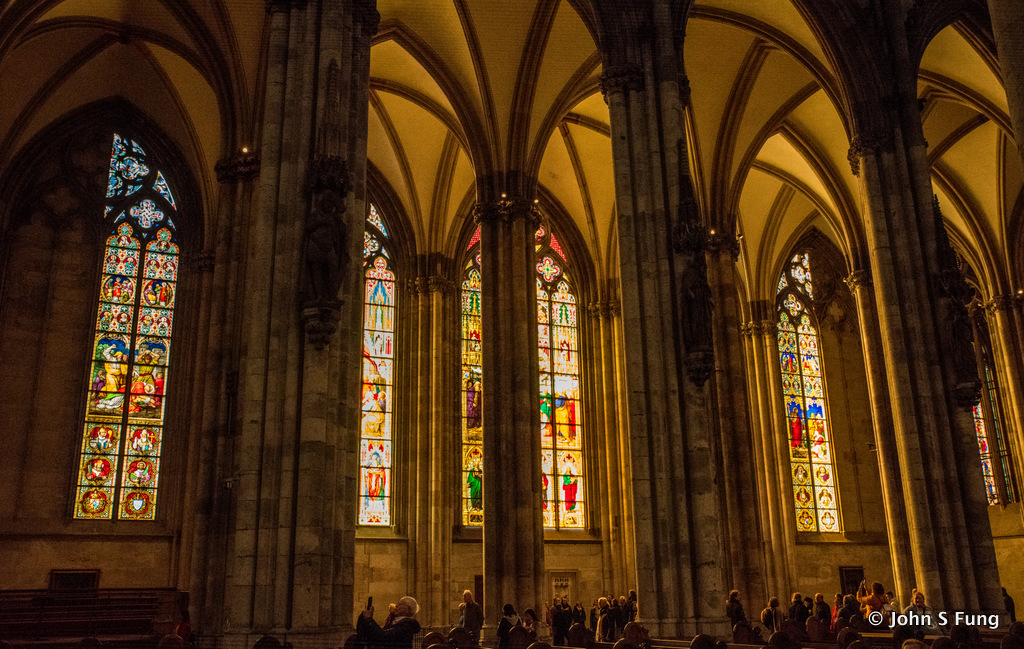
We visited the church twice that day, the first time was at around 10 a.m. (we had about 15 minutes for a quick look), the second time was at around 4:45 p.m., note that the color of the windows was blue. That is the effect known to photographers as blue hour or magic hour blue which refers to the color of the sky after sunset.
下午南面耳堂所見。 Looking to the transept of the south side.
上面藍色調子的窗是下午拍的,而下面各圖則是上午受光時拍的。
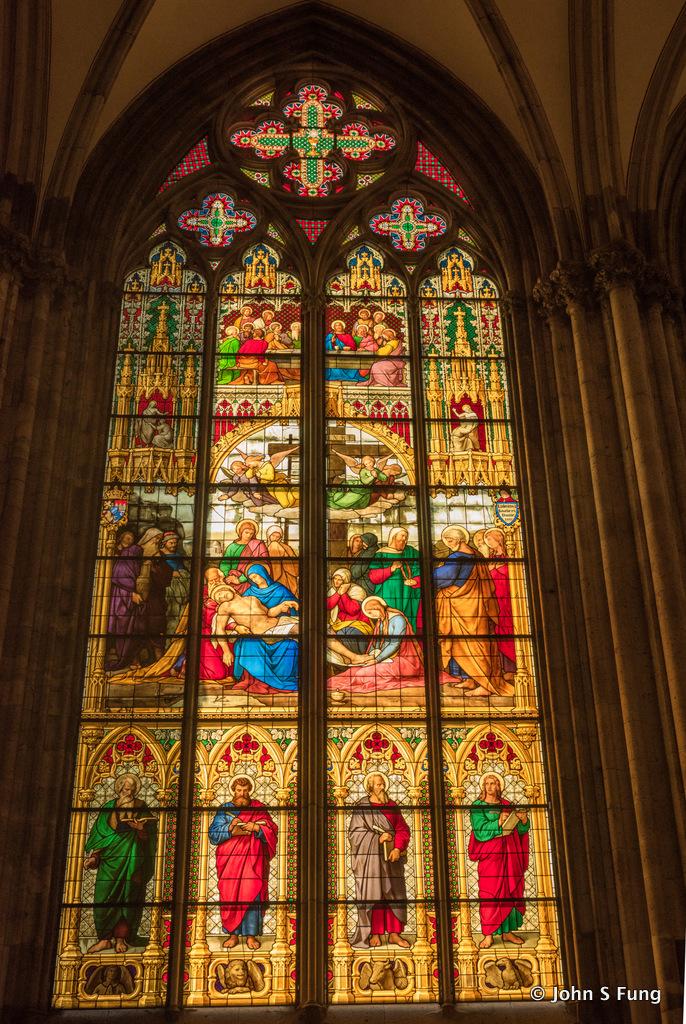
The stained glass windows appear to have a blue tint at dusk. However, pictures taken in the morning have a totally different tone, as shown below.
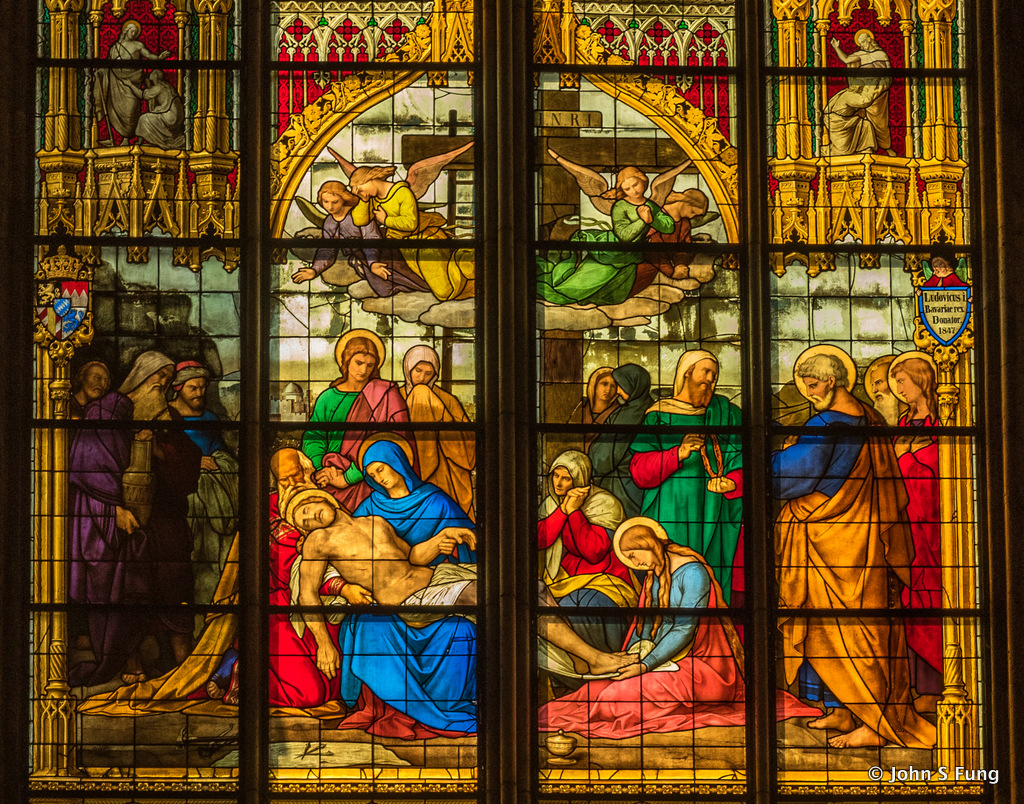
此窗中央部份描繪耶蘇死後在聖母懷中的情況。
The center picture depicts Virgin Mary cradling the dead body of Jesus.
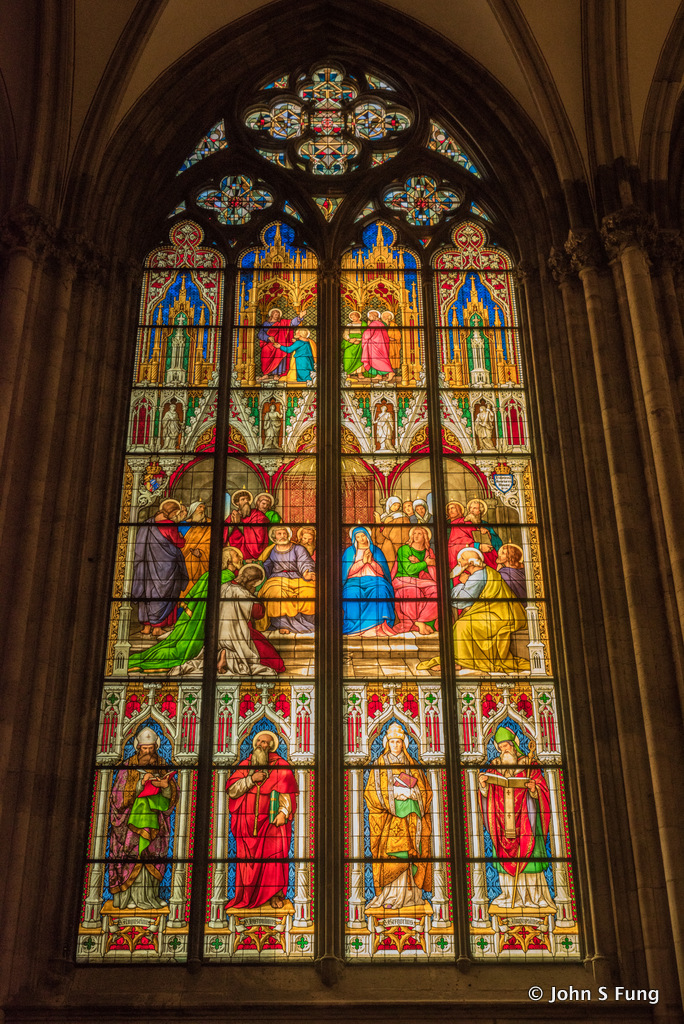
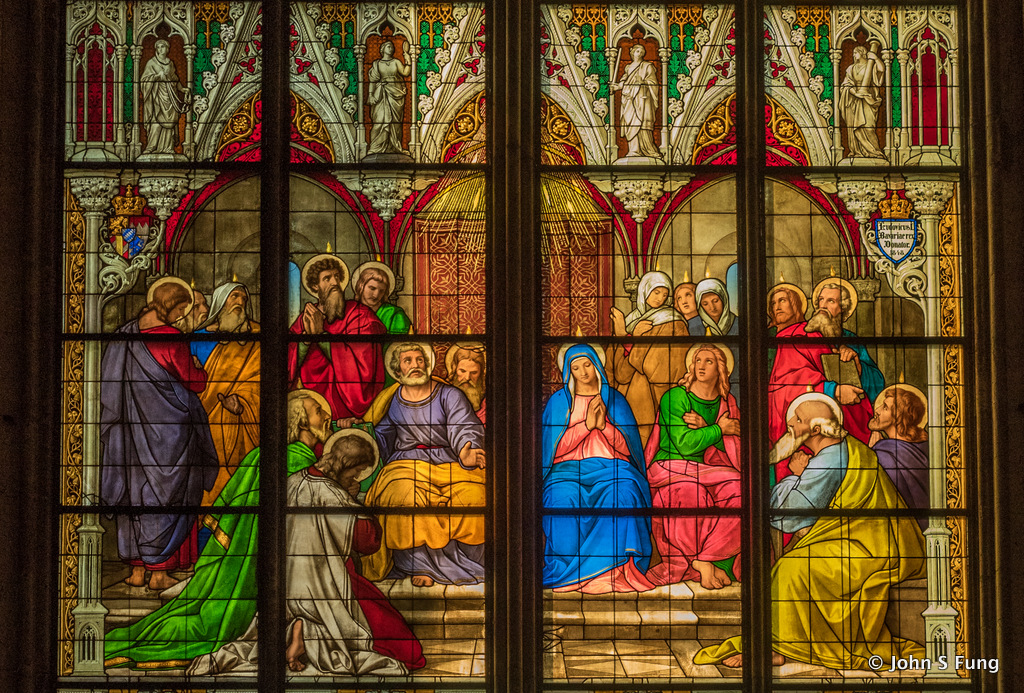
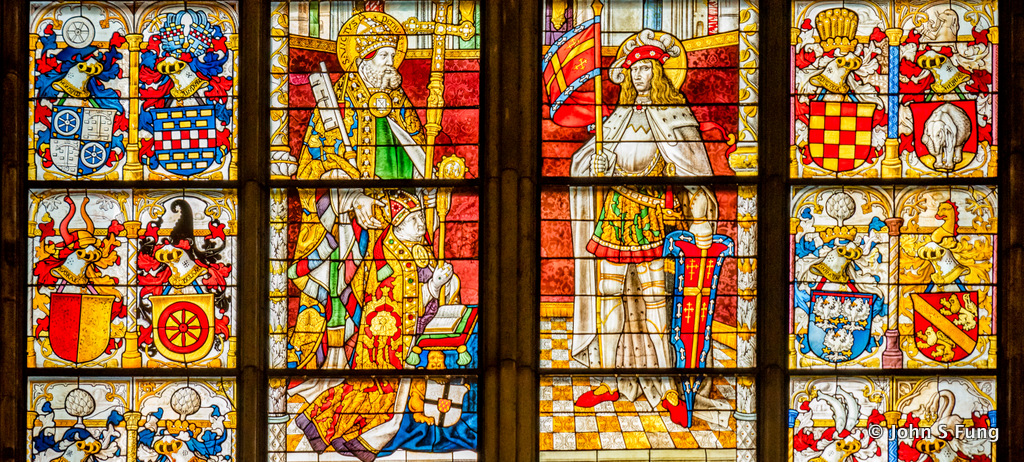
Bayern window – also known as Bavaria windows which were donated by King Ludwig I. The center picture depicts the descent of the Holy Spirit on the day of Pentecost. The Bavarian coat of arms and the inscription of King Ludwig I from 1848 are attached to the upper corners of the main picture.(info obtained from https://www.koelner-dom.de/fenster/pfingstfenster-1848)
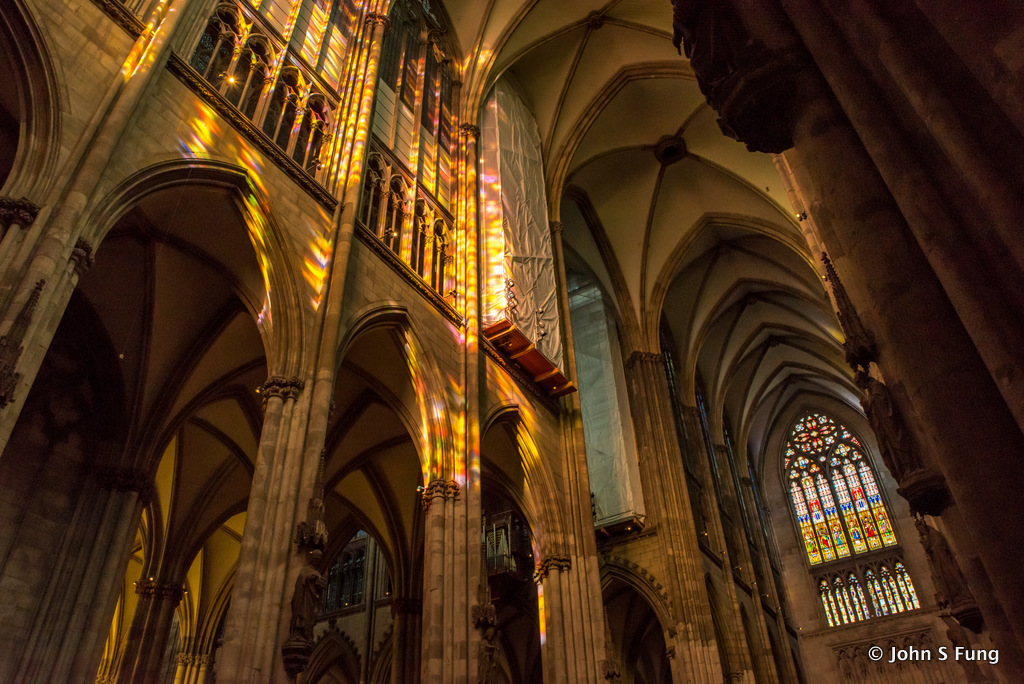
早上的陽光把彩色玻璃的顔色灑落在耳堂上。
The morning sun spilled color from the stained glass window to the transept.
保羅窗 – 描繪聖保羅在去大馬士革的路上歸信基督的場景。
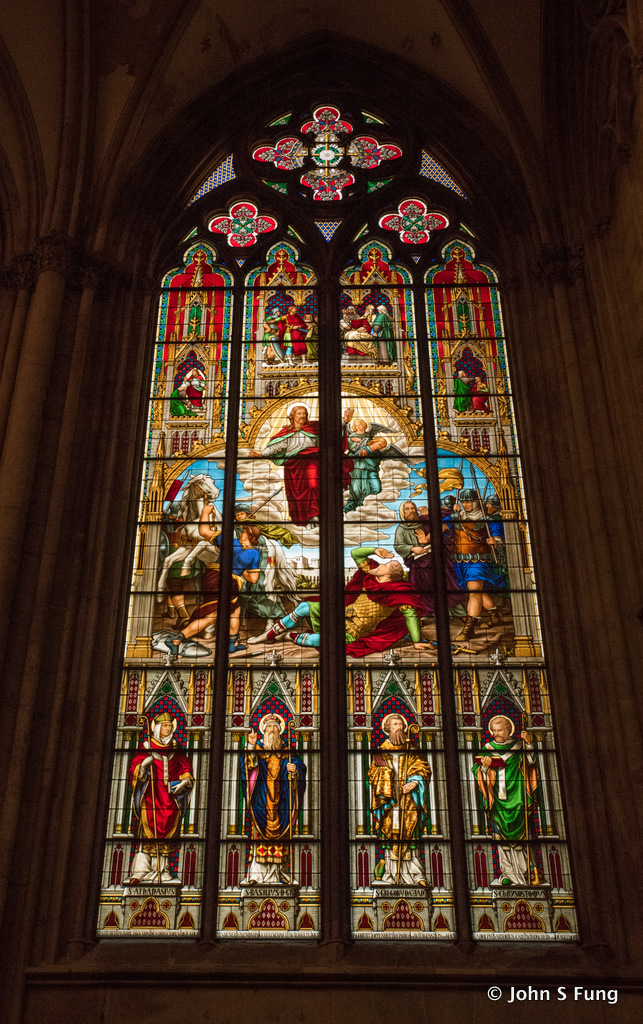
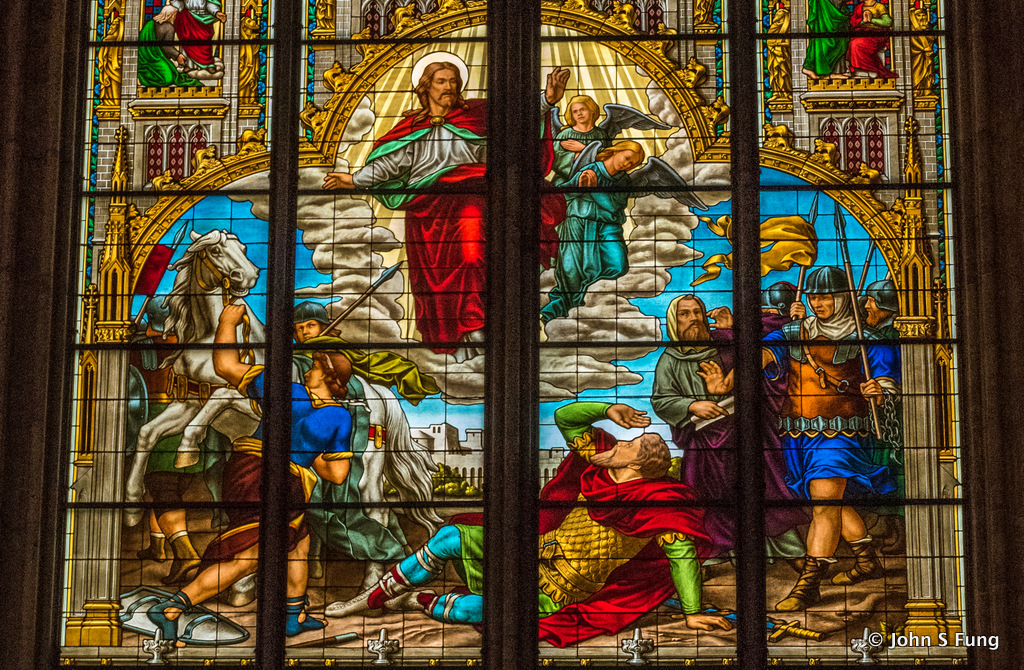
Paul Window – The conversion experience of St. Paul on the way to Damascus is the central theme of the window. This is a 1994 replacement of the 1864 original.
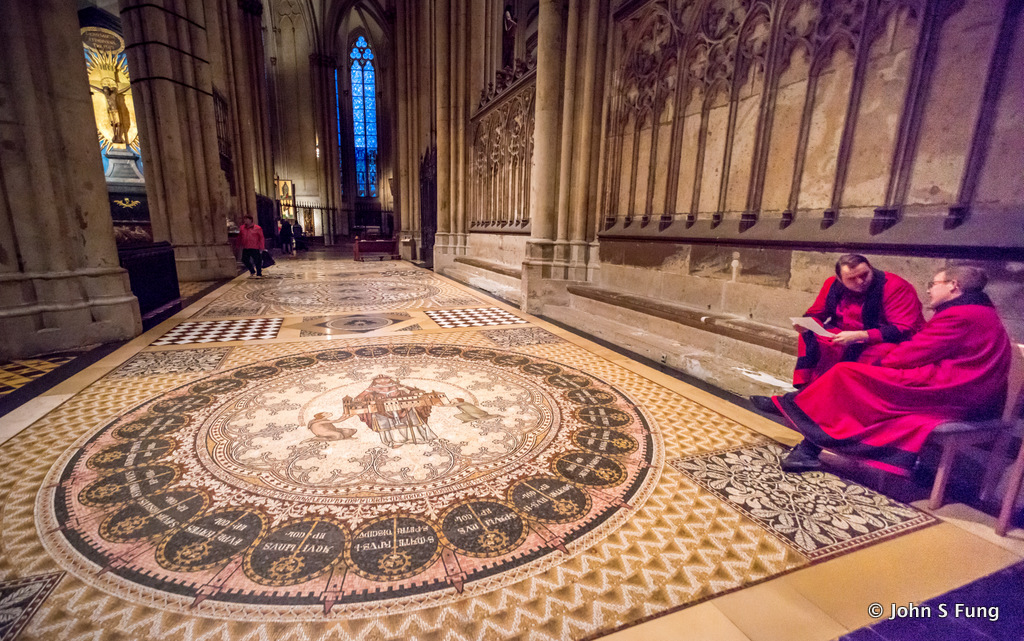
No admission to the general public at this point near the west transept. The priests’ red robes caught my eyes. I was standing very close to them (the 15mm ultra wide lens I used didn’t do the distance justice), in order not to offend them, I framed this picture this way rather than pointing the camera directly to them.
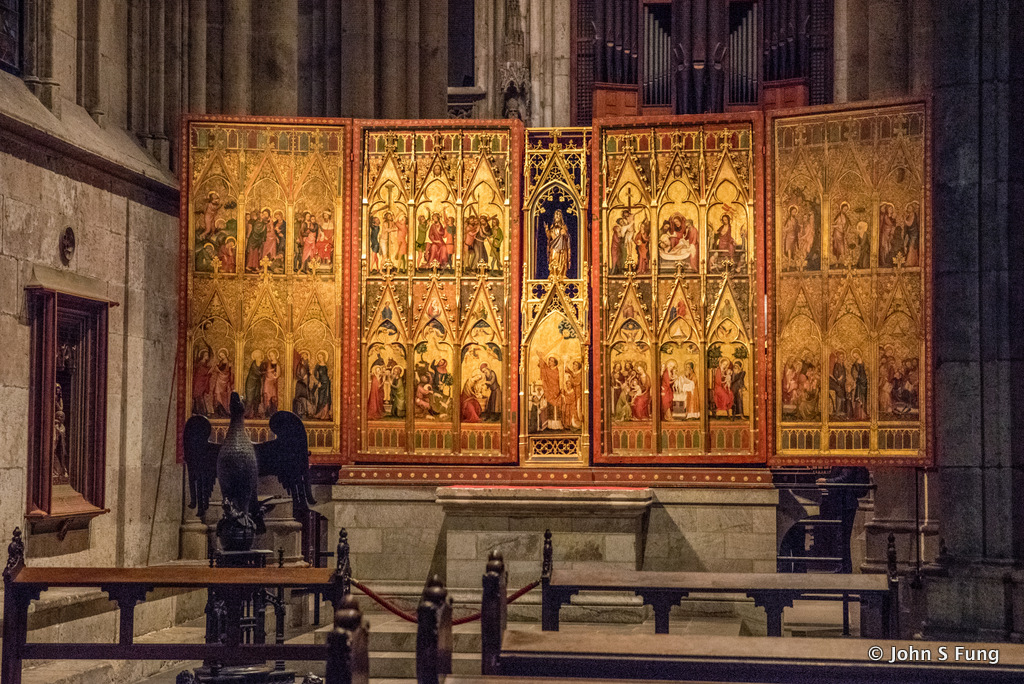
Clear altar: The winged altar, which was built around 1350/60, was originally in the Franciscan Church of St. Clara in Cologne and, after its secularization and demolition, reached the cathedral.
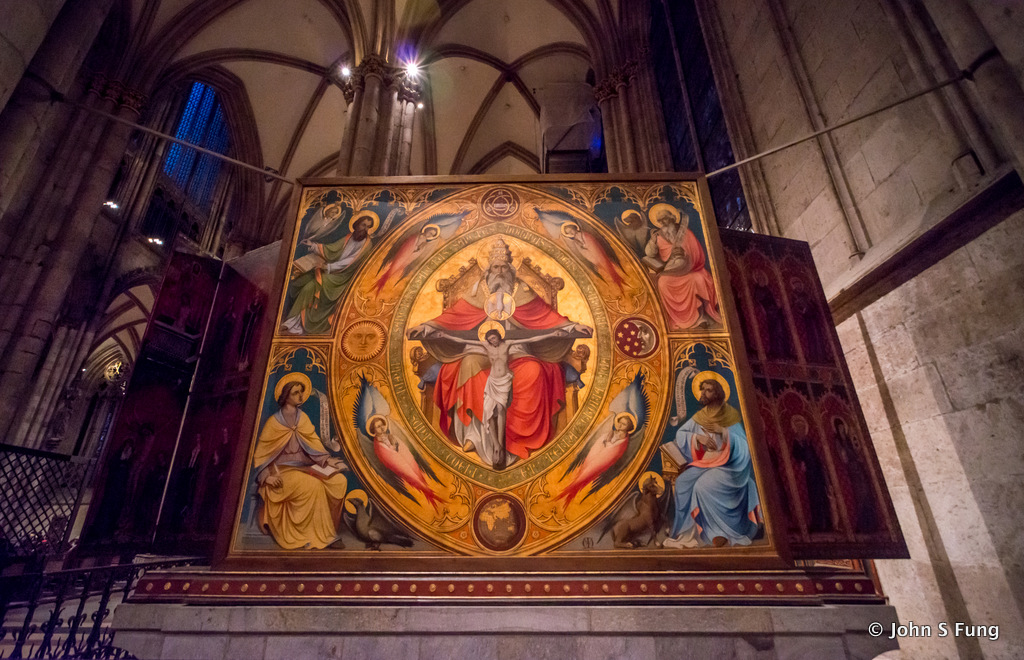
在Clear 祭壇後有另一祭壇,惜未能找到資料。At the back of the Clear Altar. Info pending.
右方為聖母祭壇,左方小壁洞內奉著教宗保祿雕像。
Altar of the Madonna of Jewelry(right). Pope relic (left)
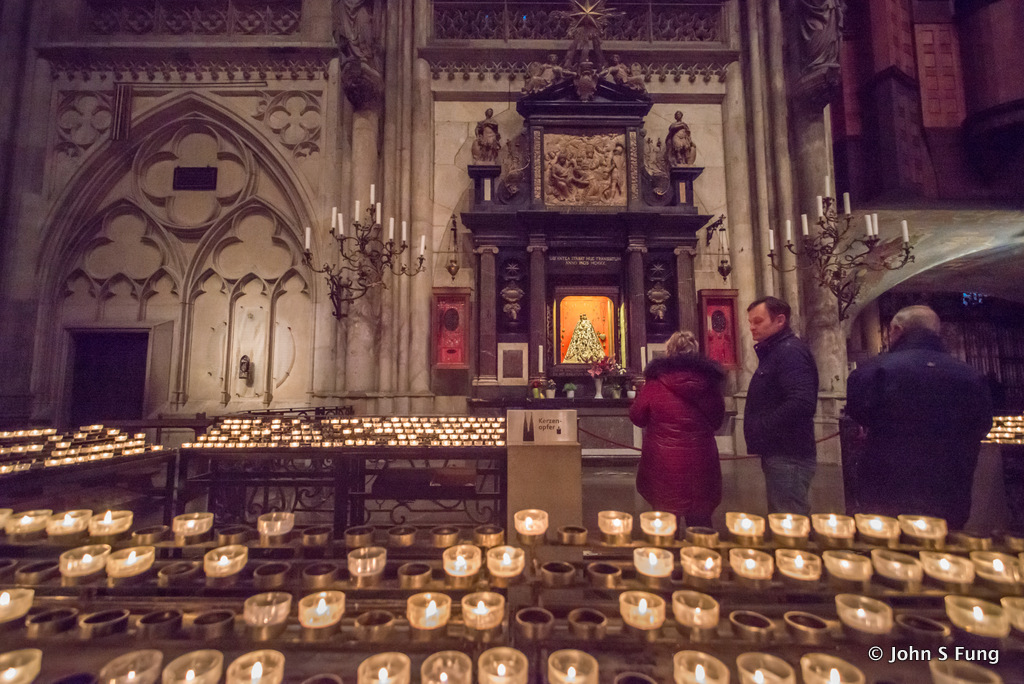
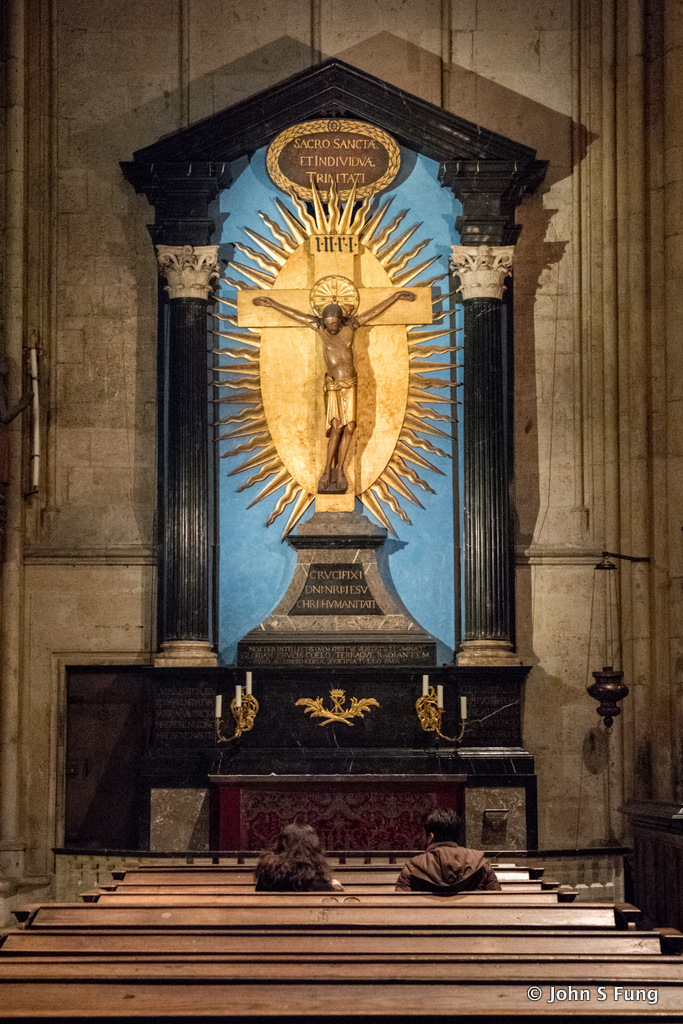
十字架禮拜堂。
The Miracle of the Gero Crucifix, in the Chapel of the Cross.
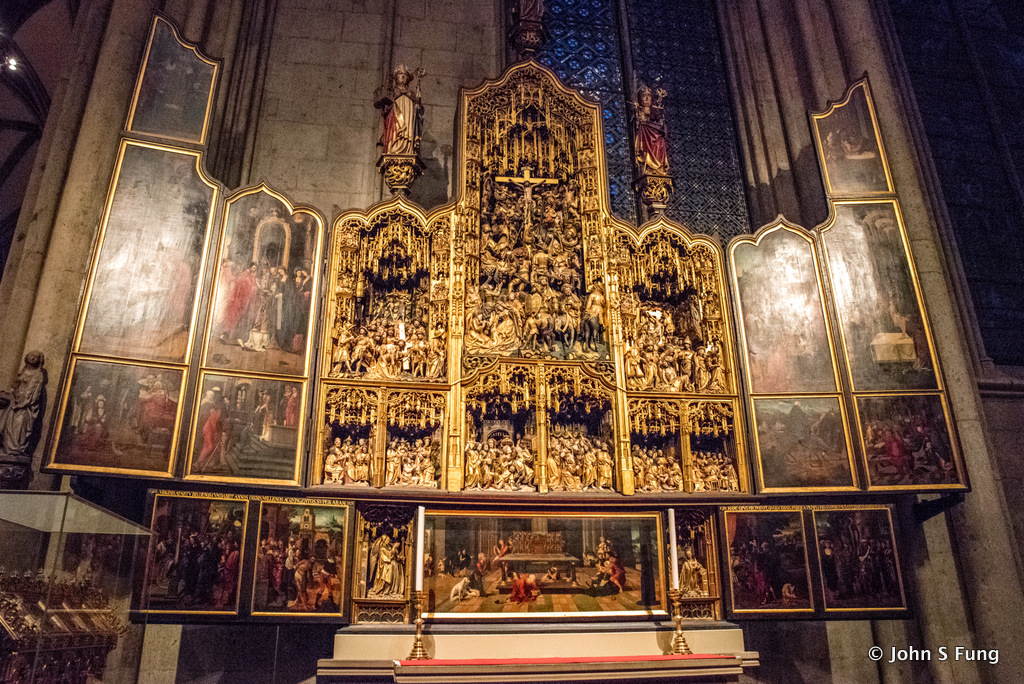
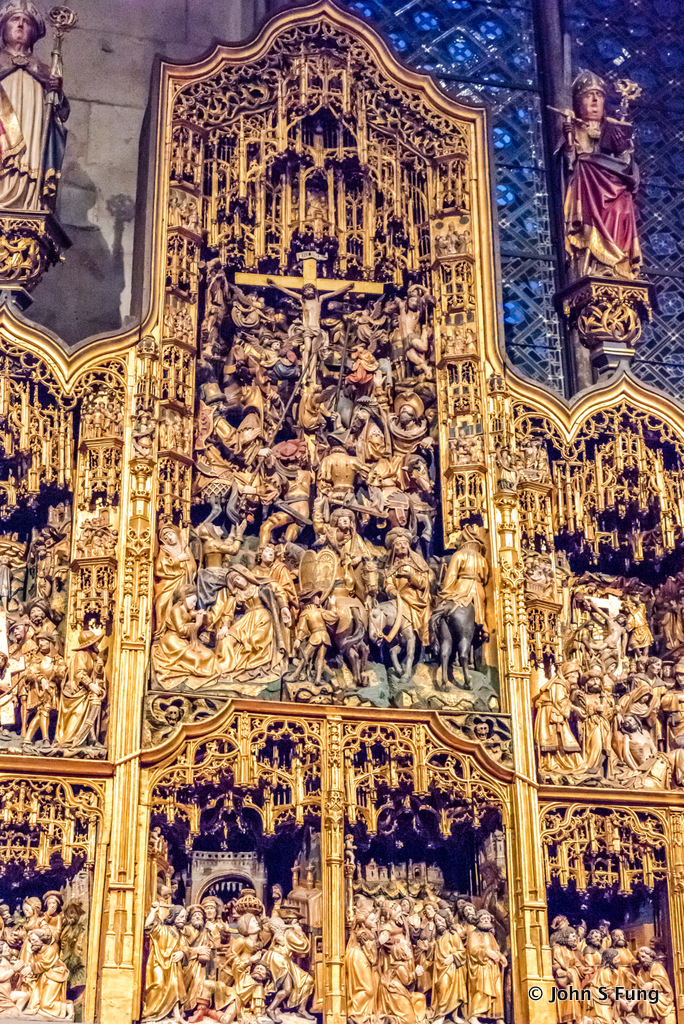
Agilolphus 祭壇。成於1520 年,原是科隆聖瑪利亞教堂主祭壇,1817年移至此。
The Agilolphus Altar, one of the largest and most important Antwerp carved altars, which was formerly the main altar in the Gothic east choir of Cologne’s Collegiate Church of St. Maria ad gradus, probably reached the cathedral in 1817. It was created around 1520.
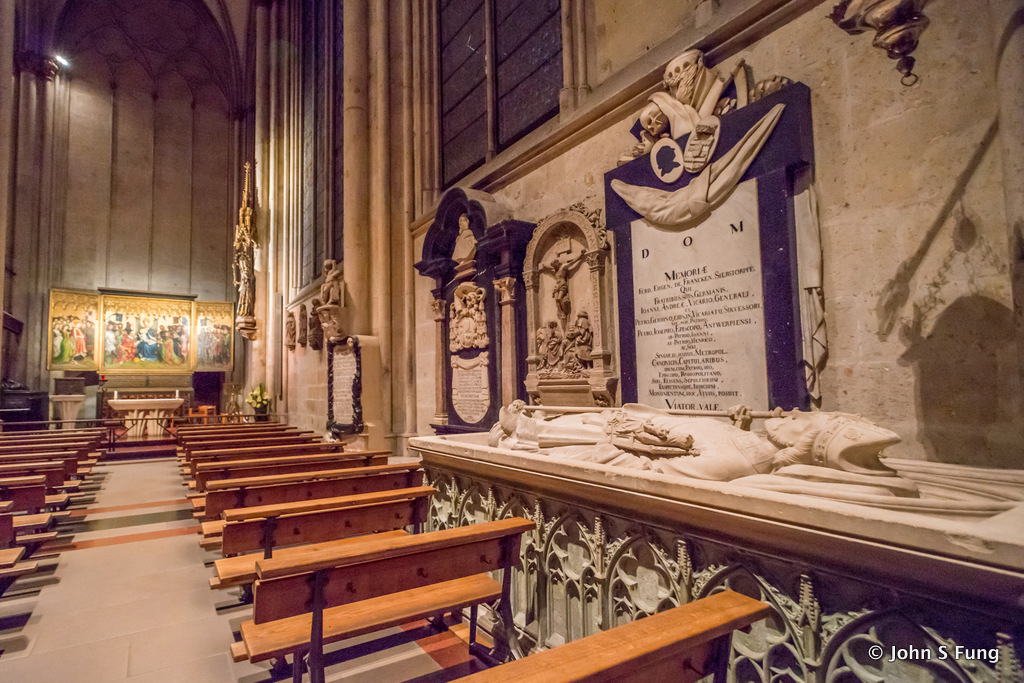
Tumba 大主敖靈框 (右方),大主教逝於1167,骨植於1290年由羅馬移至此。
Tumba Archbishop Rainald von Dassel. It was not until around 1290 that the bones of the archbishop who died in Rome in 1167 were transferred from the old cathedral to the new Gothic choir building.
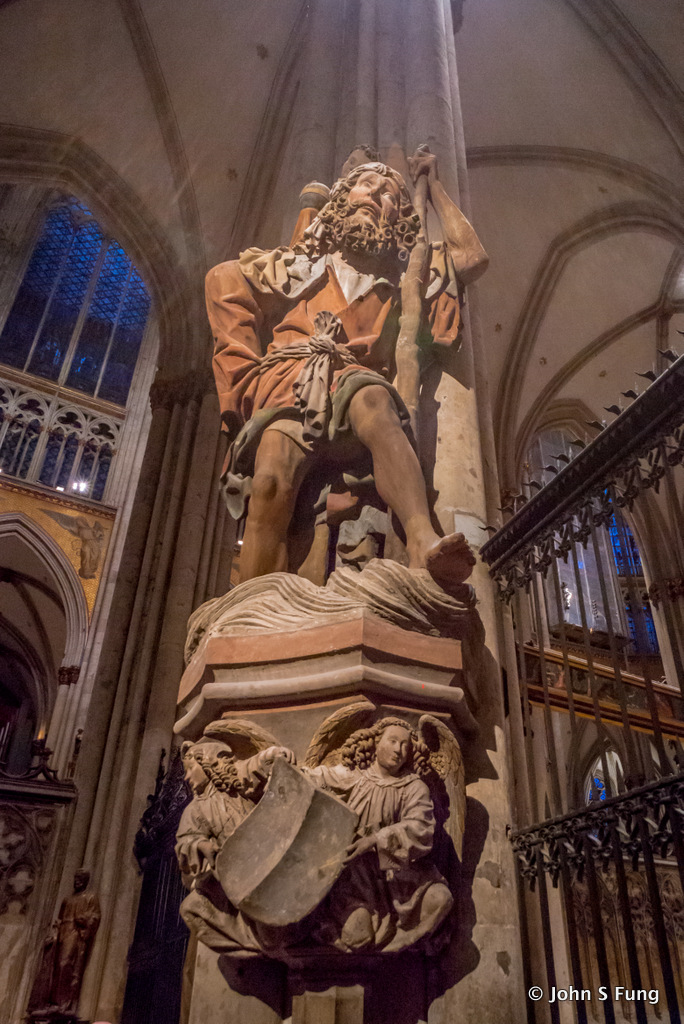
聖基斯道化像。成於1470年。聖基斯道化正在背著小耶蘇過河。
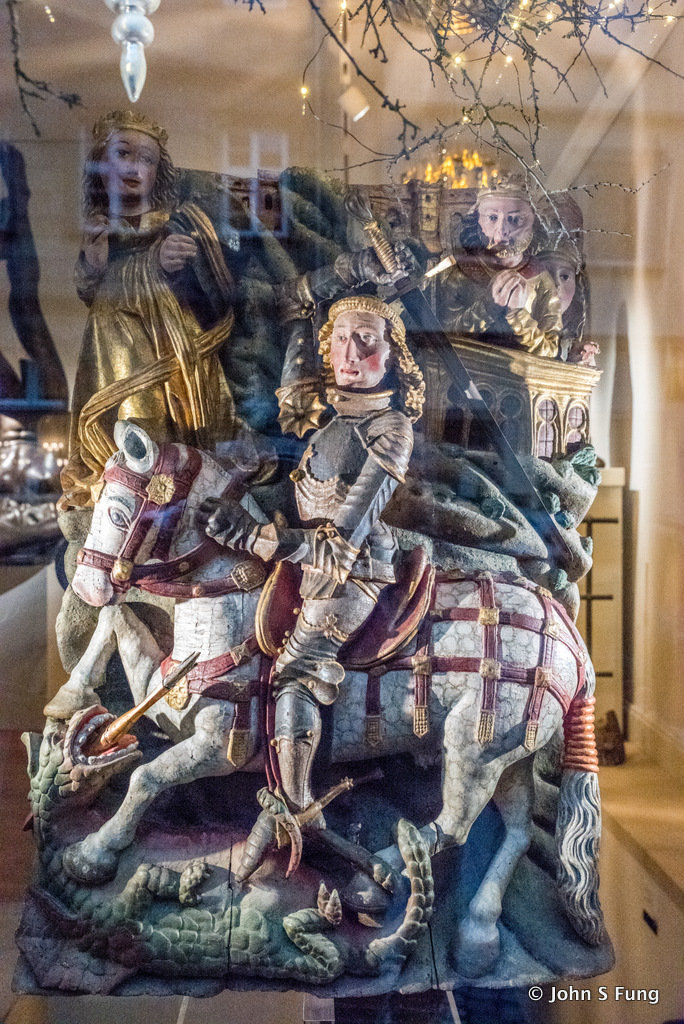
St. Christopher. The colored figure of St. Christophorus was created around 1470 by Tilman van der Burch, the leading late Gothic sculptor in Cologne. The saint stands on a console with heraldic angels and walks through a river with ruffled robe, carrying the Christ child with the globe on his back.
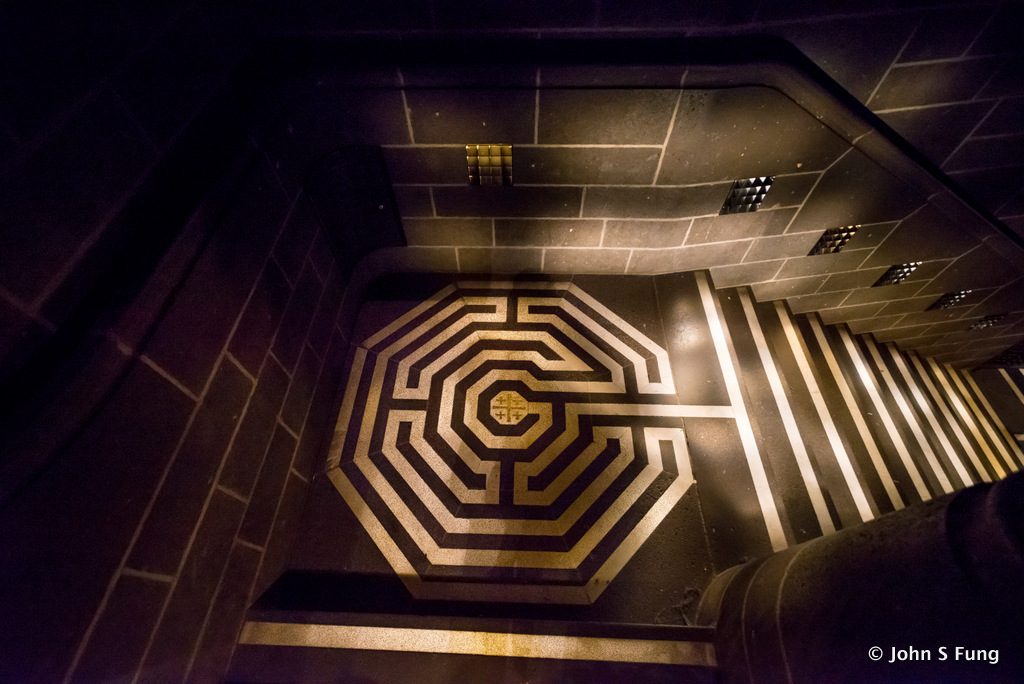
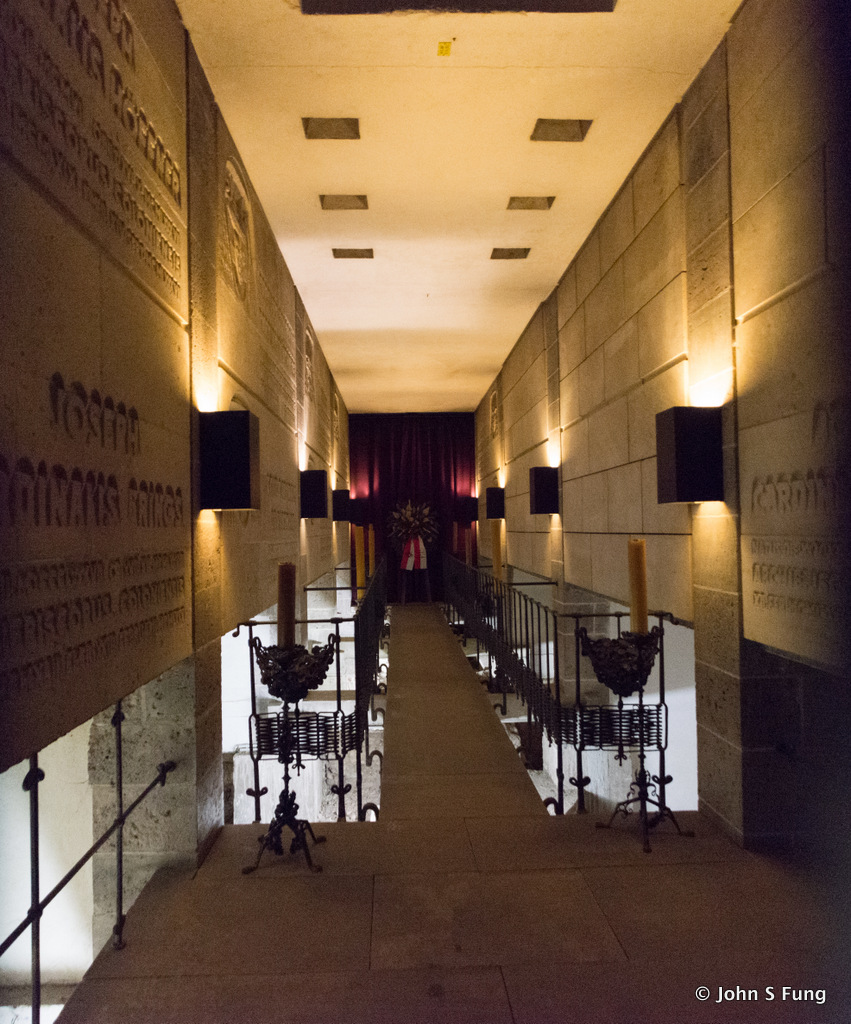
We found this staircase down to a basement, I thought it was leading to the Roman foundation or the treasure exhibition hall. I was wrong, it appeared to be a burial site, as shown below.
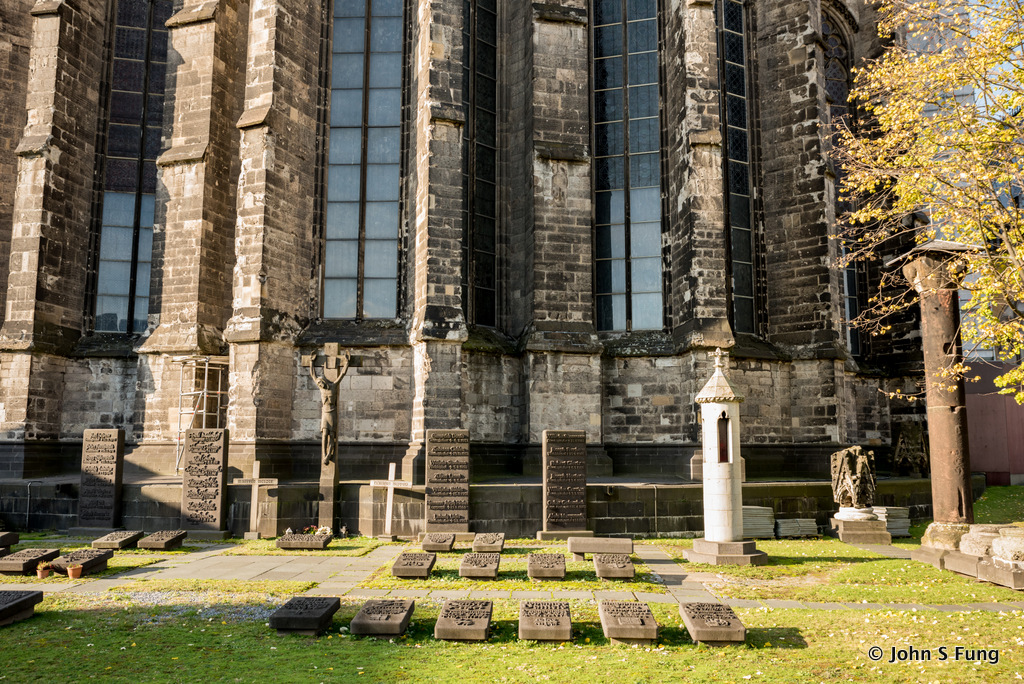
在大教堂半圓祭壇外,排放有許多古舊墓碑。
Ancient gravestones seen at the east side of the apse.
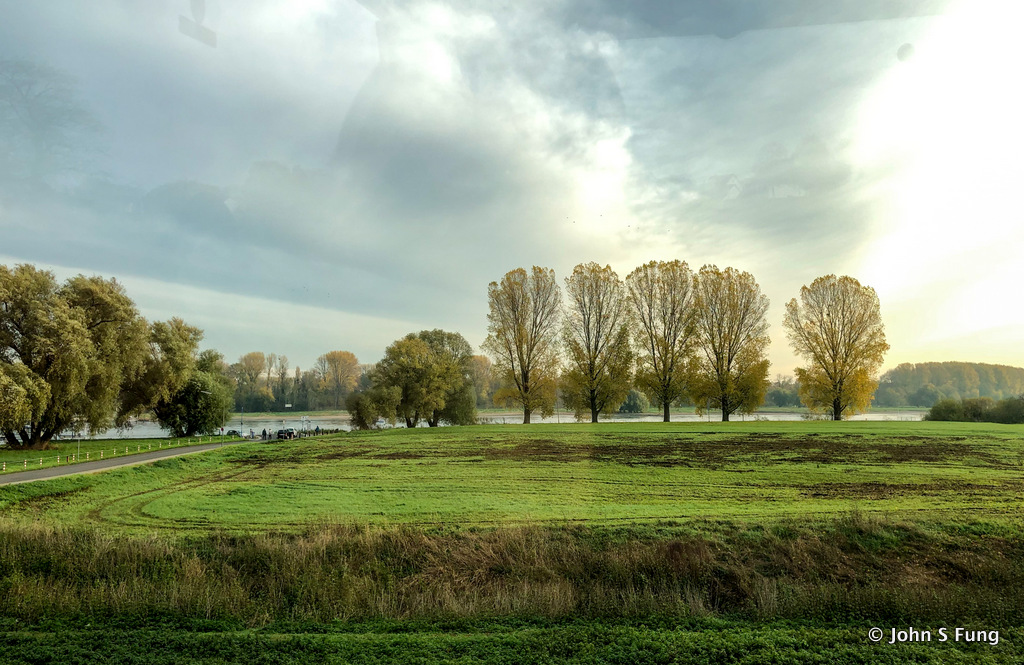
For technical reasons, we were dropped off at the town of Feste Zons (Dormagen) and boarded buses so we could arrive Cologne Cathedral at around 10 a.m. to start our city walking tour. With the sun peeking through the clouds, it was a wonderful morning. These few photos were taken with a cell phone through the bus window, beautiful countryside.
岱馬鎮秋色。
Lovely town of Dormagen.
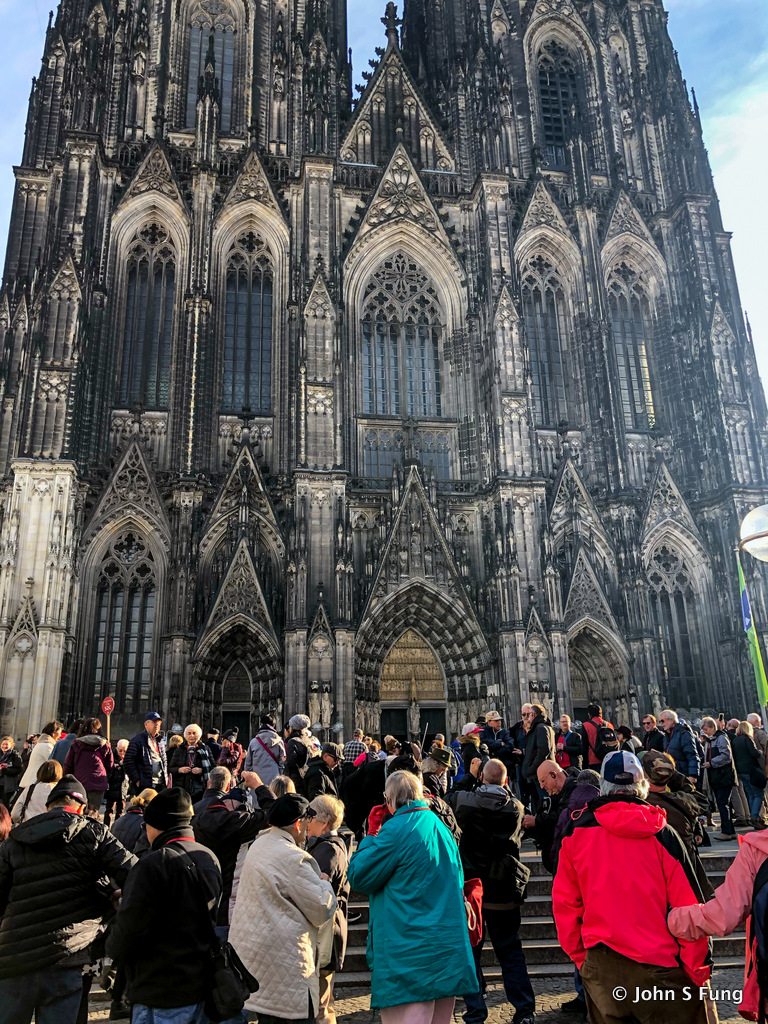
科隆大教堂雙塔特別高,西面立面前廣場不夠濶廣,很難拍到沒變形的立面圖。
The towers of Cologne Cathedral are the second tallest in the world, I was not able to take a good picture of the west facade.
科隆大教堂西立面前廣場的人潮。大教堂平均每日接待約二萬名訪客。
The crowd in front of the west facade. The Cathedral receives an average of 20000 visitors/day.
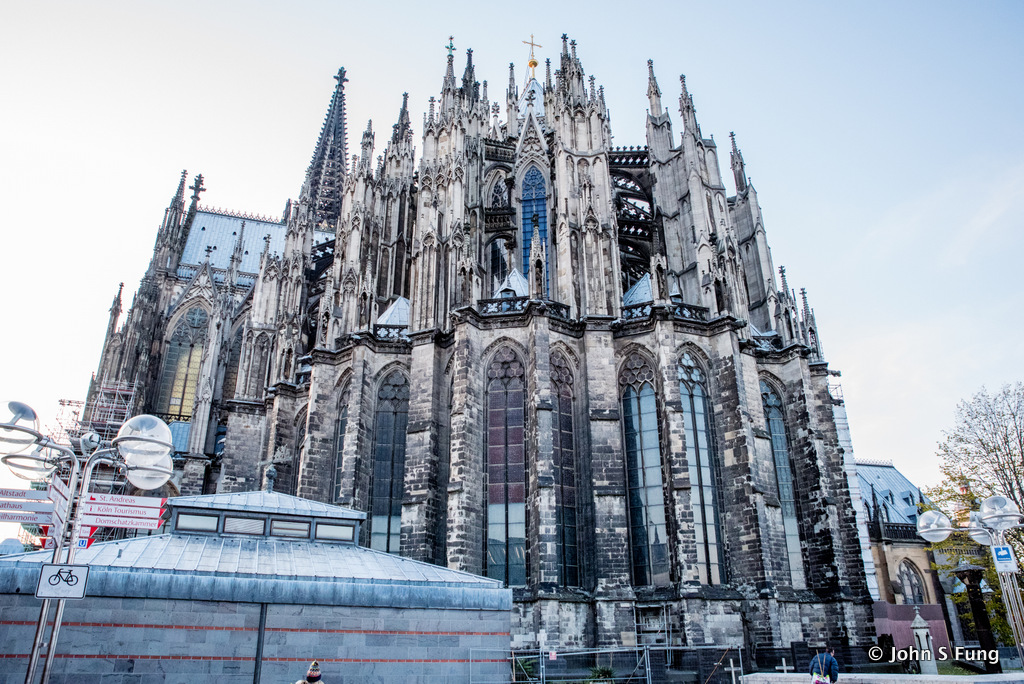
大教堂東面的半圓祭壇外觀。
The apse of Cologne Cathedral.
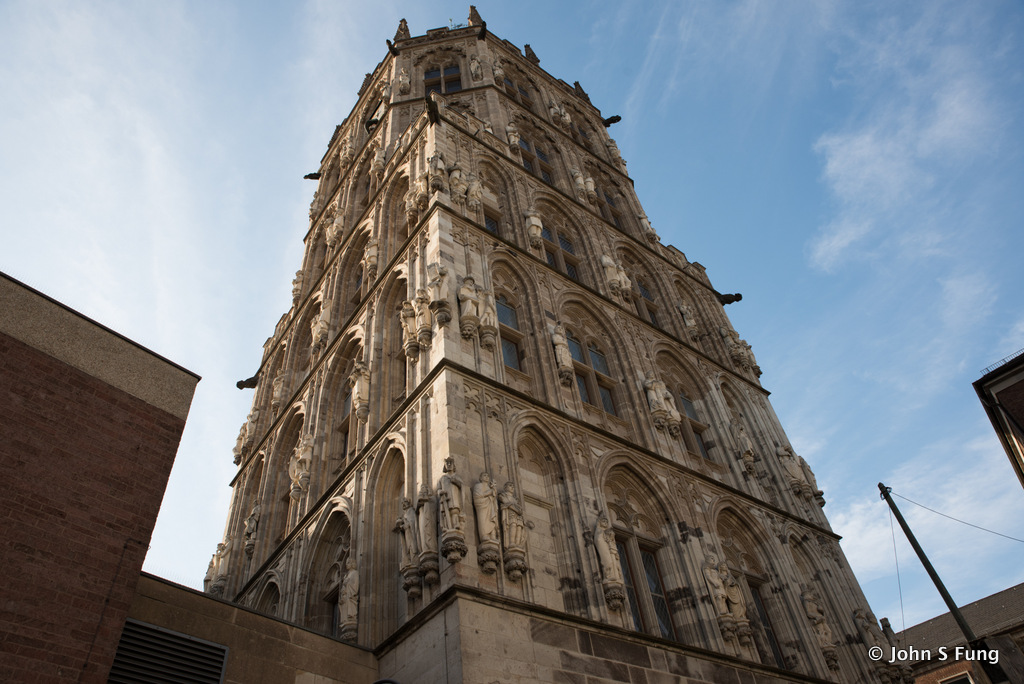
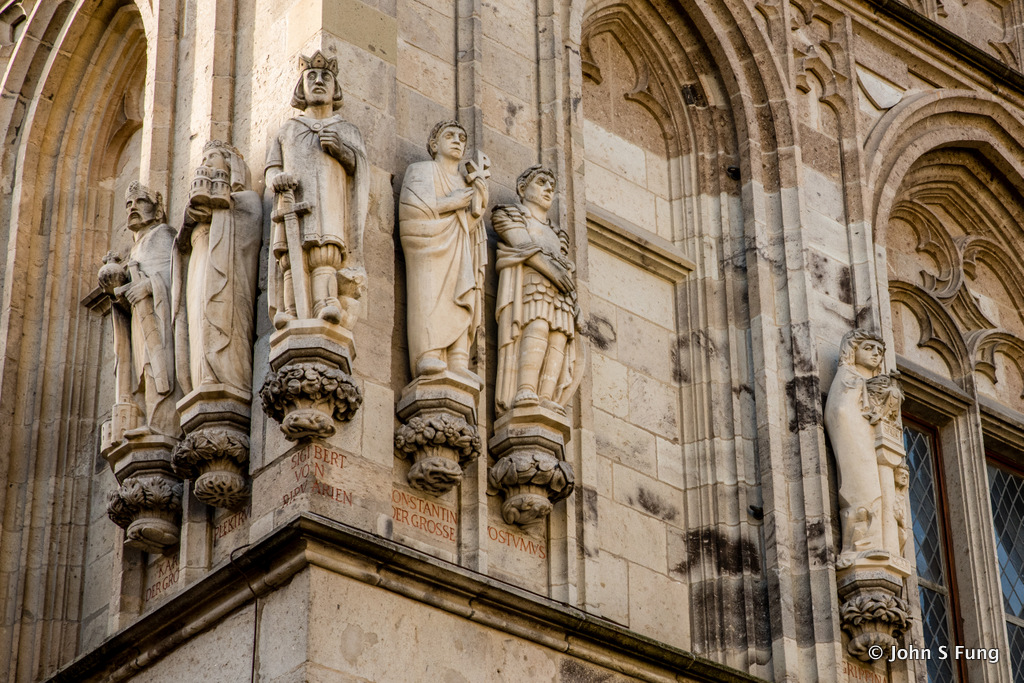
這應該是科隆市政廳一部份。
Rathaus, Cologne City Hall
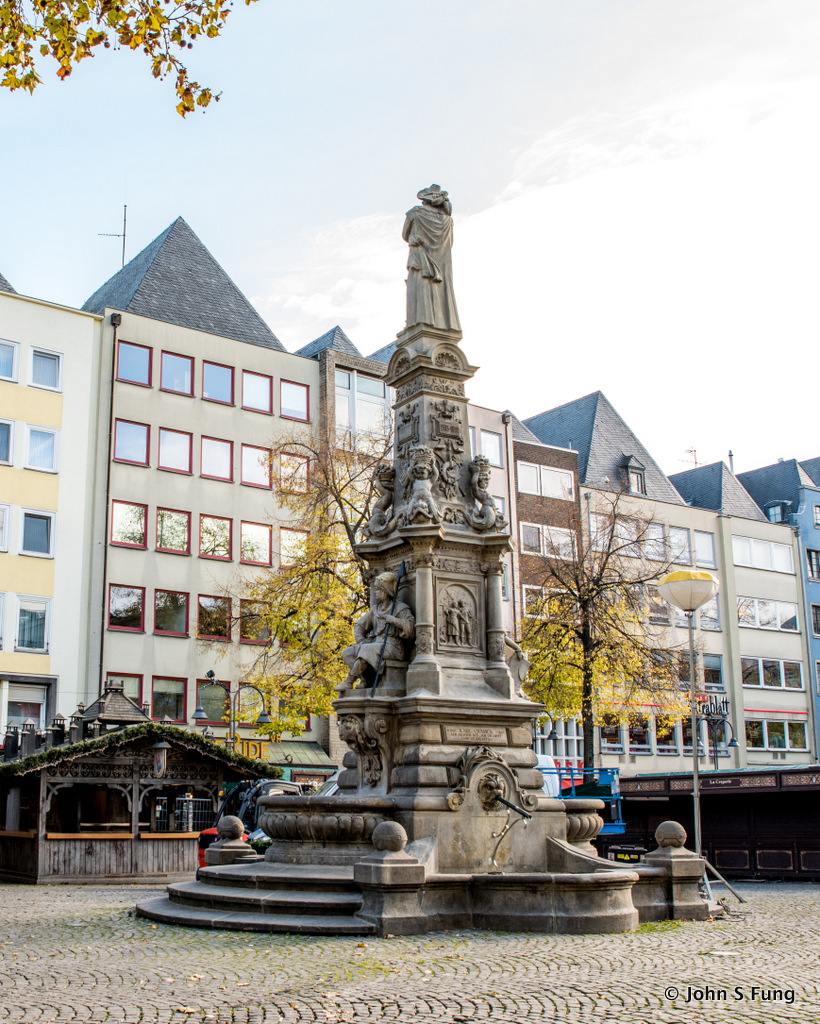
一個中古的噴泉。
Jan von Werth Fountain, a medieval fountain.
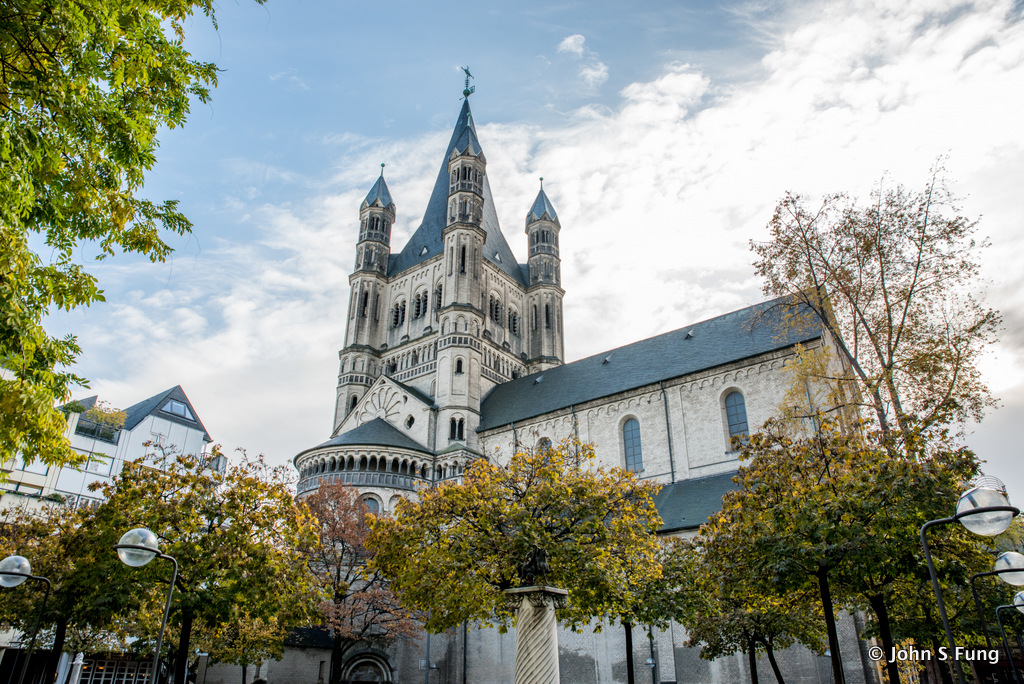
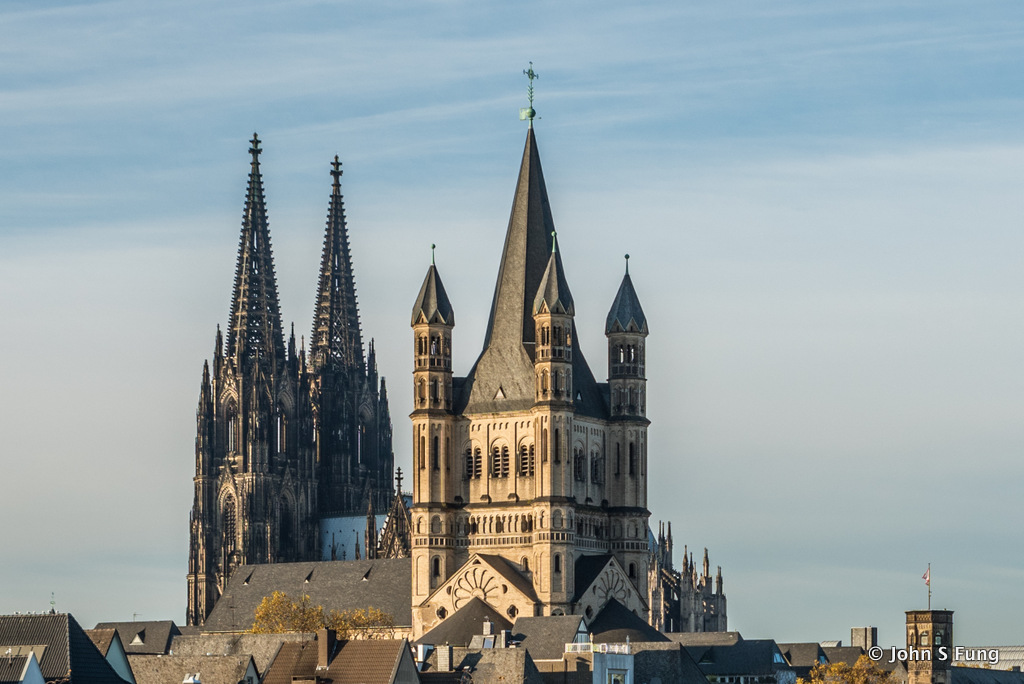
聖馬爾定(聖馬田)教堂
Great St. Martin Church.
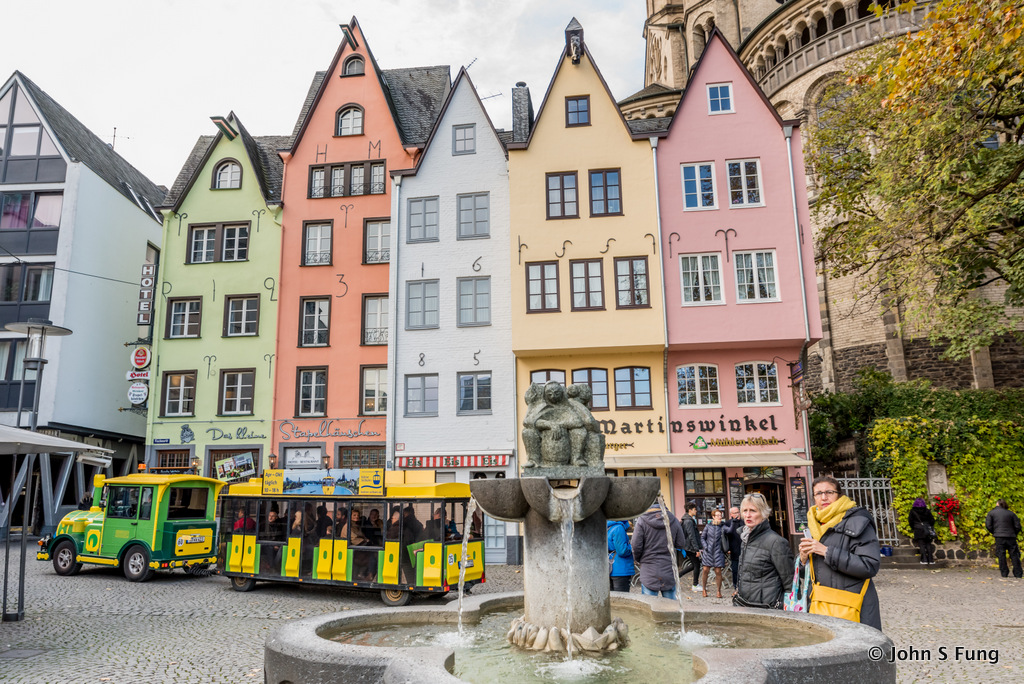
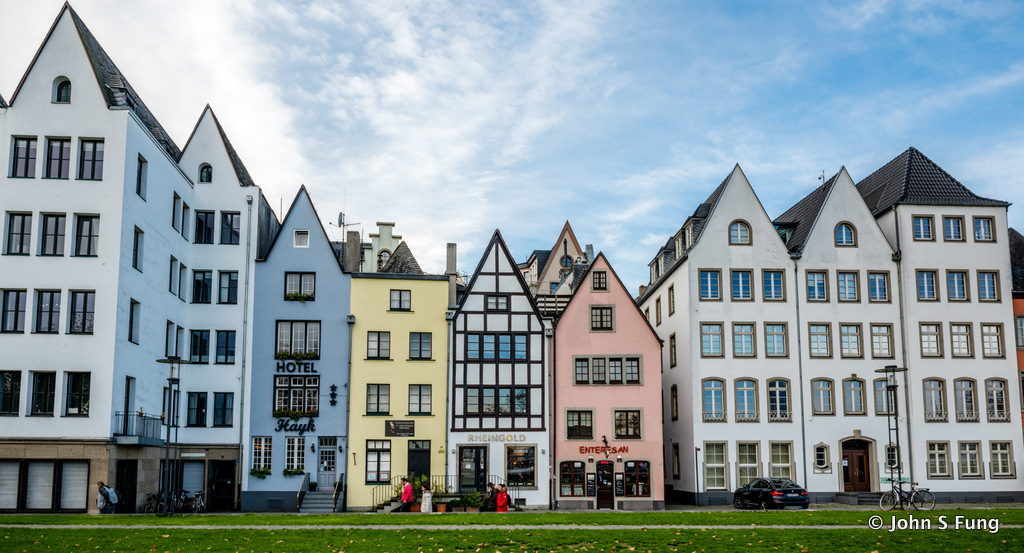
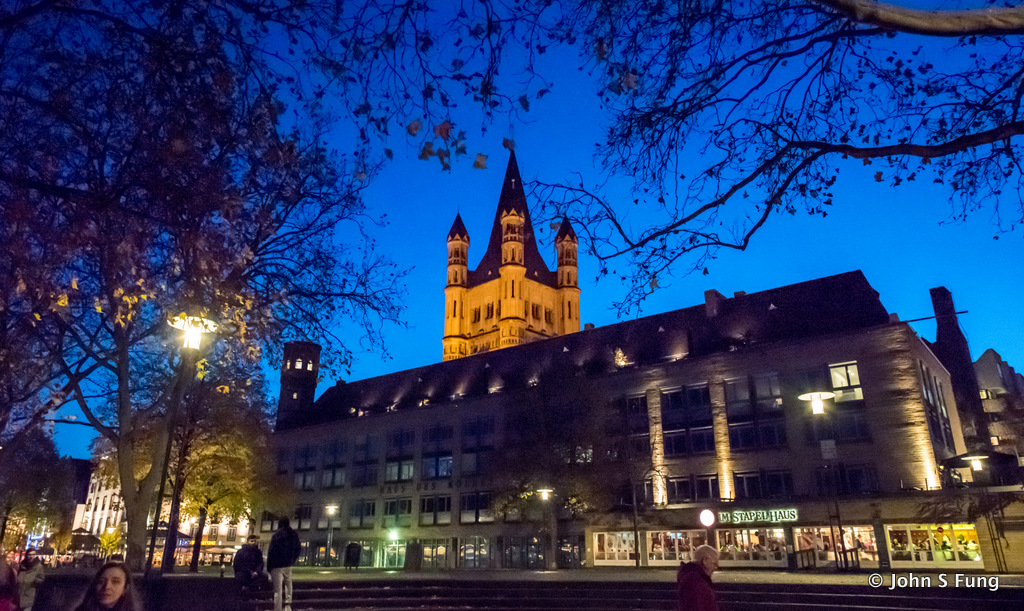
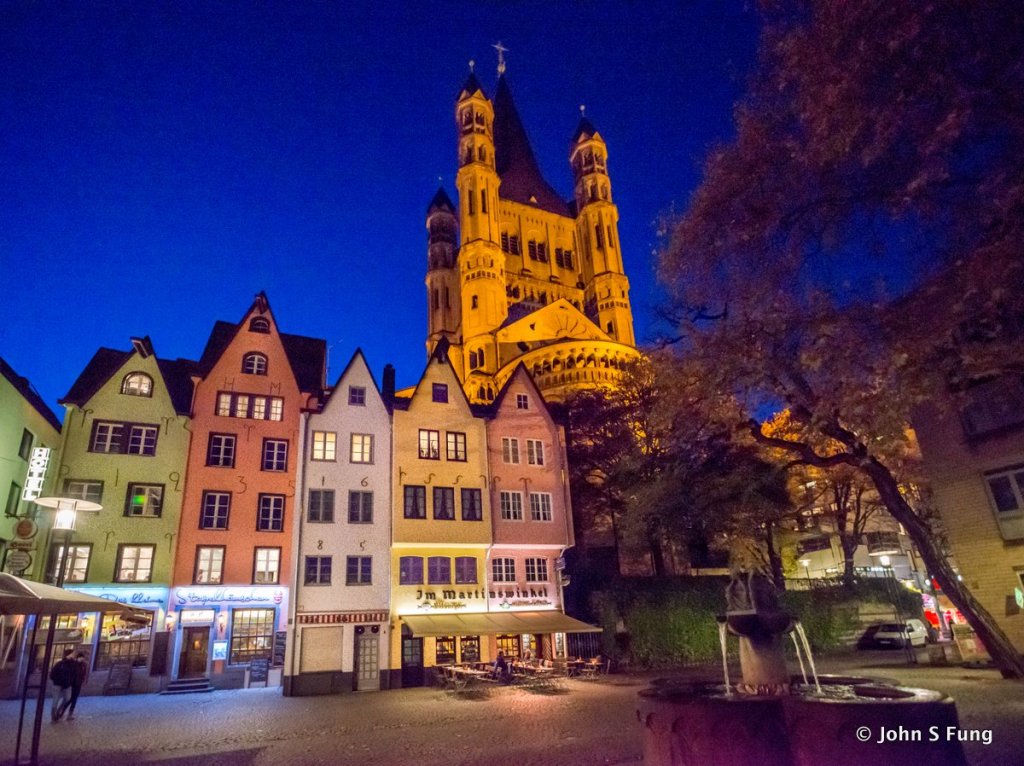
我們的導遊帶我們走到這裡,完結早上的市內遊。這𥚃是聖馬爾定(聖馬田)教堂前小廣場,前有中世紀 Rainer Walk 設計的水池,後有漂亮的排屋。
Colorful stack houses near this medieval fountain by Rainer Walk. We bade farewell to our tour guide and walked back to our ship for a break and lunch.
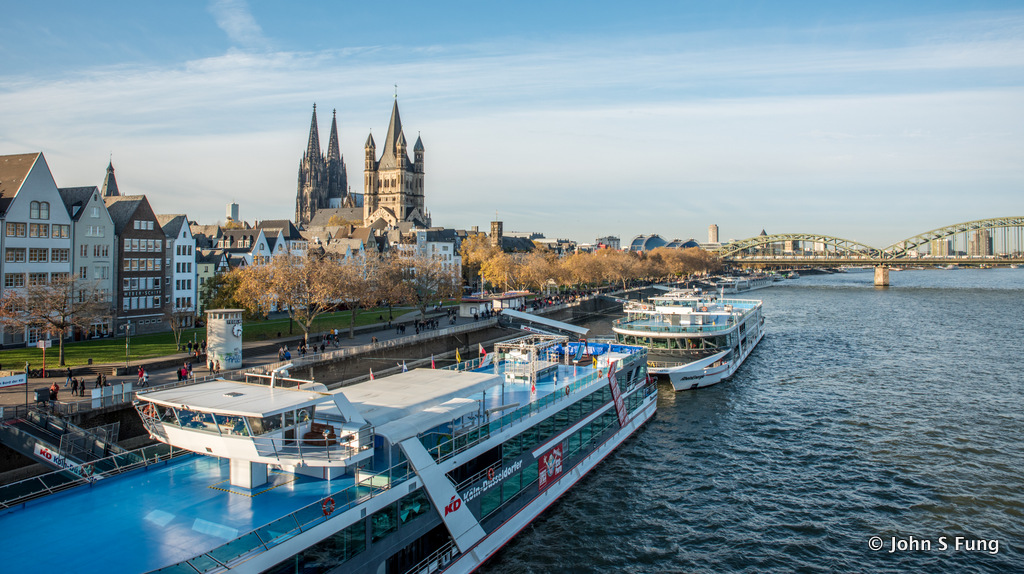
沿萊恩河西岸邊上的排屋。
Beautiful stack houses along the promenade of Rhine River.
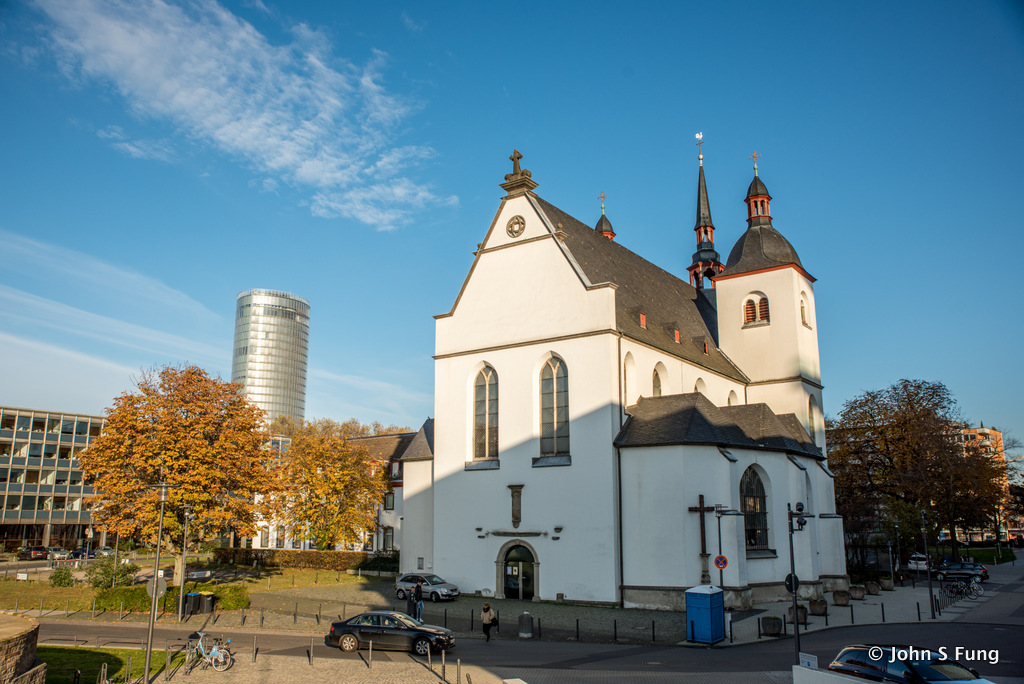
New St. Heribert Church, now known as Deutz Abbey – Reconstructed in the 1970s, the former abbey church of Alt St. Heribert is now used by the Greek Orthodox community of Cologne,
從科隆三角大廈瞭望台望向科隆大教堂。
Cologne Cathedral, as seen on the observation deck of Koln Triangle.
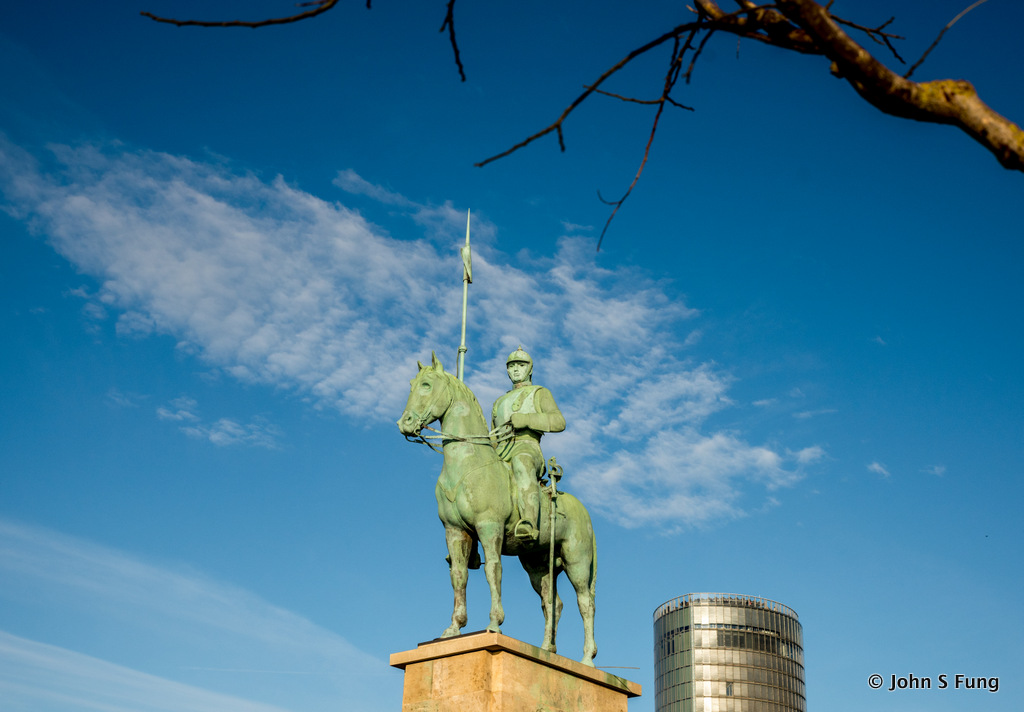
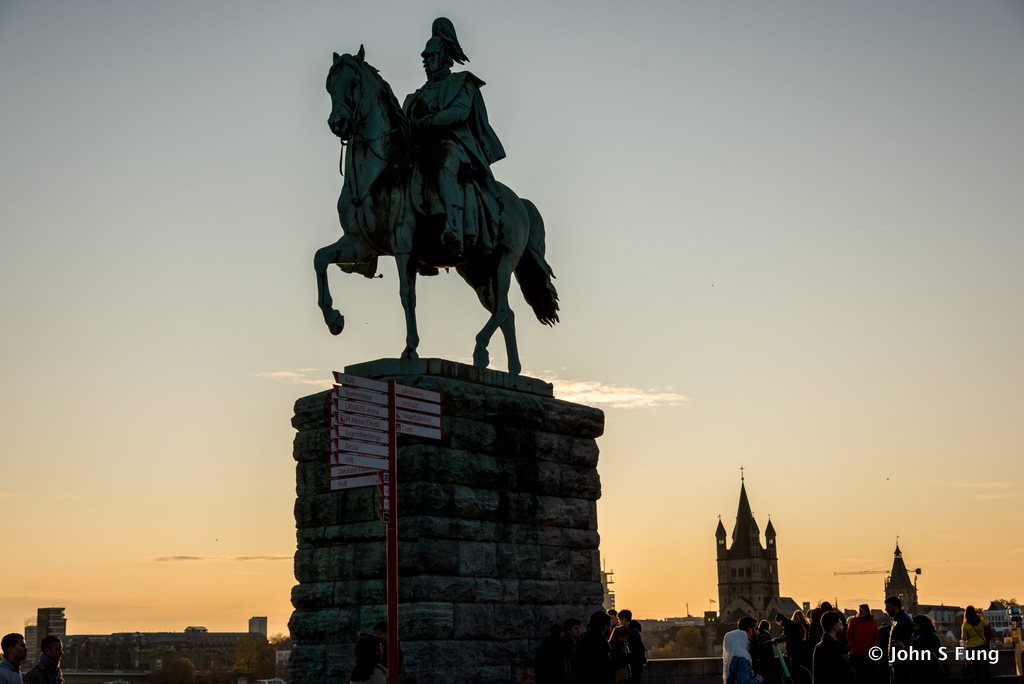
霍恩佐倫橋前德國皇威廉一世的塑像。
Statue of William I, German Emperor (Kaiser Willemstad I )
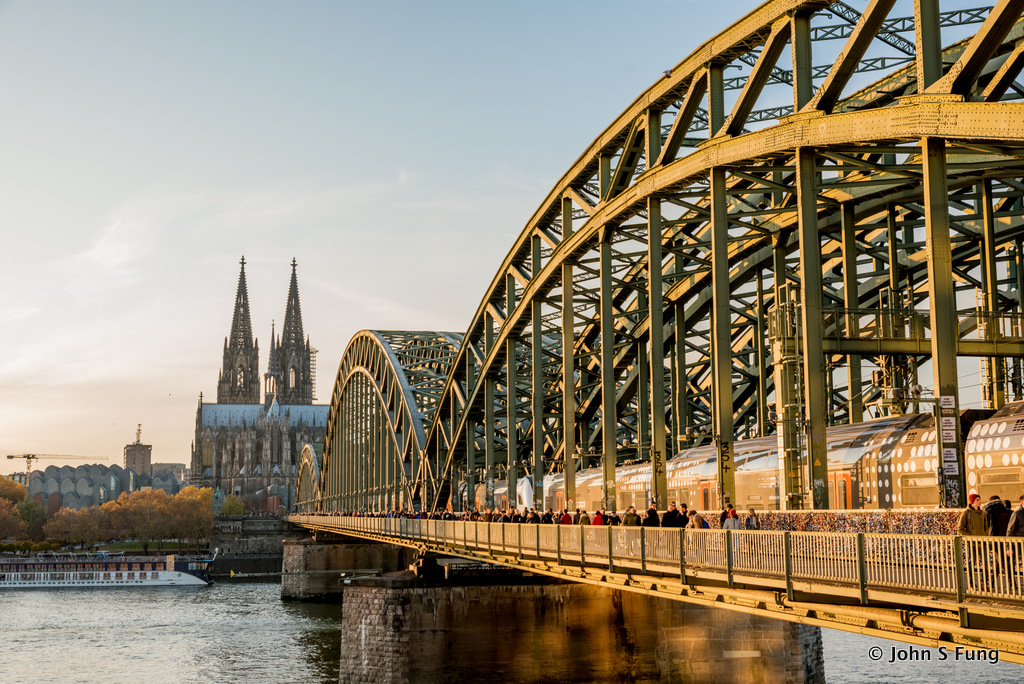
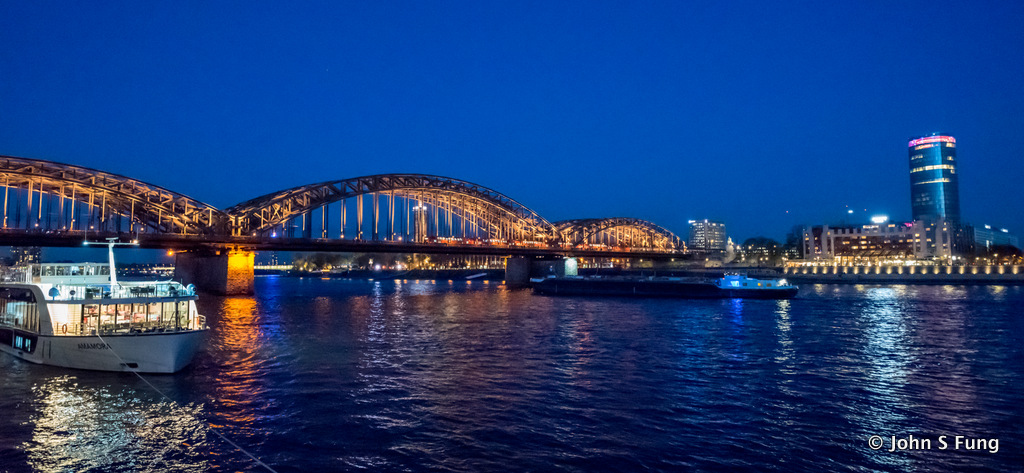
霍恩佐倫橋 Hohenzollernbrücke Hohenzollern Bridge
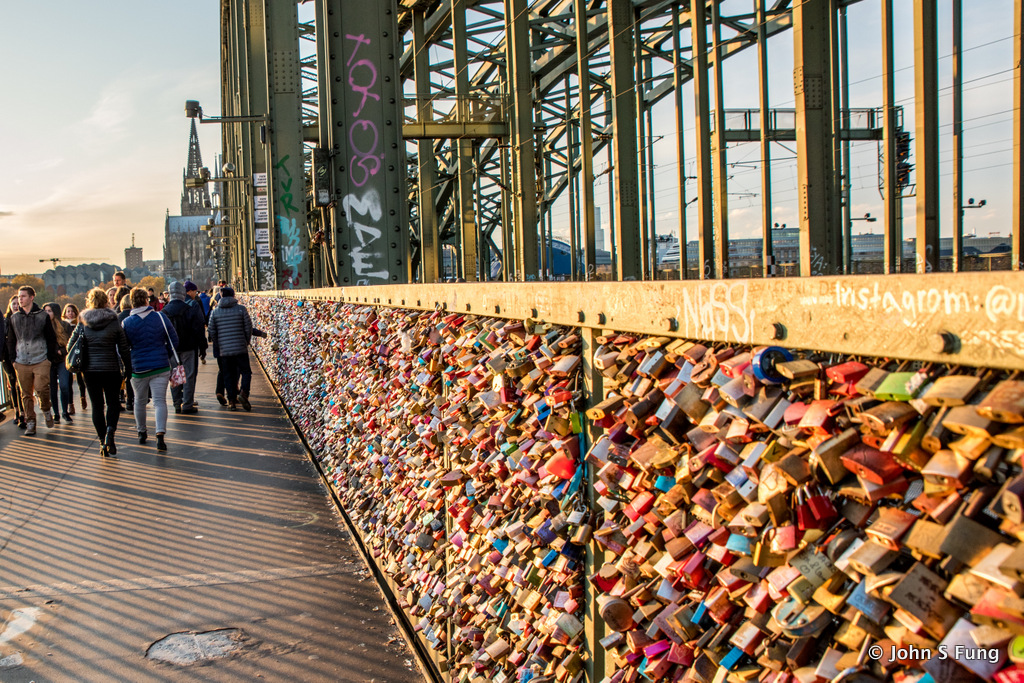
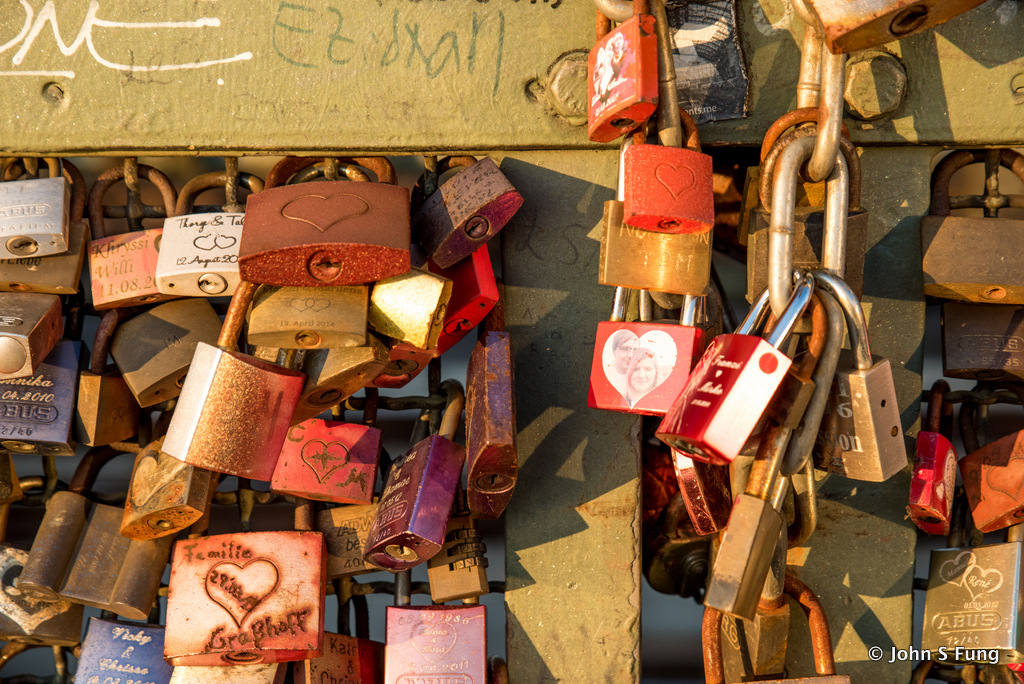
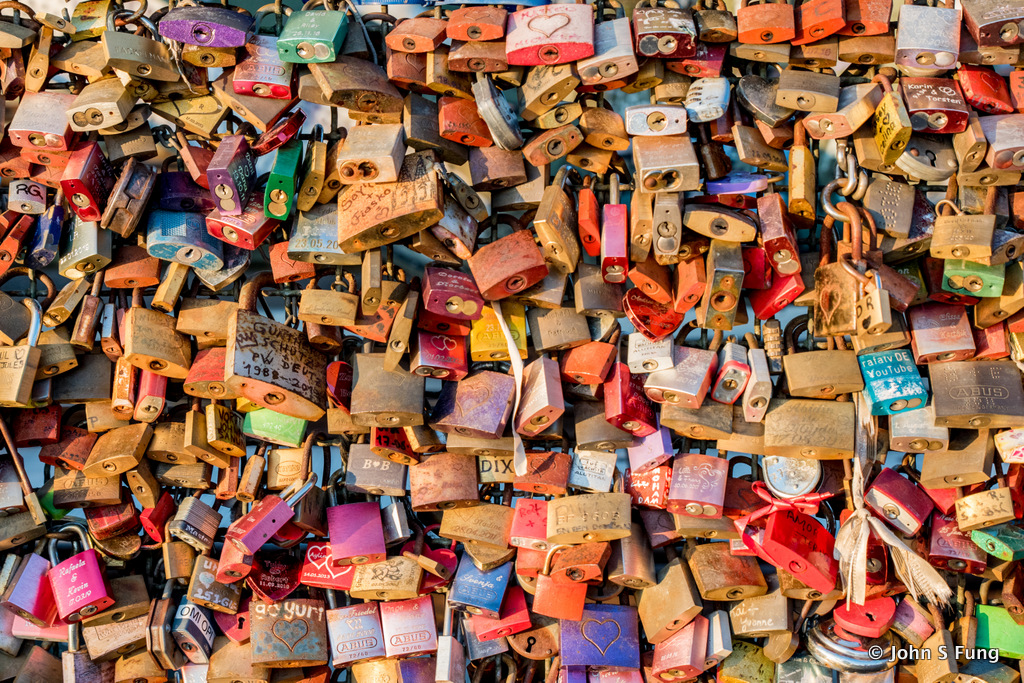
霍恩佐倫橋上行人道旁的鐵絲網上,掛滿世界各地情侶的情人鎖。
It appears to be a tradition here for lovers to hang padlocks from the bridge to immortalize their love.
Love the magic hour blue.
萊恩河西岸河邊步道望向聖馬丁教堂。 Looking west to the Great St. Martin Church from the park before heading back to our ship and called it a day.
This was the second day of our river cruise, sleep deprivation on our flight to Amsterdam and jet lag was bugging me that morning. What’s more, the overcast weather had completely turned me off. During photo editing, I had to do a little twisting on Lightroom to be able to bring out the colors you see here.
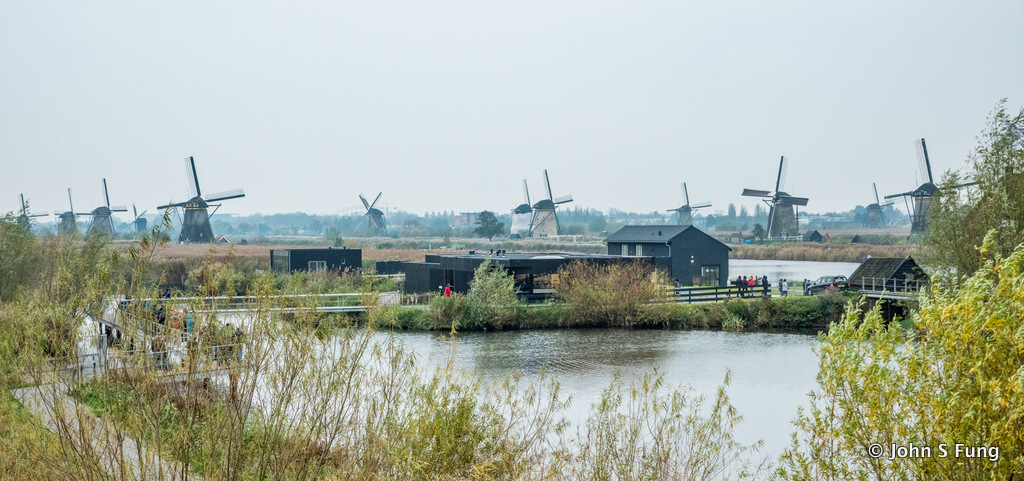
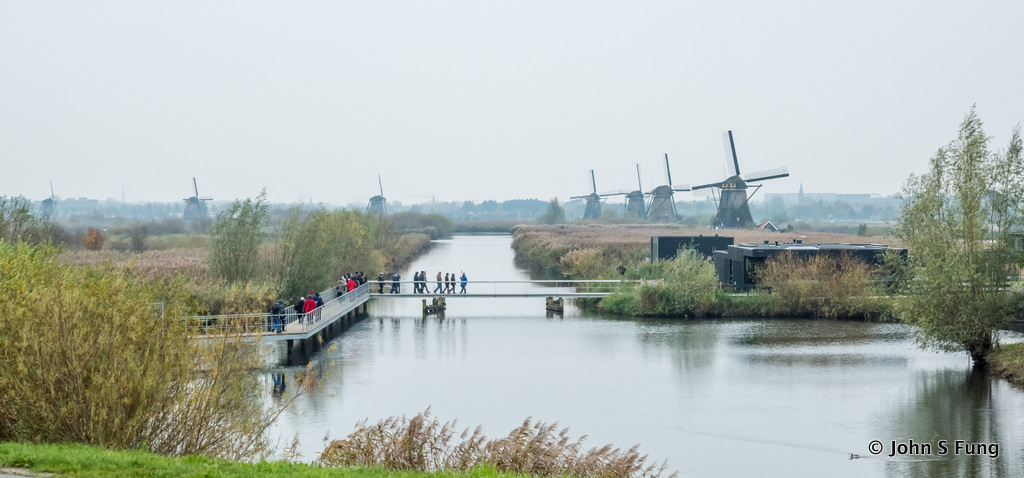
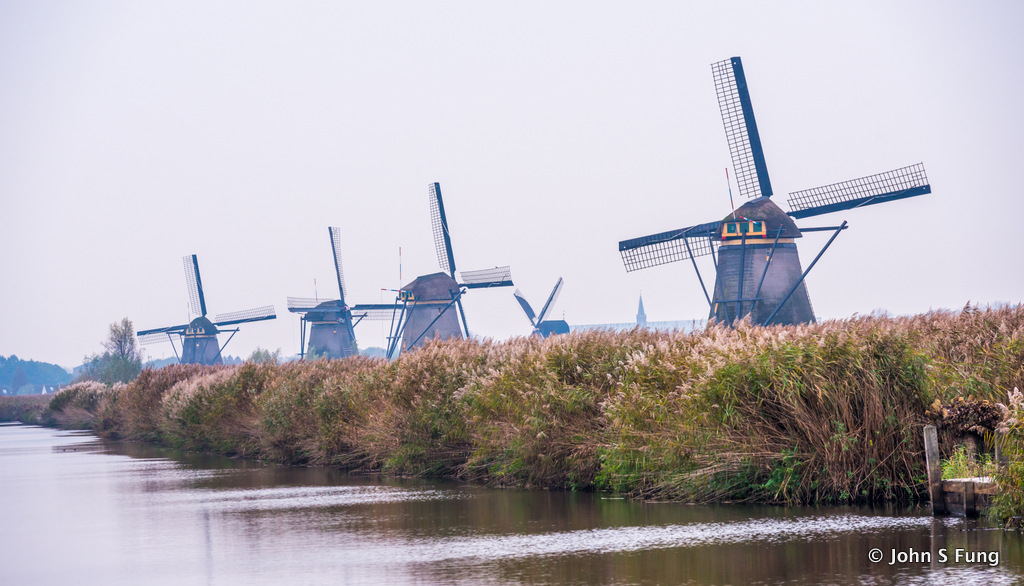
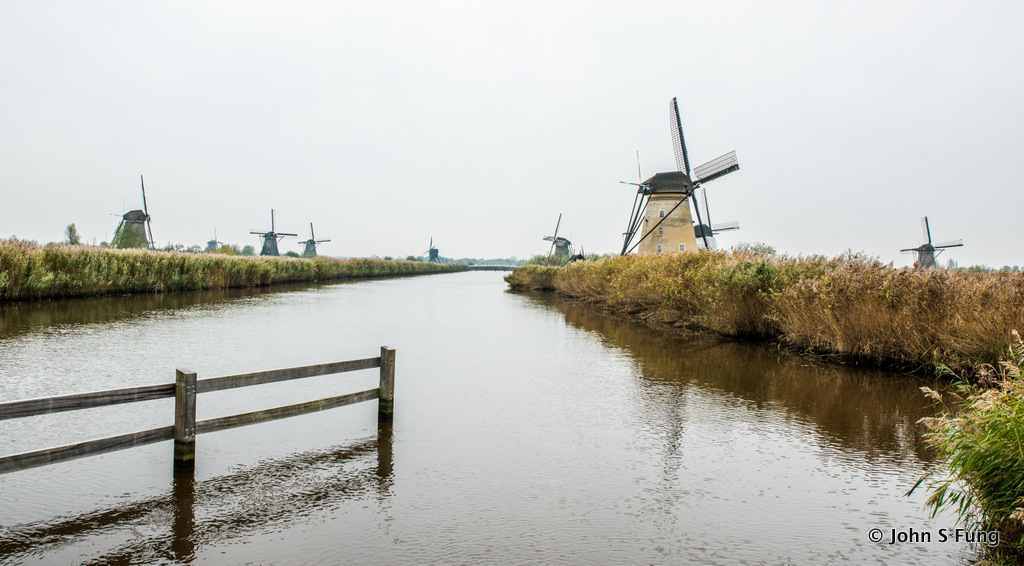
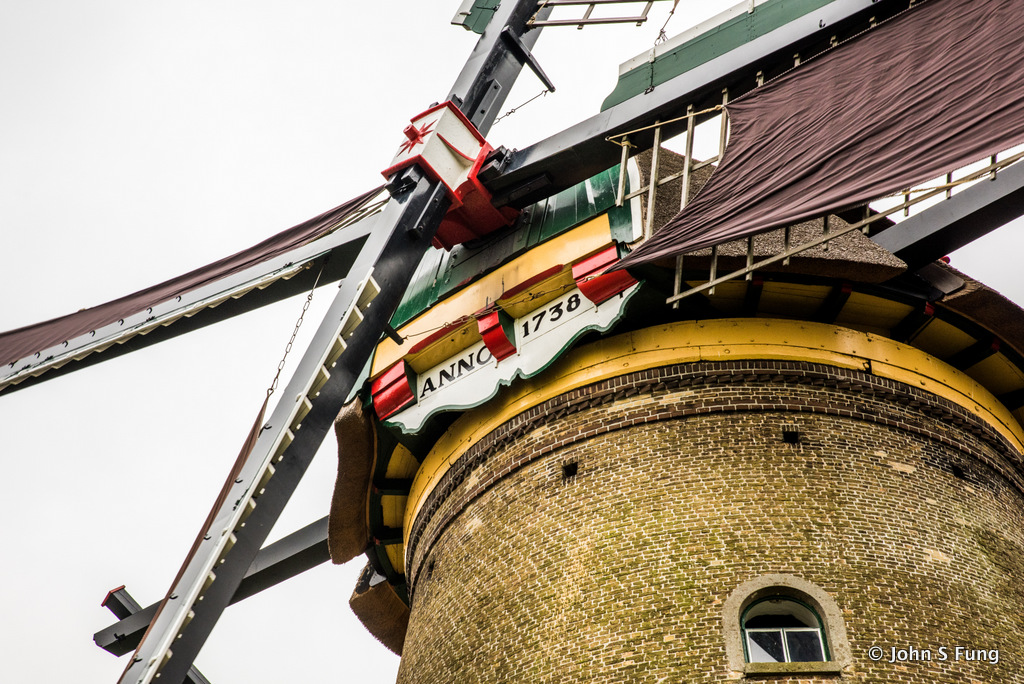
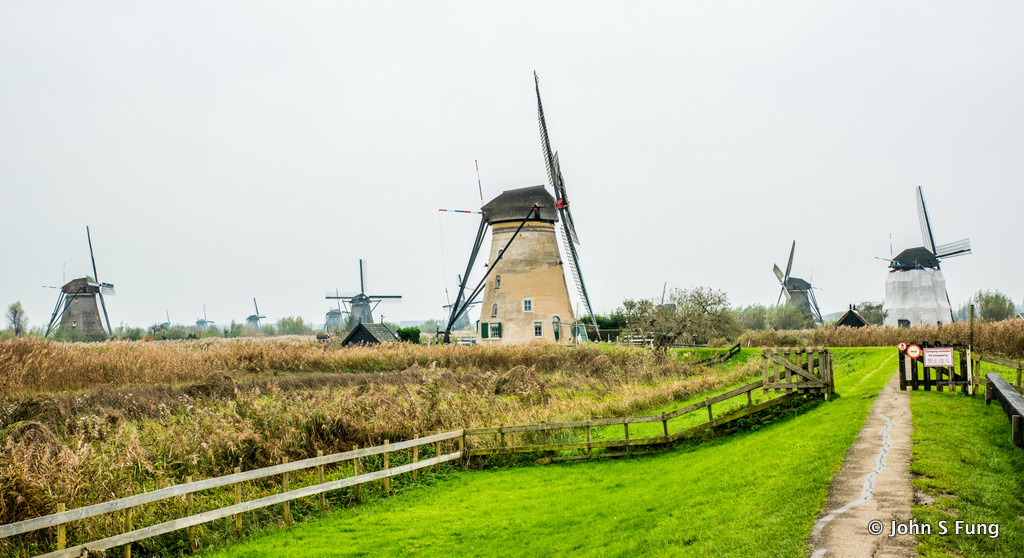
Wikipedia– The windmills at Kinderdijk are a group of 19 monumental windmills in the Alblasserwaard polder, in the province of South Holland, Netherlands. Built in 1738 and 1740, to keep water out of the polder (低窪開拓地), it is the largest concentration of old windmills in the Netherlands. They have been a UNESCOWorld Heritage Site since 1997.
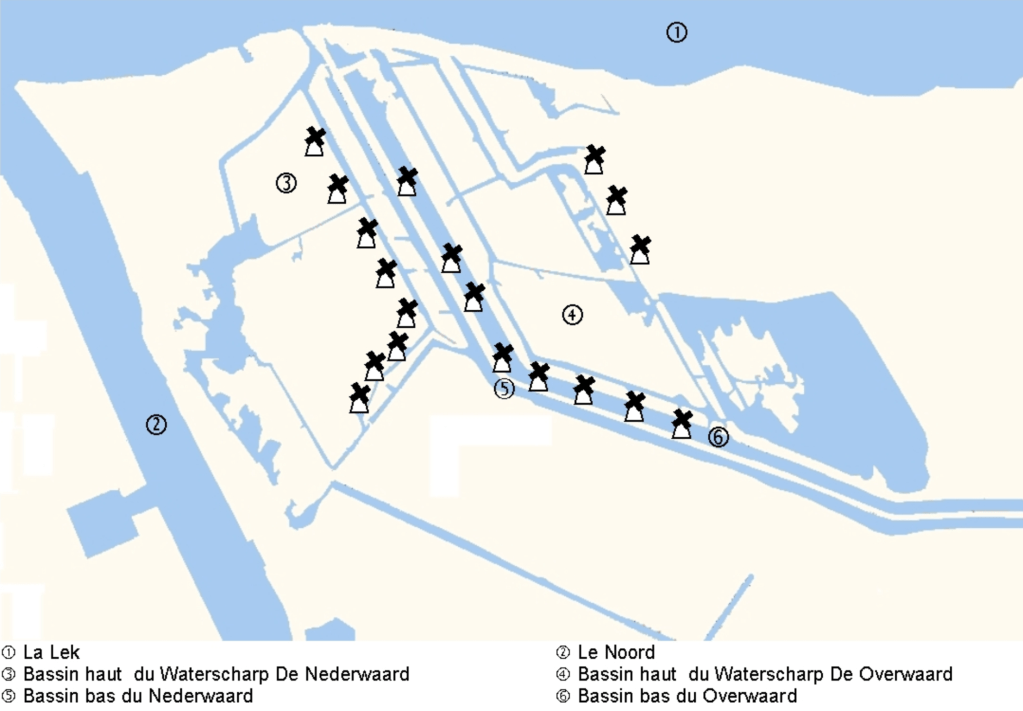
Wikipedia – Kinderdijk lies in the Alblasserwaard, at the confluence of the Lek (1 on the map) and Noord (2 on the map) rivers. In Alblasserwaard, problems with water became more and more apparent in the 13th century. Large canals, called “weteringen”, were dug to get rid of the excess water in the polders. However, the drained soil started setting, while the level of the river rose due to the river’s sand deposits. Most of the current mills were built in 1738 and 1740.After a few centuries, an additional way to keep the polders dry was required. It was decided to build a series of windmills, with a limited capacity to bridge water level differences, but just able to pump water into a reservoir at an intermediate level between the soil in the polder and the river; the reservoir could be let out into the river through locks whenever the river level was low enough; the river level has both seasonal and tidal variations.
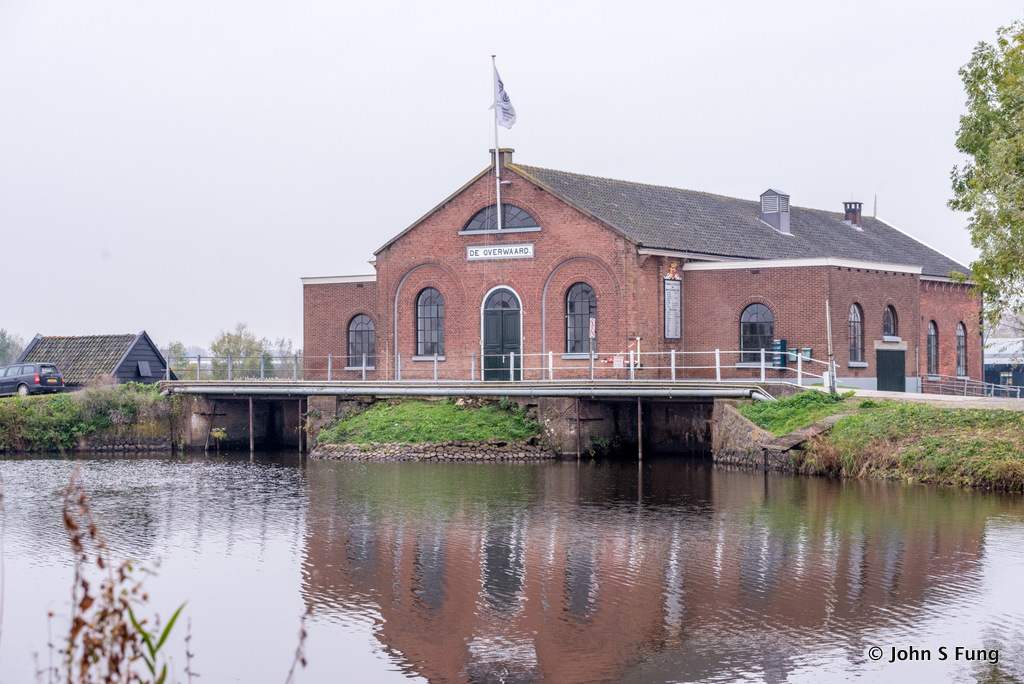
Wisboom pumping station engine room (above). If my memory serves me well, this building is now a visitor center where there are exhibitions to show how excess water is drained from the polder, first by windmills and later on from 1868 to 1924, by a steam-powered pump which was replaced by electrical pump.
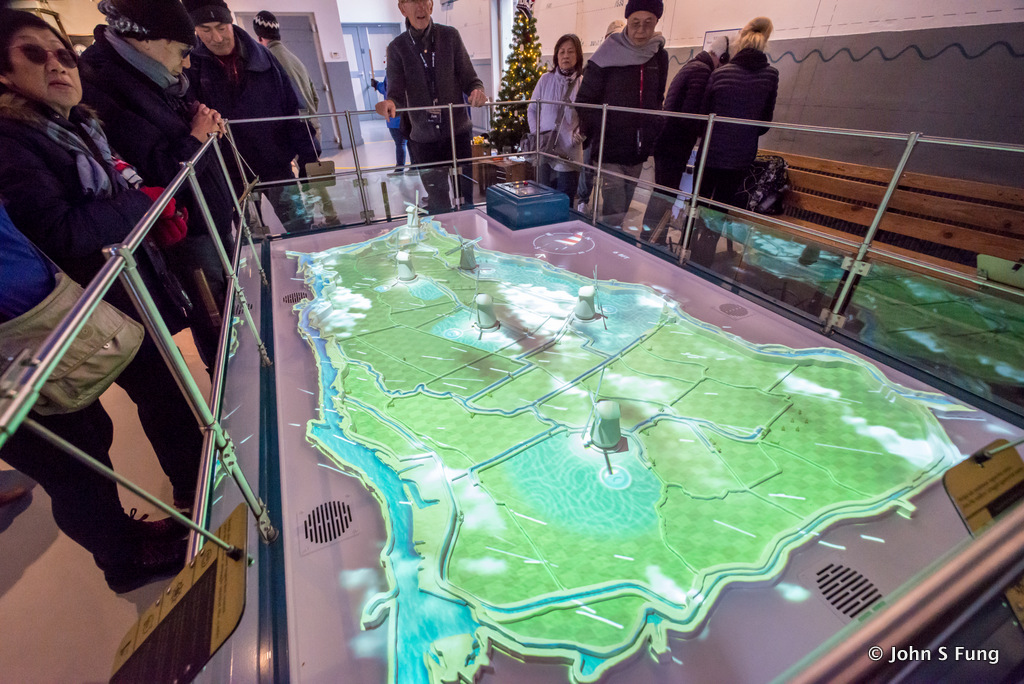
館內模型展示風車、低窪地和運河的配置和運作。
This model shows how windmills work to pump excess water out of the polders.
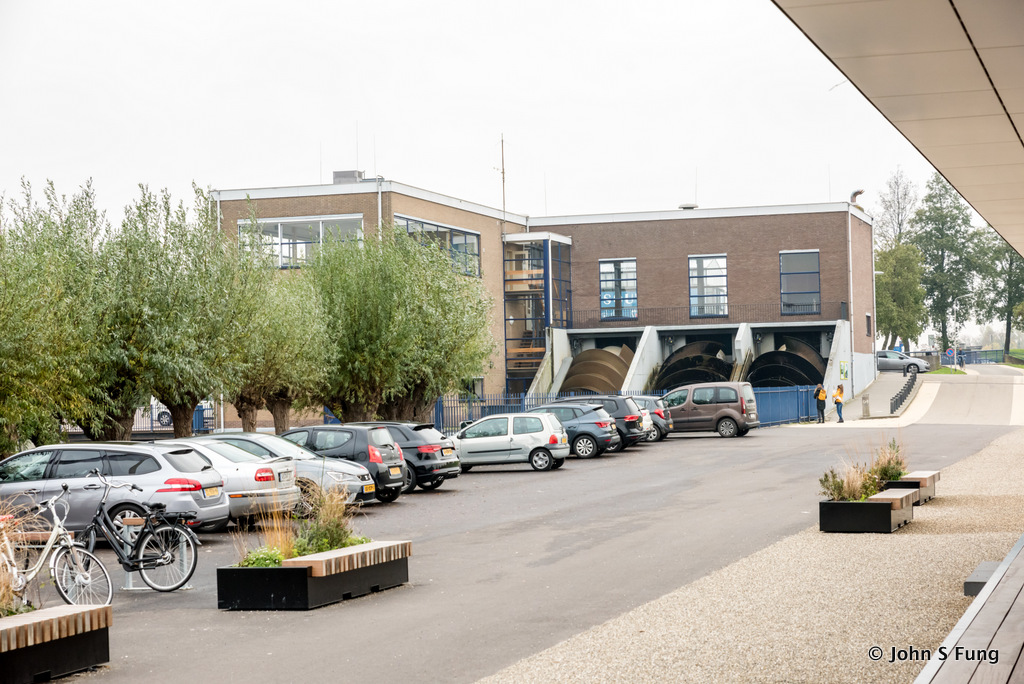
J.U. Smit pumping station.The diesel pump station uses three giant Archimedian screws, visible even on the parking lot, to carry millions liters of water/min from the Nederwaard (低沙洲) basins out into the river.
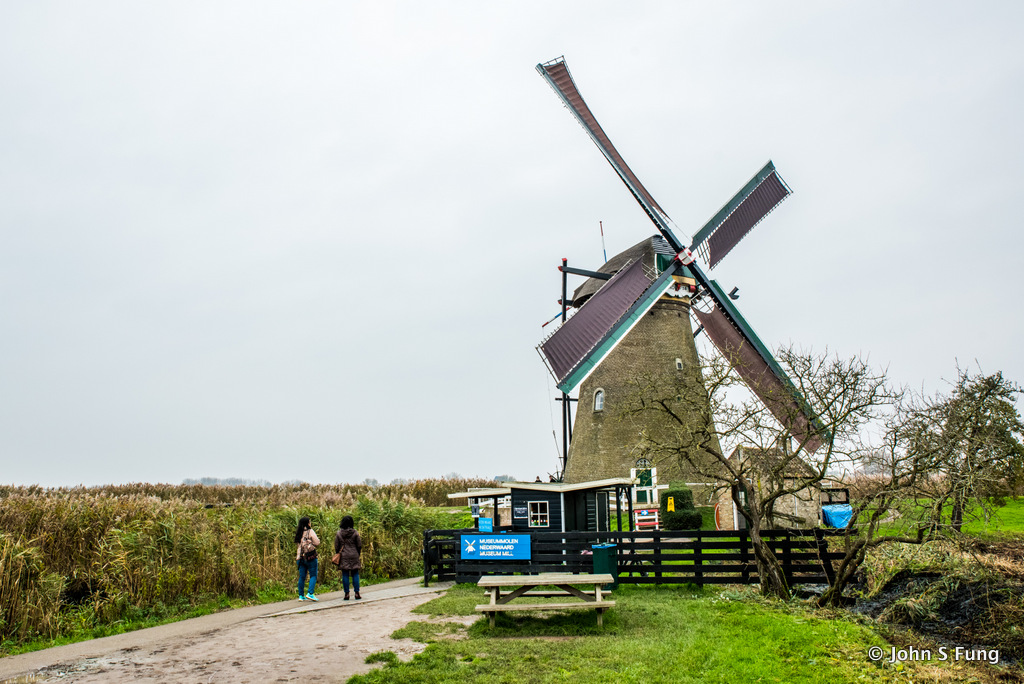
風車博物館。
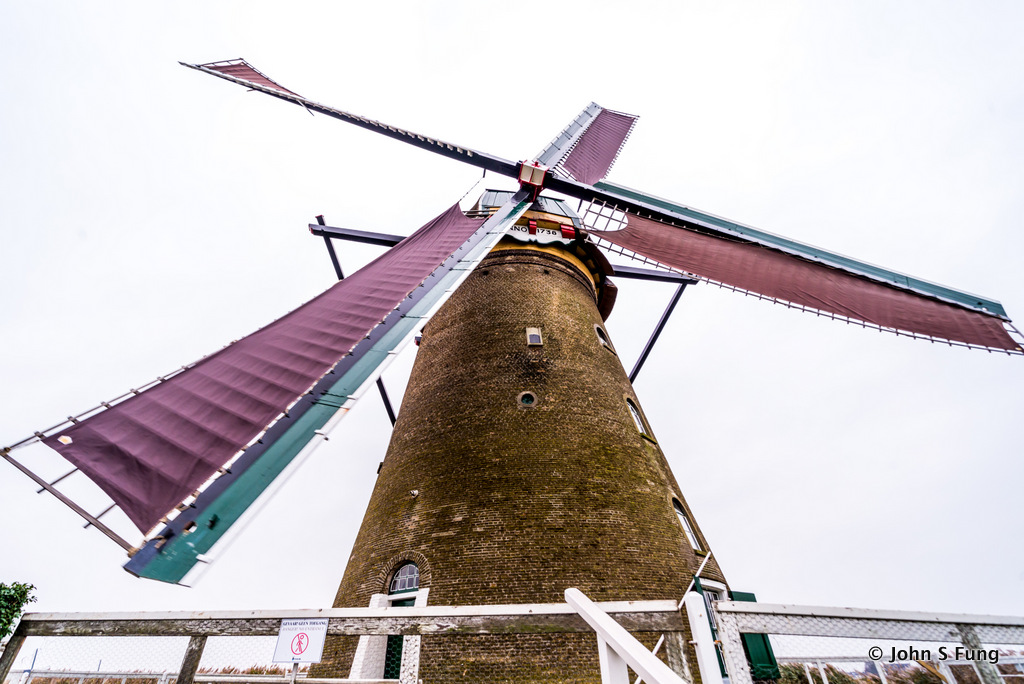
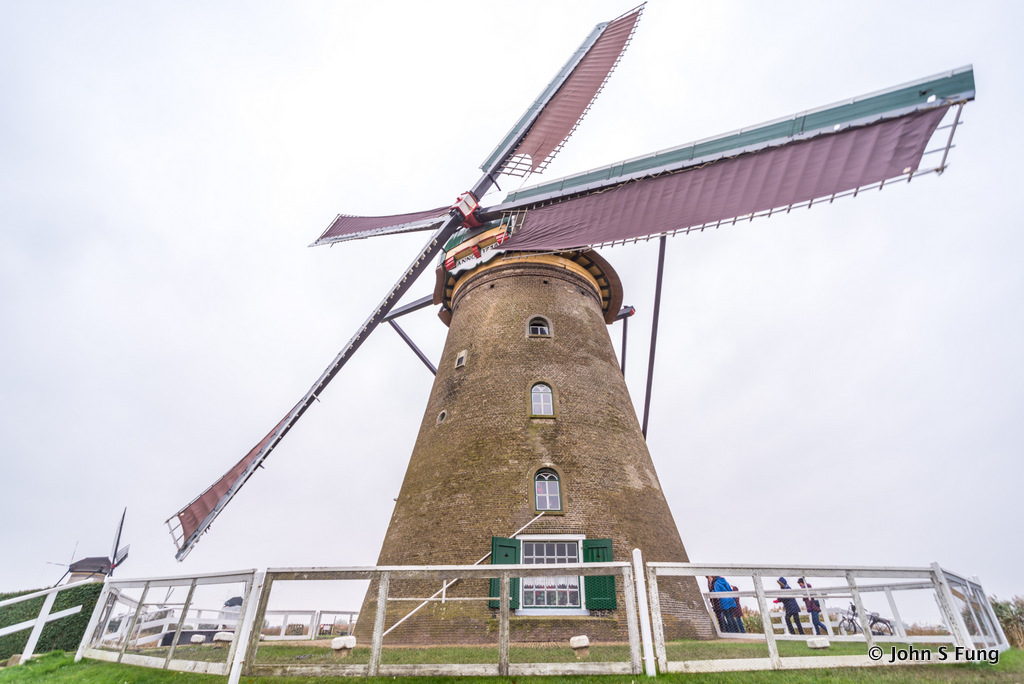
Museummolen Nederwaard – Museum Mill
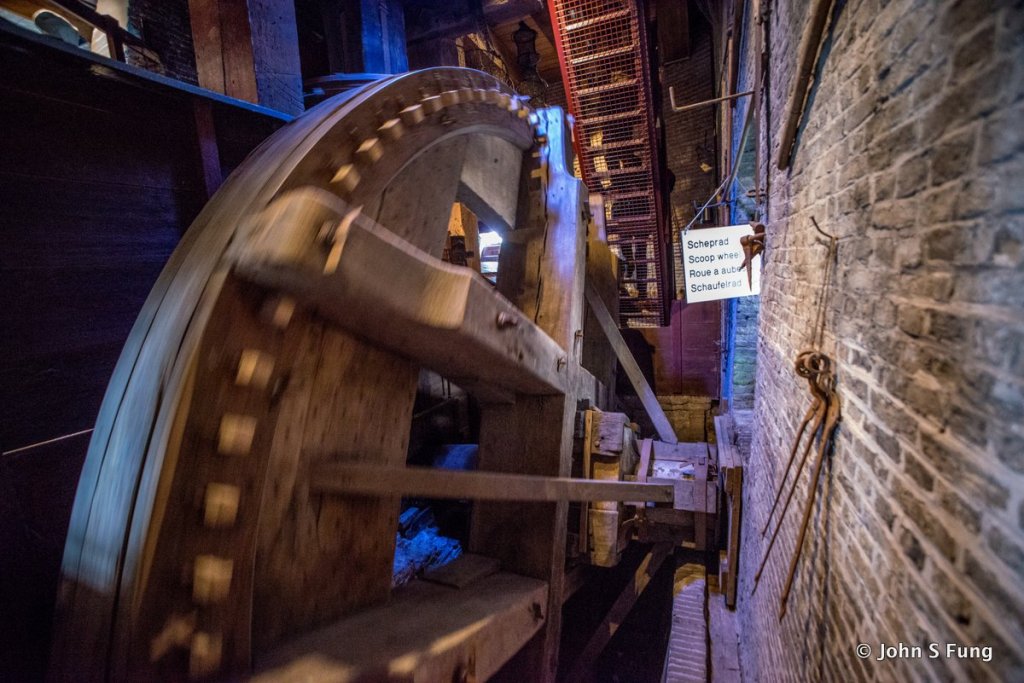
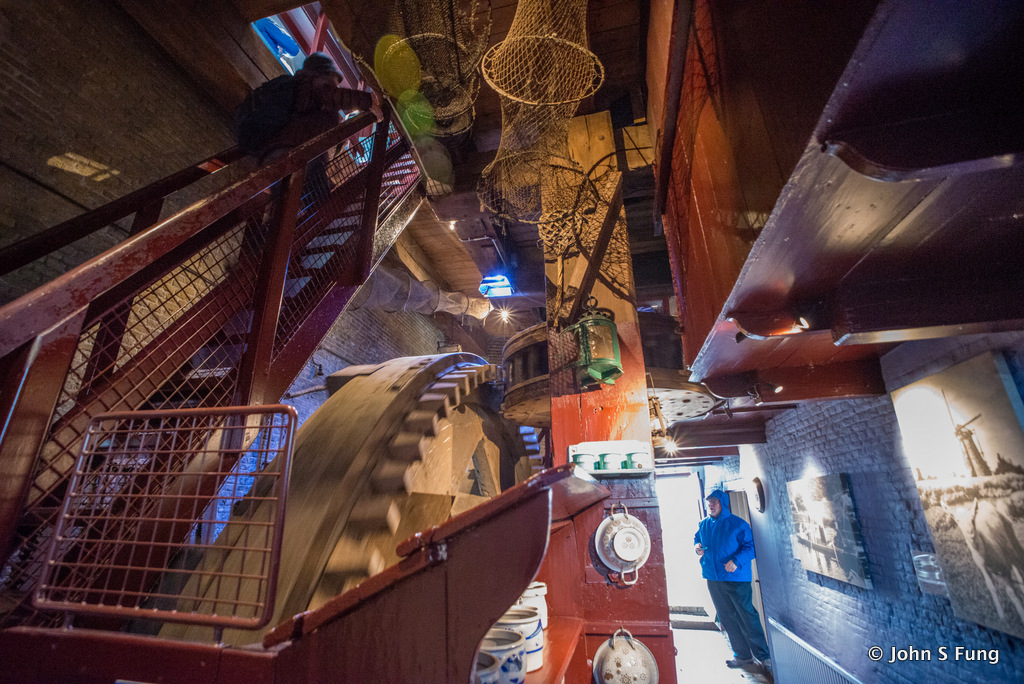
風車轉動,帶動𥚃面的勺子巨輪,將水由低沙洲轉到高沙洲。
The Scoop Wheel: The wooden windmills of the Overwaard (1740) use a scoop wheel to pump water from the Lower Basin to the Upper Basin.
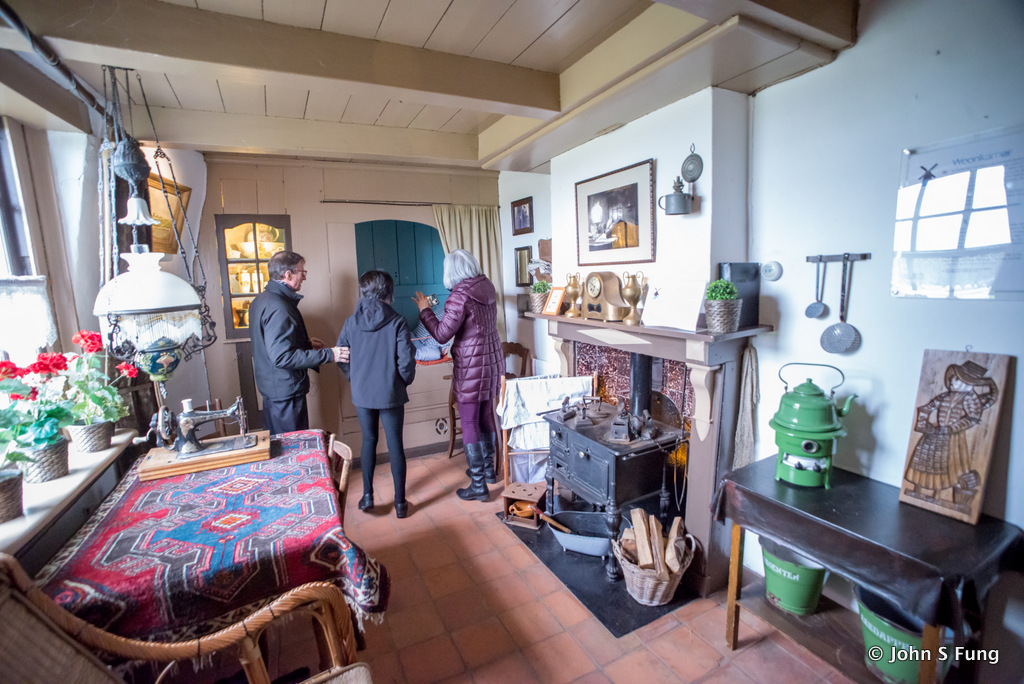
風車內有空間僻為居室,室外有園圃種植蔬菜,供風車管理者生活起居之用。
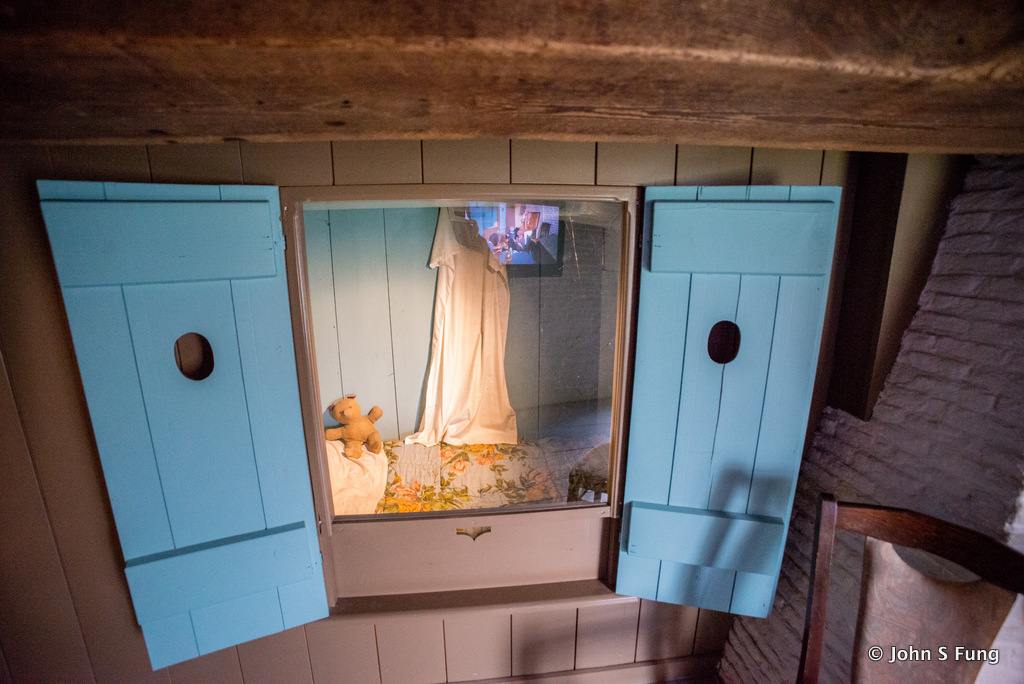
Inside the wooden windmills of the Overwaard, there is enough space for a miller and his entire family.
我們自博物館出來,與導遊失散了,只好往回走了。
下面給大家介紹兩個app, 下載至手機,可作導覧之用。
Apps for Kinderdijk (the following links are for iphone, they are also available for Android)
 John and YY's photoblog